How to Store Syrup Without Sticky Leaks
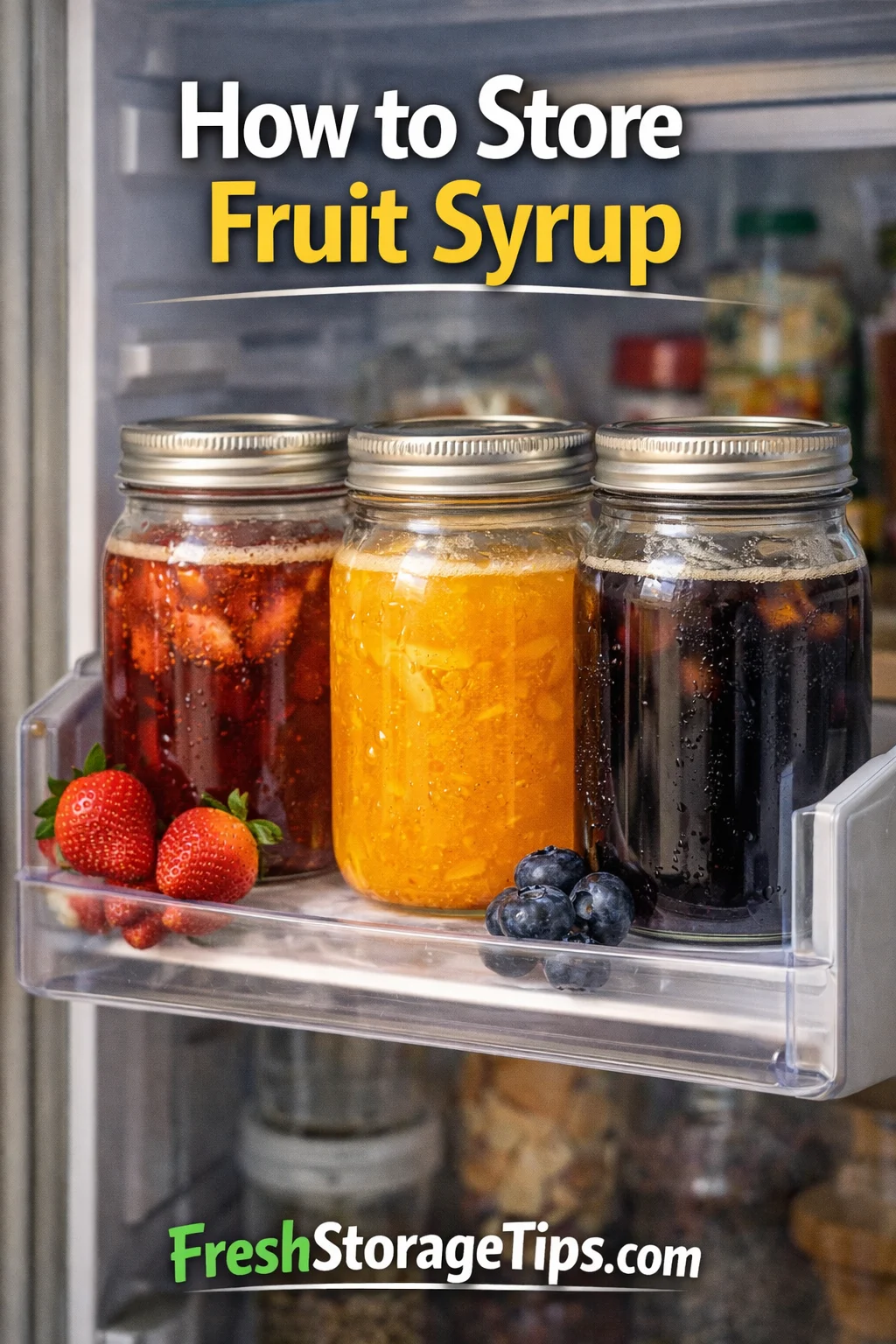
Opened fruit syrup can stay fresh for 6 to 12 months in the fridge, while homemade versions may only last 3 weeks. Always keep the rim clean to prevent mold and ensure the lid may be opened easily next time.
The Sticky Situation in the Pantry
Welcome back to my kitchen corner! Today we are tackling something that can be a real headache: that sticky, sugar-crusted bottle of fruit syrup hiding in the back of your cupboard. We have all been there, reaching for the strawberry syrup on a Saturday morning only to find the lid glued shut or, worse, a fuzzy patch of mold staring back at us. It can really put a damper on your pancake breakfast, can’t it?
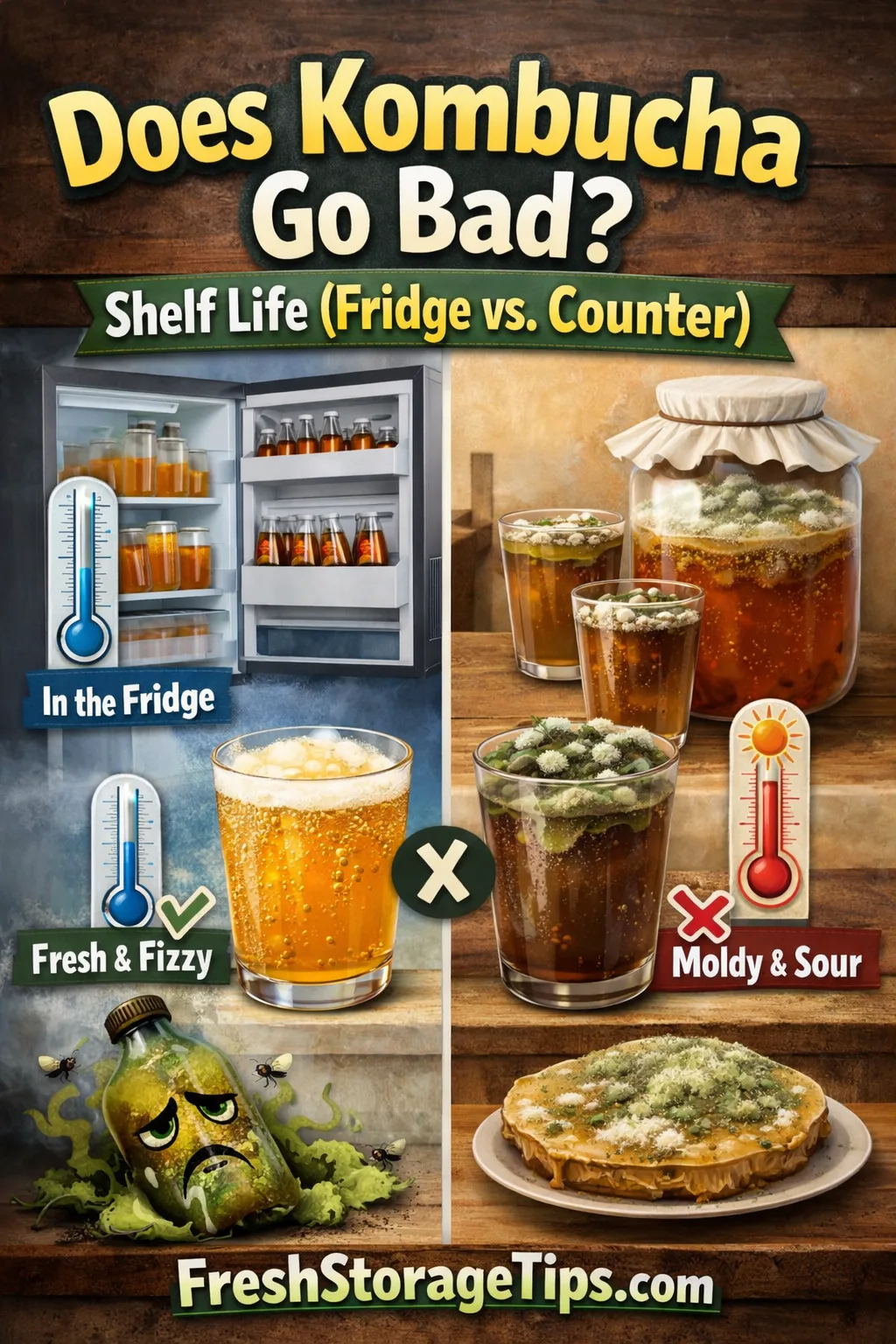
I have spent many years learning how to keep my pantry organized and my ingredients fresh. Fruit syrup is a bit of a trickster because we often think sugar lasts forever. But when you add real fruit into the mix, things can change quickly. Just like we have to be careful when asking does kombucha go bad, we must respect the living nature of fruit-based products. Whether you enjoy a splash of raspberry in your soda or classic maple on your waffles, knowing the right way to store these treats can save you from a messy cleanup and wasted money.
It might seem simple, but the way you handle that bottle after the first pour can make all the difference. In our busy homes, it is so easy to just pop the cap back on and forget about it. However, taking just a few extra seconds to ensure a clean seal can protect your syrup from the spoilers that love sugar just as much as we do. Let’s look at how we can stop those sticky disasters before they start.
Why Fruit Syrup Can Turn Sour
Fruit syrup is essentially a concentrated solution of sugar and fruit juice. While sugar acts as a preservative by binding to water, it is not an absolute shield. If the water content is too high, bacteria and yeast can start to feast.
- Fermentation: Wild yeasts may find their way into the bottle and start turning those sugars into alcohol or gas.
- Mold Growth: If moisture from the air or a dirty spoon gets inside, mold can bloom on the surface.
- Rim Crystallization: Dried syrup on the rim can prevent a tight seal, letting in air and moisture.
This process can be quite similar to what happens with other sweet liquids. For instance, if you already know how to store cocktail syrup, you might notice that fruit versions are often even more temperamental because of the organic fruit particles involved. Modern store-bought syrups often have preservatives to help, but homemade versions are much more vulnerable.
In the US, brands like Torani or Monin are popular, and they often provide storage guidance on the label. However, those of us who love picking fresh berries to make our own must be extra vigilant about the cold chain.
Visual Glance: Syrup Staying Power
This chart tracks how different environments can sway the freshness of your sweet stash. Keeping it cool can really stretch that tropical or berry vibe.
Sweetness and Safety Realities
Video Lowdown: Syrup Reality Check
Fruit syrups can vary wildly in their nutritional value and their ability to stay fresh. Understanding the sugar-to-water ratio is very important for safety.
Key bits to keep in mind:
- Benefits: Natural syrups can offer a boost of antioxidants from real fruit.
- Spoilage Cues: If it bubbles or smells like wine, it might be fermenting.
- Proper Pouring: Never dip a used spoon into the main bottle.
This knowledge can help you avoid a situation where you might mistakenly store chocolate milk or other perishables incorrectly alongside your syrups.
Interactive Fruit Syrup Storage Chart
You can filter by the type of syrup you have or search for specific terms like ‘berry’ or ‘pantry’ for the best fit.
| Syrup Kind | Best Spot | Lifespan Opened | Marleen’s Pro Tip |
|---|---|---|---|
| Berry Syrup (Monin) | Fridge After Opening | Up to 12 Months | Check for sediment or color changes. |
| Homemade Simple Fruit | Fridge Airtight | 2-3 Weeks | Add a splash of vodka to preserve longer. |
| Pure Maple Syrup | Fridge Mandatory | 6 Months+ | It can grow mold at room temp. |
| Leftover Portions | Freezer Bags | Up to 1 Year | Use ice cube trays for easy dosing. |
| High Fructose Blend | Pantry Cool | 3-4 Months | Wipe rim to stop sticky cabinet bugs. |
Fruit Syrup Spoilers
Once you crack that seal, your syrup starts a battle against these four common kitchen enemies:
- ⚠️ Air: It can cause the syrup to oxidize and the sugar to crystalize. Block: Keep that lid on tight!
- ⚠️ Moisture: Droplets from a damp spoon or condensation can lead to mold. Block: Use only dry utensils.
- ⚠️ Light: UV rays can break down the natural colors and flavors. Block: Store in a dark cupboard or amber bottle.
- ⚠️ Heat: This may speed up the fermentation process. Block: Keep it away from the stove and dishwasher.
The FDA and other health organizations suggest that keeping items cool can significantly reduce the risk of microbial growth, especially in products with natural fruit components.
Fruit Syrup Myths Busted (With a Chuckle)
There are many old wives’ tales about sugary things. Let’s set the record straight with a little smirk:
- 🚫 Myth: Sugar lasts forever. Reality: Not when fruit is involved! Mold loves a sugary fruit party. (Bless its heart!)
- 🚫 Myth: Crystals mean it is rotten. Reality: That is usually just sugar clumping together. It might be saved with a bit of warmth. (It is just cold!)
- 🚫 Myth: Fridge makes it too thick to pour. Reality: True, but taking it out 10 minutes before breakfast may solve that. (Patience is a virtue!)
- 🚫 Myth: Ants won’t find it in a cabinet. Reality: Oh, they definitely may. A sticky rim is a literal beacon for them. (Wipe that rim, honey!)
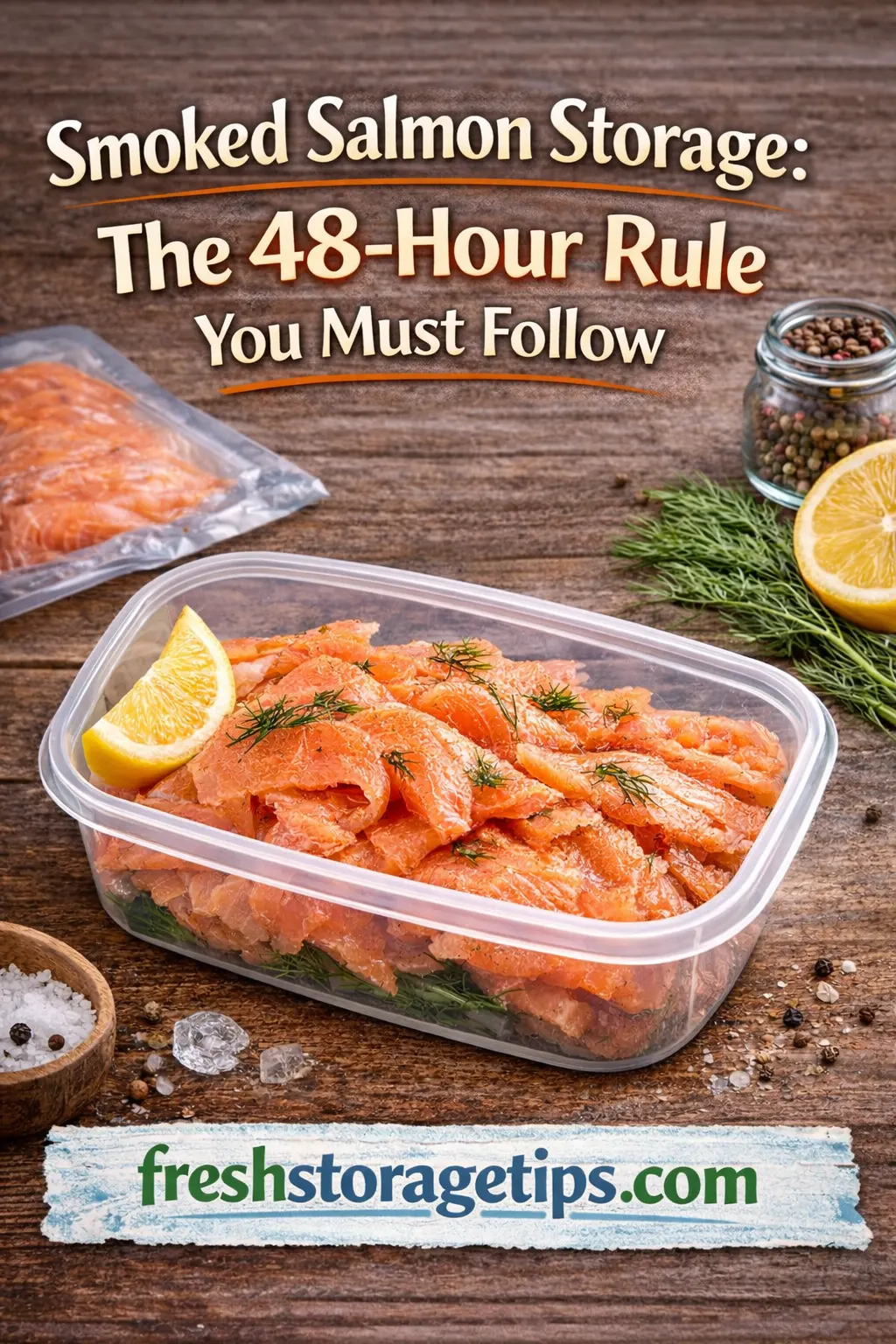
Maintaining a clean seal is just as important here as it is for smoked salmon storage or other delicate items.
My Three Month Sticky Shelf Test
I decided to run a little experiment in my pantry. I took two bottles of the same berry syrup. One, I wiped clean after every use and stored in the fridge. The other, I left with a messy rim in a warm cabinet near the toaster. Within just three weeks, the cabinet bottle was nearly impossible to open and had developed a suspicious thin layer of white fuzz. The fridge bottle? It stayed perfect for three full months until we finished it on some waffles!
Oxidation can change the flavor over time, similar to what happens in the process of how to store coconut water. The test proved that a cool environment and a clean rim really are the two pillars of syrup longevity.
Your Syrup Quick Hits
Fast answers for those busy morning moments.
| If your syrup is… | Smart Snap Move | Safety Score |
|---|---|---|
| Homemade Fresh | Fridge immediately in glass. | 3 weeks of flavor. |
| Pure Maple | Always refrigerate after opening. | Safe from mold. |
| Pantry Commercial | Wipe the rim and seal tight. | Ant-free zone. |
| Cloudy/Fizzy | When in doubt, throw it out! | Zero risk taken. |
Unopened Bottles: Shelf Steadies
Sealed commercial fruit syrups can generally stay in a cool, dark pantry for quite a long time. Manufacturers often use vacuum sealing to ensure the product stays sterile until the seal is broken. You may find that these are stable for a year or even two past the “best by” date if the conditions are right.
Pantry storage can be as tricky as when you store chocolate milk incorrectly: temperature swings are the real enemy. Try to avoid cabinets that share a wall with your oven or stove, as the heat can degrade the syrup even inside a sealed bottle.
Opened Bottles: Fridge Fixes
Once you break that seal, everything changes. Air enters the bottle, and the clock starts ticking. For any syrup containing real fruit juice, the refrigerator is the safest home. The cold temperature slows down the growth of any mold spores that might have hitched a ride on your spoon or from the air.
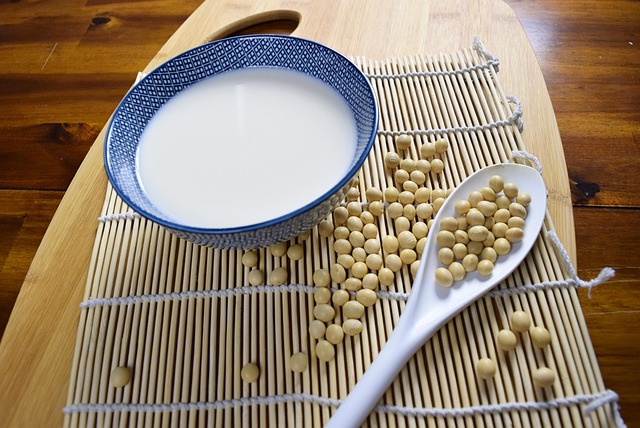
Like when you are learning how to store soy milk, checking for separation is key. If you see a thick layer at the bottom, a gentle shake can usually bring it back together. Glass bottles are always better than plastic as they do not absorb odors from your fridge, keeping your syrup tasting like fruit and not like leftover onions.
Freezer Plays: Long Term Chill
Can you freeze fruit syrup? You may, but it might not behave exactly like water. Because of the high sugar content, fruit syrup often remains a thick, slushy liquid even at zero degrees. This can actually be very handy! You can pour it into ice cube trays for perfectly portioned additions to your summer drinks.
Freezing can be a great way to save a large batch of homemade syrup that you know you cannot finish in three weeks. Just be sure to leave a little “headspace” at the top of your container, as the liquid may still expand slightly as it chills.
Spot Spoiled Syrup: Sense Scans
If you’re worried your syrup has seen better days, use your “mom senses” before you pour it on your kids’ breakfast:
- The Smell: It should smell like sweet fruit. If it smells like vinegar, yeast, or old wine, it has likely fermented.
- The Sight: Look for any cloudiness that was not there before. Dark spots or fuzzy white patches are a clear sign of mold.
- The Bottle: If a plastic bottle is bulging or if the lid “pops” loudly when opened, it may be a sign of gas buildup from fermentation.
- The Taste: Only if it passes the other tests: a tiny sip can tell you if it has become too tart or off-flavored.
CDC guidelines always suggest erring on the side of caution with food spoilage. It is never worth a tummy ache, dear.
Leftovers to Lively: Sweet Twists
If you have a bit of syrup left that is reaching its end, do not let it go to waste. There are many clever ways to use it up fast:
- Yogurt Mix-in: Swirl it into plain Greek yogurt for a quick fruit flavor.
- Smoothie Sweetener: Use it instead of honey or sugar in your morning blend.
- Baking Glaze: Brush it over warm muffins or cakes for a sweet, shiny finish.
- Ice Cream Topping: The classic use! You can even warm it up a bit first.
These ideas can help you move through your stash before you have to worry about the expiration date. It is all about being a savvy kitchen manager!
Handy Gear for Syrup Handling
Keeping your syrups fresh and your counters clean is so much easier with the right tools. Here are a few things I use in my own kitchen.
code Code download content_copy expand_less
Waterproof Glass Labels
You can use these to date your homemade syrups so you never have to guess how old they are.
Check Price on AmazonAs an Amazon Associate, I earn from qualifying purchases.
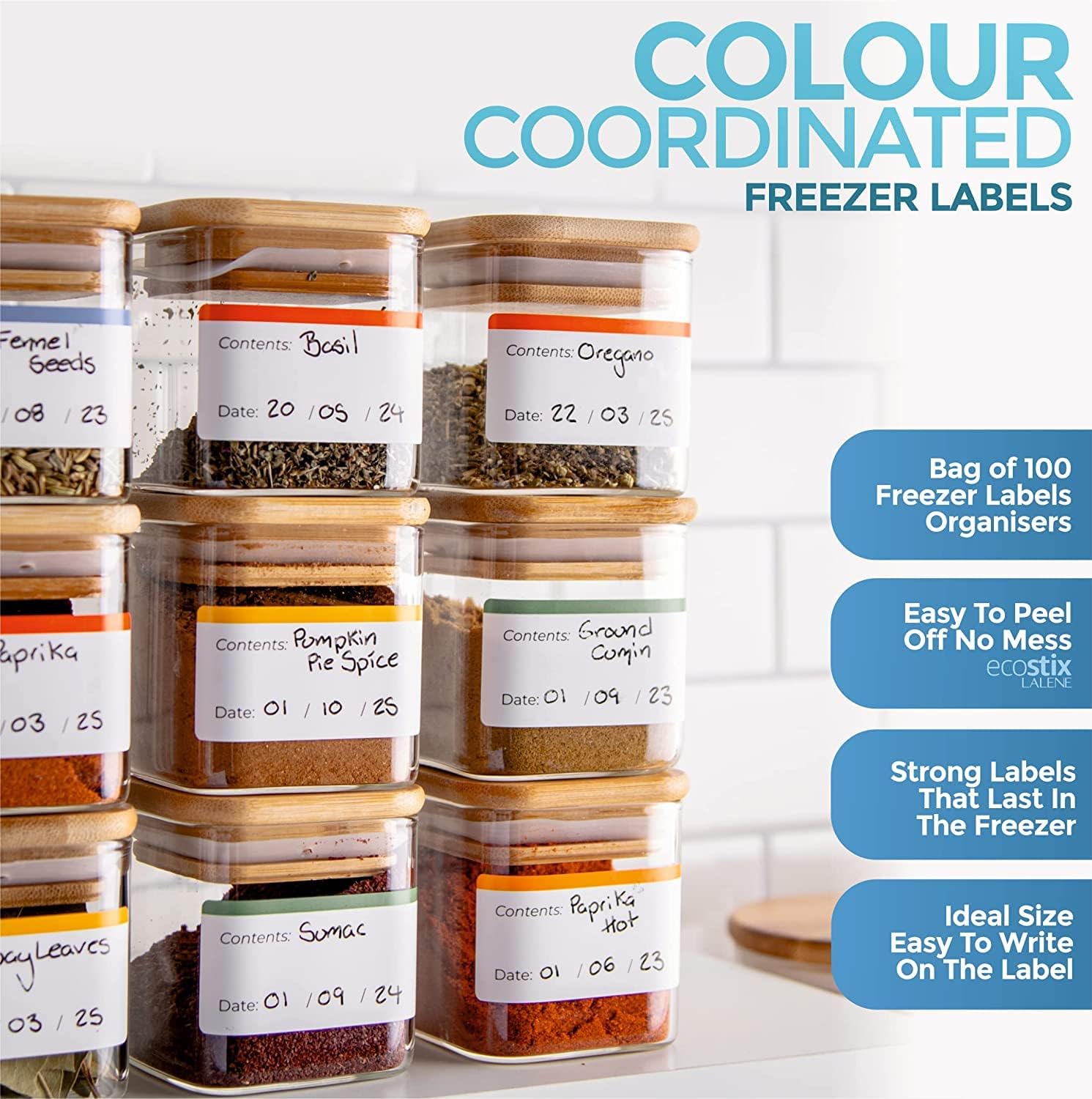
Color-Coded Batch Labels
These are great for sorting your freezer portions by date or flavor category.
Check Price on AmazonAs an Amazon Associate, I earn from qualifying purchases.

Reusable Silicone Bags
These may be used to freeze flat syrup portions to save space in your freezer drawer.
Check Price on AmazonAs an Amazon Associate, I earn from qualifying purchases.

Precision Vacuum Sealer
While not for liquids, this is perfect for keeping your fresh fruit ingredients ready for the next batch.
Check Price on AmazonAs an Amazon Associate, I earn from qualifying purchases.
Sources & Transparency
This guide was developed based on standard food preservation practices and verified against guidelines from the FDA, USDA, and university extension services. My goal is to provide you with the most practical, safe advice for your home kitchen. You can read more about my philosophy in our food storage blog.
Cocktail syrups need the same no-drip technique but also require fridge storage after opening. Jam and other sticky condiments share the same lid-cleaning problem — and the same fix. Honey is another sticky pantry staple — but unlike syrup, it actually never needs the fridge.
Last updated:
Update Log
- : Added detailed information on mold prevention and the rim-wiping technique.




 By
By