How to Store Rum (and Stop That Expensive Bottle From Going Flat)
To store rum, keep the bottle upright in a cool, dark place like a cabinet. An unopened bottle lasts indefinitely. Once opened, a full bottle is good for years, but a half-empty bottle should be finished within a year to prevent the flavor from going flat due to oxidation. Never store rum in the freezer, as it dulls the flavor.
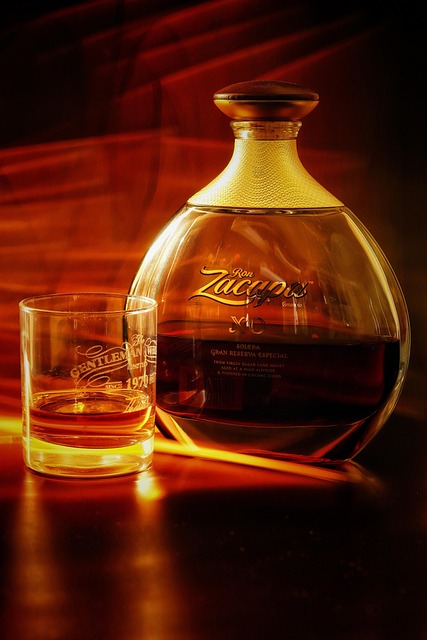
We all have that special bottle of rum. Maybe it’s a dark, complex sipper you save for quiet evenings, or a top-shelf white rum for the perfect daiquiri. We treat it like a permanent fixture on the bar cart, a timeless treasure. But I once found a nearly empty bottle of expensive aged rum that had been sitting for a year. I poured a glass, and the magic was gone. The rich notes of vanilla and caramel had faded into a sharp, one-dimensional alcohol taste.
This is the great paradox of rum: it doesn’t spoil, but it can die. Your bottle won’t grow mold or make you sick, but it can lose the very soul you bought it for. Protecting your rum isn’t about fighting spoilage; it’s about fighting flatness. It’s a simple battle to win, but you have to know your enemy: oxygen.
The Science of Rum: A Time Capsule in a Bottle
To understand how to store rum, you need to know why it’s so stable in the first place. Rum is a distilled spirit, and its high alcohol content (typically 40% ABV or 80 proof) is a powerful preservative. It creates an environment where bacteria and other microbes simply can’t survive. This is why an **unopened bottle of rum, stored correctly, will last indefinitely.**
The aging process that gives dark rum its color and complex flavors happens in wooden barrels. The moment it’s put into a glass bottle, that aging process stops. The bottle is a time capsule, perfectly preserving the spirit as it was on the day it was bottled. But the moment you break that seal, you start a new, much less desirable process: oxidation.
Visual Comparison: Flavor Lifespan of an Opened Bottle
This chart shows how the amount of air (headspace) in your bottle affects how quickly the flavor degrades over time.
A Spirit Worth Protecting
What the Video Shows About Rum’s Rich History
To appreciate why we should store rum carefully, it helps to understand its incredible history. The video from “Business Insider” takes you on a journey through the story of rum.
It highlights that this spirit is more than just a drink:
- A Byproduct of the Sugar Trade: It shows how rum was born from molasses, a byproduct of sugar production in the Caribbean.
- A History of Pirates and Navies: The video touches on rum’s deep connection to sailors and its role as a currency and ration.
- A Global Spirit: It explains how different regions developed their own unique styles of rum.
When you realize the centuries of history in your bottle, you’ll want to protect its flavor. This context is a key part of our broader look at beverage storage.
Interactive Rum Storage Breakdown
Use this table to find the right method for your situation. Filter by the state of the bottle or search for a specific need.
| Scenario | Best Method | Flavor Lifespan | Key Action |
|---|---|---|---|
| Unopened Bottle | Cool, Dark Cabinet | Indefinite | Store upright, away from light. |
| Opened Bottle (Mostly Full) | Cool, Dark Cabinet | 1-2 years | Keep the cap on tight. |
| Opened Bottle (Half Empty) | Cool, Dark Cabinet | 6-12 months | Plan to finish it within the year. |
| Saving a Half-Empty Bottle | Decant to Smaller Bottle | 1-2+ years | Eliminates the oxygen. |
| Storing in the Freezer | Freezer | Not Recommended | Dulls the complex flavors. |
The Four Enemies of an Opened Bottle
Once that seal is broken, you need to protect your rum from four things:
- Oxygen: This is the big one. The more air in your bottle, the faster the delicate flavor compounds will oxidize and disappear. A half-empty bottle has twice as much damaging oxygen as a 75% full bottle.
- Sunlight: UV rays are a catalyst. They speed up the chemical reactions of oxidation, destroying the flavor and even fading the color of dark rums. A bottle left in a sunny spot is being actively ruined.
- Heat Swings: Drastic changes in temperature cause the air and liquid in the bottle to expand and contract. This “breathing” effect forces air out and sucks new air in, accelerating oxidation. Keep your rum away from the stove, dishwasher, and heating vents.
- Evaporation: Make sure that cork or cap is on tight! Alcohol is volatile, and a leaky seal will cause you to lose both proof and flavor over time.
Your Rum Storage Cheat Sheet
A quick reference for the most common situations.
| If your bottle is… | Your Best Action | The Result |
|---|---|---|
| Unopened | Store it upright in a dark cabinet. | It will last forever. Seriously. |
| Opened, but mostly full | Keep the cap tight and store it in a dark cabinet. | The flavor will stay great for years. |
| Less than half full | Plan to enjoy it within the next 6 months, or decant it to a smaller bottle. | You drink it before the oxygen can ruin it. |
| Tempting you from the freezer | Take it out! The cold is numbing all the good flavors. | You get to taste the rum as the distiller intended. |
My Toolkit for a Happy Bar Cart
Protecting your collection of spirits is easier with the right tools. Here are some items I find useful for long-term storage and organization.

Removable Food Labels
Perfect for labeling your smaller, decanted bottles of rum with the name and the date you transferred it. No more mystery spirits!
Check Price on Amazon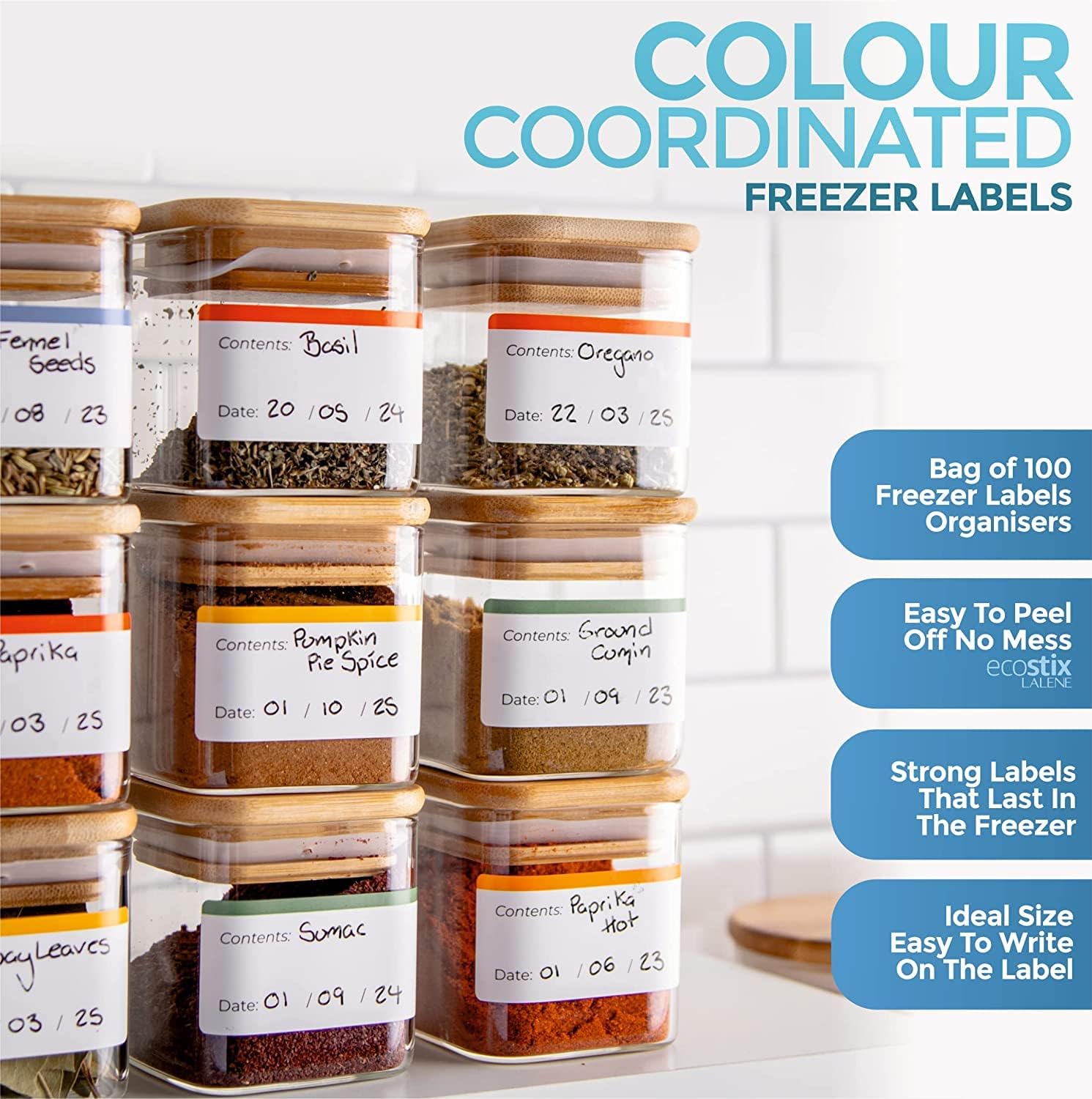
Color-Coding Labels
I use these to organize my liquor cabinet. A specific color for rums, another for whiskeys, helps me find what I need at a glance.
Check Price on Amazon
Reusable Food Storage Bags
While not for rum itself, these are great for storing cocktail garnishes like dehydrated citrus wheels in the pantry.
Check Price on Amazon
Precision Pro Vacuum Sealer
An advanced tool for preserving cocktail ingredients like infused syrups or shrubs, keeping them fresh for much longer.
Check Price on AmazonSources & Transparency
This information is based on established principles of distilling and spirits science. Food safety information is cross-referenced with guidelines from agencies like the CDC. For more ideas, see our main Food Storage Blog.
Whiskey and rum are both spirits — but opened whiskey has a slightly shorter quality window due to oxidation. Tequila follows almost the same rules as rum — the sugar content is the main difference in shelf life. Bourbon lovers often ask the same questions as rum drinkers — here’s how they compare on storage.
Last updated:
Update Log
- — Article completely rewritten and expanded with a focus on rum. Added interactive table, visual charts, and new sections on the science of oxidation and advanced storage techniques.


 By
By