
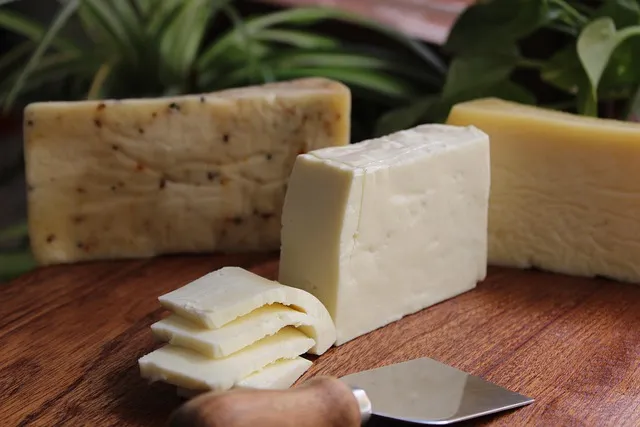
The best way to store cheese is to wrap it in cheese paper or parchment paper rather than tight plastic wrap, and keep it in the vegetable crisper or cheese drawer of a refrigerator at 40°F or below. Unopened hard cheese keeps for months, but once opened it keeps 3 to 4 weeks, and soft cheese 1 to 2 weeks (USDA FoodKeeper).
There’s nothing quite like a good piece of cheese, but there’s also nothing more disappointing than finding your expensive cheddar has turned into a dry, moldy brick. Cheese is a living food, and it needs to breathe to stay fresh. Unfortunately, the most common storage method, tight plastic wrap, is often not the best one.
Knowing how to store cheese properly is the key to preserving its flavor and texture, preventing waste, and getting the most out of every dollar you spend. This guide covers the right way to wrap cheese, the best spot in your fridge, how long every type lasts, freezing, mold and how to tell when cheese has gone bad.
How to Store Cheese
Cheese is a product of fermentation, full of living bacteria and enzymes that continue to develop over time. It keeps releasing moisture, and cheeses with a white rind, such as brie, also give off ammonia. Good storage lets the cheese release that moisture without drying out. The best method uses two layers: a breathable first layer and a protective second layer.
Step 1: The Breathable Wrap
The ideal material for wrapping cheese is cheese paper, which has a porous plastic layer and a waxy paper layer. A simple and effective alternative is parchment or wax paper. Wrap your piece of cheese in the paper, folding the ends over neatly as if you were wrapping a gift. This layer wicks away excess moisture while still allowing the cheese to breathe.
Step 2: The Protective Layer
After wrapping, place the cheese in a partially sealed plastic bag or a dedicated cheese storage container. This second layer keeps the cheese from drying out and protects it from other smells in the fridge. Write the date you opened it on the bag, so you always know how long it has been in there.
Why Not Tight Plastic Wrap?
Wrapping cheese too tightly in plastic wrap can trap moisture against the surface, which can make the rind damp and the cheese sweaty. Parmesan is an exception: its makers suggest a closed container or food-grade plastic film, see how to store Parmesan. This is about quality more than safety: for safety, what matters most is keeping cheese cold, at 40°F or below (USDA FSIS).
Where to Store Cheese in the Fridge
Keep your whole refrigerator at 40°F or below; that is the limit the USDA gives for keeping cold food cold. Within the fridge, two spots work best for cheese:
- A meat and cheese drawer, if your fridge has one. The USDA notes that these drawers are designed to provide an optimal storage environment for meat and cheese (FSIS, Refrigeration & Food Safety).
- The vegetable crisper drawer. It is more humid and more sheltered than the open shelves, which helps wrapped cheese keep its moisture.
Wherever you put it, keep cheese wrapped and away from strong-smelling foods, because it picks up odors easily.
How Long Does Cheese Last?
It depends on the type. Hard cheese keeps for months while it is unopened, but only 3 to 4 weeks once opened. Soft and fresh cheeses keep one to two weeks. The table below gives the official times.
Cheese Storage Times by Type
These are the storage times of the USDA FoodKeeper, for a refrigerator at 40°F or below. Times count from the day you buy the cheese, unless a separate time after opening is given.
| Cheese | In the fridge | After opening | In the freezer |
|---|---|---|---|
| Hard cheese (cheddar, Swiss, block Parmesan) | 6 months | 3 to 4 weeks | 6 months |
| Soft cheese (brie, goat cheese) | 1 to 2 weeks | 6 months | |
| Shredded cheese (cheddar, mozzarella) | 1 month | 3 to 4 months | |
| Grated Parmesan | 12 months | Not recommended | |
| Processed cheese slices | 3 to 4 weeks | Not recommended | |
| Cream cheese | 2 weeks | Not recommended | |
| Cottage cheese | 2 weeks | 1 week | Not recommended |
| Ricotta | 2 weeks | 1 week | Not recommended |
Feta, fresh mozzarella and blue cheese have no separate entry in the FoodKeeper. For those, follow the date on the package, and use the mold rules further down this page.
What about the date on the package? According to the USDA, a “best if used by” date is about quality, not safety: a product that has been handled properly should still be safe after that date until it shows signs of spoilage (FSIS, Food Product Dating). The key words are “handled properly”: kept cold and not left out.
Can You Freeze Cheese?
Yes. Freezing cheese is safe: according to the USDA, food kept constantly at 0°F will always be safe. But not every cheese is worth freezing. The USDA FoodKeeper gives these freezer times: hard cheese 6 months, shredded cheese 3 to 4 months and soft cheese such as brie 6 months. It does not recommend freezing cream cheese, cottage cheese, ricotta, grated Parmesan or processed cheese slices.
Wrap cheese tightly for the freezer, in portions you will use at once, and thaw it in the refrigerator.
What Happens When You Freeze Cheese?
Freezing does not make cheese unsafe, but it changes the texture. Ice crystals form inside the cheese and damage its structure, so after thawing most cheeses are more crumbly than before. That is why frozen cheese is best for cooking, melting or grating, and not for a cheese board. Hard cheese for grating and shredded cheese for cooking handle the freezer best. Soft cheese such as brie can be frozen safely, but its creamy texture suffers most.
How to Tell If Cheese Has Gone Bad
The USDA describes the signs of spoiled food clearly. Throw cheese away if you notice any of these:
- An off odor, flavor or texture. Spoiled foods develop these through spoilage bacteria, and the USDA says such food should not be eaten (FSIS).
- An uncharacteristic odor or color, or a sticky or slimy surface (FSIS).
- Mold that is not part of the cheese. On hard cheese you can cut it away; on other cheeses you cannot. See the rules below.
Do not rely on your nose alone. The bacteria that make food go off are not the same as the bacteria that make people sick. According to the USDA, the bacteria that cause foodborne illness do not generally affect the taste, smell or appearance of food (FSIS). Cheese that smells fine can still be unsafe if it was left out too long or kept too warm. So stick to the times in the table, keep your fridge at 40°F or below, and never leave cheese out of the refrigerator for more than 2 hours, or 1 hour above 90°F (FSIS, Danger Zone).
One exception to the smell rule: a sharp ammonia smell on brie often comes from the living rind and wrapping it too tightly, not from spoilage. The brie guide explains what to do.
Can You Cut Mold Off Cheese?
Sometimes. The best way to prevent mold is proper wrapping and changing the paper every few days. When mold does appear, what to do depends on the cheese. The USDA Food Safety and Inspection Service is clear about it:
- Hard cheese (cheddar, Swiss, Parmesan): cut off at least 1 inch around and below the moldy spot, keeping the knife out of the mold itself, then re-wrap the rest in fresh paper. Mold generally cannot get deep into a hard cheese.
- Soft cheese (cream cheese, cottage cheese, goat cheese, Neufchâtel): throw it away. In a moist cheese, mold can spread below the surface, and bacteria can grow along with it.
- Shredded, crumbled or sliced cheese of any kind: throw it away.
- Brie and Camembert: the white rind is supposed to be there. Throw the cheese away if any other mold appears.
- Blue cheese (Roquefort, Gorgonzola, Stilton): the blue veins belong there. Surface mold on a firm blue cheese such as Gorgonzola or Stilton is cut away the same way as on hard cheese.
Cheese Storage Mistakes
- Wrapping cheese tightly in plastic. It can trap moisture and make the cheese sweaty. Use cheese paper or parchment first (Parmesan is the exception).
- Leaving cheese out too long. Serving cheese at room temperature is fine, but put it back within 2 hours, or 1 hour above 90°F.
- A fridge that is too warm. Above 40°F, bacteria grow faster. An inexpensive refrigerator thermometer shows the real temperature.
- Cutting mold off the wrong cheese. Cutting works only on hard cheese. Soft, shredded, crumbled and sliced cheese goes in the bin.
- Letting the knife touch the mold. The USDA advises keeping the knife out of the mold itself, so it does not spread to the rest of the cheese.
- Freezing the wrong cheese. Cream cheese, cottage cheese, ricotta, grated Parmesan and processed slices are not recommended for the freezer.
- Trusting the smell test. The bacteria that make people sick usually cannot be smelled. Go by storage time and temperature.
- Forgetting when you opened it. Hard cheese keeps 3 to 4 weeks after opening. A date on the wrapper takes away the guesswork.
Cheese Types
Every cheese has its own needs. These are the main types, with a link to the full guide where there is one.
Brie and Camembert
Soft cheeses with a living white rind. They need breathable wrapping and keep 1 to 2 weeks in the refrigerator (FoodKeeper). Read the full guide: how to store brie, including freezing, the ammonia smell and how long brie can be left out.
Parmesan
A block of Parmesan is a hard cheese: 6 months unopened, 3 to 4 weeks after opening, and 6 months in the freezer. Grated Parmesan keeps 12 months in the refrigerator, but freezing it is not recommended (FoodKeeper). Read the full guide: how to store Parmesan.
Hard and Aged Cheese (Cheddar, Gouda, Gruyère)
Firm cheeses are the most forgiving. The FoodKeeper names cheddar and Swiss as examples of hard cheese: 6 months unopened, 3 to 4 weeks after opening, 6 months in the freezer. Gouda and Gruyère are not listed separately. For more, see storing hard cheese like cheddar and gouda.
Mozzarella
Shredded mozzarella keeps 1 month in the refrigerator and 3 to 4 months in the freezer (FoodKeeper). Fresh mozzarella has no separate FoodKeeper entry: follow the date on the package, and treat it as a soft cheese when it comes to mold. Leftover pizza has its own rules: see how to store pizza leftovers. Read the full guide: how to store mozzarella, fresh and shredded.
Cream Cheese
Cream cheese keeps 2 weeks in the refrigerator, and the FoodKeeper does not recommend freezing it. Keep it sealed, and throw it away if mold appears. Cream cheese in a dessert follows its own rules: see how to store cheesecake. Read the full guide: how to store cream cheese, including what Philadelphia says about opened cream cheese.
Feta
Feta has no FoodKeeper entry: follow the date on the package, and keep an opened block covered in its brine. Crumbled feta with mold goes in the bin, like all crumbled cheese. Read the full guide: how to store feta cheese.
Goat Cheese
Soft goat cheese falls under soft cheese in the FoodKeeper: 1 to 2 weeks in the refrigerator, 6 months in the freezer. With mold, throw it away. Read the full guide: how to store goat cheese, from fresh logs to aged wheels.
Cottage Cheese and Ricotta
Both keep 2 weeks in the refrigerator, and 1 week after opening (FoodKeeper). Freezing is not recommended, and with mold they go in the bin. Read the full guide: how long ricotta lasts, including the water on top. For cottage cheese, see how long cottage cheese lasts after opening.
Blue Cheese
The blue veins are part of the cheese. Blue cheese has no FoodKeeper entry: follow the date on the package. Surface mold on a firm blue cheese is cut away like on hard cheese; soft blue cheese with other mold is thrown away.
For milk, butter, yogurt and eggs, the dairy and egg storage guide has the official times in one place.
My Kitchen Toolkit: Gear for Serious Cheese Lovers
Proper cheese storage is a craft, but the right tools make it incredibly simple. These are a few of my favorite products for keeping cheese fresh, organized, and ready to enjoy at a moment’s notice.
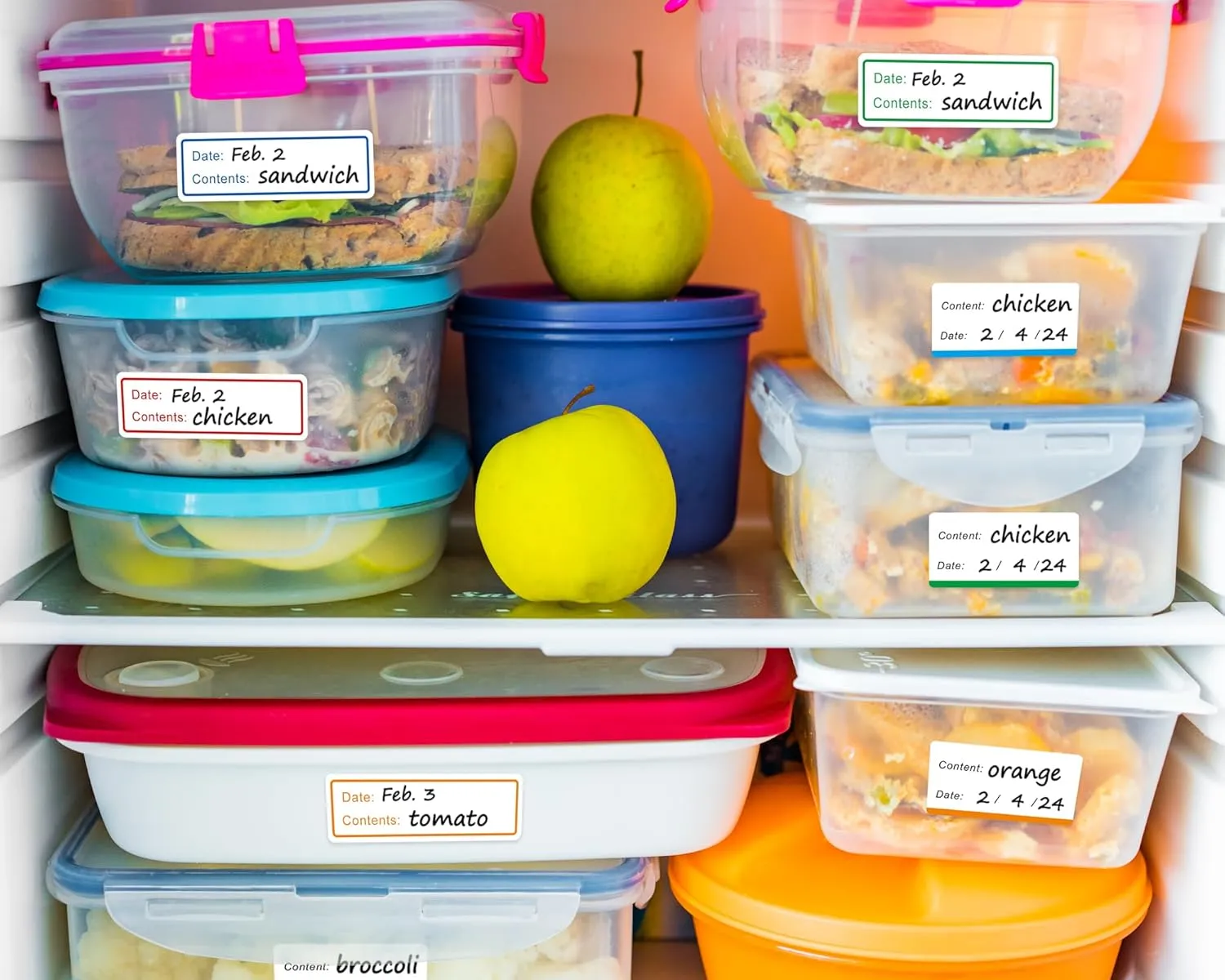
Removable Food Labels
Essential for any cheese lover! Label your wrapped cheese with the type and the date you bought it. These labels stick well in the fridge but peel off without a fuss.
Check Price on Amazon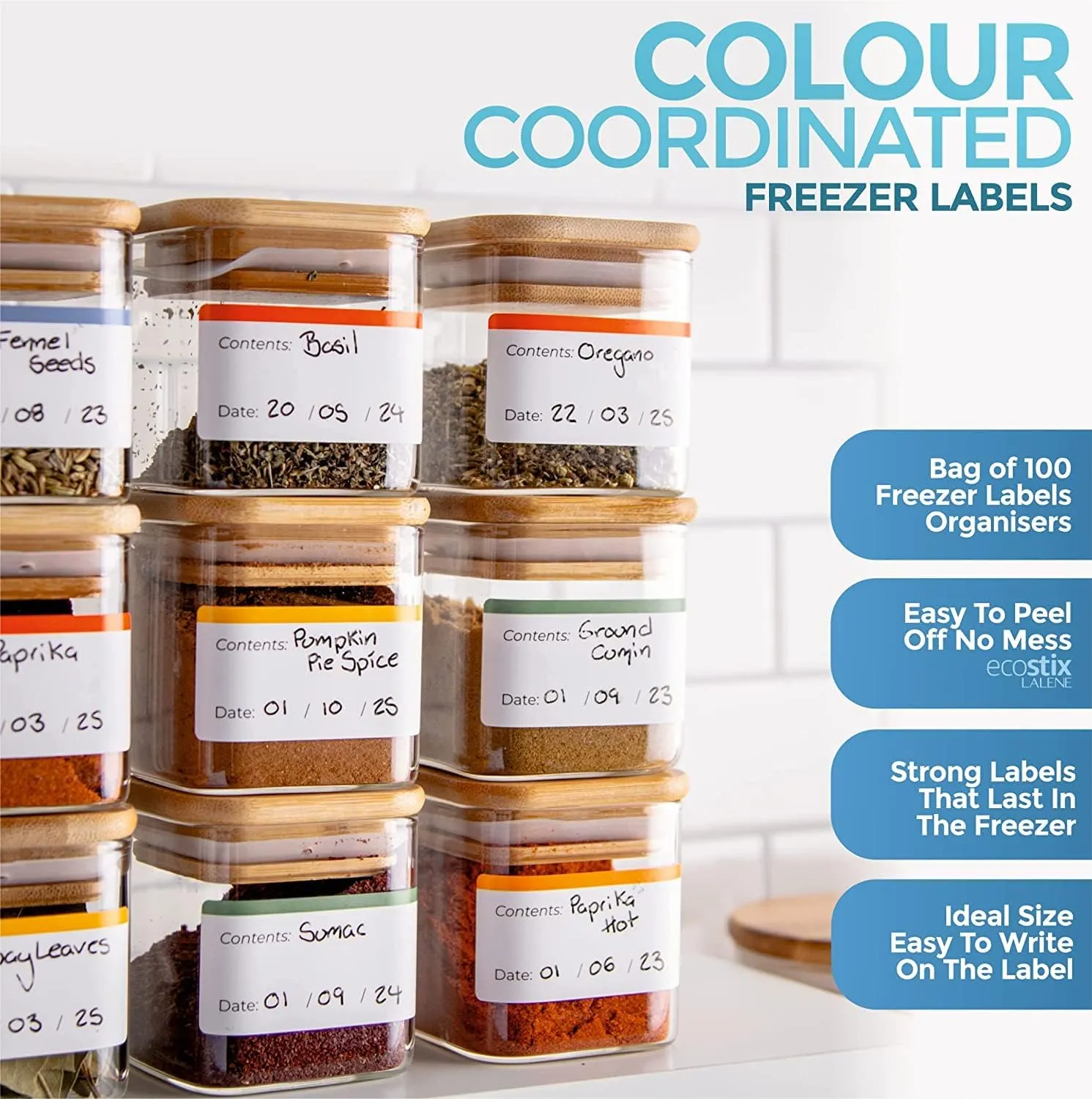
Color-Coding Labels
I use these to quickly identify cheese types in my crisper drawer. Blue for blue cheese, yellow for cheddar, etc. It’s a simple trick that makes finding what you want so easy.
Check Price on Amazon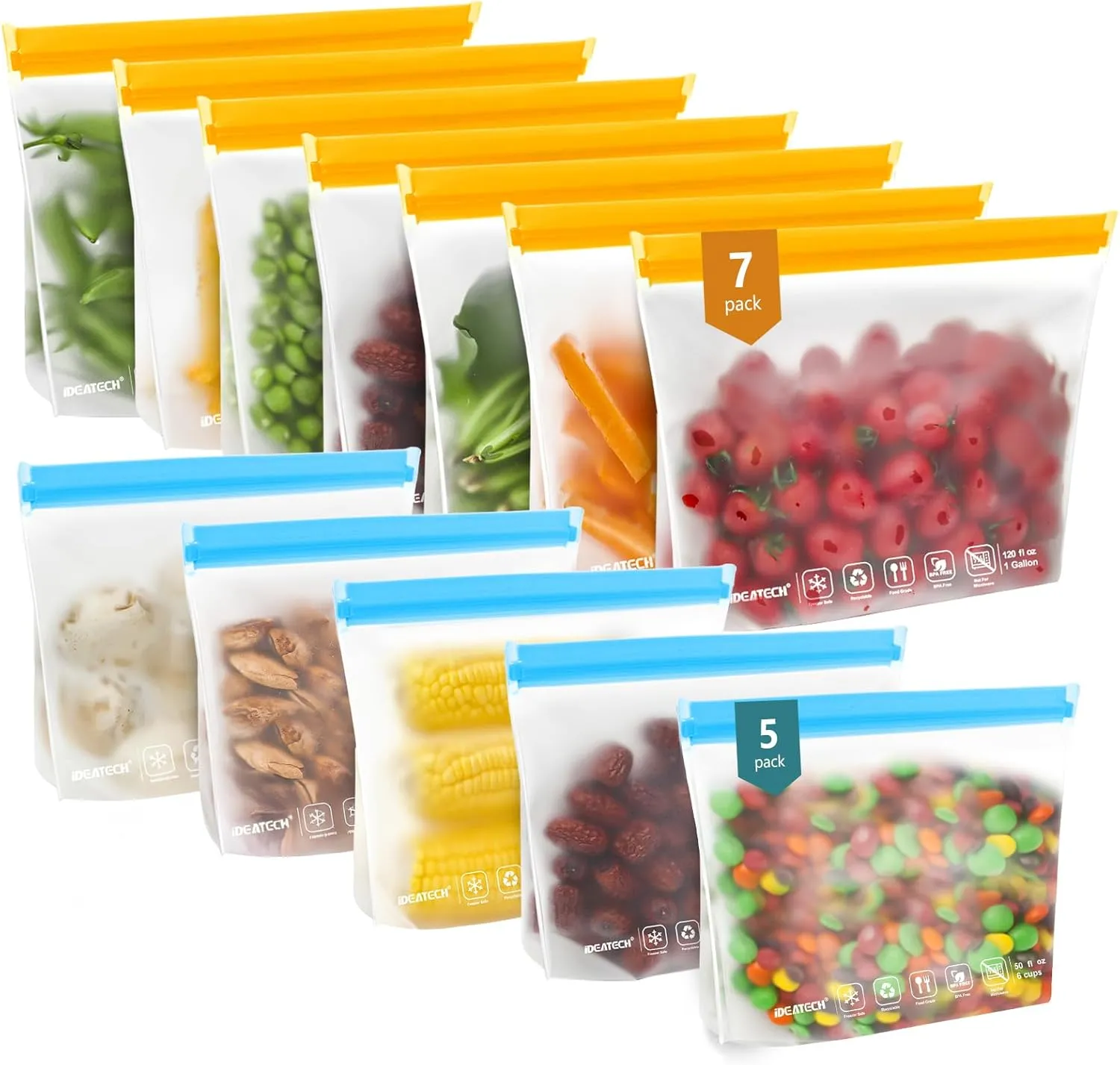
Reusable Food Storage Bags
These are the perfect second layer for your paper-wrapped cheese. They’re a sustainable alternative to disposable plastic bags and create a great humidity barrier.
Check Price on Amazon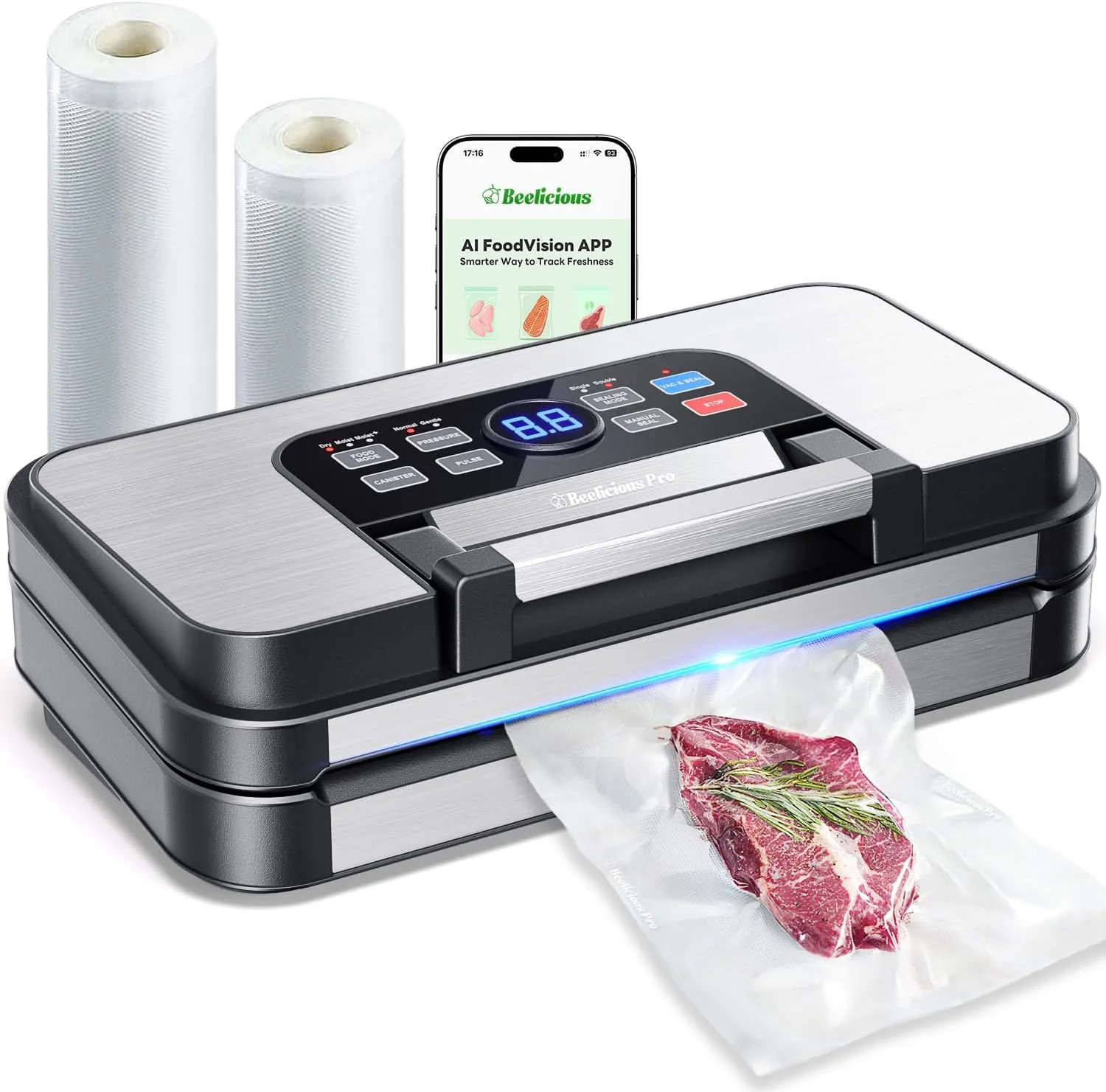
Vacuum Sealer
For very hard cheeses like Parmesan, a vacuum sealer is a handy tool. Removing the air helps keep the cheese from drying out.
Check Price on AmazonYour Cheese Storage Questions, Answered
What is the best way to store cheese?
Wrap it in cheese paper or parchment paper, then place it in a partially sealed plastic bag or a cheese container. Keep it in the crisper drawer, or in a meat and cheese drawer if your fridge has one, at 40°F or below.
Is plastic wrap bad for cheese?
Tight plastic wrap can trap moisture and make cheese sweaty, so cheese paper or parchment is usually the better first layer. Parmesan is an exception: its makers suggest a closed container or food-grade plastic film. It is a question of quality: for safety, keeping cheese cold matters most.
How long does cheese last in the fridge?
It depends on the type. According to the USDA FoodKeeper, hard cheese such as cheddar or a block of Parmesan keeps 6 months unopened and 3 to 4 weeks after opening. Soft cheese such as brie keeps 1 to 2 weeks, cream cheese 2 weeks, and cottage cheese and ricotta 1 week after opening.
Can you freeze cheese?
Yes, and it stays safe, but the texture suffers, so frozen cheese is best for cooking. The USDA FoodKeeper gives hard cheese 6 months in the freezer and shredded cheese 3 to 4 months, and does not recommend freezing cream cheese, cottage cheese, ricotta or grated Parmesan.
How can you tell if cheese has gone bad?
Throw it away if it has an off odor, flavor or texture, an unusual color, a sticky or slimy surface, or mold that is not part of the cheese (except on hard cheese, where mold can be cut away). Smell is not a safety test: the bacteria that cause illness usually cannot be smelled, so go by storage time and temperature.
Can you cut mold off hard cheese?
Yes, on hard cheese such as cheddar, Swiss or Parmesan. The USDA says to cut off at least 1 inch around and below the moldy spot, keep the knife out of the mold itself, and re-wrap the cheese in fresh wrap; mold generally cannot get deep into a hard cheese. Soft cheese, and shredded, crumbled or sliced cheese of any kind, should be thrown away.
How long can cheese sit out?
Follow the USDA limit for perishable food: no more than 2 hours at room temperature, or 1 hour above 90°F. That certainly applies to soft and fresh cheeses such as brie, cream cheese and mozzarella. Taking cheese out 30 to 60 minutes before serving is well within the limit. (USDA FSIS)
Your Cheese Storage Cheat Sheet
The four most important rules for keeping your cheese delicious.
Paper First
Action: Wrap cheese in parchment or cheese paper first.
Result: Lets the cheese breathe and helps prevent a sweaty surface.
Cold and Covered
Action: Keep wrapped cheese in the crisper or cheese drawer, at 40°F or below.
Result: The right humidity and a safe temperature.
Handle Mold Smartly
Action: Cut mold off hard cheese (at least 1 inch around and below). Throw away soft, shredded, crumbled and sliced cheese.
Result: Safely salvage expensive hard cheeses.
Serve at Room Temp
Action: Take cheese out of the fridge 30-60 minutes before serving, and back within 2 hours.
Result: Full flavor and aroma, safely.
Our Process & Sources
The storage and freezer times on this page come from the USDA FoodKeeper. The mold rules come from the USDA Food Safety and Inspection Service, as do the rules for freezing, food left at room temperature, refrigeration, package dates and signs of spoilage. The wrapping advice follows the way cheese shops store cheese.
Last updated: