
Store coffee beans in an opaque, airtight container at room temperature in a cool, dark pantry. This protects them from the four things that destroy flavour: oxygen, moisture, heat, and light. The fridge is a poor spot for coffee you use every day. The freezer can work, but only with one specific method, which most people get wrong.
- Best location: Opaque airtight container, cool dark pantry: peak flavour for 2–4 weeks
- Fridge: not for daily use: coffee picks up moisture and odors (National Coffee Association)
- Freezer: Only in single-dose vacuum-sealed portions you will not reopen
- Ground coffee: Goes stale in 1–2 weeks even in an airtight container: grind just before brewing
The fridge feels like the logical place: it keeps everything else fresh. For coffee it’s not that simple. Unlike oranges, which genuinely benefit from fridge humidity, coffee beans are porous and absorb moisture and odors. The National Coffee Association says there are “differing views” on refrigerating coffee, and that if you do, you should use a truly airtight container.
The freezer debate is more nuanced. The answer is not yes or no: it is conditional on a method that most home storage articles either get wrong or skip entirely. See also how to store honey, another pantry item that people over-complicate by refrigerating when room temperature is clearly superior.
Opaque airtight container, cool dark pantry: peak flavour 2–4 weeks when stored correctly. Whole beans still good for 2–3 months when stored correctly. Ground coffee: 1–2 weeks. Fridge: not for daily use. Freezer: only in vacuum-sealed single-dose portions you will not repeatedly open. Buy in small quantities, grind just before brewing, and label with the roast date, not the purchase date. See also how to store opened prosecco for another beverage where oxygen is the primary flavour enemy and the same seal-immediately logic applies.
Why coffee goes stale (oxygen is the real cause)
Freshly roasted coffee beans are packed with volatile aromatic compounds: the molecules responsible for the complex flavours and aromas that make good coffee worth drinking. These compounds are chemically unstable. Once the roasted bean is exposed to oxygen, a process called oxidation begins degrading them immediately. There is no way to stop this, only slow it.
Four things accelerate oxidation and staling: oxygen contact (the primary driver), moisture (dissolves soluble flavour compounds before brewing and accelerates chemical breakdown), heat (speeds up all chemical reactions), and light (UV radiation breaks down aromatic compounds directly). Every storage decision you make for coffee is essentially a decision about how well you are blocking these four factors.
Fresh roasted beans also off-gas CO2 for 24–72 hours after roasting: this is why very freshly roasted coffee (within 24 hours of roast) can taste sour or underdeveloped. The degassing period is not a storage problem; it is part of the process. Beans are typically at their flavour peak between 4 days and 3 weeks after the roast date. The roast date is the number to track, not the purchase date.
The correct storage method: what actually works
Opaque airtight canister
Peak flavour 2–4 weeks when stored correctly. Blocks all four staling factors. Buy in small quantities, use within the window. This is the correct method for 99% of home coffee drinkers.
Freezer (single-dose)
Extends freshness for months when stored correctly. Works only if you freeze in individual portions and take out one dose at a time without returning the container to the freezer. Most people do this wrong.
Refrigerator
Not for daily use. The National Coffee Association warns about moisture, odors and condensation; if you do refrigerate, use a truly airtight container. The USDA FoodKeeper gives opened ground coffee 1 month in the fridge in an airtight container.
The container matters more than the location
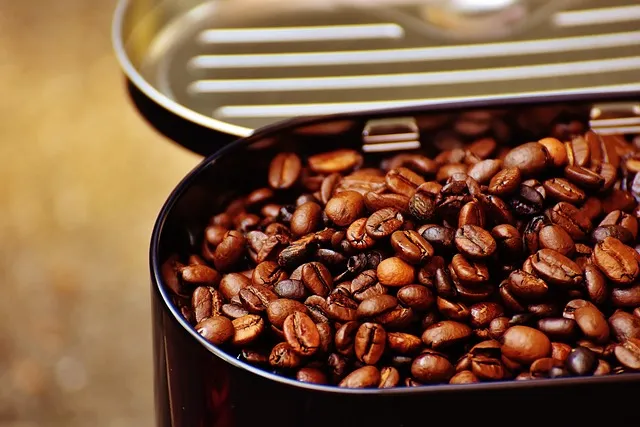
Most people focus on where to put the coffee: pantry vs counter vs fridge. The container choice matters more than the exact location. A clear glass jar on a dark pantry shelf is significantly worse than an opaque ceramic canister on the counter, because light exposure degrades the beans even through brief daily exposure. The container requirements in order of importance:
- Airtight seal: a rubber or silicone gasket that creates a genuine seal, not just a lid that sits on top
- Opaque material: ceramic, metal, or dark-tinted glass; clear glass or clear plastic is not suitable
- Right size: a container that matches your typical purchase quantity, so it is nearly full (less headspace = less trapped oxygen)
Specialty coffee canisters with active vacuum pumps (like Airscape or Fellow Atmos) are the gold standard: they actively remove oxygen from the headspace each time you close them. A well-sealed ceramic or metal tin with a gasket is nearly as effective and costs a fraction of the price.
Location within the pantry
Any cool, dark, dry location works. Keep the container away from the hob: heat radiates from burners even when not in use and the area above and beside the hob runs significantly warmer than the rest of the kitchen. Keep away from windows. The back of a pantry or a kitchen cabinet is ideal. The counter is fine if it is away from the hob and out of direct light.
Why the fridge is a poor spot for daily coffee
The fridge feels intuitively correct: cold slows deterioration of almost everything else. The National Coffee Association names the problems with coffee: it absorbs moisture, odors and tastes, and condensation can build up in the fridge.
Every time you take a cold container of coffee out of the fridge, warm ambient air contacts the cold surface of the container and the cold beans. Water vapour in the air condenses onto the beans: the same process that makes a cold glass sweat on a warm day. This moisture absorbs into the porous bean surface and begins the hydrolytic staling process immediately. The beans go from cold to room temperature within a few minutes of grinding, so daily trips in and out of the fridge add moisture (my explanation of the condensation problem the NCA mentions).
The second problem is odour absorption. Coffee beans are phenomenally efficient at absorbing airborne compounds: this is actually why coffee grounds are sometimes used as a fridge deodoriser. Left in a fridge environment, the same porous structure that makes coffee flavourful will pull in the smell of last night’s dinner, cheese, onion, or whatever else is in the fridge.
“If I use a sealed airtight container, the fridge is fine for coffee.”
A truly airtight container is what the National Coffee Association asks for if you do refrigerate coffee, and the USDA FoodKeeper calls it “critical” for ground coffee in the fridge. It helps against odors. It doesn’t stop cold beans from meeting warm air each time you open it, which is why room temperature in an opaque, airtight canister is still the simpler choice for daily coffee (my advice).
The freezer debate: the honest answer
The freezer question divides coffee communities more than almost any other storage topic. The honest answer: freezing works, but almost no one does it correctly.
At freezer temperature, oxidation and staling essentially stop. A vacuum-sealed portion of coffee beans kept at 0‑°F will retain flavour compounds for months: some specialty coffee roasters freeze green beans and roasted single-origins for long-term preservation with excellent results. The science supports freezing as a preservation method.
The problem is the condensation mechanism described above, multiplied. A frozen container of coffee taken out of the freezer will have significant condensation form on both the container surface and the beans if the container is opened at room temperature. The beans will absorb that moisture before you have even closed the lid.
The only correct freezer method
- Portion into single doses immediately: each portion should be exactly one brewing session’s worth of beans (typically 15–20g for espresso, 25–30g for a full cafetiere).
- Vacuum seal each portion individually. Removing all air is essential: a regular zip-lock bag with squeezed-out air is a distant second to a vacuum-sealed bag.
- Label with the roast date and portion number.
- Freeze immediately: do not refrigerate first.
- When using: take out one portion only. Leave it sealed at room temperature for 20–30 minutes to equilibrate before opening. This allows the beans to warm up before the seal is broken, preventing condensation inside the bag.
- Never return a thawed portion to the freezer. Once a portion has been opened, use it immediately.
If you are not willing to follow all six steps, freezing will make your coffee worse, not better. For daily home use, the airtight room-temperature canister is the simpler and more reliable answer.
My own kitchen test: pantry canister vs fridge vs counter bag, 3 weeks
One test in my own kitchen (March 2026), not a lab study. The official times follow below.
I bought one 250g bag of the same single-origin Ethiopian beans and split them three ways: a third in an opaque ceramic canister in the pantry, a third in an airtight jar in the fridge, a third in the original bag clipped shut on the counter.
At day 7: All three groups brewed reasonably well. Pantry canister slightly brightest aroma. Fridge jar no noticeable off flavours yet. Counter bag noticeably flatter than the canister.
At day 14: Counter bag: clearly stale: flat, slightly cardboard aftertaste. Fridge jar: faint fridge smell detectable in the cup, slight bitterness not present in week one. Pantry canister: still vibrant, fruit notes intact, no off flavours.
At day 21: Counter bag: undrinkable without significant sweetener. Fridge jar: off-flavours clear. Pantry canister: noticeably past peak but still a perfectly drinkable cup with good aroma.
In my kitchen, the fridge jar was worse than the pantry canister at every point after day 10, and the counter bag failed earliest.
How long coffee stays fresh, by storage spot
The National Coffee Association gives these times for opened coffee in an airtight container: roasted beans 1 to 3 weeks at room temperature, about 2 weeks in the fridge, 3 to 4 months in the freezer, and ground coffee 1 to 2 weeks at room temperature. Unopened packages: until the best-by date.
The USDA FoodKeeper gives longer, quality-based times: whole beans 3 to 5 months in the pantry; opened ground coffee (non-vacuum) 2 weeks in the pantry, 1 month in the fridge and 6 to 12 months in the freezer.
Shelf life at a glance
| Coffee type | Storage method | Peak flavour | Still drinkable |
|---|---|---|---|
| Whole beans | Opaque airtight canister, cool dark pantry | 2–4 weeks after roast | 2–3 months when stored correctly |
| Whole beans | Original bag, clipped, counter | 1–2 weeks | 4–6 weeks (declining quality) |
| Whole beans | Vacuum-sealed portions, freezer | 3 to 4 months (NCA) | Quality slowly declines after that |
| Whole beans | Airtight container, fridge | About 2 weeks | Not for daily use (NCA); truly airtight |
| Ground coffee | Opaque airtight canister, pantry | 1–2 weeks | 1 month (significantly flatter) |
| Ground coffee | Original bag or open container | 3–5 days | 2–3 weeks (noticeably stale) |
Ground coffee vs whole beans (why it matters)
Grinding a coffee bean multiplies its surface area by approximately 10,000 times compared to the whole bean. That exponential increase in exposed surface means oxidation and staling happen at a dramatically accelerated rate. A freshly opened bag of quality whole beans has a measurable flavour advantage over pre-ground coffee bought on the same day, and the gap widens every day after that.
The single most impactful thing you can do for coffee quality is to buy whole beans and grind them immediately before brewing. Even a basic burr grinder makes a significant difference. Ground coffee kept in an airtight pantry canister still goes noticeably stale within 1–2 weeks. Whole beans in the same conditions stay at peak flavour for 2–4 weeks. That is a doubling of useful freshness from one change in habit.
“The fridge feels right, but for daily coffee, room temperature, opaque and airtight is simpler.”
Six rules for keeping coffee beans fresh longer
Opaque material blocks light degradation. A genuine gasket seal blocks oxygen. Both matter. A clear jar on a dark shelf is still worse than an opaque tin on the counter: brief daily light exposure adds up.
Coffee hits peak flavour 4 days to 3 weeks after the roast date. Supermarket coffee with no roast date printed is usually months old before it reaches the shelf. Buy from roasters who print the roast date.
Buying a 1kg bag to save money costs you flavour. The savings on bulk coffee do not compensate for 6 weeks of staling. A 250g bag used within 3 weeks tastes better than a 1kg bag used over 2 months.
Grinding multiplies surface area by ~10,000x. Even the best storage cannot compensate for grinding days in advance. A basic burr grinder bought once pays back in flavour every single day.
Temperature differential between cold beans and warm room air creates condensation on the beans every time you open the container. Daily use means daily moisture damage. If you refrigerate anyway, the National Coffee Association says to use a truly airtight container. More on common food storage mistakes.
Take one portion out of the freezer, leave it sealed at room temperature for 20–30 minutes to equilibrate, then open. This prevents condensation inside the bag. Never return a thawed portion to the freezer.
How coffee compares to other pantry and beverage storage
Coffee is unusual among pantry items in that the fridge is a poor fit for daily use rather than a help. Most dry goods benefit from cool temperatures, but daily coffee doesn’t, because of moisture and condensation. Understanding this exception makes the room-temperature rule easier to remember.
Beverage and pantry storage: fridge vs room temperature at a glance
A practical breakdown of the freezer debate, why airtight matters more than location, and the single-dose method explained: the most honest coffee storage video I have found.
Handy for coffee storage
Simple tools that make the biggest practical difference for keeping beans fresh.
Removable Date Labels
Label your coffee canister with the roast date, not the purchase date. The roast date is the number that tells you where you are in the freshness window. Peel off cleanly, no residue.
View on AmazonColor-Coding Labels
If you keep multiple coffees open at once, an espresso blend and a filter roast, for example, colour coding prevents confusion and makes it easy to track which bag needs using first.
View on AmazonReusable Silicone Freezer Bags
For the single-dose freezer method. Airtight, reusable, and flat: portion your beans into individual doses, squeeze out air, seal, and freeze. Each dose stays sealed until equilibrated at room temperature.
View on AmazonVacuum Sealer
The correct tool for freezing coffee beans properly. Removes all oxygen before sealing: eliminating the primary staling mechanism during freezer storage. Pays for itself quickly if you buy coffee in bulk.
View on AmazonAs an Amazon Associate I earn from qualifying purchases, at no extra cost to you.
Whole coffee beans stay fresh for 2 to 4 weeks after roasting when stored in an airtight, opaque container at room temperature, away from heat and light. Tea and coffee beans share the same enemies: moisture, direct light and strong food odours from nearby storage. Iced coffee made from freshly roasted beans tastes noticeably different to coffee made from beans that are several weeks past their roast date. Other aroma-sensitive pantry items like chocolate can absorb coffee smells if stored too close, so keep them in separate airtight containers.
Questions people actually ask
In an opaque, airtight container at room temperature in a cool, dark pantry or cupboard. This protects the beans from oxygen, moisture, heat, and light: the four things that cause staling. Buy in 2–4 week quantities, grind just before brewing, and track the roast date on the label. See how honey storage compares: another pantry item that is frequently over-complicated by unnecessary refrigeration.
Not for daily use. The National Coffee Association says coffee absorbs moisture, odors and tastes and that condensation can build up in the fridge; if you do refrigerate it, use a truly airtight container. The USDA FoodKeeper gives opened ground coffee 1 month in the fridge in an airtight container. For daily coffee, an opaque, airtight canister at room temperature is simpler.
Yes, but only if you do it correctly. Portion beans into individual single-dose amounts, vacuum seal each portion, and freeze. When using, take one portion out and leave it sealed at room temperature for 20–30 minutes before opening: this equilibrates the temperature and prevents condensation inside the bag. Never return a thawed portion to the freezer. Done this way, the National Coffee Association gives frozen beans 3 to 4 months. Done wrong, repeatedly opening a large bag from the freezer, it makes coffee significantly worse.
Whole beans are at peak flavour for 2–4 weeks after the roast date when stored correctly in an opaque airtight container. After that, quality declines gradually: they remain drinkable for 2–3 months when stored correctly but progressively lose complexity. Ground coffee goes stale in 1–2 weeks even in a good airtight container. The roast date is the number to track, not the purchase date, which may be weeks after roasting.
Coffee does not spoil in a way that makes it unsafe: it goes stale. Staling is caused by oxidation of volatile aromatic compounds and hydrolytic breakdown of flavour acids. The result is flat, bland, or bitter coffee with none of the complexity of the original roast. Proper storage slows this process but cannot stop it. Mould can form if coffee gets damp, so keep it dry.

Marleen is a HACCP-certified food safety practitioner and founder of FreshStorageTips.com. She tests some storage methods in her own kitchen and checks the rest against USDA, FDA and university extension sources.