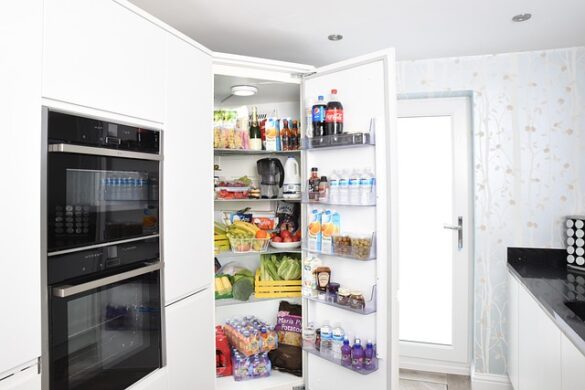
The Beverage Preservation Manual: Lock in Flavor & Freshness
It's the taste of disappointment. The opened bottle of wine that's gone dull, the fresh juice that's lost its vibrancy, or the milk that's turned sour days before you expected. Improper beverage storage doesn't just waste money; it ruins the experience of a perfectly good drink.
On this page:

This manual is your definitive resource to end that waste. We provide the science-backed protocols for everything you drink, from knowing how long opened milk lasts in the fridge to the correct way to store coffee beans. These are the methods I've perfected through hands-on testing, driven by the mission I share in my story.
Dairy & Juice Preservation
For perishables like milk and juice, temperature control is everything. We'll show you the ideal spot in your fridge and how to tell if almond milk has gone bad before you taste it. We also tackle common questions like "can you freeze orange juice for later?" and the best methods for storing homemade smoothies without browning.
Coffee, Wine & Soda Solutions
The rules change for shelf-stable items. Knowing how to store opened red wine correctly can save a bottle, while understanding the best way to keep coffee beans fresh preserves their precious oils. Even learning how to prevent soda from going flat has a science to it. These principles of preventing oxidation and contamination are just as important as they are for our fruit and meat protocols.
Explore our specific beverage preservation guides below. Click any drink to get the definitive steps for locking in its flavor, freshness, and quality.
Marleen latest advice how to keep your beverage fresh
The Core Principles of Beverage Preservation
The freshness of any liquid is a battle against three invisible enemies: oxygen, light, and temperature. Understanding how to defeat them is the key to making every drink last as long as possible, a practice supported by food safety leaders like the FDA.
Defeating the Enemies of Flavor
These factors are responsible for 99% of beverage spoilage.
- Oxygen (Oxidation): This is the #1 enemy of wine, coffee, and fresh juice. It flattens flavors and causes a stale taste. The solution is always an airtight seal.
- Light (Photodegradation): UV light breaks down the chemical compounds in beverages like wine and olive oil, creating "off" flavors. This is why they are often sold in dark bottles.
- Temperature: Heat accelerates chemical reactions, causing spoilage. For perishables like milk, it also encourages bacterial growth. A stable, cold environment is crucial.
The Milk Safety Clock
Milk is highly perishable and requires strict handling. The "sell-by" date is a guide for stores, but the real clock starts the moment you open the carton.
- The 7-Day Rule: Once opened, most cow's milk is safe for up to 7 days if your refrigerator is at or below 40°F (4°C).
- Plant-Based Milks: Almond, soy, and oat milk often last slightly longer, typically 7-10 days after opening. Always check the packaging.
- The Door is the Worst Spot: Never store milk in the refrigerator door. It's the warmest part of the fridge due to constant opening.
The Carbonation Challenge: How to Keep Soda Fresh
The fizz in soda is dissolved carbon dioxide (CO2). Once opened, that gas immediately tries to escape. To slow it down, screw the cap on as tightly as possible immediately after pouring to keep the pressure high inside the bottle. Storing the bottle cold also helps, as CO2 escapes more slowly from cold liquids. While many gadgets claim to preserve fizz, a tight-fitting original cap is your best defense.
By mastering these core principles, you gain complete control over the quality and safety of every drink in your home, ensuring the last sip is as good as the first.