How to Store Parmesan Cheese (and Stop Wasting That Expensive Wedge)
To store Parmesan cheese, remove it from plastic and wrap it in parchment or cheese paper, then loosely in foil. Keep it in the refrigerator crisper drawer for 1-2 months. For long-term storage, freeze grated Parmesan for up to 6 months. Never use tight plastic wrap, as it traps moisture and causes mold.

We’ve all committed the cheese crime. You buy a beautiful, expensive wedge of real Parmigiano-Reggiano. You use it once, then wrap it tightly in plastic wrap and toss it in the fridge. A few weeks later, you find a sad, sweaty, and slightly slimy block with the first signs of green mold. It’s a tragedy for your wallet and your pasta night.
Here’s the secret: Parmesan isn’t like a block of cheddar. It’s a living, breathing piece of history that has been aged for years. Suffocating it in plastic is the fastest way to ruin it. Storing this “King of Cheeses” is about respect. It’s about understanding that it needs to breathe. Once you learn the simple, professional way to wrap and store it, you’ll never waste another precious, pricey wedge again.
The Science of a Hard Cheese: Why Parmesan is Different
To understand how to store Parmesan, you need to know why it’s so special. Real Parmigiano-Reggiano is a hard, granular cheese that has been aged for a minimum of one year, and often much longer. This long aging process does two critical things:
- It Removes Moisture: A huge amount of water evaporates during aging, making the cheese very hard and dense. This low moisture content is a natural defense against spoilage and mold.
- It Develops Flavor: Enzymes break down the fats and proteins, creating complex, nutty, savory flavors and those delightful little crunchy bits called tyrosine crystals (they are not salt!).
Because it’s so dry, its main enemies aren’t the same as a soft cheese. It’s not going to “go bad” quickly. Instead, its enemies are **moisture from the outside** (which causes mold) and **drying out too much** (which makes it rock-hard).
Visual Comparison: Wrapping Method Effectiveness
This chart shows how different wrapping methods perform at preserving Parmesan’s flavor and texture in the fridge.
Why Your Parmesan Deserves Respect
What the Video Shows About This Expensive Cheese
To really appreciate why we should store this cheese carefully, it helps to see the incredible effort that goes into making it. The video from Business Insider takes you inside a dairy in Parma, Italy.
It reveals the amazing facts behind a single wheel of Parmigiano-Reggiano:
- It takes 131 gallons of milk to make just one wheel.
- It must age for at least one year, and often much longer.
- It can only be made in a small, protected region of Northern Italy.
When you realize a single wheel can cost over $1,000, you understand that the wedge in your fridge is a little piece of a very big investment. This context is a key part of our broader look at food storage.
Interactive Parmesan Storage Breakdown
Use this table to find the right method for your situation. Filter by the form of the cheese or search for a specific need.
| Scenario | Best Method | Duration | Key Action |
|---|---|---|---|
| Cut Wedge of Parmesan | Refrigerator (Crisper) | 1-2 months | Wrap in parchment, then loosely in foil. |
| Freezing Grated Parmesan | Freezer | Up to 6 months | Use directly from freezer for pasta. |
| Freezing a Block | Freezer | Up to 6 months | Texture becomes crumbly; best for grating. |
| The Hard Rind | Freezer | 1+ year | Save it for flavoring soups and sauces. |
| Small Mold Spot | Cutting Board | N/A | Cut off at least 1 inch around the mold. |
The Freezer: A Surprisingly Good Option
For many cheeses, the freezer is a texture-destroying nightmare. But because Parmesan is so hard and low in moisture, it freezes remarkably well.
Freezing can make a block of Parmesan slightly more brittle and crumbly, so it might not be ideal for creating perfect shavings for a salad. However, for its most common use—grating—it’s perfect.
The Best Way to Freeze Parmesan:
- Grate It First: The most convenient method is to grate the entire wedge. Place the grated cheese in a heavy-duty freezer bag. Because it’s so dry, it won’t clump together. You can simply scoop out what you need directly from the freezer.
- Freezing a Block: If you prefer to freeze a block, cut it into smaller, more manageable portions. Wrap each piece tightly in plastic wrap, then place them all in a freezer bag.
Label the bag with the date. Frozen Parmesan is best used within 6 months. This labeling practice is a key part of safe food storage, as recommended by The National Center for Home Food Preservation.
Your Parmesan Storage Cheat Sheet
A quick reference for the most common situations.
| If you have… | Your Best Action | The Result |
|---|---|---|
| A new wedge from the store | Unwrap from plastic, re-wrap in parchment and foil, store in the fridge crisper. | A happy, breathing cheese that lasts for months. |
| More cheese than you can use | Grate it and store it in a freezer bag in the freezer. | Ready-to-use Parmesan for up to 6 months. |
| A small spot of mold | Cut off at least one inch around and below the mold. | The rest of the hard cheese is perfectly safe to eat. |
| The hard, leftover rind | Toss it in the freezer and add it to your next soup or sauce. | An incredible boost of savory, umami flavor for free! |
My Toolkit for Cheese and Pantry Staples
Keeping specialty items like Parmesan fresh, especially when freezing, is much easier with the right gear.

Removable Food Labels
Essential for labeling your frozen Parmesan with the date. It ensures you use it while it’s still at its peak quality.
Check Price on Amazon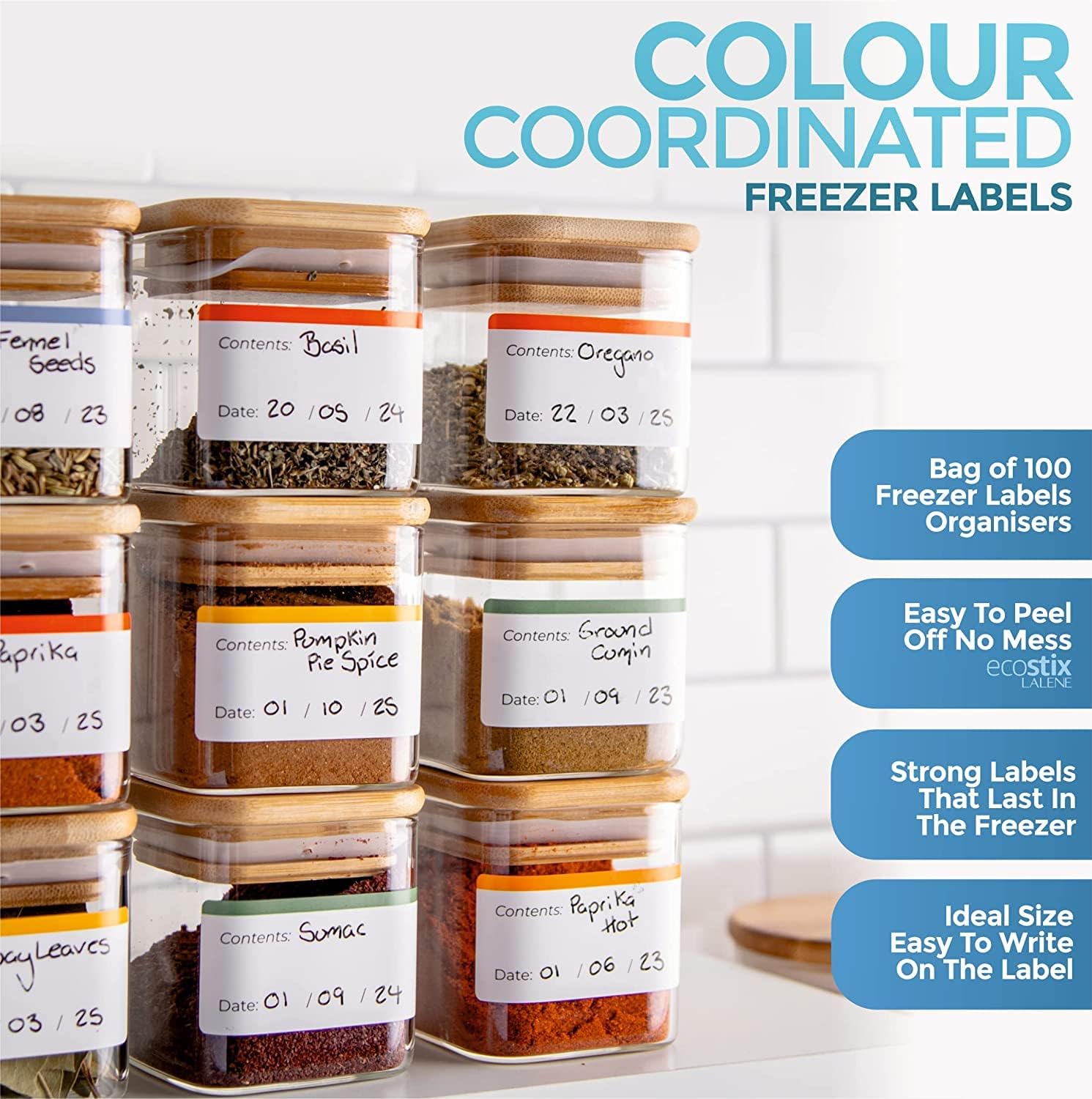
Color-Coding Labels
I use these to organize my freezer. A specific color for cheeses means I can find that bag of grated Parmesan in a flash.
Check Price on Amazon
Reusable Food Storage Bags
An eco-friendly way to store your grated Parmesan in the freezer, providing an excellent airtight seal against freezer burn.
Check Price on Amazon
Precision Pro Vacuum Sealer
For the ultimate protection, you can vacuum seal a wedge of Parmesan before freezing to make it completely immune to freezer burn.
Check Price on AmazonSources & Transparency
This information is based on established principles of cheesemaking and food science. Food safety information regarding mold on hard cheeses is cross-referenced with guidelines from agencies like the FDA. For more ideas, see our main Food Storage Blog.
Hard cheeses like parmesan sit at the opposite end of the spectrum from soft ones. Brie is the hardest cheese to store correctly — it needs humidity and breathable wrapping rather than the dry environment that suits parmesan. For a full breakdown covering all varieties, the cheese storage guide explains which wrapping method works best for each type. Other aged cheeses follow principles very similar to parmesan — but the exact humidity and wrap differ by variety.
Last updated:
Update Log
- — Article completely rewritten and expanded to over 1,500 words with a focus on Parmesan cheese. Added interactive table, visual charts, and new sections on the science of hard cheese and using the rind.