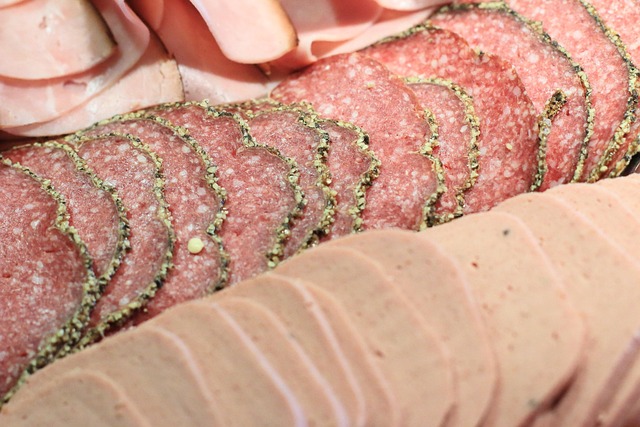
How to Store Deli Meat (Counter Sliced vs Pre-Packed: Very Different Rules)
Counter sliced deli meat lasts just 3 days in the fridge. Pre-packed deli meat lasts up to 2 weeks unopened. Once you open a pre-packed package, the clock resets — treat it like counter sliced and use it within 3 to 5 days. Always store in an airtight container in the coldest part of your fridge, never in the deli paper it came in.
 By
By I once bought a large amount of counter sliced turkey on sale and stored it in the deli paper in the fridge, assuming I had a week to use it. By day four it was slimy and had to go in the bin. The problem was not the turkey — it was that I did not know counter sliced and pre-packed meat have completely different shelf lives and storage rules.
This distinction matters for food safety. Counter sliced deli meat has no preservatives, has been exposed during slicing, and is specifically flagged by food safety agencies as higher risk…, and lasts just 3 days. Pre-packed factory-sealed meat contains preservatives and lasts up to 2 weeks unopened. Using the same rules for both is one of the most common causes of foodborne illness at home. If you are also storing bacon, the rules there are slightly more generous — but the same principle of airtight storage applies.
Counter sliced: 3 days in the fridge, airtight container. Pre-packed unopened: up to 2 weeks. Pre-packed opened: 3 to 5 days. Never leave deli meat at room temperature for more than 2 hours. Freezer: 1 to 2 months, portioned and tightly wrapped. The deli paper is not suitable for fridge storage — transfer to an airtight container immediately.
Why deli meat spoils fast (and why the rules are strict)
Deli meat is cooked, processed, sliced, and handled — each step introduces an opportunity for bacteria to get in. Unlike a whole uncut piece of meat that has a natural surface barrier, sliced deli meat has an enormous exposed surface area where bacteria can multiply. Understanding the two main threats explains every storage rule below.
Listeria is the serious one. The CDC identifies deli meats as one of the highest-risk foods for Listeria monocytogenes — a bacterium uniquely dangerous because it grows at refrigerator temperatures. Most bacteria slow down in the cold. Listeria does not. This is why the timeline for deli meat is measured in days, not weeks, and why the rules for counter sliced and pre-packed are so different.
Slime is the quality signal. The slimy texture that develops on old deli meat comes from bacterial colonies forming a biofilm on the meat surface. By the time slime is visible, bacterial levels are already high enough to cause illness. Do not taste-test meat to decide if it is still good — if it is slimy, smells off, or has changed colour, discard it immediately.
Counter sliced vs pre-packed — the rules are not the same
Up to 2 weeks
Factory vacuum-sealing and preservatives extend shelf life significantly. Once opened, treat exactly like counter sliced — use within 3 to 5 days.
3 to 5 days
Once the seal is broken, preservative protection drops fast. Transfer to an airtight container and treat the same as counter sliced from this point.
3 days maximum
No preservatives, exposed during slicing, highest Listeria risk. Never store in deli paper. Transfer to an airtight container the moment you get home.
“If it does not smell bad, it is still safe to eat.”
This is one of the most dangerous food myths, and it is especially wrong for deli meat. The CDC notes that Listeria monocytogenes produces no detectable smell, taste, or visible change in the meat while it grows. A package of turkey that smells perfectly fine on day 6 can still carry Listeria at levels that cause serious illness. The 3-day rule for counter sliced meat exists precisely because you cannot rely on sensory checks alone.
Deli meat shelf life at a glance
| Situation | Method | How long | Notes |
|---|---|---|---|
| Counter sliced, fridge | Airtight container, coldest part of fridge | 3 days | No preservatives. Highest Listeria risk. Never store in deli paper. |
| Pre-packed, unopened | Original sealed packaging, fridge | Up to 2 weeks | Check use-by date. Do not open until needed. |
| Pre-packed, opened | Airtight container, fridge | 3 to 5 days | Transfer from original packaging immediately. Preservative protection drops once opened. |
| Any deli meat, room temp | Serving only | 2 hours maximum | USDA food safety limit for all perishable proteins. Discard anything left out longer. |
| Frozen deli meat | Portioned, tightly wrapped, freezer bag | 1 to 2 months | Thaw overnight in fridge. Turkey may be slightly watery — still safe to eat. |
What to do once you open a package
The moment you open a package of pre-packed deli meat, the clock resets. The modified atmosphere inside the sealed packaging — usually a mix of nitrogen and carbon dioxide that inhibits bacterial growth — escapes immediately. From this point the meat behaves exactly like counter sliced meat and should be eaten within 3 to 5 days.
Do not put the remaining slices back in the original packaging and fold the top over. The original package is not resealable in any meaningful way. Transfer the unused meat to an airtight container or a heavy-duty resealable bag, squeeze out the air, and return it to the coldest part of the fridge. This single step is the biggest difference between meat that lasts 3 days and meat that lasts 5.
Keep deli meat away from cheese and other ready-to-eat foods in separate containers. Cross-contamination is a real risk with any meat product, and the USDA recommends storing raw and processed meats on the lowest shelf of the fridge to prevent drip contamination onto other foods.
My test: airtight container vs folded original packaging, same counter sliced turkey
I bought 200g of counter sliced turkey and split it into two equal portions on the same day. One went into an airtight glass container. The other went back into the deli paper, folded over and placed in the fridge.
Both portions at day 2: Identical. No visible difference, no smell difference. Both fine to eat.
Deli paper portion at day 3: Slightly tacky surface. Not yet slimy but the texture had changed. Smell was still acceptable. I discarded it out of caution.
Airtight container portion at day 3: Still clean surface, normal texture, fresh smell. Ate it on day 3 with no issues.
Airtight container portion at day 4: Very slight tackiness beginning. Smell still fine but I discarded it. Within the 3 to 5 day USDA window but showing early signs of change.
The airtight container added at least one extra day of quality compared to the deli paper. For a food with genuine Listeria risk, that margin matters.
How to freeze deli meat correctly
The freezer is the right option when you buy a large amount of deli meat on sale or know you will not eat it within the safe fridge window. Most deli meats freeze well for 1 to 2 months. The key is portioning before freezing so you only thaw what you need, as recommended by the USDA FSIS.
Step 1: portion before freezing
Separate the meat into single-use portions — enough for one or two sandwiches. Freezing the whole pack means thawing everything at once and being back on the 3-day clock with more meat than you need. Small portions give you flexibility and reduce waste.
Step 2: wrap tightly to prevent freezer burn
Wrap each portion tightly in plastic wrap, pressing out any air pockets. For extra protection, place a small piece of wax or baking paper between individual slices before wrapping — this prevents them sticking together and lets you separate slices while still partially frozen. Then place the wrapped portions into a heavy-duty freezer bag and squeeze out as much air as possible before sealing. A vacuum sealer is even better if you have one.
Step 3: label and track
Label each portion with the type of meat and the date frozen. Deli meat keeps well for 1 to 2 months in the freezer — beyond that, texture and flavour begin to suffer even if the meat remains technically safe.
Thawing correctly
Thaw frozen deli meat overnight in the fridge — never on the counter, never in hot water. Counter thawing puts the outer layers of the meat back into the bacterial danger zone (40 to 140°F) while the centre is still frozen. Once thawed in the fridge, use within 3 to 5 days. Note that lower-fat meats like turkey may be slightly watery after thawing — this is normal and does not affect safety.
“Counter sliced meat and pre-packed meat are not the same product. Treating them the same is how food poisoning happens.”
Six rules that keep deli meat safe longer
The deli paper is not a storage container. The moment you get home, transfer counter sliced meat to an airtight container or resealable bag. This single step is the biggest quality difference you can make.
Counter sliced = 3 days. Pre-packed unopened = up to 2 weeks. Pre-packed opened = 3 to 5 days. Using the same rule for all three is the most common deli meat mistake.
The meat drawer or back of the bottom shelf is coldest. The door shelves and upper shelves are the warmest. Temperature consistency matters more for Listeria risk than it does for most other foods.
The USDA 2-hour rule applies to all perishable proteins. At a party or picnic, deli meat on a board at room temperature goes into the danger zone fast. Portion it out and keep the rest in the fridge.
Listeria produces no detectable smell. Meat can smell fine and still be unsafe after the 3-day window for counter sliced. Use a date label and follow the timeline, not just your nose.
If you cannot eat counter sliced meat within 3 days or pre-packed within the use-by window, freeze it in single-use portions immediately. Do not wait until day 2 to decide — freeze on the day of purchase.
How deli meat compares to other fridge proteins
Deli meat is one of the shortest-lived proteins in the fridge. Understanding how it compares to other common fridge items helps you plan your week and avoid waste. The key difference between deli meat and most other proteins is the Listeria risk — which makes the timelines here more than just quality guidelines.
Fridge protein storage comparison — timelines at a glance
A classic Italian sub is the ideal way to use counter sliced deli meat within the 3-day window — and a great reason to buy the right amount rather than too much.
What I use for deli meat storage
Simple tools that make a real difference for keeping deli meat fresh and safe.
Airtight Food Containers
The single most important tool for deli meat storage. Transfer counter sliced meat immediately from the deli paper into an airtight container to extend shelf life and block contamination.
View on AmazonRemovable Date Labels
Label your containers with the date you opened or purchased the meat. With a 3-day window for counter sliced, you cannot rely on memory. These peel off cleanly with no residue.
View on AmazonReusable Freezer Bags
For portioning deli meat before freezing. Squeeze the air out completely before sealing. Reusable and more airtight than standard zip bags for long-term freezer storage.
View on AmazonVacuum Sealer
Removes all air before freezing, eliminating freezer burn entirely. Extends frozen deli meat quality beyond the standard 2-month window. Worth it if you buy in bulk regularly.
View on AmazonAs an Amazon Associate I earn from qualifying purchases — at no extra cost to you.
Sliced deli meat lasts 3 to 5 days in the fridge once opened and should always be stored in an airtight container or tightly sealed bag. Bacon is also cured like most deli meats but lasts up to 7 days once opened because it is thicker and less processed. Whole cuts like steak last 3 to 5 days in the fridge, longer than sliced deli meat, because slicing increases the surface area exposed to air and bacteria. Other quick-spoiling proteins like hard-boiled eggs also last only 3 to 7 days in the fridge and follow the same use-it-fast rule as deli meat.
Questions people actually ask
3 days. Counter sliced meat has no preservatives and has been exposed during slicing. The USDA FSIS recommends using it within 3 to 5 days, but 3 days is the safer end of that window. Always store in an airtight container — never in the deli paper. See our guide on how to store bacon for comparison — cured meats follow similar but slightly more generous timelines.
3 to 5 days once opened. Before opening, an unopened factory-sealed package can last up to 2 weeks in the fridge thanks to preservatives and modified atmosphere packaging. The moment you open it, transfer unused slices to an airtight container and treat it like counter sliced from that point.
Yes, and it is the main reason the timelines for deli meat are stricter than for most other fridge foods. The CDC identifies deli meats as a high-risk food for Listeria — a bacterium that grows at refrigerator temperatures. Pregnant women, elderly people, and anyone immunocompromised should be especially careful and may want to avoid cold deli meat entirely or heat it until steaming before eating.
The three signs are slimy texture, sour or off smell, and discolouration such as graying or browning. If any of these are present, discard it immediately. Importantly, the absence of these signs does not guarantee safety — Listeria grows with no detectable smell or appearance change. Follow the date-based timelines and do not rely on sensory checks alone.
Yes. Portion into small amounts, wrap each tightly in plastic wrap, then place in a freezer bag with the air squeezed out. Label with the date. Keeps for 1 to 2 months. Thaw overnight in the fridge — never on the counter. Turkey and other lower-fat meats may be slightly watery after thawing but are still safe and good for sandwiches.