How to Store Honey the Right Way
The best way to store honey is in an airtight container at room temperature in a dark place like a pantry. Do not refrigerate it, as this will cause it to crystallize. If your honey does crystallize, simply warm the jar in a bowl of warm water to return it to a liquid state.
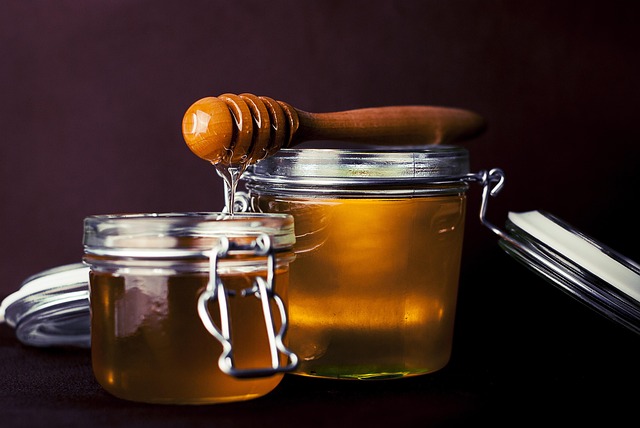
Honey is one of nature’s most amazing foods. It’s delicious, versatile, and famously, it almost never spoils. Archaeologists have even discovered pots of honey in ancient tombs that are thousands of years old and still perfectly edible! But just because it doesn’t go bad doesn’t mean its quality can’t decline.
Have you ever reached for a jar of honey only to find it’s a solid, crunchy block of crystals? Or noticed its flavor isn’t as vibrant as you remember? Learning **how to store honey** correctly is the key to preserving its perfect liquid texture and delicate flavors indefinitely. The good news is, it’s incredibly simple. This breakdown covers the science behind honey’s eternal shelf life and the easy steps to keep it just as nature intended.
The Science: Why Honey Lasts Forever
Honey’s incredible shelf life isn’t magic; it’s pure science. It has a trifecta of properties that make it an inhospitable place for bacteria and other microorganisms to grow.
- Low Moisture Content: Honey is a supersaturated sugar solution with very little water (typically less than 18%). Most bacteria need a much higher moisture level to survive and multiply, so they simply dehydrate and die in honey.
- High Acidity: Honey is naturally acidic, with a pH between 3.5 and 4.5. This acidic environment inhibits the growth of almost all spoilage-causing microbes.
- Natural Hydrogen Peroxide: Bees add an enzyme called glucose oxidase when they create honey. When honey is diluted slightly with water, this enzyme produces small amounts of hydrogen peroxide, which is a powerful antimicrobial agent.
This natural defense system is why honey is considered a non-perishable food by agencies like the FDA, as long as it’s stored correctly.
Visual Comparison: Honey Quality Over Time
While honey doesn’t spoil, storage conditions affect its quality. Here’s a look at what to expect.
The Best Way to Store Honey: Simple and Effective
Forget the refrigerator and any complicated tricks. The best method for **long term honey storage** is also the easiest.
- Keep it at Room Temperature: The ideal temperature for honey is between 70-75°F (21-24°C). A consistent temperature is key. A kitchen cupboard or pantry, away from the stove and other heat sources, is the perfect spot.
- Keep it in the Dark: Direct sunlight can degrade the quality of honey over time, causing it to darken and lose some of its delicate aromas and flavors.
- Keep it Airtight: This is the most important rule. Honey is hygroscopic, meaning it will absorb moisture from the air. If the moisture content rises above 18-20%, it can begin to ferment. Always make sure the lid on your honey jar is screwed on tight.
- Use the Original Container (Especially if it’s Glass): The container your honey came in is usually perfect for storage. Glass is the best material as it’s non-porous and creates a perfect seal.
My Kitchen Toolkit: For the Honey Connoisseur
While honey doesn’t require much, a few simple tools can make storing and serving it a cleaner, more enjoyable experience.

Glass Honey Pot with Dipper
A beautiful and practical way to keep honey on your counter for daily use. The lid keeps it protected, and the dipper prevents messy drips.
Check Price on Amazon
Wooden Honey Dippers
The classic tool for drizzling honey. The grooves hold the honey perfectly, giving you great control for adding it to tea, yogurt, or toast.
Check Price on Amazon
Airtight Glass Jars
If you buy honey in bulk or in a plastic container, transferring it to high-quality glass jars with a tight seal is the best way to ensure its longevity.
Check Price on Amazon
Food-Grade Squeeze Bottles
For easy, mess-free dispensing, especially for kids, a squeeze bottle is a great option. Just be sure to keep the cap clean and sealed.
Check Price on AmazonWhat to Do When Honey Crystallizes
Project: How to Fix Crystallized Honey
First things first: crystallized honey is not spoiled! It’s a completely natural process and a sign of high-quality, raw, or unfiltered honey. It happens when the glucose in the honey separates from the water and forms crystals. Fixing it is incredibly easy.
The video below shows the simple and gentle water bath method. All you need is your jar of honey and a bowl of warm water. This is a great way to make your honey perfect for drizzling over toast made with fresh bread. For more tips on keeping your baked goods fresh, check out our section on bakery storage.
Raw vs. Processed Honey: Does Storage Differ?
You’ll often see “raw” and “processed” (or pasteurized) honey at the store. While the storage rules are the same, their behavior can differ.
- Raw Honey: This is honey as it exists in the beehive, strained to remove debris but not heated or filtered. It contains beneficial pollen and enzymes. Because of the natural particles, **raw honey tends to crystallize faster** than processed honey. This is normal and a good sign!
- Processed Honey: Most commercial honey is heated (pasteurized) and ultra-filtered to remove pollen and air bubbles. This creates a clear, uniform product that stays liquid on the shelf for much longer, but it also removes some of the beneficial compounds.
Both types should be stored in the same way: in an airtight container in your pantry. Just be prepared to gently warm your raw honey from time to time if you prefer it in a liquid state.
Your Honey Storage Questions, Answered
Does honey ever go bad?
Properly stored honey does not spoil. Archaeologists have found pots of honey in ancient Egyptian tombs that are thousands of years old and still perfectly edible. Its low moisture content and acidic nature prevent bacteria and other microorganisms from growing.
What is the best way to store honey?
The best way to store honey is in an airtight container at a consistent room temperature (around 70-75°F or 21-24°C), away from direct sunlight and heat. A kitchen pantry or cupboard is ideal.
Should you refrigerate honey?
No, you should not refrigerate honey. The cold temperature will cause it to thicken and crystallize much faster. It’s perfectly safe and best kept at room temperature.
My honey turned solid and crystallized. Is it bad?
No, crystallized honey is not bad at all! It’s a natural process where the glucose separates from the water. To return it to a liquid state, simply place the jar in a bowl of warm (not boiling) water and stir gently until the crystals dissolve.
Is it better to store honey in a glass or plastic container?
Glass is the preferred container for long-term honey storage. It’s non-porous and provides a better seal, protecting the honey’s flavor and aroma. While BPA-free plastic is fine for short-term use, glass is the superior choice for keeping honey indefinitely.
Your Honey Storage Cheat Sheet
The four essential rules for keeping your honey perfect forever.
Keep it Airtight
Action: Always screw the lid on tightly after use.
Result: Prevents honey from absorbing moisture and odors from the air.
Pantry is Perfect
Action: Store at a consistent room temperature, away from heat and light.
Result: Preserves flavor and prevents unnecessary crystallization.
Never Refrigerate
Action: Keep honey out of the fridge.
Result: Avoids rapid, thick crystallization and keeps it easy to pour.
Embrace Crystals
Action: If it crystallizes, gently warm the jar in a bowl of warm water.
Result: Easily returns your honey to a smooth, liquid state without damaging it.
Our Process & Sources
This information is based on established food science from university extension programs like Penn State Extension and food safety principles from agencies like the CDC to provide the most accurate and reliable advice.
Pure honey never expires and can be stored at room temperature indefinitely in a sealed jar away from moisture and heat. Jam looks similar to honey in the jar but behaves completely differently once opened, lasting only 1 to 3 months in the fridge while honey needs no refrigeration at all. Other liquid sweeteners like maple syrup last about 1 year in the pantry unopened and must go into the fridge after opening, unlike honey. Other pantry staples like chocolate also hate temperature swings and should be kept in the same cool, dark spot as honey to prevent bloom and spoilage.
Last updated: