How to Store Yeast (and Tell If It’s Still Alive)
To store yeast, keep **unopened dry yeast** in a cool, dark pantry. Once opened, store **dry yeast** in an airtight container in the **freezer for up to a year**. Store **fresh cake yeast** in the **refrigerator for 1-2 weeks** or the freezer for 3 months. Always test questionable yeast by proofing it in warm water with sugar.
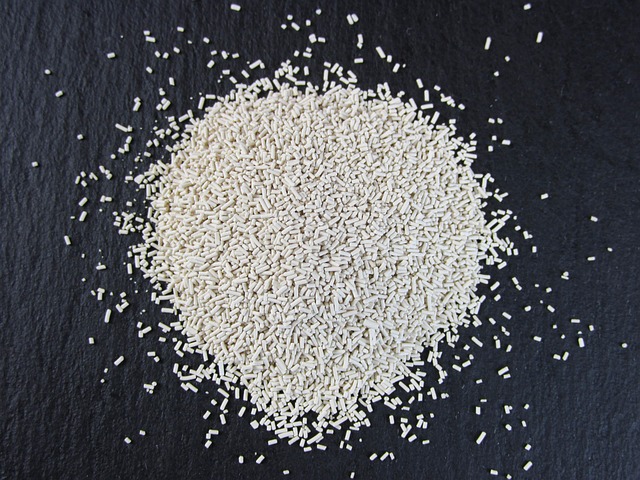
There’s nothing more heartbreaking for a baker than a flat loaf of bread. I’ve been there: you spend hours mixing, kneading, and shaping your dough with love, only to come back and find… nothing. Just a dense, sad lump that refuses to rise. It’s a deflating feeling, and 99% of the time, the culprit is your yeast.
Yeast isn’t just an ingredient; it’s a living organism. Think of it as a tiny, sleepy pet you keep in your pantry. If you don’t store it right, it won’t wake up to do its magical work. Learning how to store yeast properly is the single most important step to guarantee a perfect rise, every time. It’s the difference between a proud, beautiful loaf and a frustrating baking failure.
What Is This Living Thing in My Pantry?
Before we talk about storage, let’s understand what we’re dealing with. Yeast (*Saccharomyces cerevisiae*) is a single-celled fungus. When you buy it, it’s in a dormant, sleeping state. To wake it up, it needs three things:
- Food: It loves to eat sugar (either from sugar you add or from the starches in flour).
- Warmth: It’s most active in a comfortably warm environment, around 105-115°F (40-46°C).
- Moisture: It needs water to rehydrate and start its engine.
When yeast wakes up and eats, it burps out carbon dioxide gas. This gas gets trapped in the gluten network of your dough, creating thousands of tiny air pockets that cause the bread to rise. Our storage goal is simple: keep the yeast asleep and protected until we’re ready to wake it up for baking.
Visual Comparison: Yeast Lifespan by Storage Method
This chart shows the dramatic difference in how long your yeast will last depending on where you store it.
The Magic of Yeast in Action
What the Video Shows About Yeast’s Power
The video from King Arthur Baking beautifully illustrates why we go to the trouble of storing yeast correctly. It’s not just an ingredient; it’s the “magical” force that gives life to our baked goods.
The video highlights that this single-celled fungus is responsible for:
- The Rise: It’s the engine that inflates the dough, creating the light, airy texture we love in bread.
- Flavor Development: The fermentation process creates complex flavor compounds that give bread its wonderful, characteristic taste.
- Nutritional Benefits: The video also touches on how yeast can be a source of energy and support for our bodies.
Seeing that satisfying rise is the ultimate reward for proper storage, a key part of our entire section on bakery storage.
Interactive Yeast Storage Breakdown
Use this table to find the right method for your type of yeast. Filter by yeast type or search for a specific need.
| Yeast Type | Best Location | Duration | Key Action |
|---|---|---|---|
| Dry Yeast (Opened) | Freezer | 1+ year | Store in an airtight glass jar. |
| Dry Yeast (Unopened) | Pantry (Cool, Dark) | Until expiration date | Keep away from heat sources. |
| Fresh Cake Yeast | Refrigerator | 1-2 weeks | Wrap tightly in plastic wrap. |
| Fresh Cake Yeast (Freezing) | Freezer | Up to 3 months | Cut into portions before freezing. |
| Any Questionable Yeast | Bowl | 10 minutes | Proof in warm water with sugar. |
How to Proof Yeast (The 10-Minute Test for Life)
If you’re ever in doubt about your yeast, this simple test will save you from wasting ingredients on a failed recipe. It’s often called “proofing” or “blooming.”
- Get the Temperature Right: Pour about 1/4 cup of warm water into a small bowl. The ideal temperature is between 105-115°F (40-46°C). It should feel comfortably warm, like a baby’s bath—not hot.
- Feed It: Stir in a pinch of sugar. This is the snack your yeast will eat to wake up.
- Add the Yeast: Sprinkle about a teaspoon of your yeast over the water. Give it a quick, gentle stir.
- Wait and Watch: Set a timer for 10 minutes and walk away.
When you come back, you’re looking for signs of life. If the mixture is foamy, bubbly, and has expanded, and you can smell a distinct bread-like or beer-like aroma, your yeast is active and ready to go. If the water is still flat and lifeless, your yeast has passed on. It’s time to get a new batch.
Your Yeast Storage Cheat Sheet
A quick reference for the most common situations.
| If you have… | Your Best Action | The Result |
|---|---|---|
| An open jar of DRY yeast | Seal it tight and put it in the freezer. | Keeps it alive and potent for over a year. |
| A block of FRESH yeast | Wrap it tightly and store it in the fridge. | Stays fresh for up to 2 weeks. |
| Yeast near its expiration date | Perform the 10-minute proofing test before you bake. | You know for sure if it will work. No more guessing! |
| The three enemies of yeast | Avoid excessive heat, direct contact with salt, and moisture (for dry yeast). | Your yeast stays healthy and ready to bake. |
My Toolkit for Serious Bakers
When you start storing ingredients like yeast for the long haul, proper organization and protection are key.

Removable Food Labels
Essential for labeling your airtight yeast jar or frozen fresh yeast portions with the date you opened or froze them.
Check Price on Amazon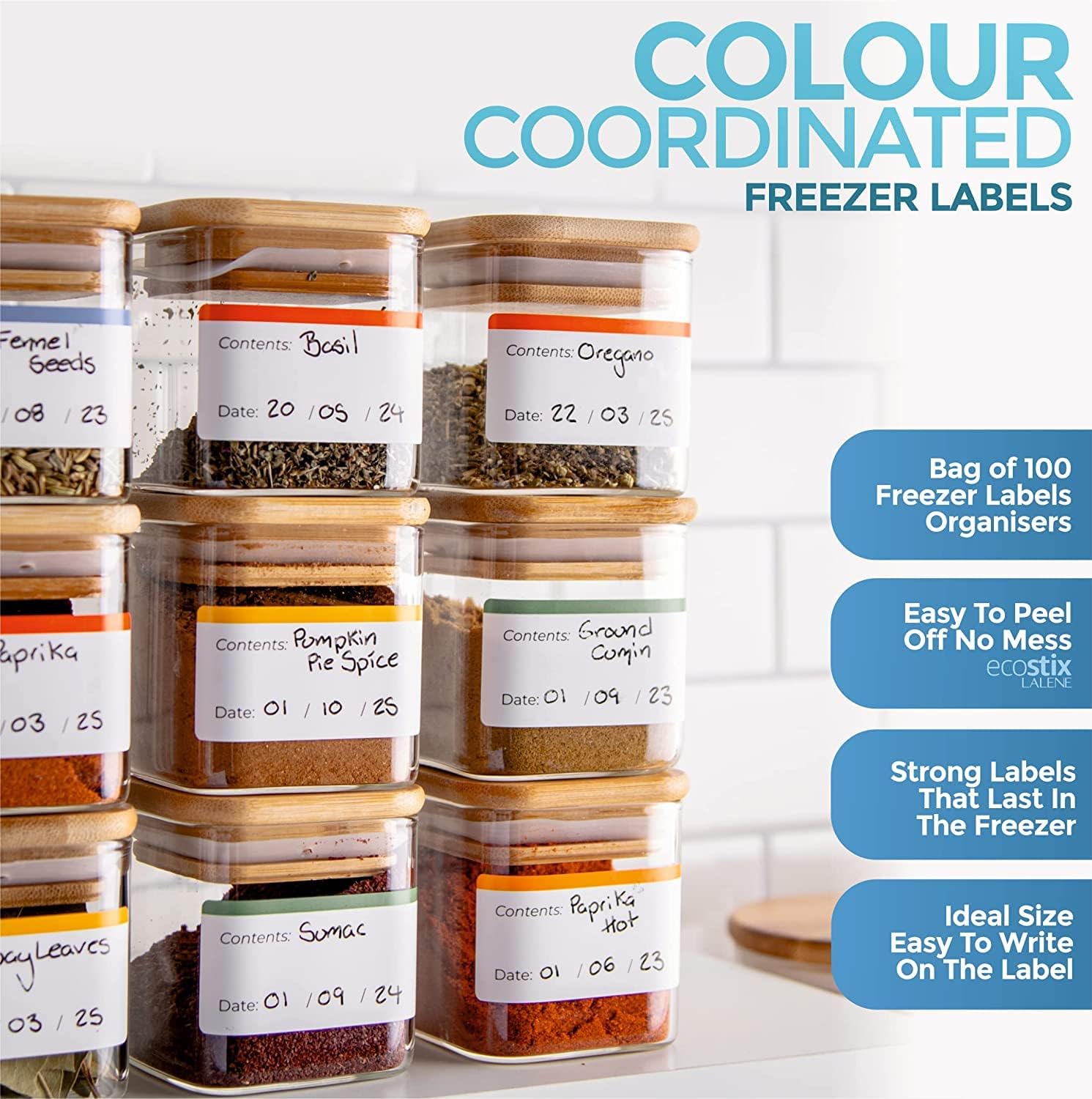
Color-Coding Labels
I use these to organize my freezer. A specific color for baking ingredients like yeast means I can find it instantly.
Check Price on Amazon
Reusable Food Storage Bags
An eco-friendly way to store your pre-portioned fresh yeast in the freezer, protecting it from freezer burn.
Check Price on Amazon
Precision Pro Vacuum Sealer
For the ultimate protection, vacuum sealing bulk dry yeast before freezing removes all air and moisture, maximizing its lifespan.
Check Price on AmazonSources & Transparency
This information is based on established principles of microbiology and baking science. Food safety information is cross-referenced with guidelines from agencies like the FDA. For more ideas, see our main Food Storage Blog.
Dried yeast lasts up to 2 years sealed in the pantry, 4 months in the fridge once opened, and up to 1 year in the freezer. Flour and yeast are baking partners and storing flour correctly is just as critical as keeping yeast alive. All-purpose flour lasts 6 to 12 months in an airtight container while whole wheat flour only lasts 1 to 3 months before the oils go rancid. If you make pancake batter with yeast, the yeast’s freshness directly determines how well the batter rises and how light the finished pancakes are. Good bread starts with live yeast so it is always worth doing a quick proofing test before you start baking.
Last updated:
Update Log
- — Article completely rewritten and expanded to over 1,500 words with a focus on yeast. Added interactive table, visual charts, and new sections on the science of yeast and how to test it.