How to Keep Flour Fresh and Bug-Free (The Right Way to Store It)
To keep flour fresh, transfer it from its paper bag into an airtight container. Store all-purpose flour in a cool, dark pantry for up to a year. Store whole wheat and nut flours in the refrigerator or freezer to prevent their oils from going rancid. To prevent bugs, freeze any new bag of flour for 48 hours before storing.
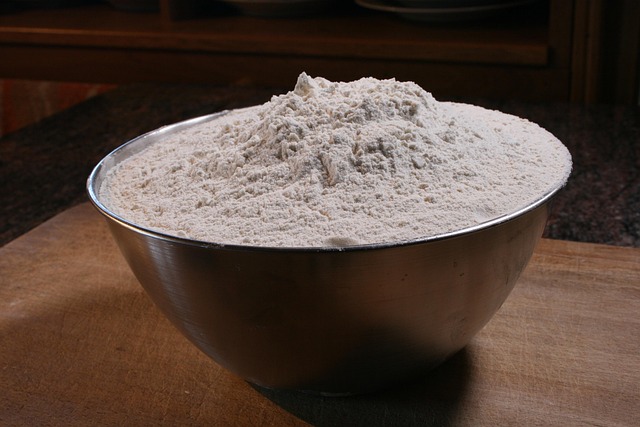
I was all set to bake a beautiful loaf of sourdough. I had my starter bubbling, my kitchen was warm, and my recipe was ready. I reached for my bag of whole wheat flour, opened it, and was hit with a smell like old, musty crayons. My baking plans came to a screeching halt. That rancid bag of flour taught me a lesson: flour is not the immortal pantry staple we think it is.
Flour is the foundation of so much of our baking, but we often treat it as an afterthought, leaving it in its flimsy paper bag in the back of the cupboard. This is an open invitation to its two greatest enemies: pantry pests and rancidity. Protecting your flour isn’t complicated, but it requires a change in strategy. Let’s walk through the right way to store it, so your baking projects always start with the freshest foundation. If you’re baking regularly, storing yeast correctly is just as important as keeping your flour fresh — both go stale faster than most bakers expect.
The Science of Spoilage: Why Flour Goes Bad
Not all flours are created equal, and their differences are the key to how they spoil. A wheat kernel has three parts: the starchy endosperm, the fibrous bran, and the nutrient-rich germ. The way these are processed determines the flour’s shelf life.
- All-Purpose (White) Flour: This is made from only the starchy endosperm. The bran and germ are removed. Because it contains virtually no oils, it is very stable and has a long shelf life. Its main enemy is absorbing moisture or becoming a home for pantry pests.
- Whole Wheat Flour: This is made from the entire wheat kernel — endosperm, bran, and germ. The germ is rich in oils, which are healthy but also prone to oxidation. When these oils are exposed to air and warmth, they go rancid, creating that unpleasant, bitter smell.
Think of it this way: white flour is like apple juice, and whole wheat flour is like a whole apple. The juice is processed and more stable, while the whole apple has more parts that can spoil over time.
Fresh flour is the first step to soft biscuits — stale flour leads to dense, dry results every time, no matter how good the rest of your recipe is.
Visual Comparison: Flour Lifespan by Storage Method
This chart shows the dramatic difference in how long your flour will last depending on where and how you store it.
Understanding Your Ingredient: How Flour is Made
What the Video Shows About the Milling Process
To understand why we store flours differently, it helps to see where they come from. The video from “How It’s Made” gives a fascinating look at the modern milling process.
The video highlights the key steps:
- Cleaning the Grain: The wheat is thoroughly cleaned to remove any impurities.
- Grinding and Sifting: The grains are passed through a series of rollers that break them apart. Sifters then separate the endosperm, bran, and germ.
- Creating Different Flours: For white flour, only the endosperm is used. For whole wheat, the separated bran and germ are blended back in.
This separation and recombination is exactly why the storage needs are so different. It’s a core concept for anyone serious about their bakery storage.
Interactive Flour Storage Breakdown
Use this table to find the right method for your type of flour. Filter by flour type or search for a specific need.
| Flour Type | Best Location | Duration | Key Action |
|---|---|---|---|
| All-Purpose, Bread, Cake Flour | Pantry (Airtight) | 6-12 months | Keep cool, dark, and sealed. |
| Whole Wheat, Rye, Spelt | Pantry (Airtight) | 1-3 months | Use quickly to avoid rancidity. |
| Whole Wheat, Rye, Spelt | Freezer (Airtight) | Up to 1 year | The cold stops oils from going bad. |
| Nut Flours (Almond, Coconut) | Freezer (Airtight) | Up to 1 year | High oil content; must be kept cold. |
| Any New Bag of Flour | Freezer | 48 hours | Kills any potential pantry pest eggs. |
The 48-Hour Freeze: Your Secret Weapon Against Bugs
Pantry pests like weevils and flour moths are a nightmare. Unfortunately, their eggs can sometimes be present in flour right from the store. The paper bags they come in are no match for them. But you have a secret weapon: your freezer.
As soon as you get home from the grocery store, put the entire, unopened bag of flour into your freezer. Leave it there for at least 48 hours.
The prolonged, deep cold will kill any adult insects, larvae, and eggs without harming the flour at all. After the 48-hour quarantine, you can take the bag out, let it come to room temperature, and then transfer it to your airtight container. This one simple step is the most effective way to prevent an infestation from ever starting. This preventative measure is a key principle of home food preservation, as supported by institutions like Penn State Extension.
Your Flour Storage Cheat Sheet
A quick reference for the most common situations.
| If you have… | Your Best Action | The Result |
|---|---|---|
| A new bag of ANY flour | Freeze it for 48 hours before storing. | Kills any hidden pest eggs. Peace of mind. |
| All-Purpose (White) Flour | Store in an airtight container in a cool, dark pantry. | Stays fresh for up to a year. |
| Whole Wheat or Nut Flour | Store in an airtight container in the freezer. | Prevents rancidity and stays fresh for a year. |
| Flour that smells “off” | Trust your nose and throw it out. | You save your baked goods from a bad flavor. |
My Toolkit for a Pest-Free Pantry
Keeping your flour fresh and bug-free is all about having the right storage. These are the tools I rely on to protect my baking ingredients.

Removable Food Labels
Essential for labeling your airtight flour containers with the type of flour and the date you bought it. No more guessing games!
Check Price on Amazon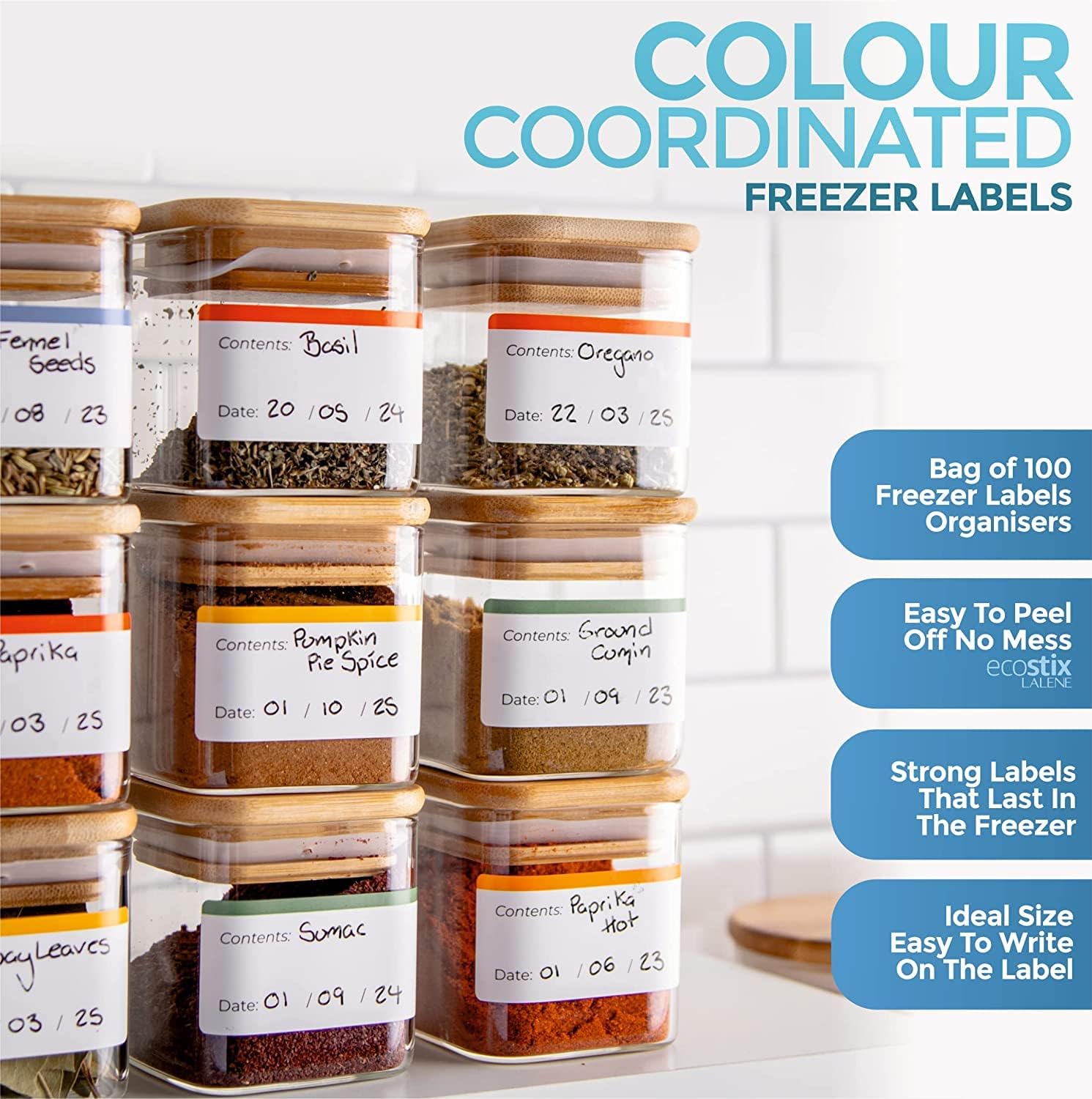
Color-Coding Labels
I use these to tell my all-purpose from my whole wheat and bread flour at a glance. It’s a simple trick that saves time and prevents mix-ups.
Check Price on Amazon
Reusable Food Storage Bags
Perfect for freezing smaller quantities of specialty flours like almond or rye. They provide an excellent airtight seal.
Check Price on Amazon
Precision Pro Vacuum Sealer
The ultimate weapon for long-term storage. Vacuum sealing whole wheat flour before freezing stops rancidity in its tracks.
Check Price on AmazonSources & Transparency
This information is based on established principles of food science and home baking. Food safety and pest control information is cross-referenced with guidelines from agencies like the CDC. Once baked, bread storage becomes the next challenge — here’s how to keep it fresh after the oven. For more ideas, see our main Food Storage Blog.
Last updated:
Update Log
- — Article completely rewritten and expanded to over 1,500 words with a focus on flour. Added interactive table, visual charts, and new sections on the science of rancidity and pest prevention.