How to Store Aged Cheese (and Stop Wasting That Expensive Wedge)
To store aged cheese, remove it from plastic and wrap it in parchment or cheese paper, then loosely in a clean cloth or foil. Keep it in the refrigerator crisper drawer for 3-4 weeks. For long-term storage, freeze grated cheese for up to 6 months. Never use tight plastic wrap, as it traps moisture and causes mold.
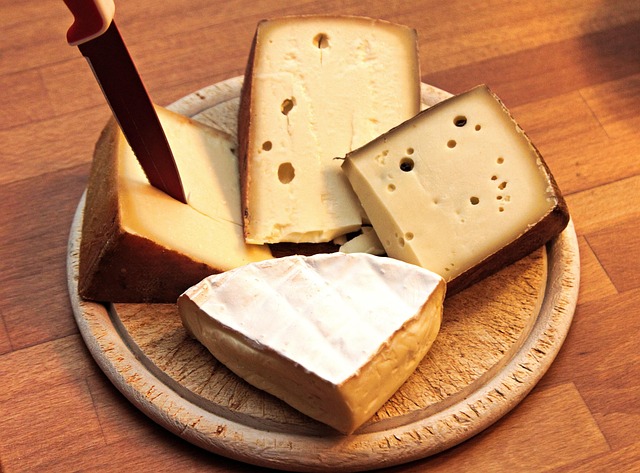
You’ve splurged on a beautiful wedge of aged cheese—maybe a sharp cheddar, a nutty Gouda, or a complex Gruyère. It’s the star of your cheese board. You use a little, then commit the cardinal cheese crime: you wrap the rest tightly in plastic wrap and shove it in the fridge. A week later, you find a sad, sweaty, slightly slimy block that’s lost all its character. It’s a tragedy I’ve seen too many times.
Here’s the secret: aged cheese is not a lifeless block. It’s a product of time and patience, and it’s still breathing. Suffocating it in plastic is the fastest way to ruin your investment. Storing this kind of cheese is about giving it the respect it deserves, and the right environment to stay glorious. Let’s walk through the right way to do it.
The Science of an Aged Cheese: Why It’s Not Like the Others
To understand how to store aged cheese, you need to know why it’s so different from, say, a fresh mozzarella. An aged cheese like a 12-month Gouda or a 2-year cheddar has gone through a long ripening process. During this time, two crucial things happen:
- Moisture Evaporates: The cheese loses a significant amount of water, becoming dense and hard. This low moisture content is a natural preservative and makes it much less prone to spoilage than soft cheeses.
- Flavor Develops: Enzymes and cultures break down the proteins and fats in the cheese. This creates the deep, nutty, savory flavors we love. It also forms those delightful little crunchy bits, which are **tyrosine crystals**—a sign of a well-aged cheese!
Because it’s so dry and dense, its main enemies are **moisture from the outside** (which causes mold) and **drying out too much** (which makes it rock-hard). It needs to breathe, but not too much.
Visual Comparison: Wrapping Method Effectiveness
This chart shows how different wrapping methods perform at preserving an aged cheese’s flavor and texture in the fridge.
What Does “Aged” Really Mean?
What the Video Shows About “Old Cheese”
The term “aged” or “old” cheese can feel a bit vague. The video from the Dutch show “Keuringsdienst van Waarde” (which translates to “Inspection Service of Value”) does a deep dive into this very question.
While the show is in Dutch, its investigation reveals a universal truth about aged cheese:
- It’s About Time: The defining factor is the long period the cheese spends ripening in a warehouse, where temperature and humidity are carefully controlled.
- A Promise of Flavor: The label “aged” isn’t just about how old it is; it’s a promise from the cheesemaker about the intense, complex flavor and crystalline texture you should expect.
- A Process of Transformation: It shows how a young, pliable cheese slowly transforms into the hard, flavorful product we buy.
Understanding this transformation helps us appreciate why proper storage is so crucial to protect the final result of this long journey. It’s a core concept for anyone serious about their food storage knowledge.
Interactive Aged Cheese Storage Breakdown
Use this table to find the right method for your situation. Filter by the state of the cheese or search for a specific need.
| Scenario | Best Method | Duration | Key Action |
|---|---|---|---|
| Cut Wedge in Fridge | Refrigerator (Crisper) | 3-4 weeks | Wrap in parchment, then loosely in foil. |
| Whole Piece in Cool Storage | Cellar (50-60°F) | 1-2+ months | Wrap in a clean, damp cloth. |
| Freezing Grated Cheese | Freezer | Up to 6 months | Use directly from freezer for cooking. |
| Freezing a Block | Freezer | Up to 6 months | Texture becomes crumbly; best for grating. |
| Small Mold Spot | Cutting Board | N/A | Cut off at least 1 inch around the mold. |
The Freezer: A Good Option for Grating
For many cheeses, the freezer is a texture-destroying nightmare. But because aged cheese is so hard and low in moisture, it freezes surprisingly well, with one catch: the texture will become more crumbly upon thawing.
This makes it less ideal for slicing, but perfect for its most common use: grating.
The Best Way to Freeze Aged Cheese:
- Grate It First: This is the most convenient method. Grate your leftover wedge and place the grated cheese in a heavy-duty freezer bag. Because it’s so dry, it won’t clump into a solid block. You can simply scoop out what you need directly from the freezer for pasta or soups.
- Freezing a Block: If you prefer to freeze a block, cut it into smaller, more manageable portions. Wrap each piece tightly in plastic wrap, then place them all in a freezer bag.
Label the bag with the date. Frozen aged cheese is best used within 6 months. This labeling practice is a key part of safe food storage, as recommended by The National Center for Home Food Preservation.
Your Aged Cheese Storage Cheat Sheet
A quick reference for the most common situations.
| If you have… | Your Best Action | The Result |
|---|---|---|
| A new wedge from the store | Unwrap from plastic, re-wrap in parchment and foil, store in the fridge crisper. | A happy, breathing cheese that lasts for weeks. |
| More cheese than you can use | Grate it and store it in a freezer bag in the freezer. | Ready-to-use grated cheese for up to 6 months. |
| A small spot of mold | Cut off at least one inch around and below the mold. | The rest of the hard cheese is perfectly safe to eat. |
| The hard, leftover rind | Toss it in the freezer and add it to your next soup or sauce. | An incredible boost of savory, umami flavor for free! |
My Toolkit for Cheese and Pantry Staples
Keeping specialty items like aged cheese fresh, especially when freezing, is much easier with the right gear.

Removable Food Labels
Essential for labeling your frozen cheese with the date. It ensures you use it while it’s still at its peak quality for cooking.
Check Price on Amazon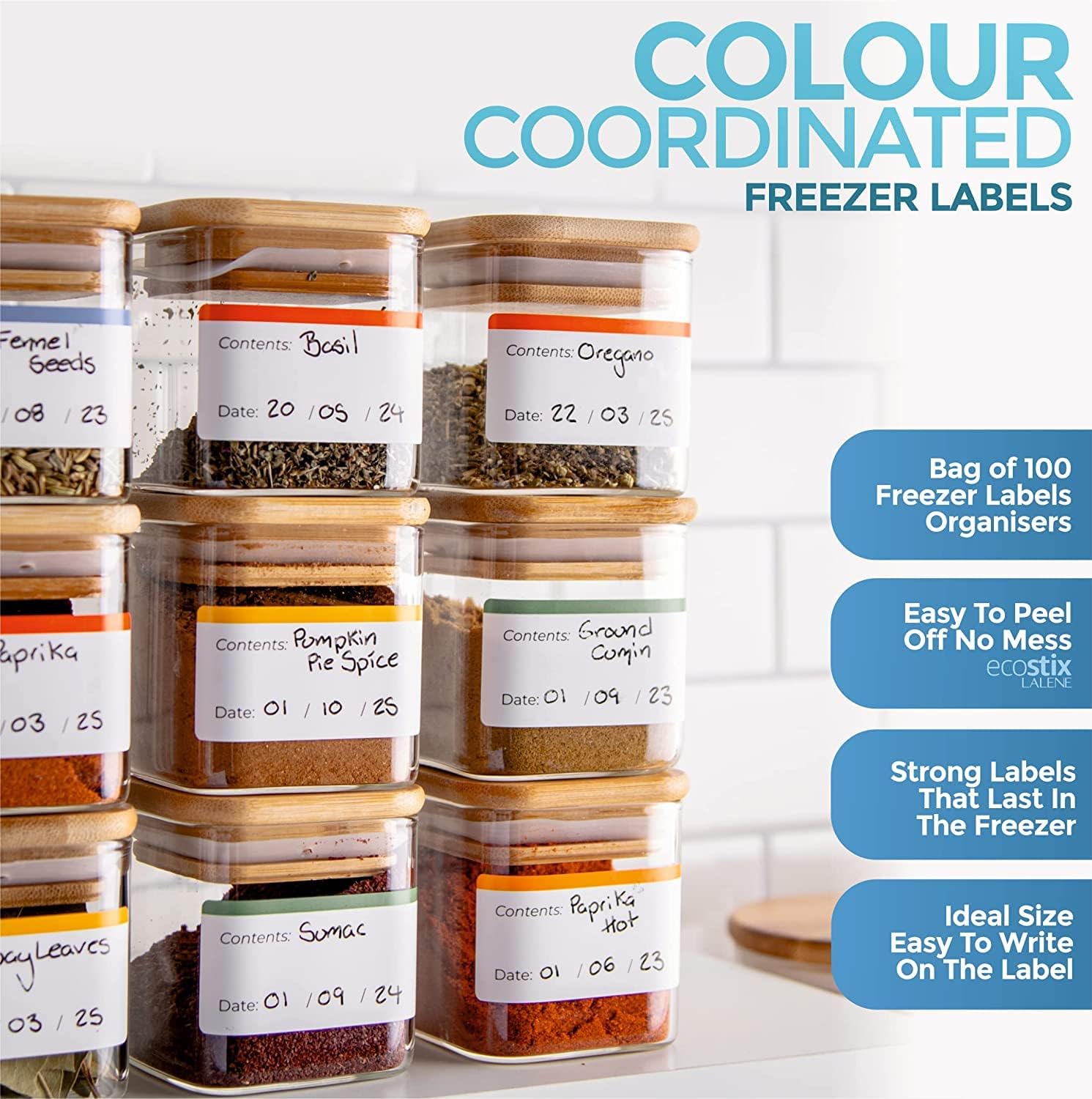
Color-Coding Labels
I use these to organize my freezer. A specific color for cheeses means I can find that bag of grated Gouda in a flash.
Check Price on Amazon
Reusable Food Storage Bags
An eco-friendly way to store your grated cheese in the freezer, providing an excellent airtight seal against freezer burn.
Check Price on Amazon
Precision Pro Vacuum Sealer
For the ultimate protection, you can vacuum seal a wedge of aged cheese before freezing to make it completely immune to freezer burn.
Check Price on AmazonSources & Transparency
This information is based on established principles of cheesemaking and food science. Food safety information regarding mold on hard cheeses is cross-referenced with guidelines from agencies like the FDA. For more ideas, see our main Food Storage Blog.
Last updated:
Update Log
- — Article completely rewritten and expanded with a focus on aged hard cheese. Added interactive table, visual charts, and new sections on the science of aging and using the rind.