
Pantry
Do Oats Go Bad? Shelf Life and How to Store Oats
How long rolled and quick oats last, how to store any oats, signs they have gone bad, and how long…
Pantry Storage
Your pantry is where food lasts longest, and where it quietly goes stale, rancid or buggy when it’s stored wrong. White rice and dry pasta keep for years. Opened ground coffee and bulk shelled peanuts or walnuts lose their best flavor in weeks. This page brings it all together: the four things that ruin pantry food, a storage-time table from the USDA, and what to do about bugs.
On this page: The four pantry enemiesContainers: what actually helpsHow long pantry staples keepPantry, fridge or freezer?Bugs in the pantryAll pantry articles
Keep dry food dry, cool and out of direct light (my advice), in containers with tight-fitting lids once the package is open, and use the oldest first. Most pantry staples keep for months to years, but those times are about quality, not safety: the USDA says sugar “never spoils,” and canned goods stay safe past the date as long as the can has no dents, rust or swelling. Nuts, whole wheat flour and opened ground coffee keep much better in the fridge or freezer.
Moving flour, rice and cereal out of their bags? The canister set I’d pick (why this one): Vtopmart airtight containers, 24 pcs (Amazon; as an Amazon Associate I earn from qualifying purchases)
Almost every pantry problem comes down to four things. Knowing which one you’re fighting tells you what to do.
Warmth speeds up staleness and makes the oils in nuts, whole grains and cooking oil go rancid sooner, so keep food away from the stove, oven and dishwasher (my advice).
UC IPM says moisture favors pantry pests, and microbes that rot food do best in warm, humid conditions. A dry shelf and a closed lid are your friends.
Air makes coffee stale and helps oil go rancid; keep spices out of bright light too (my advice). The FoodKeeper calls an airtight container “critical” for ground coffee kept in the fridge.
Pantry moths and beetles. UC IPM advises containers with tight-fitting lids, not plastic bags. See bugs in the pantry below.
UC IPM, the University of California’s pest program, advises storing dry food and bulk goods in containers with tight-fitting lids, not plastic bags. It also says to clean containers before you refill them and not to mix old and new food in one container. That last one is easy to forget: topping up half a jar of old flour with a new bag means the old flour never gets used.
My tip: when you decant something, write two things on the label: what it is, and the date you opened the original package. The storage times below count from that date, not from when you moved it into a jar.
Not sure which containers to get? Here are the airtight container sets I’d pick (with a “will my bag fit?” check), and what BPA-free on the label really means.
These are USDA FoodKeeper times for best quality, stored in a cool, dry pantry. They’re not “throw away” dates: past them, food usually just tastes flatter, staler or a bit rancid. Anything with bugs, mold or a bad smell goes out regardless of the date.
| Food | Unopened (from purchase) | After opening | Note |
|---|---|---|---|
| Flour, white | 6 to 12 months | 6 to 8 months | Up to 1 year in the fridge. Flour |
| Flour, whole wheat | 3 to 6 months | Fridge: 6 to 8 months | Natural oils go rancid faster |
| Sugar, white or brown | Indefinitely | Best within 18 to 24 months | “Sugar never spoils” (USDA). Soften brown sugar |
| Rice, white or wild | 2 years | 1 year | 6 months in the fridge. Long-term rice |
| Pasta, dry (no egg) | 2 years | 1 year | Pasta. Cooked pasta is a fridge food: cooked pasta |
| Beans, dried | 1 to 2 years | 1 year | Dried beans |
| Oats and other “cook before eating” cereal | 12 months | 6 to 12 months | Oats |
| Breakfast cereal, ready-to-eat | 6 to 12 months | 2 to 3 months | Close the inner bag well |
| Olive or vegetable oil | 6 to 12 months | 3 to 5 months | 4 months in the fridge. Cooking oil |
| Spices, ground | 2 to 3 years | 2 to 3 years | Whole spices: 3 to 4 years. Spices |
| Baking powder | 6 to 18 months | 3 to 6 months | |
| Baking soda | 2 to 3 years | 6 months | |
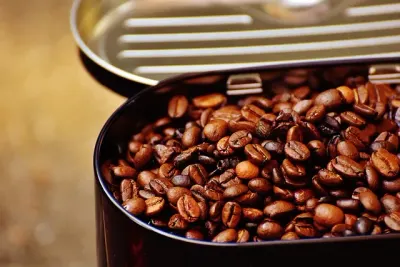
| Coffee, whole beans | 3 to 5 months | 3 to 5 months | Coffee beans |
| Coffee, ground (store-bought, non-vacuum) | 2 years | 2 weeks | 1 month in the fridge, airtight |
| Tea bags | 18 to 36 months | 6 to 12 months | Tea |
| Honey | 2 years | Best quality, not a spoil date: honey |
Source: USDA FoodKeeper. “Unopened” counts from the day you bought it. Package dates: the FDA says a “use by” date is the maker’s advice for best flavor or quality, not a food safety date (infant formula is the exception).
Not everything sold on a shelf should stay there. The FoodKeeper numbers make the point:
And some things you shouldn’t move to the fridge at all: see foods that should not be refrigerated.
Small moths flying out of the cupboard, or tiny beetles in the flour? Both are common, and both are fixable without spraying. The short version: throw out infested food in a sealed bag, check everything else, vacuum and wash the shelves, and store dry food in containers with tight-fitting lids. The full steps:
My tip: freezing new flour for a full week before it goes into the canister is cheap insurance against eggs that came home in the bag. The details are on the flour page.
21 articles
All pantry articles. Every article below covers one pantry food: how long it lasts, where to keep it and how to tell when it’s past its best.
How long rolled and quick oats last, how to store any oats, signs they have gone bad, and how long…
How long cooking oils last after opening, which ones belong in the fridge, how to store and reuse frying…
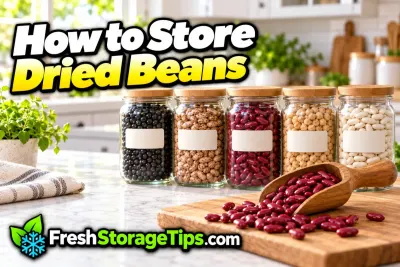
Do dried beans go bad? How long they keep, how to store them for months or years, why old beans stay…
How long dry pasta lasts, how to store fresh and homemade pasta safely in the fridge or freezer, and why…
Rock-hard brown sugar? Soften it in under a minute in the microwave, in the oven, or overnight with…
How long spices really last (ground 2 to 4 years, whole up to 4), where to keep them, the sniff test,…
Four airtight container sets I'd pick, not tested: Vtopmart canisters for the pantry, Rubbermaid glass…
What "BPA-free" on a container really promises, what it doesn't (BPS, BPF), why the FDA and EFSA assess…
Are pantry moths harmful? The moths aren't, but infested food should be thrown out. What to keep, freeze…
How to get rid of pantry moths: find the infested food, clean out the pantry step by step, freeze what…
Small brown bugs in flour, rice or cereal? How to identify pantry beetles and weevils, how they got in,…
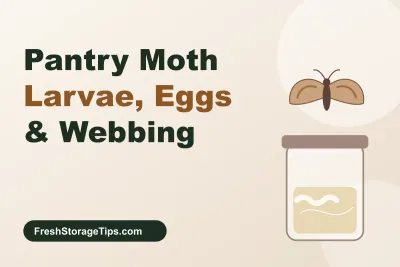
What pantry moth larvae, eggs and webbing look like, why worms show up on the ceiling, how long the life…
Do pantry moth traps work? They attract male moths with a pheromone, so they are for monitoring, not a…
Pantry moths or clothes moths? How to tell them apart by size, color, flight and where you find them,…
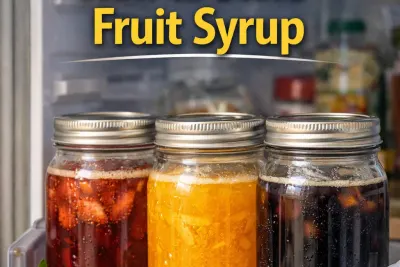
Syrup bottles often leak or crystallize, ruining your shelves. Learn exactly which bottles need the…
Freezer or not? Store coffee beans the wrong way and they lose flavor fast. Here's the science-backed…
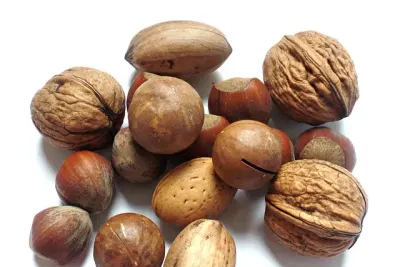
Don't let your expensive nuts go rancid! Learn the best way to store nuts like almonds, walnuts, and…
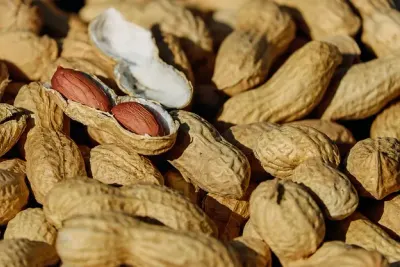
Don't let your peanuts go rancid! Learn the best way to store shelled and unshelled peanuts in the…
Does honey go bad? Learn how to store honey properly and what to do when it crystallizes.
Tired of slimy cilantro and wilted basil? Discover two simple methods to store fresh herbs in the fridge…
Is your chocolate turning white and chalky? Learn how to store chocolate the right way to prevent bloom,…
Keep it cool, dry and dark, and move it into containers with tight-fitting lids once the package is open (UC IPM advises against plastic bags). Use the oldest first and date what you decant.
Usually they lose quality rather than become unsafe. The FDA says a “use by” date is about best flavor or quality, not safety, except for infant formula, and the FoodKeeper says canned goods are safe well past the “use-by” or “best by” date as long as the can has no dents, rust or swelling. Throw out anything with bugs, mold or an off smell.
White flour keeps 6 to 12 months unopened and 6 to 8 months after opening, according to the USDA FoodKeeper; up to a year in the fridge. Whole wheat flour keeps 3 to 6 months in the pantry.
Nuts, whole wheat flour and opened ground coffee keep much longer in the fridge or freezer, according to the FoodKeeper. Opened syrup belongs in the fridge too.
No. The USDA FoodKeeper says sugar never spoils, but for best quality use it within 2 years of opening.
Storage times: USDA FoodKeeper. Date labels, cans and chemicals: FDA, “Are You Storing Food Safely?”. Containers and pests: UC IPM Pest Notes: Pantry Pests. Tips marked as mine are my own advice.
Last updated: