How to Store Butter Safely at Home
The best way to store butter is in the refrigerator, wrapped in its original packaging, where it can last for months. For soft, spreadable butter, keep a small amount on the counter in a butter bell. For long-term storage, you can freeze butter for up to a year.
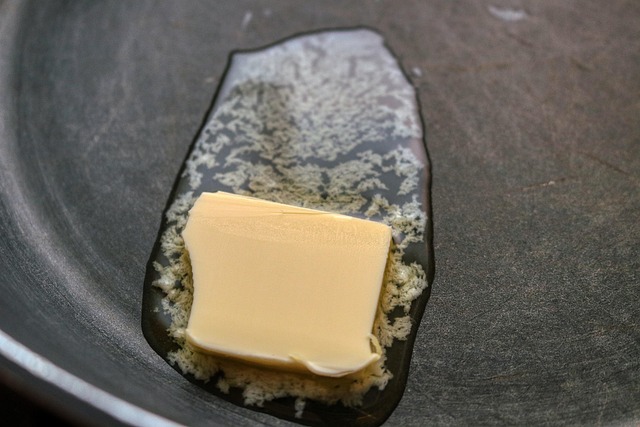
Butter is a kitchen essential, but storing it can be a puzzle. Keep it in the fridge, and it’s too hard to spread on your morning toast. Leave it on the counter, and you worry about it going bad. It’s a daily dilemma: spreadability versus shelf life.
Understanding **how to store butter** correctly means you can have the best of both worlds—soft, ready-to-use butter for daily meals and fresh, well-preserved butter for all your cooking and baking needs. This write-up will cover the science of why butter spoils, the great counter-versus-fridge debate, and the best way to freeze butter so you can stock up. Let’s dive in.
The Science of Spoilage: Why Butter Goes Bad
Butter is made almost entirely of fat, which makes it susceptible to two main enemies: air and light. When the fats in butter are exposed to oxygen and light, they begin to oxidize. This process, known as **rancidity**, breaks down the fat molecules and creates off-flavors and sour smells. You can’t reverse rancidity, so prevention is key.
Salted vs. Unsalted: A Tale of Two Butters
There’s a big difference in how you can store salted and unsalted butter. Salt is a natural preservative that significantly slows down bacterial growth. This is why **salted butter can be safely kept at room temperature** for short periods, while **unsalted butter is much more perishable and should always be refrigerated**. Food safety organizations like the FDA emphasize that keeping perishable dairy products cold is crucial for safety.
Visual Comparison: Butter Freshness Timeline
Where you store your butter has a huge impact on its shelf life. This chart shows what you can expect from each method.
The Great Debate: Storing Butter in the Fridge vs. on the Counter
The right answer depends on how quickly you use your butter and what kind you buy.
How to Store Butter in the Fridge
For long-term freshness, the refrigerator is the undisputed champion. It’s the **best way to store butter**, especially if it’s unsalted or if you won’t use it within a week. Keep the butter in its original wrapper, which is designed to protect it from light and air. For extra protection, place the wrapped stick inside an airtight container or in the butter compartment of your fridge to shield it from absorbing strong odors from other foods, like those from your vegetable crisper.
How to Store Butter on the Counter Safely
If you love soft, spreadable butter, you can safely keep a small amount of **salted butter** at room temperature. The key is to protect it from air and light.
- Use a Butter Bell (or French Butter Crock): This is the best tool for the job. It’s a two-piece ceramic crock where you pack the butter into the “bell” (the lid) and put a small amount of water in the base. The water creates an airtight seal that keeps the butter fresh for up to a week without refrigeration.
- Use a Covered Butter Dish: A standard butter dish will also work for a day or two. Just be sure to keep it covered and away from heat and sunlight.
My Kitchen Toolkit: Gear for Better Butter
Properly storing butter, especially in the freezer, is a breeze with the right tools. These are a few of my favorite, budget-friendly products that help me stock up and stay organized.

Removable Freezer Labels
If you freeze butter, you have to label the date. These are perfect because they stick in the cold but peel off cleanly when you’re ready to thaw a stick.
Check Price on Amazon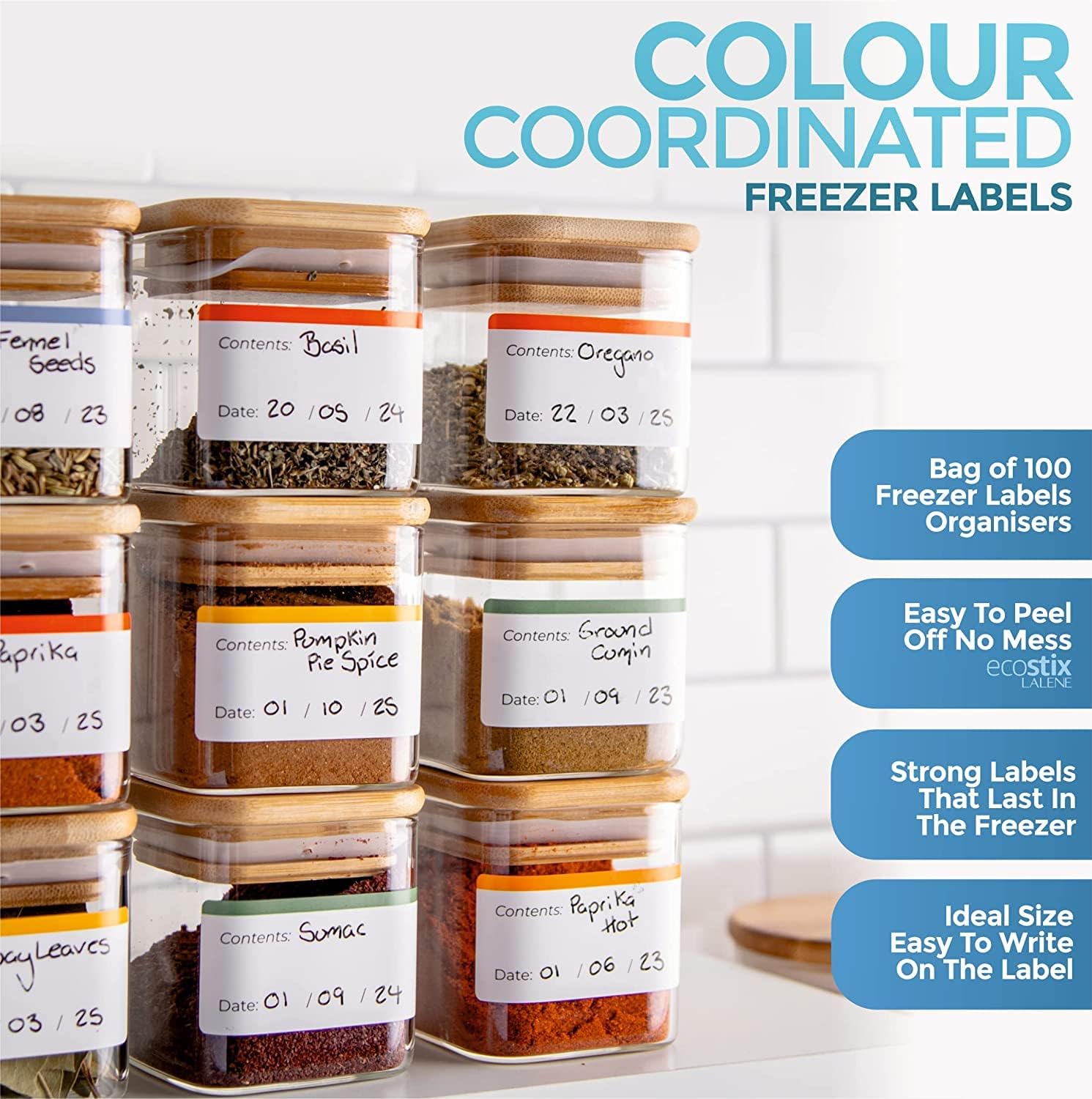
Color-Coding Labels
I use these to tell my frozen butter apart at a glance. One color for salted, another for unsalted. It’s a simple system that prevents baking mix-ups!
Check Price on Amazon
Reusable Food Storage Bags
These are great for freezing sticks of butter without the box. They provide an excellent airtight seal to prevent freezer burn and keep the butter from absorbing odors.
Check Price on Amazon
Precision Pro Vacuum Sealer
For the ultimate long-term storage, a vacuum sealer is unbeatable. It removes all air, offering the best protection against oxidation and keeping butter fresh for over a year.
Check Price on AmazonThe Ultimate Storage Hack: Clarified Butter (Ghee)
Project: Make Your Butter Last for Months Without Refrigeration
Want a form of butter that’s shelf-stable for months? Try making clarified butter, also known as ghee. This process involves gently simmering butter to remove all the milk solids and water, leaving behind pure butterfat. Since the perishable milk solids are gone, it doesn’t need to be refrigerated.
The video below shows you how simple it is to make at home. Ghee has a high smoke point, making it excellent for cooking, and a rich, nutty flavor. For more kitchen projects, check out our main blog.
How to Freeze Butter for Long-Term Storage
Freezing is the perfect solution for preserving butter, allowing you to stock up when it’s on sale. It’s incredibly easy and has almost no effect on the butter’s taste or texture.
The Best Method for Freezing Butter
- Keep It Wrapped: You can freeze butter right in its original cardboard box and wrapper. This provides excellent protection.
- Add a Second Layer: For the best protection against freezer burn and absorbing odors, place the packaged butter inside a freezer-safe bag or wrap it in an extra layer of foil.
- Label and Freeze: Label the package with the date. Salted butter can last up to 12 months in the freezer, while unsalted butter is best used within 6 months.
- Thawing: Simply move a stick from the freezer to the fridge the day before you need it.
This is a fantastic, simple preservation technique, supported by food preservation authorities like the National Center for Home Food Preservation.
Margarine and butter are often confused — but their storage needs are actually quite different, especially when it comes to freezing. Other dairy staples like sour cream follow similar fridge placement rules to butter. For broader dairy storage tips, the same cold-zone principles apply across butter, cheese and cream.
Your Butter Storage Questions, Answered
What is the best way to store butter?
The best way to store butter long-term is in its original wrapper in the refrigerator. For soft, spreadable butter, you can keep a small amount of salted butter in a butter bell on the counter for a few days. For storage beyond a few months, the freezer is the best option.
How long can you leave butter on the counter?
Salted butter can be left on the counter in a covered dish or butter bell for several days to a week, provided your kitchen is not too warm. Unsalted butter is more perishable and should be refrigerated.
Should butter be refrigerated?
Yes, for long-term freshness and to prevent it from going rancid, butter should be refrigerated. The cold temperature slows down oxidation and bacterial growth, especially for unsalted butter.
Can you freeze butter?
Absolutely! Freezing is an excellent way to store butter for a long time. You can freeze it in its original packaging or in an airtight container for 6 to 12 months. It’s a great way to stock up when butter is on sale.
How do you know if butter has gone bad?
The most obvious sign is a sour or ‘off’ smell, which indicates the fats have gone rancid. You might also see discoloration or mold. If it smells bad, it’s best to throw it out.
Your Butter Storage Cheat Sheet
The four essential rules for perfect butter every time.
For Long-Term
Action: Keep butter in its wrapper in the main part of the fridge.
Result: Stays fresh for months and protected from odors.
For Soft Butter
Action: Use a butter bell on the counter for salted butter.
Result: Perfectly spreadable butter, ready anytime.
To Stock Up
Action: Wrap well and store sticks in the freezer.
Result: Locks in freshness for up to a year.
The Golden Rule
Action: Protect butter from its enemies: air, light, and heat.
Result: Prevents rancidity and preserves flavor.
Our Process & Sources
This information was compiled using food science principles and food safety recommendations from government health organizations like the CDC to provide the most reliable advice for everyday use.
Last updated: