How to Store Beets: Immediately cut the greens off, leaving about an inch of stem to prevent bleeding. Store the unwashed roots in a perforated plastic bag in the crisper drawer of your fridge, where they will last 2 to 3 weeks. Treat the greens like spinach; wash, dry, and store them in a separate bag with a paper towel for use within 3 days.
Food Safety Tip: Beets grow directly in the soil and can harbor bacteria. Always scrub them thoroughly under running water right before cooking to ensure they are clean.
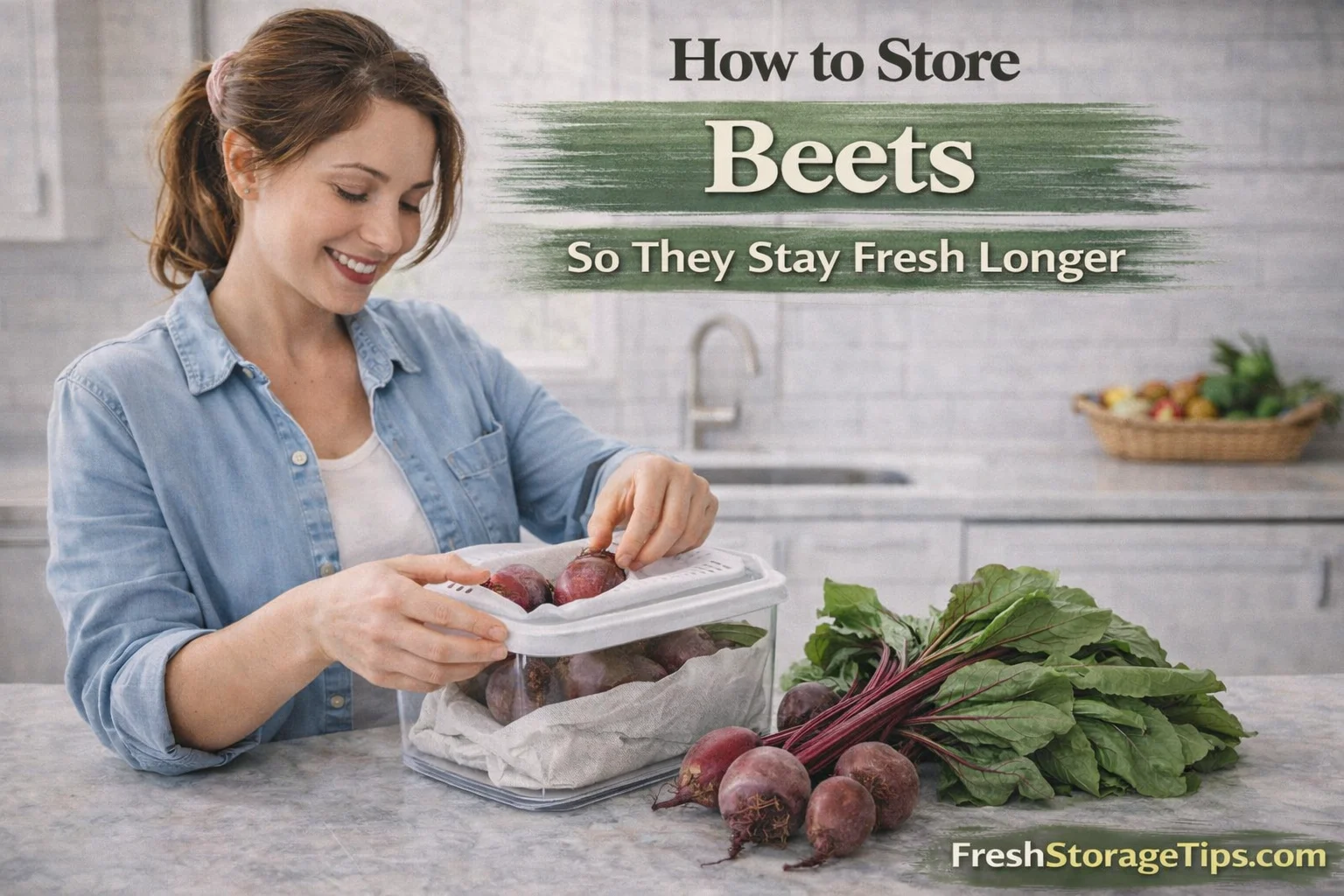
The Two-in-One Gem of the Garden
Beets are one of my absolute favorite vegetables to bring home from the market. They have that incredible, deep earthy flavor that sweetens beautifully when roasted. Plus, they are essentially a “buy one, get one free” deal because you get the delicious ruby-red root and the tender, nutritious greens attached to the top.
However, storing them can be a little confusing because you are dealing with two very different types of vegetables attached at the hip. I used to make the mistake of throwing the whole beautiful bunch into the fridge, thinking I would keep them intact until dinner. Two days later, I would find the greens wilted and slimy, and the beets themselves starting to feel a bit spongy. It felt wasteful.
The reality is that the root and the leaves have opposing needs. The leaves are thirsty and delicate, while the root is hardy but prone to drying out if not protected. Learning to separate and store them individually was the best kitchen lesson I learned. Whether you are dealing with golden beets, classic red ones, or the striped Chioggia variety, the rules for keeping them crisp are the same. Let’s look at how to get the most out of your bundle.
The Science: Why Beets Go Soft
To keep beets firm, we have to fight against moisture migration. This is a common issue with root vegetables sold with their tops on.
- The Moisture Thief: The green leaves are the “engine” of the plant. Even after harvest, they continue to try to grow and photosynthesize. To do this, they draw moisture and sugars up from the root. If you leave the tops on, the greens essentially suck the life out of the beet, leaving you with a shriveled, rubbery root in just a few days. This is very similar to why you must remove the tops when you keep carrots fresh.
- Bleeding: Beets contain betalain pigments, which are water-soluble. If you cut the root too close to the top or trim the long taproot tail, the beet will “bleed” its red juice. This not only makes a mess but also causes the beet to dry out faster. Leaving an inch of stem acts as a cork, sealing the moisture inside.
- Humidity Needs: Like many root vegetables, beets require high humidity (around 95%) to stay plump. However, they also need cool temperatures (32°F to 40°F). The modern refrigerator is cold enough, but it is often too dry. Using a plastic bag creates the necessary humid micro-environment.
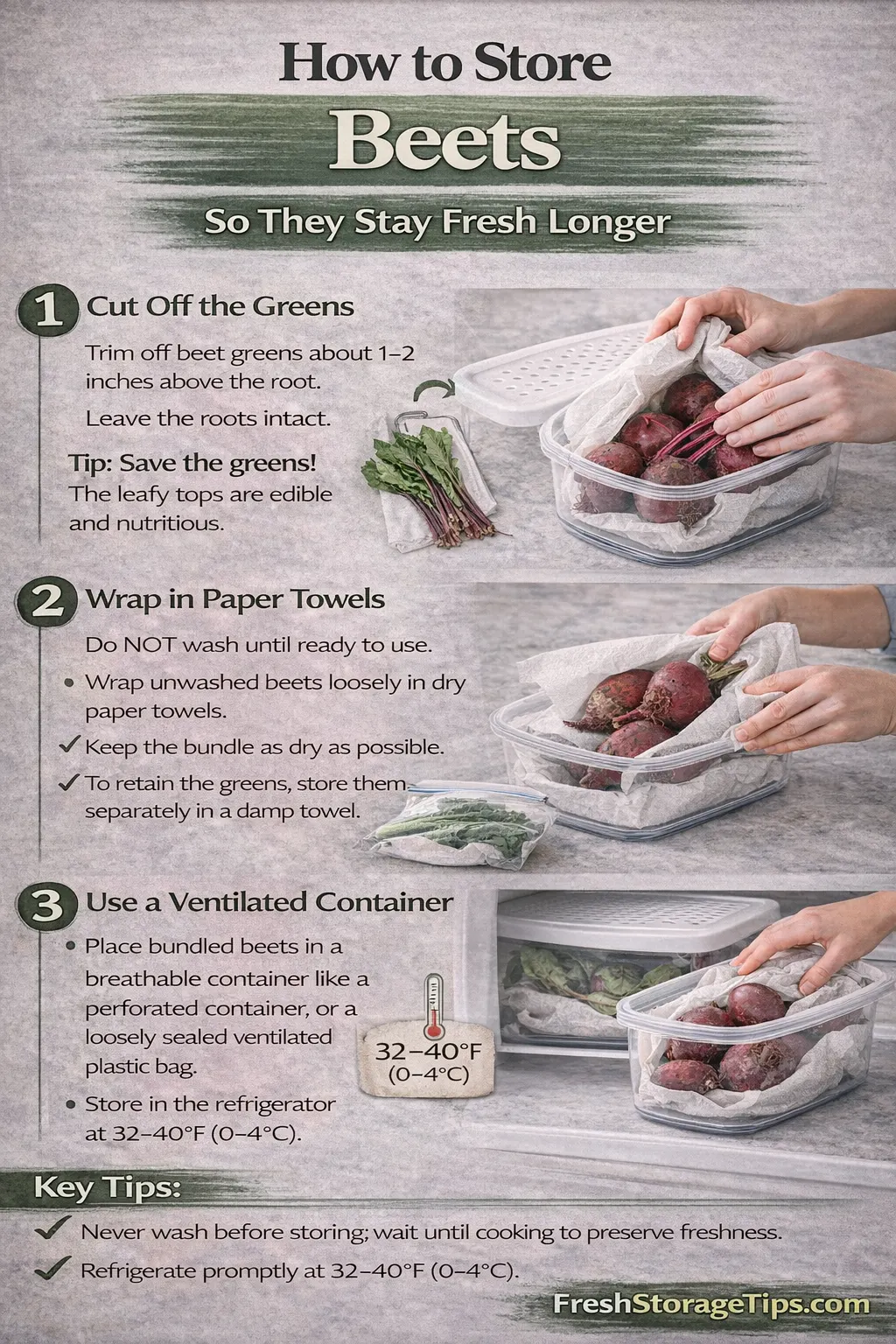
Visual Glance: The Freshness Timeline
This timeline helps you prioritize your cooking. The greens are urgent, but the roots are patient. This gives you flexibility in your meal planning.
Beets are significantly more durable than when you store broccolini or other flowering vegetables. However, unlike potatoes, they do prefer the cold of the fridge. Do not make the mistake of treating them like you store sweet potatoes, which hate the cold. Beets love the chill.
Storage Method Showdown
Depending on your space and equipment, you have a few options. Here is how they compare in longevity.
Video Guide: The Harvest Approach
Garden to Table Tactics
This video is fantastic because it shows the perspective of handling beets right out of the ground. The principles apply even if you bought yours at the store.
Key Takeaways: Notice how the host emphasizes removing the tops immediately. He also touches on the concept of “long term” storage using sand or sawdust. This is an old-school method that mimics the conditions of the soil, keeping the beets dormant and crisp for months without taking up refrigerator space.
Even if you don’t have a root cellar, understanding that beets want to be cool, dark, and humid helps you replicate those conditions in your kitchen.
Interactive Storage Chart
Filter by the part of the plant you are storing. The greens need to be eaten quickly, while the roots can wait.
| Part | Container | Freshness | Key Tip |
|---|---|---|---|
| Raw Root (Unwashed) | Perf. Bag | 3 Weeks | Leave 1 inch of stem attached. |
| Beet Greens | Paper Towel + Bag | 3 Days | Treat exactly like Swiss chard. |
| Roasted/Boiled | Airtight Tub | 5 Days | Peel skin after cooking for ease. |
| Pickled Beets | Mason Jar | 12 Months | Use vinegar brine for preservation. |
| Blanched & Frozen | Freezer Bag | 10 Months | Cook whole, then peel/slice before freezing. |
Safety: When to Toss It
Consuming spoiled root vegetables can lead to illness. Based on Nutrition.gov guidelines, look for these signs:
- ⚠️ Mushiness: A fresh beet is hard as a rock. If you can squeeze it and it gives, or if there are soft, sunken spots, it is rotting. Discard it.
- 👀 Mold: Fuzzy white, blue, or green patches on the skin are mold. While you can sometimes cut small spots off hard cheeses, mold roots go deep in high-moisture vegetables like beets. It is safer to toss the whole root.
- ⚠️ Slimy Greens: The greens spoil much faster than the root. If the leaves are wet, dark, and slimy, do not eat them. You can still eat the root if it is firm, but wash it very well.
Beet Myths Busted
Let’s clear up some kitchen folklore:
- 🚫 Myth: Store them like potatoes. Reality: Potatoes hate the fridge; beets love it. Potatoes need dry air; beets need humidity. Never store them together in the pantry.
- 🚫 Myth: Cut the tail off. Reality: The long, rat-tail taproot seals the bottom of the beet. If you cut it, the beet bleeds juice and dries out. Leave it on until you cook.
- 🚫 Myth: Big beets are woody. Reality: While true for many veg, huge beets can still be tender if roasted slowly. Don’t be afraid of the big ones for storage; they actually last longer than baby beets.
The “Root Cellar” Hack for Apartment Dwellers
If you bought a 10-pound bag of beets and don’t have fridge space, you can mimic a root cellar. Find a plastic storage tote or a wooden crate. Fill it with slightly damp sand or sawdust (clean, not treated). Bury the unwashed beets in the sand so they aren’t touching each other. Place the box in the coolest spot in your home, like a basement corner or a garage (as long as it doesn’t freeze). The sand regulates the humidity and prevents the beets from shriveling. This method can keep them fresh for 3 to 4 months.
Deep Dive: Freezing Beets
Freezing beets is a bit different than other vegetables. You generally cook them fully before freezing, rather than just blanching them. Freezing raw beets ruins their texture, making them grainy.
According to University of Maine Extension, here is the best method:
- Wash and Trim: Scrub the beets and leave 1 inch of stem and the taproot intact to prevent bleeding.
- Cook: Boil or roast the beets until they are tender all the way through (fork-tender).
- Cool and Peel: Let them cool completely. The skins should slip right off with your hands.
- Cut: Slice them into rounds, cubes, or wedges.
- Freeze: Pack into freezer bags, removing as much air as possible. They are now ready to be heated up for a side dish or thrown into a salad.
What About the Greens?
Don’t toss the tops! Beet greens are delicious and highly nutritious, tasting very similar to Swiss chard. Since they are delicate, treat them exactly like you would when you store arugula or spinach. Wash them, spin them very dry, and store them in a container with a paper towel. They are excellent sautéed with garlic and lemon.
Storage Neighbors
Be careful what you store near your beets. While they are hardy, they can absorb flavors. Also, keep them away from high-moisture items that might rot quickly, like when you store cucumbers. A rotting cucumber in the drawer can spread mold to your beets surprisingly fast. Keep your root veg drawer dedicated to roots for the best results.
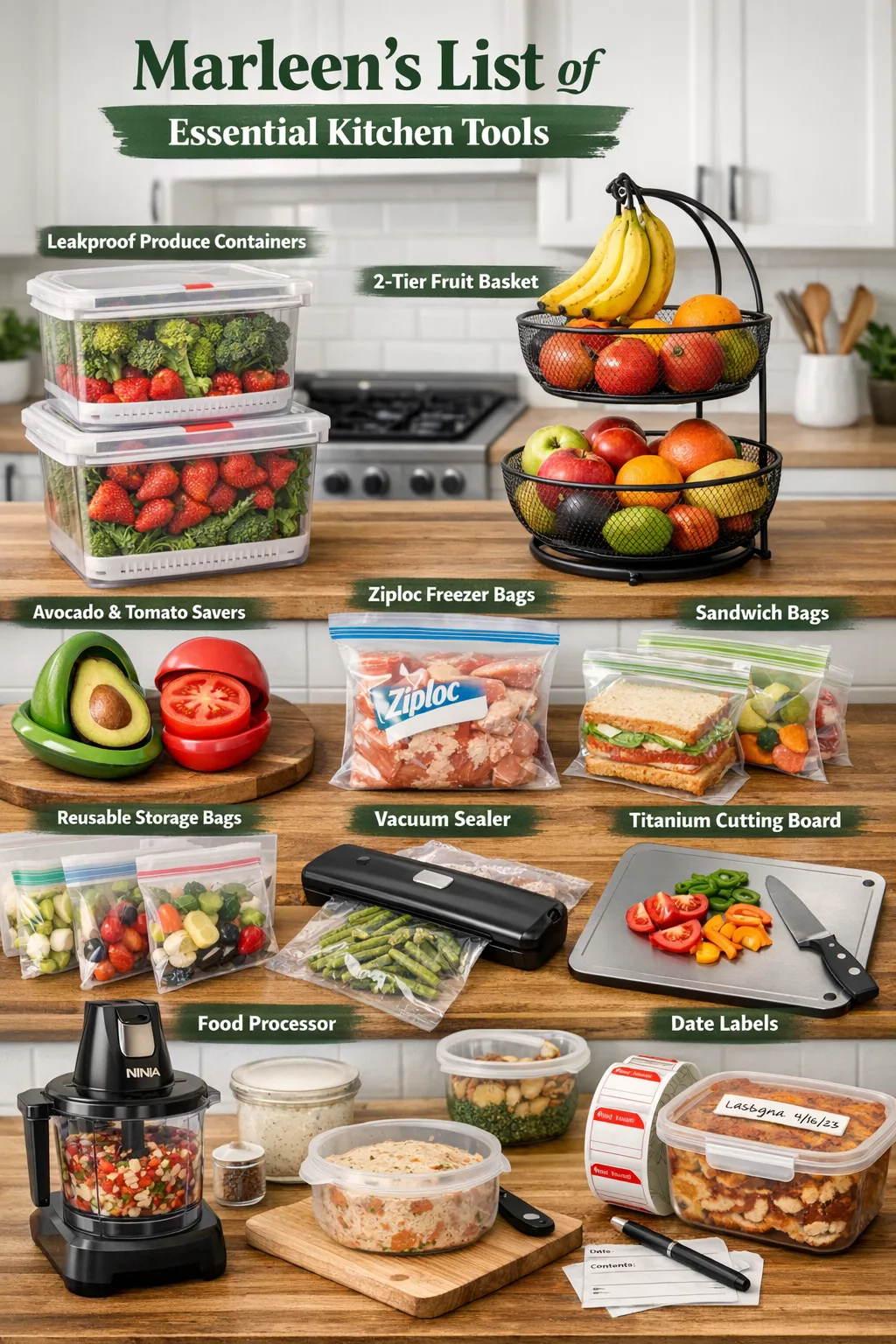
I view my kitchen tools as an investment in my family’s health and my household budget. When we throw away food, we are essentially throwing away money, not to mention the time and resources that went into growing that produce. Root vegetables like beets are heavy, messy, and require specific conditions to thrive, which is why having the right gear is so important. You cannot just pile them on a shelf and hope for the best.
The items I have selected below are designed to handle the unique challenges of root vegetable storage. Heavy-duty scrub brushes are essential because beets hold onto soil tenaciously; you need a tool that cleans the skin without damaging it. Sturdy, breathable storage containers are vital for the refrigerator to prevent the “sweating” that leads to rot. For those of us who buy in bulk, freezing is a game-changer, but only if you have high-quality freezer bags or a vacuum sealer to prevent freezer burn. A vacuum sealer removes the oxygen that causes ice crystals to form, preserving the texture of your cooked beets for nearly a year.
Organization is also a huge part of the equation. If your vegetable drawer is a chaotic jumble, you will lose track of what you have. Using clear bins and proper labels ensures that you use the oldest produce first, maintaining a “first-in, first-out” system like a professional kitchen. These tools make the process of washing, prepping, and storing feel less like a chore and more like a satisfying routine. By setting up your kitchen with these essentials, you are building a system that supports fresh, healthy eating every single day.
2-Tier Fruit Basket
Keep onions and garlic organized and away from your fridge roots.
View on AmazonAs an Amazon Associate, I earn from qualifying purchases.
Sources & Transparency
This guide references food safety storage limits from the FDA HACCP program. Guidance on root vegetable storage and curing was consulted via the Virginia Tech Food Science department.
Fresh beets last up to 3 weeks in the fridge with the greens removed and the roots stored in a plastic bag in the crisper. Sweet potatoes are another root vegetable but prefer the pantry over the fridge and last 3 to 5 weeks at room temperature. Potatoes share a cool, dark storage spot with sweet potatoes but tolerate slightly lower temperatures than beets. Other root vegetables like ginger last up to 3 weeks in the fridge and can be stored near beets in the crisper drawer.
Last updated:
Update Log
- : Added tips on using the sand storage method and preventing beet bleeding during prep.