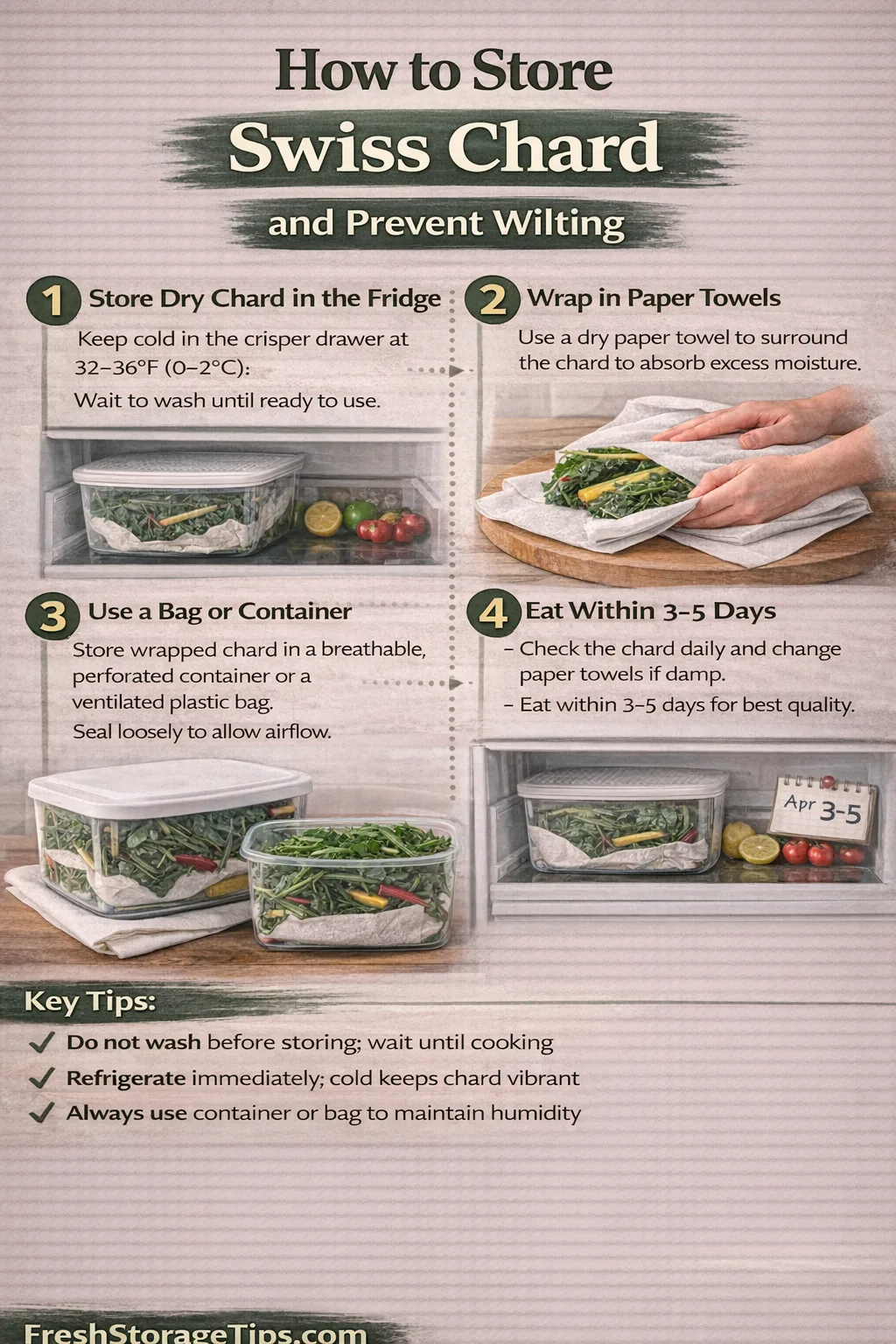
How to Store Swiss Chard: Do not wash it until you are ready to cook. Separate the stems from the leaves. Wrap the leaves in dry paper towels and seal them in a plastic bag with the air squeezed out. Store the stems in a separate bag or container. This keeps the leaves from getting crushed and keeps everything fresh for 5 to 7 days.
Food Safety Tip: Always wash produce thoroughly under running water right before preparing your meal to remove grit and bacteria.
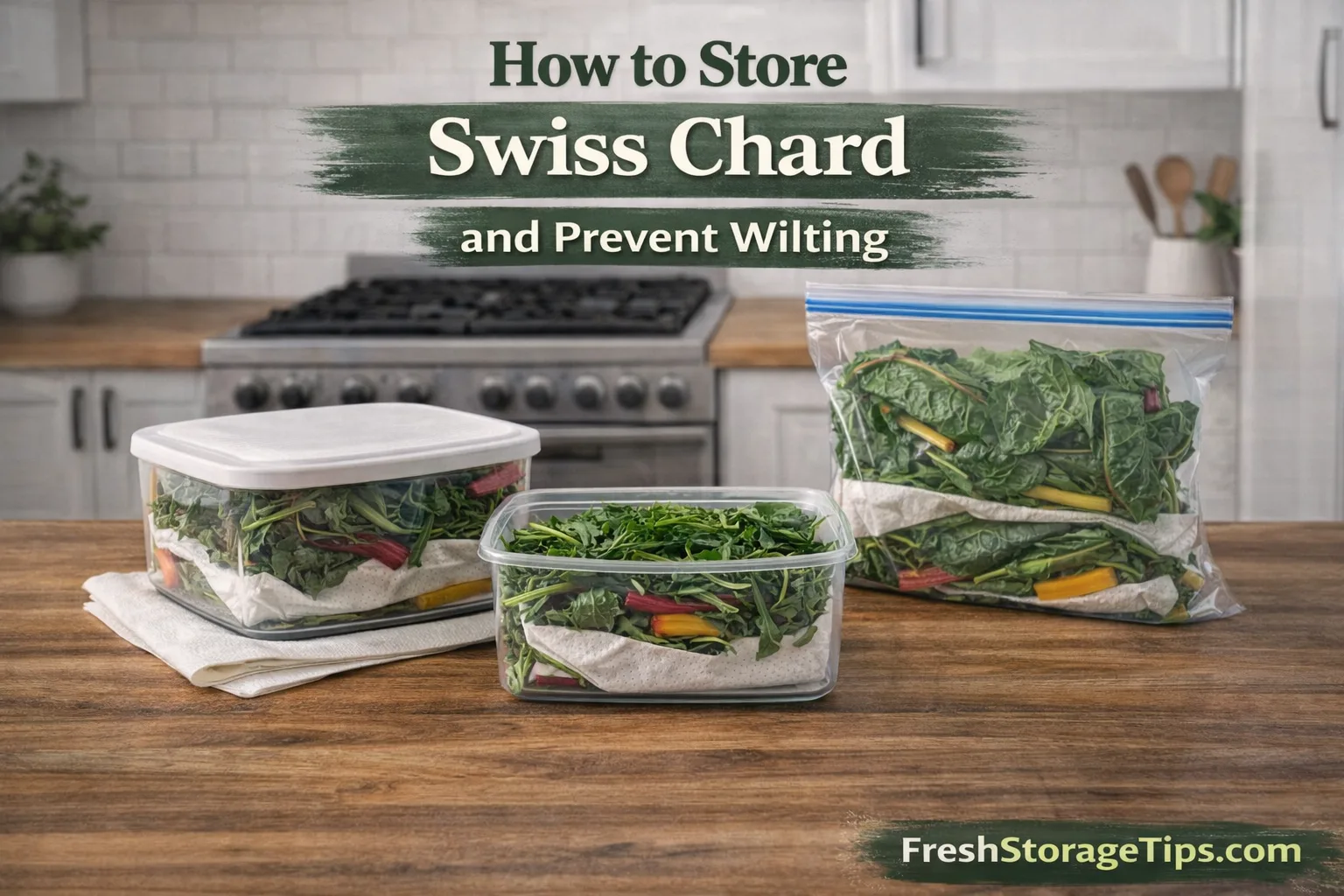
The “Two-in-One” Vegetable Challenge
Swiss chard is one of the most beautiful vegetables in the market, with its rainbow stems and deep green leaves. However, it is also one of the most frustrating to keep fresh. If you treat it like kale, the leaves turn into a slimy mess. If you treat it like lettuce, the stems get rubbery.
This is because chard is essentially two vegetables in one. You have a delicate leafy green attached to a hardy, celery-like stalk. They age at different rates and require different moisture levels. I used to just shove the whole bunch into the crisper drawer, only to find the leaves yellowing three days later.
Over time, I learned that a little bit of prep work on grocery day saves a lot of money later in the week. By handling the stems and leaves differently, we can make sure this nutritious green actually makes it to the dinner table.
The Science: Why Chard Wilts
To keep chard crisp, we need to understand what makes it go bad. According to the Virginia Tech Food Science department, leafy greens lose water rapidly through a process called transpiration.
- Surface Area: The large, thin leaves of chard have a massive surface area relative to their weight. This means water evaporates from them very quickly in the dry air of a fridge.
- Ethylene Sensitivity: Chard is moderately sensitive to ethylene gas. If you store it next to ripening bananas or when storing tomatoes, the leaves will turn yellow and spotty much faster.
- The Stem Factor: The thick stems contain a lot of water. If the leaves start to rot, that moisture travels down and makes the stems soggy. Conversely, if the stems dry out, they pull moisture from the leaves, causing wilting.
Visual Glance: The Freshness Timeline
This timeline helps you gauge how long you have before you need to cook those greens. It is generally more durable than when you store arugula, but less hardy than kale.
I have noticed that Rainbow Chard tends to spoil slightly faster than the white-stemmed Fordhook Giant variety. The colored stems seem to be a bit more tender and prone to bruising, so use the red and yellow bunches first.
Storage Method Showdown
Deciding whether to separate the stalks or keep them whole depends on when you plan to cook.
Video Guide: Why Separation Matters
Prep Smart, Cook Better
This video highlights a crucial point: separation isn’t just for storage; it is for better cooking.
The Cooking Fact: Chard stems take much longer to cook than the leaves. If you store them together and throw them in the pan at the same time, you get mushy leaves or raw stems.
By separating them before you store them, you are meal-prepping in advance. You can chop the stems (which store like celery) and keep the leaves (which store like spinach) ready to go.
Interactive Storage Chart
Filter by how you prepped the chard. Remember, once you wash it, the clock ticks faster.
| Prep State | Container | Quality Life | Key Tip |
|---|---|---|---|
| Separated Parts | Two Ziploc Bags | 1 Week | Treat leaves gently; stems are tough. |
| Whole Bunch | Produce Bag + Towel | 4 Days | Keep rubber band loose to allow airflow. |
| Blanched | Airtight Bag | 12 Months | Must blanch to stop enzymes! |
| Sautéed | Sealed Tub | 3 Days | Reheat gently to avoid mushiness. |
| Washed Wet | Any | 2 Days | Will slime quickly. Dry thoroughly. |
Safety: When to Toss It
According to Nutrition.gov, consuming spoiled leafy greens can be a health risk. Here are the warning signs:
- ⚠️ Slime: This is the number one indicator. If the leaves feel slick or gooey, bacteria have taken over. Discard.
- 👀 Yellowing: Yellow leaves are losing nutrients and flavor. They are safe to eat if dry, but usually taste bitter. I recommend composting them.
- ⚠️ Ammonia Smell: If you open the bag and it smells sharp or pungent, do not eat it.
Chard Myths Busted
Let’s clear up some common misconceptions:
- 🚫 Myth: Store it like flowers in water. Reality: While this works for fresh herbs or asparagus, chard leaves are too heavy and floppy. They often fall over and rot where they touch the jar rim.
- 🚫 Myth: Freezing raw is fine. Reality: The water in the cells expands and ruptures the leaf structure. You will end up with a watery mess unless you blanch it first.
- 🚫 Myth: All greens store the same. Reality: Chard is more durable than when you store iceberg lettuce, but less hardy than kale. Each needs its own method.
Freezing Chard for Smoothies and Soups
If you have a bumper crop from the garden or bought too much, freezing is the best option. However, you cannot skip the blanching step.
According to University of Maine Extension, blanching stops the enzyme action which can cause loss of flavor, color, and texture. Boil the separated leaves and stems for 2 minutes, plunge them into ice water, drain well, and freeze. They are perfect for dropping into soups later.
Reviving Wilted Chard
If your chard looks sad and droopy, it is likely just dehydrated. As long as there is no slime, you can save it.
Trim the very bottom of the stems (about half an inch). Submerge the entire bunch (leaves and stems) in a sink or large bowl filled with ice-cold water. Let it soak for 30 minutes. The cells will drink up the water and become turgid again. This works similarly to when you store romaine lettuce that has gone soft.
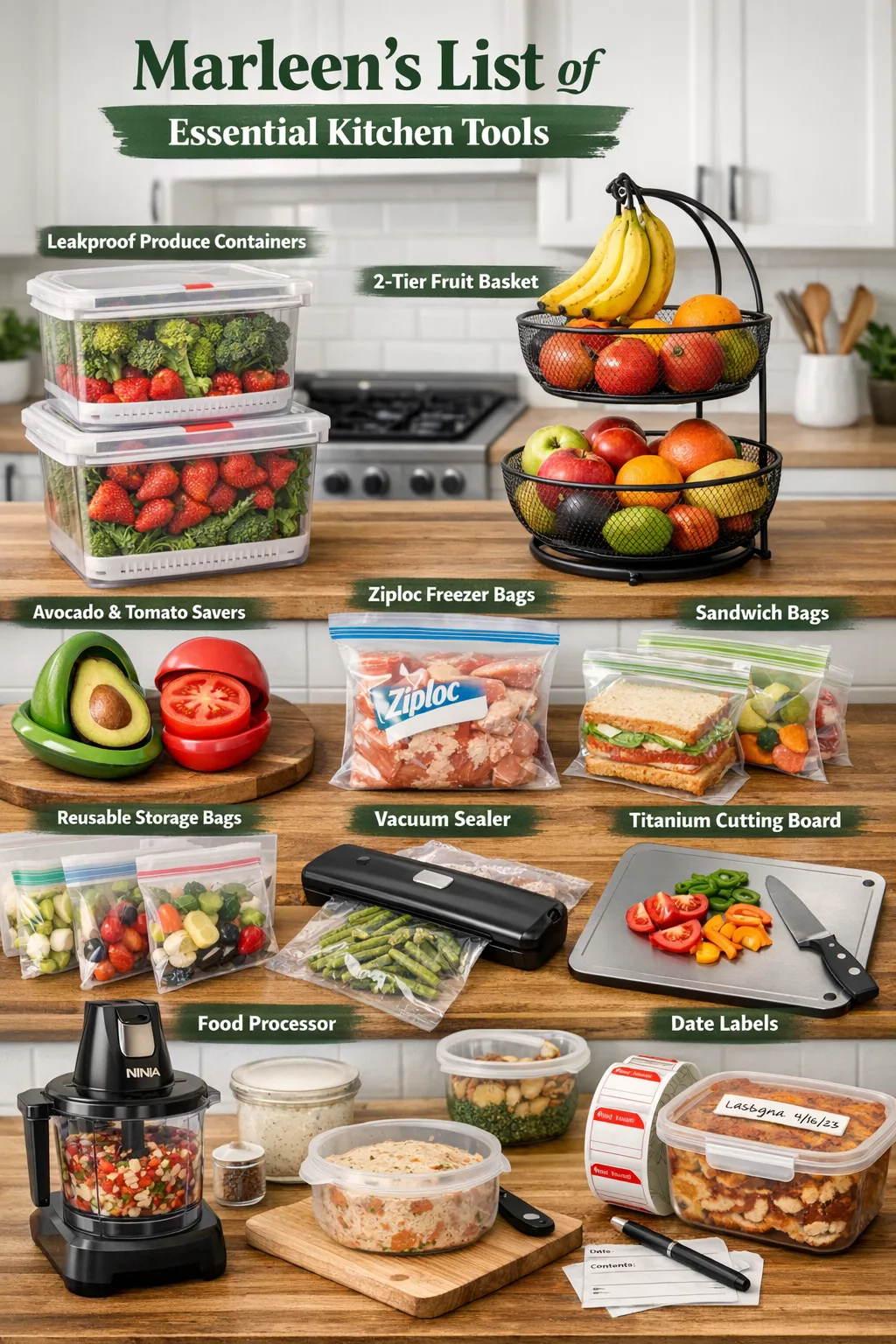
Having the right storage tools makes saving leafy greens easy. Here are my top picks.
Leakproof Containers
Removable colanders promote airflow and prevent moisture buildup.
View on AmazonAs an Amazon Associate, I earn from qualifying purchases.
Sources & Transparency
This guide references food safety storage limits from the FDA HACCP program. Guidance on respiration rates and leafy green storage was consulted via the Virginia Tech Food Science department.
Swiss chard lasts 3 to 5 days in the fridge when stored unwashed and wrapped in a damp paper towel inside a loose bag. Kale lasts significantly longer, up to 7 to 10 days, making it the better choice when you need greens to last through the week. Collard greens outlast Swiss chard by 5 to 7 days and are the most fridge-tolerant leafy green you can buy. Other tender greens like arugula are even more delicate than Swiss chard and need to be used within 3 days to avoid sliminess.
Last updated:
Update Log
- : Added the separation technique for stems and leaves, plus tips on freezing blanched chard.