How to Store Cucumbers Without Sogginess
The best way to store cucumbers is to wash and dry them, then wrap them in a paper towel and place them in a ventilated bag in the front part of the refrigerator. This keeps them crisp for about a week. Avoid storing them in the coldest part of the fridge.
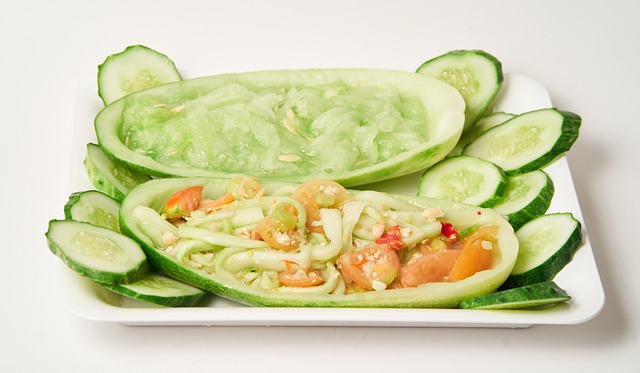
Cucumbers are the definition of cool and refreshing. They’re the perfect crunchy addition to salads, sandwiches, and infused water. But they have a dark side: they can turn from crisp and snappy to soft and slimy in the blink of an eye. How many times have you reached for a cucumber only to find it has developed soft spots or a watery, mushy texture?
You’re not alone in this struggle. Cucumbers are surprisingly sensitive. The good news is that with a few simple tricks, you can easily learn how to store cucumbers to keep them fresh for a week or even longer. It’s all about protecting them from their two biggest enemies: too much moisture and extreme cold. This breakdown covers everything you need to know to say goodbye to slimy cucumbers for good.
The Science: Why Cucumbers Go Bad
Cucumbers are over 95% water, which is what makes them so hydrating. But this high water content also makes them incredibly delicate. They face two main problems in storage:
- Moisture Loss: Just like bell peppers, cucumbers will lose water to the surrounding air, causing them to go limp and soft. Their thin skin doesn’t provide a lot of protection against dehydration.
- Chilling Injury: This is the big one. Cucumbers are native to warmer climates and are very sensitive to cold. If stored at temperatures below 50°F (10°C) for too long, their cells can be damaged. This leads to watery spots, pitting on the skin, and accelerated decay. This is why the coldest part of your fridge is actually the worst place for them!
The key to keeping cucumbers from getting slimy is to store them in a cool—but not too cold—environment and to keep their skin dry.
Visual Comparison: Cucumber Freshness Timeline
Where and how you store your cucumbers makes all the difference. Here’s a quick look at what to expect.
How to Store Whole Cucumbers for Maximum Freshness
While you can leave a cucumber on the counter for a day or two, the refrigerator is the best place for longer storage—as long as you do it right.
The Best Refrigerator Method:
- Wash and Dry Thoroughly: As soon as you get home, wash your cucumbers to remove any dirt or wax. Then, dry them completely. This is the most important step to prevent a slimy exterior.
- Wrap Them Up: Loosely wrap each cucumber in a paper towel or a dry kitchen towel. This will absorb any excess condensation that forms in the fridge.
- Find the Right Spot: Place the wrapped cucumbers in a ventilated bag and store them in the **warmer** part of your fridge. This is usually the front of a middle shelf or in the door. Avoid the back of the fridge or the bottom drawer, as these areas are often too cold and can cause chilling injury.
Following these steps can easily keep your cucumbers crisp and delicious for a full week. This is a crucial technique for anyone serious about proper vegetable storage.
My Kitchen Toolkit: For Fresh & Safe Food Storage
The right tools are essential for extending the life of perishable foods and preventing waste. Here are my top picks for any organized kitchen.

Removable Food Labels
A must-have for freezing leftovers or prepped ingredients. Label your containers with the date so you always know what’s fresh. These peel off cleanly.
Check Price on Amazon
Color-Coding Labels
I use these to organize my freezer. One color for veggies, another for fruits. It makes grabbing what you need for a smoothie quick and easy.
Check Price on Amazon
Reusable Food Storage Bags
An eco-friendly way to store cut cucumbers in the fridge or prepped veggies in the freezer. They create a great airtight seal.
Check Price on Amazon
Precision Pro Vacuum Sealer
For the ultimate freezer protection for items you plan to freeze, a vacuum sealer is unbeatable. It removes all air, preventing ice crystals and freezer burn.
Check Price on AmazonA Refreshing Way to Use Your Crisp Cucumbers
Project: Make a Classic Creamy Cucumber Salad
Once you’ve mastered keeping your cucumbers perfectly crisp, you’ll want to show them off! A creamy cucumber salad is a classic, refreshing American side dish, perfect for picnics, barbecues, or a light lunch.
The video below shows you how to make this simple and delicious salad. It often includes fresh dill, so be sure to check out our tips on how to store fresh herbs to keep your dill vibrant, too! It’s a perfect pairing for grilled fish, and you can find more on that in our seafood storage section.
How to Store Cut Cucumbers
Once you slice a cucumber, its shelf life drops significantly. You should aim to use cut cucumbers within **1 to 2 days**.
- How to Store Slices: Place slices in an airtight container. To keep them from getting watery, you can place a folded paper towel on the bottom to absorb excess moisture.
- How to Store a Half: If you’ve only used half a cucumber, cover the cut end tightly with plastic wrap or a reusable food wrap. Store it in the fridge and use it as soon as possible.
Your Cucumber Storage Questions, Answered
What is the best way to store cucumbers to keep them fresh?
The best way to store cucumbers is to wash and dry them thoroughly, then wrap them in a paper towel or a dry cloth and place them in a ventilated bag in the front part of your refrigerator. This keeps them crisp for about a week.
How long do cucumbers last in the fridge?
When stored properly, whole cucumbers can last for about one week in the refrigerator. Cut cucumbers have a much shorter shelf life and should be used within 1-2 days.
Should you store cucumbers on the counter or in the fridge?
While cucumbers can be left on the counter for 1-2 days, they will stay crisp much longer in the refrigerator. However, they are sensitive to extreme cold, so it’s best to store them in the warmer part of the fridge, like the door or the front of a shelf, not in the back.
How do you keep cucumbers from getting slimy?
Sliminess is caused by excess moisture. To prevent it, make sure your cucumbers are completely dry before you store them. Wrapping them in a paper towel is a great trick to absorb any condensation that forms, keeping the skin dry and slime-free. This is a key food safety practice recommended by the CDC.
Can you freeze cucumbers?
You can freeze cucumbers, but their texture will become very soft and watery upon thawing. They are not suitable for salads after freezing but can be used in smoothies, soups, or infused water. For more on freezing produce, you can consult resources like The National Center for Home Food Preservation.
Your Cucumber Storage Cheat Sheet
The four essential rules for perfectly crisp, never-slimy cucumbers.
Wash and Dry First
Action: Always dry cucumbers completely after washing and before storing.
Result: This is the #1 way to prevent a slimy exterior.
Wrap in Paper Towel
Action: Wrap each cucumber in a paper towel before placing it in the fridge.
Result: Absorbs condensation and protects the delicate skin.
Avoid the Coldest Spot
Action: Store them in the fridge door or at the front of a shelf, not the back.
Result: Prevents “chilling injury” that causes watery spots and decay.
Seal When Cut
Action: Store sliced or halved cucumbers in an airtight container.
Result: Keeps them from drying out, but use them within 2 days.
Our Process & Sources
This information is compiled using food science principles from university extension programs like Penn State Extension and food safety guidelines from U.S. government agencies like the FDA to provide the most reliable advice for your kitchen.
Cucumbers last 1 week in the fridge but go soft and watery within 2 days if stored below 50°F, which is why the crisper drawer is better than the main shelf. Zucchini looks similar to cucumber but handles slightly lower fridge temperatures better and lasts 4 to 5 days without softening. Bell peppers are the most fridge-tolerant of the three and last up to 2 weeks in the crisper without chilling damage. Eggplant is another summer vegetable that suffers from chilling injury, just like cucumbers, and should be stored in the warmer part of the fridge.
Last updated: