The best way to store milk is on a lower shelf in the back of your refrigerator, not in the door. Keep it sealed and below 40°F (4°C). Opened milk lasts 4-7 days. For long-term storage, you can freeze milk for up to 3 months, though its texture may change.
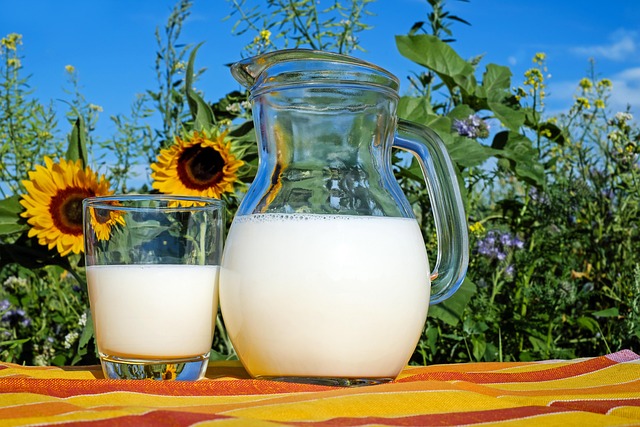
Milk is a kitchen staple, but it’s also one of the most perishable items we buy. Nothing is more frustrating than reaching for the carton only to find it’s gone sour before its time. The culprit is often not the milk itself, but how—and where—it’s stored.
Knowing **how to store fresh milk** correctly can dramatically extend its life, saving you money and preventing waste. This write-up will cover everything you need to know: the single biggest mistake people make when storing milk, the science behind spoilage, and the best methods for refrigeration and even freezing. Let’s dive in and make sure you get to enjoy every last drop.
The Science of Spoilage: Why Milk Goes Bad
Milk is a nutrient-rich liquid, which makes it a perfect breeding ground for bacteria. Even though pasteurization kills most harmful pathogens, some spoilage bacteria survive. When milk is left at warmer temperatures, these bacteria multiply rapidly, feeding on the milk’s sugars (lactose) and producing lactic acid. This is what causes the classic sour smell and taste of spoiled milk.
Temperature: The Most Critical Factor
The key to slowing down this bacterial growth is temperature. Milk should always be kept at or below 40°F (4°C). For every 5°F (or 2°C) increase in temperature, the growth rate of spoilage bacteria can nearly double. This is why food safety organizations like the FDA stress the importance of maintaining a cold, consistent refrigerator temperature. Storing milk properly isn’t just about taste; it’s about safety.
Visual Comparison: Milk Freshness Timeline
How long your milk lasts depends entirely on where and how you store it. This chart shows the dramatic difference.
The #1 Rule: Where to Store Milk in the Fridge
This is the most common mistake and the easiest to fix: **do not store your milk in the refrigerator door.** While it’s convenient, the door is the warmest part of the fridge and is subject to constant temperature fluctuations every time you open it. This repeated exposure to warmer air drastically shortens the milk’s shelf life.
The Best Spot for Maximum Freshness
The **best way to store milk in the fridge** is on a lower shelf, pushed towards the back. This is the coldest and most temperature-stable part of your refrigerator, ensuring the milk stays consistently chilled. Always make sure the cap is tightly sealed to prevent it from absorbing odors from other foods, like those you might be storing based on our seafood storage tips.
My Kitchen Toolkit: Gear for Smarter Storage
Having the right tools makes a huge difference, especially when you’re freezing liquids like milk or want to keep your fridge organized. These are a few of my go-to, budget-friendly products that make food storage simple and effective.

Removable Freezer Labels
If you freeze milk, you *need* to label the date. These waterproof labels stick perfectly even when frozen and peel off without any mess, so you always know what’s what.
Check Price on Amazon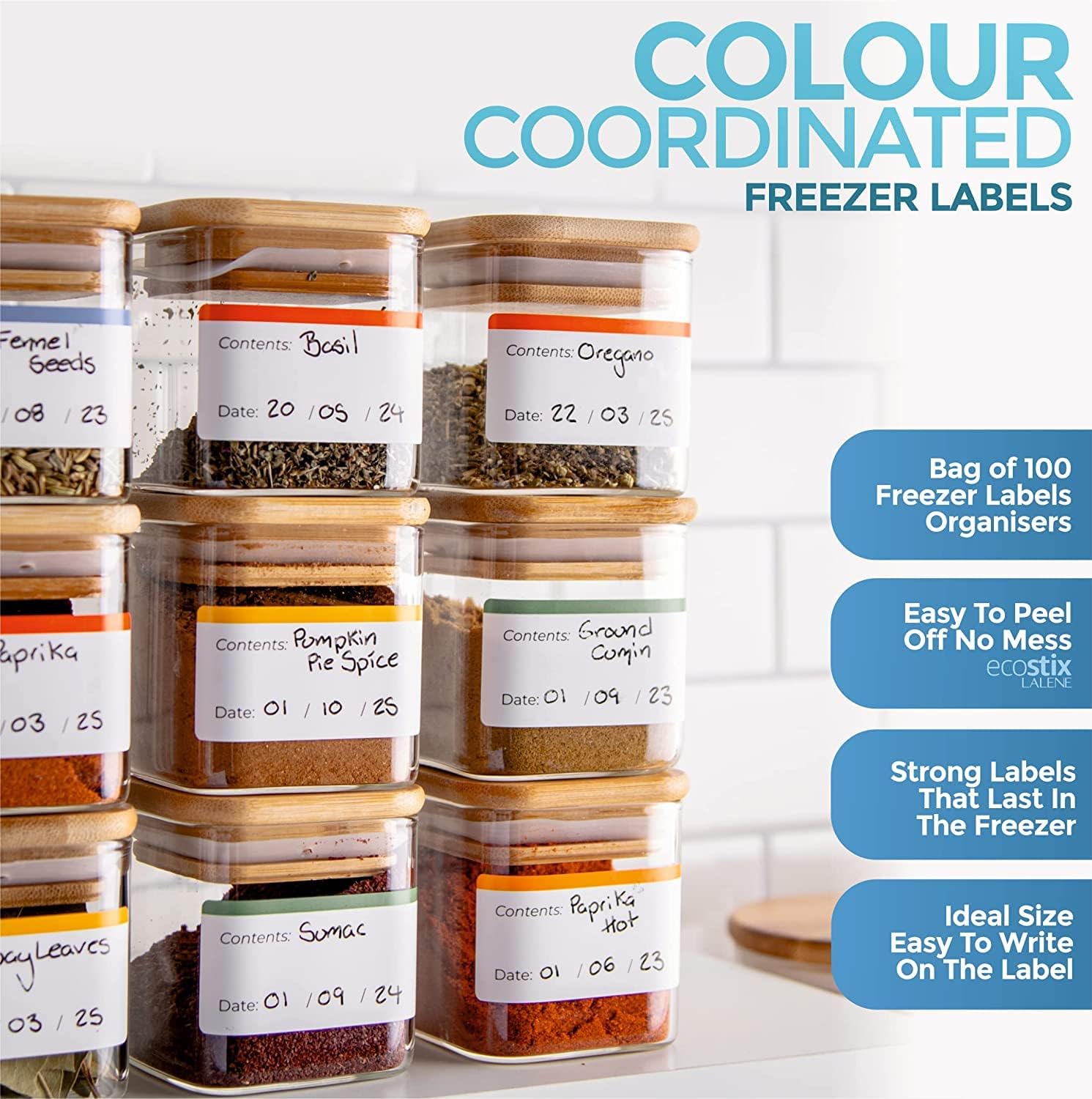
Color-Coding Freezer Labels
I use these to organize different types of milk in the freezer—one color for whole milk, another for almond milk. It makes grabbing the right one quick and easy.
Check Price on Amazon
Reusable Food Storage Bags
These are fantastic for freezing smaller portions of milk for smoothies or recipes. They’re leakproof, eco-friendly, and save a ton of space compared to bulky containers.
Check Price on Amazon
Precision Pro Vacuum Sealer
While not essential for milk, a vacuum sealer is the ultimate food preservation tool. It’s my secret weapon for preventing freezer burn on everything from meats to vegetables.
Check Price on AmazonCan You Freeze Milk? A Visual How-To
Project: Freezing Milk to Eliminate Waste
Yes, you absolutely can freeze milk! It’s a fantastic way to save milk that’s approaching its expiration date. The video below walks you through the simple process, including the most important step: leaving enough headspace for the milk to expand.
Frozen milk is best used within 3 months for optimal quality. The texture can become slightly grainy after thawing, so it’s perfect for cooking, baking, or adding to smoothies, but some people don’t mind it for drinking. This is a great technique to have in your food preservation toolkit, which we cover more in our main blog.
How to Freeze Milk: A Step-by-Step Process
Freezing milk is easy, but there’s one crucial rule to follow to avoid a messy explosion in your freezer.
- Leave Headspace for Expansion: Milk, like any liquid, expands when it freezes. Never freeze milk in a full, sealed glass bottle. If using a plastic jug, pour out a small amount (an inch or two) to create extra room, known as headspace. If using freezer-safe containers or bags, only fill them about 90% full.
- Seal and Label: Seal your container tightly. Use a permanent marker or a freezer label to write the date on it.
- Freeze: Place it in the freezer. It will keep for up to 3 months.
- Thaw Safely: The best way to thaw frozen milk is to move it to the refrigerator for a day or two. Do not thaw it on the counter. After thawing, shake the container well to redistribute the milk fats, which may have separated.
This preservation method is a great way to manage your perishables, a concept that also applies to things like fresh produce, as we explore in our write-up on vegetable storage.
Your Milk Storage Questions, Answered
How long does milk last in the fridge?
Once opened, most cow’s milk lasts for 4 to 7 days in the fridge when stored correctly. The key is to keep it at a consistent, cold temperature, ideally in the back of the fridge, not in the door.
Can you freeze milk?
Yes, you can freeze milk to extend its shelf life for up to 3 months. However, the texture may change slightly upon thawing, becoming a bit grainy. It’s best used for cooking, baking, or in smoothies.
Where is the best place to store milk in the refrigerator?
The best place is on a lower shelf towards the back of the fridge. This area is the coldest and has the most stable temperature, unlike the fridge door, which gets exposed to warm air every time you open it.
How can you tell if milk has gone bad?
The most obvious signs are a sour smell, a lumpy or clumpy texture, and a yellowish color. If you notice any of these, it’s best to discard the milk.
How long is milk good for after the sell-by date?
If stored properly, unopened milk is often still good for about 5-7 days past the printed ‘sell-by’ date. Always trust your senses—if it smells or looks off, don’t use it.
Your Milk Storage Cheat Sheet
The essential rules for keeping milk fresh and safe.
The Golden Rule
Action: Store milk in the back of the fridge, NOT the door.
Result: Keeps milk colder and fresher for days longer.
Opened Milk
Action: Keep it sealed and cold. Use within 4-7 days.
Result: Prevents premature souring.
Freezing Milk
Action: Pour some out to leave room for expansion.
Result: Safely stores milk for up to 3 months.
When in Doubt…
Action: Trust your nose. A quick sniff is the best test.
Result: Throw it out if it smells sour or off.
Our Process & Sources
This information was compiled using food safety recommendations from government health organizations like the CDC and principles from university extension programs, such as Penn State Extension and the NCHFP, to provide the most reliable advice.
Last updated: