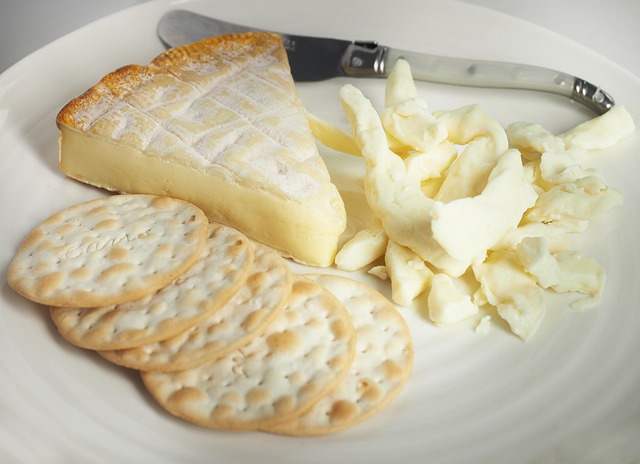
How to Store Brie Cheese (Keep It Creamy — Not Dried Out — for 2 Weeks)
To store brie, unwrap it from store plastic immediately and re-wrap loosely in wax paper or cheese paper. Store it in the crisper drawer of your fridge, not the main shelf. An uncut wheel lasts 1 to 2 weeks. A cut wedge lasts 5 to 7 days. Never seal brie in tight plastic — it traps ammonia from the living rind and creates that sharp paint-like smell.
 By
By The first time I opened a week-old brie and got hit with an ammonia smell strong enough to water my eyes, I assumed the cheese had gone bad. I threw away half a wheel of something that cost me real money. Turns out it was fine — I had just kept it in the supermarket plastic wrap and suffocated it. Unwrapped and aired out for 30 minutes, it was perfectly good.
Brie is not like cheddar. You cannot treat it the same way. It is a living cheese — actively ripening in your fridge — and the wrapping you choose determines whether that process goes gracefully or badly.
Wax paper or cheese paper, crisper drawer, 1 to 2 weeks for an uncut wheel. Cut wedge: 5 to 7 days with cut face covered. Never sealed plastic — traps ammonia. Never the freezer unless you are cooking with it (texture breaks down). Serve at room temperature — 30 to 60 minutes out of the fridge before eating.
Why brie is a living cheese — and why that changes everything
That velvety white rind is not decoration. It is a cultivated mold called Penicillium camemberti, and it is actively working. As cheese scientist resources confirm, P. camemberti releases enzymes that break down proteins (proteolysis) and fats (lipolysis) from the outside inward — which is what transforms a firm, chalky young brie into the gooey, luscious paste of a ripe one. The ripening happens in your fridge, not just in the factory.
A natural byproduct of this process is ammonia. As ScienceDirect’s overview of brie chemistry confirms, P. camemberti metabolises amino acids through proteolysis with the production of ammonia at the surface, which then diffuses inward. In an open or breathable wrap, this ammonia escapes harmlessly. In sealed plastic, it builds up until it becomes overwhelming.
In cheese shops, brie is never stored in heat-sealed plastic. It is wrapped in wax paper or two-sided cheese paper — a material specifically designed with one side that absorbs moisture and one side that allows gas exchange. That professional standard exists because the science demands it. Home storage should follow the same principle.
The wrapping method that actually works
You have three good options and one bad one.
Cheese paper is the best. It is a two-layer material — one side wax-coated to prevent sticking, one side porous to allow gas exchange. Purpose-built for exactly this job. Available online and in most kitchen shops. If you eat brie regularly, it is worth having.
Wax paper is an excellent alternative and almost as good. It is slightly porous, does not stick to the rind, and allows just enough gas exchange to prevent ammonia buildup. Wrap loosely — a single layer, folded at the ends. Then place the wrapped cheese in a loose zip bag or open container in the crisper.
Parchment paper works at a pinch. Less ideal than wax paper because it is less moisture-resistant and the rind can stick to it, but far better than plastic.
Tight plastic wrap is the wrong choice. It seals moisture and ammonia against the rind, creating the humidity and gas buildup that ruins texture and creates that sharp smell within a few days.
For a complete overview of soft cheeses in general, the rules are more nuanced than most people think — brie is the most demanding, but other bloomy rinds have their own specific wrapping needs too.
The cut wedge problem
A cut wedge has an exposed interior face that dries out quickly if left unwrapped. The approach: press a small piece of wax paper against the cut face only, then wrap the rest of the wedge loosely in wax paper. This protects the paste from drying while still allowing the rind to breathe. Do not wrap the entire wedge — rind included — in a tight seal.
Where in the fridge to store it
The crisper drawer. Not the main shelf and emphatically not the door. The crisper runs slightly warmer (around 40–45°F) and more humid than the main compartment — conditions that match what the cheese needs for continued gentle ripening. The main shelf is too cold and too dry. The door is subject to temperature fluctuation with every open.
“If brie smells of ammonia, it has gone off — throw it away.”
Not necessarily. Ammonia is a natural byproduct of P. camemberti’s metabolic activity. When it builds up from being sealed in plastic, the cheese itself is often perfectly fine — the ammonia just needs to escape. Unwrap the wheel and leave it on a board at room temperature for 30 minutes. In most cases the sharp smell dissipates almost completely. Taste a small piece from the interior. If it tastes good, it is good. The smell alone is not enough to condemn it. Actual signs of spoilage are different: pink or grey discolouration on the rind, a slimy rather than velvety texture, or mould colours other than white.
Brie shelf life — by situation
| Situation | Wrapping | How long | Notes |
|---|---|---|---|
| Uncut wheel, factory sealed | Keep in original packaging until opened | Use-by date on pack | Once the seal is broken, re-wrap in wax paper immediately. |
| Uncut wheel, opened | Wax or cheese paper, crisper drawer | 1 to 2 weeks | Check the rind weekly — it should stay white and velvety. |
| Cut wedge | Wax paper against cut face, loose wrap on rind | 5 to 7 days | Cut face dries fastest. Keep it covered. Eat sooner rather than later. |
| Ammonia smell, still good | Unwrap, air out 30 min at room temp | Use within 2 days | Re-wrap in wax paper after airing out. Check interior tastes fine. |
| Frozen (for cooking only) | Cling film + freezer bag | Up to 3 months | Texture breaks down. Fine for melted dishes. Not for cheese boards. |
What I tested: wax paper vs plastic wrap, 5 days
I bought two identical wedges from the same wheel and stored one in wax paper (crisper drawer) and one in standard cling film (main shelf) for five days.
Wax paper, crisper: Rind stayed white and velvety throughout. Interior remained creamy and slightly yielding by day 5. Mild mushroomy smell — normal and pleasant. Completely delicious.
Plastic wrap, main shelf: By day 3, the rind had become slightly slimy near the wrap and the ammonia smell on opening was sharp. By day 5 the interior had firmed significantly — the creamy paste had dried into a denser, chalkier texture at the edges. Edible, but distinctly worse.
The difference over five days was dramatic. Wax paper is not a minor improvement — it is a completely different result.
The ammonia smell — what it means and how to fix it
The ammonia comes from the rind’s metabolic activity. It is always present to some degree — a faint, pleasant earthiness in a well-stored brie is completely normal. The sharp, paint-stripper version means the ammonia built up rather than escaped.
The fix is simple. Unwrap the wheel completely and leave it on a board at room temperature for 20 to 30 minutes. The ammonia dissipates into the air. Do not cover it during this time. After airing, taste a small piece from the paste — not the rind, which will always be stronger. If the interior tastes clean and creamy, the cheese is fine. Re-wrap in fresh wax paper and store in the crisper.
Actual spoilage looks and smells different: pink, grey, or orange discolouration on the rind (not white), a slimy texture that coats your fingers rather than a velvety surface, a genuinely putrid rather than sharp-ammonia smell, or visible blue-green mould. Any of those — discard.
“Ammonia in brie is a gas problem, not a cheese problem. Unwrap it and let it breathe.”
Can you freeze brie?
Yes, but only if you intend to cook with it. Freezing is unsuitable for a cheese you plan to serve on a board.
Here is what happens: brie has a high moisture content and the paste is an emulsion of fat, water, and protein held together by the activity of P. camemberti. When it freezes, ice crystals form and rupture that structure. After thawing, the paste becomes crumbly and grainy rather than gooey and luscious. The flavour remains reasonable, but the texture — which is arguably the whole point of good brie — is compromised.
For cooking — baked brie in puff pastry, brie melted into a sauce, brie stirred into risotto — frozen and thawed brie works perfectly well. The texture change does not matter once it is melted.
How to freeze it for cooking
- Wrap the wedge or whole wheel tightly in cling film, pressing the wrap directly onto the surface to remove air gaps.
- Place the wrapped cheese in a freezer bag and push out remaining air before sealing.
- Label with the date. Use within 3 months.
- Thaw overnight in the fridge, not at room temperature.
Serving brie correctly
Cold brie is firm and muted. At room temperature it softens, the fat becomes liquid enough to flow slightly when cut, and the full aromatic profile opens up — the mushroomy, buttery, slightly grassy character that makes it worth eating. This is not optional. A brie served straight from the fridge is genuinely a different eating experience.
Take it out 30 to 60 minutes before serving, still wrapped, and leave at room temperature. Remove the wax paper just before setting it out. Serve with something that does not compete with the flavour — a plain cracker or baguette, maybe some honey or quince paste alongside. The brie should be the main character.
If you have paired it with other cheeses, see the notes on how to store different types of cheese together — the rules vary significantly between aged hard cheeses and soft bloomy rinds like brie.
Six things that make a real difference
The moment you get home. Supermarket plastic wrap is fine for display and transport. It is the wrong material for storage. Swap it for wax paper the same day.
Warmer and more humid than the main compartment. Matches the conditions brie needs for continued gentle ripening without drying out.
The exposed paste dries out faster than the rind. Press a small piece of wax paper against the cut face before wrapping the rest loosely.
The rind absorbs fridge odours — garlic, onions, strong leftovers. Store in a dedicated section of the crisper, ideally in a loose container.
Ammonia smell alone is not a reason to discard. Unwrap for 30 minutes at room temperature. If the interior tastes fine, the cheese is fine. Re-wrap in fresh wax paper.
Cold brie tastes dull. Room temperature brie tastes like brie. This is the single most impactful thing you can do for flavour, and it costs nothing.
How brie compares to other dairy in your fridge
Brie is the most demanding dairy product to store correctly because it is actively alive. Hard and semi-hard cheeses like parmesan or aged cheddar are far more forgiving — they can tolerate plastic wrap without the ammonia issue because they have no active surface mould. Parmesan is almost the opposite of brie: it needs a tighter wrap to prevent drying, not a looser one. Butter and margarine simply need to be sealed against oxygen — no gas exchange required.
Dairy storage comparison — wrapping rules at a glance
Brie that has been in the fridge for a week and slightly over-ripened is actually ideal for baking — the more liquid interior melts into something extraordinary wrapped in puff pastry.
What I use for cheese storage
The specific tools I reach for to keep brie and other soft cheeses fresh.
Cheese Paper
Two-sided paper designed specifically for soft cheese — one side wax-coated, one side porous. The best wrapping material for brie, bar none.
View on AmazonRemovable Date Labels
Write the date you opened the wheel on the outside of the wrap. Removes the guesswork when you find it a week later.
View on AmazonReusable Food Storage Bags
A loose bag around the wrapped cheese adds a layer of fridge odour protection without sealing the cheese airtight.
View on AmazonAs an Amazon Associate I earn from qualifying purchases — at no extra cost to you.
Questions people actually ask
Unwrap from store plastic immediately and re-wrap loosely in wax paper or cheese paper. Store in the crisper drawer — not the main fridge shelf. An uncut wheel lasts 1 to 2 weeks. A cut wedge lasts 5 to 7 days. Cover the cut face with a small piece of wax paper to prevent it from drying out.
Brie is ripened by Penicillium camemberti, a living mold that produces ammonia as a natural byproduct of breaking down proteins. In tight plastic wrapping, that ammonia cannot escape and builds up. Unwrap the cheese completely and leave it at room temperature for 30 minutes. In most cases the smell disperses. Taste the interior — if it is creamy and mild, the cheese is fine.
An uncut wheel wrapped in wax paper in the crisper drawer keeps for 1 to 2 weeks. A cut wedge should be used within 5 to 7 days. Best practice: eat brie sooner rather than later — it is a fresh cheese, not a long-keeping one. See the general cheese storage page for hard and aged cheeses which keep significantly longer.
Yes, but only for cooking. Freezing breaks down the creamy emulsion — after thawing, brie becomes crumbly rather than gooey. For baked brie, sauces, or pastry it melts fine. For a cheese board, it will be disappointing. Wrap tightly in cling film, then a freezer bag. Thaw overnight in the fridge. Use within 3 months.
Yes — always. Cold brie is firm and largely flavourless. At room temperature, the paste softens and the full aromatic profile develops. Take it out of the fridge 30 to 60 minutes before serving, still wrapped. Remove the paper just before setting it out.