How to Store Radishes: Immediately remove the greens to stop them from drying out the root. Wash and trim the radishes, then place them in a glass jar filled with cold water. Seal the lid tight and store in the refrigerator. This “hydro-cooling” method keeps them crisp for 10 to 14 days. Store the greens separately in a bag with a paper towel.
Food Safety Tip: Radishes grow in the dirt and can harbor soil bacteria. Always scrub them thoroughly with a vegetable brush before eating them raw.
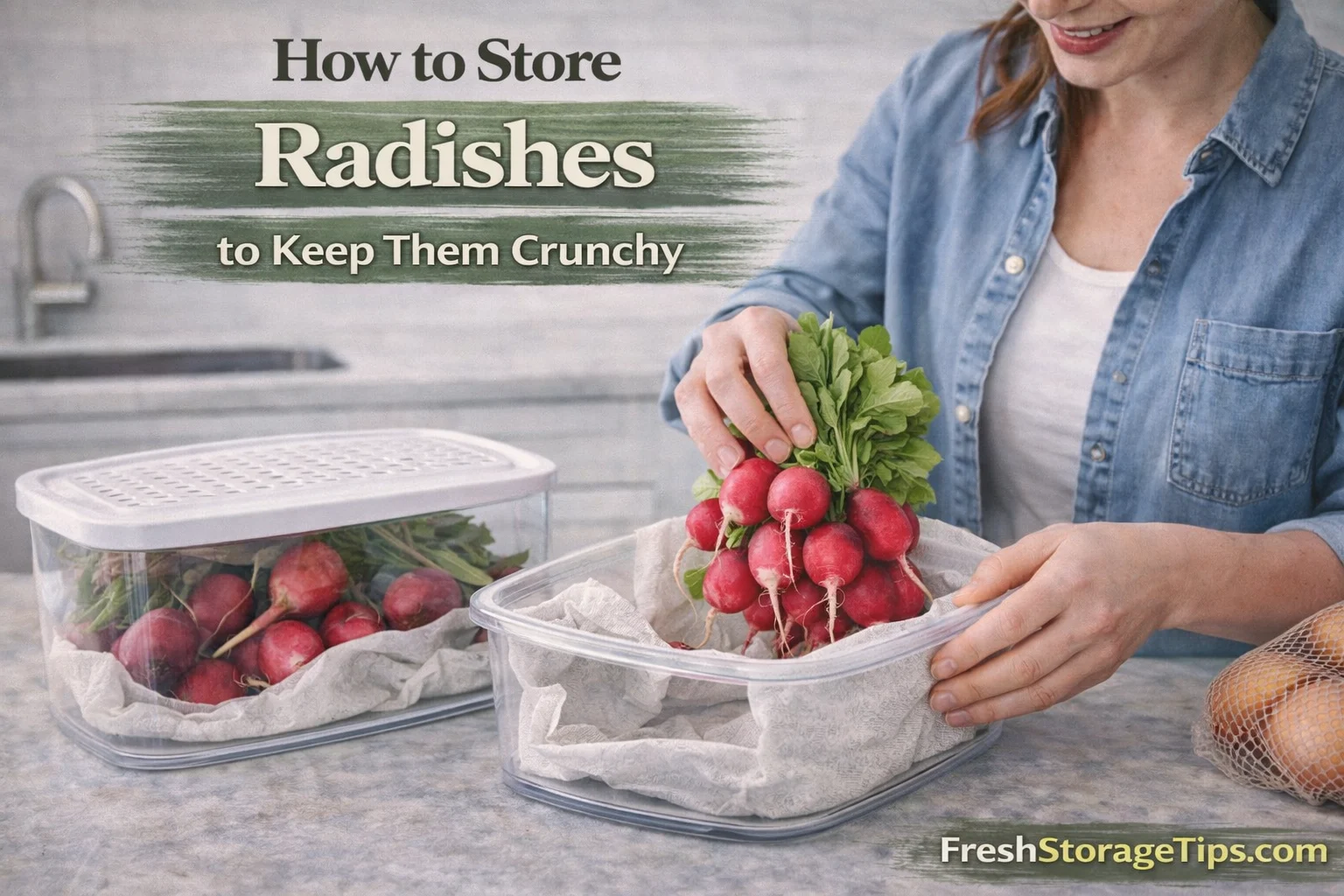
The Peppery Crunch We Love
There is nothing quite like the spicy snap of a fresh radish in a spring salad or atop a taco. They add a burst of color and texture that can elevate a simple meal. However, radishes are deceptively fragile. They look tough like potatoes, but they are actually composed mostly of water. This means they are prone to becoming soft, rubbery, and pithy if not treated with care.
I learned this the hard way after buying a beautiful bunch at the farmers market, greens still attached, and tossing them in the fridge. By the next evening, the greens were slimy and the radishes themselves felt like little sponges. It was a texture nightmare. I realized that treating them like hardy root vegetables was a mistake. They need a storage environment that mimics the moist soil they came from.
The good news is that you can easily double or triple their shelf life with a simple jar of water. This method, often used by professional chefs, ensures that every bite remains as crisp as the day it was harvested. Whether you have standard red globes, spicy daikons, or beautiful watermelon radishes, the principles of hydration are the key to success.
The Science: Why They Go Soft
To keep radishes crunchy, we need to understand the biology of the plant. A radish is a swollen taproot designed to store energy for the leafy greens above.
- The Parasitic Greens: Even after you pick the radish, the leaves try to stay alive. They will aggressively draw moisture and nutrients out of the root to support photosynthesis. This process, called transpiration, dehydrates the radish from the inside out in a matter of hours. Removing the tops immediately breaks this cycle.
- Turgor Pressure: The “crunch” of a radish comes from turgor pressure, which is the internal water pressure pushing against the cell walls. When a radish loses water to the dry air of the fridge, this pressure drops, and the vegetable becomes rubbery. Storing them submerged in water maintains this pressure through osmosis.
- Oxidation: If you cut a radish and leave it exposed, the white flesh will eventually turn greyish and dry out. However, they are less sensitive to oxidation than when you store sweet potatoes, which discolor rapidly. The main enemy here is texture loss, not color change.
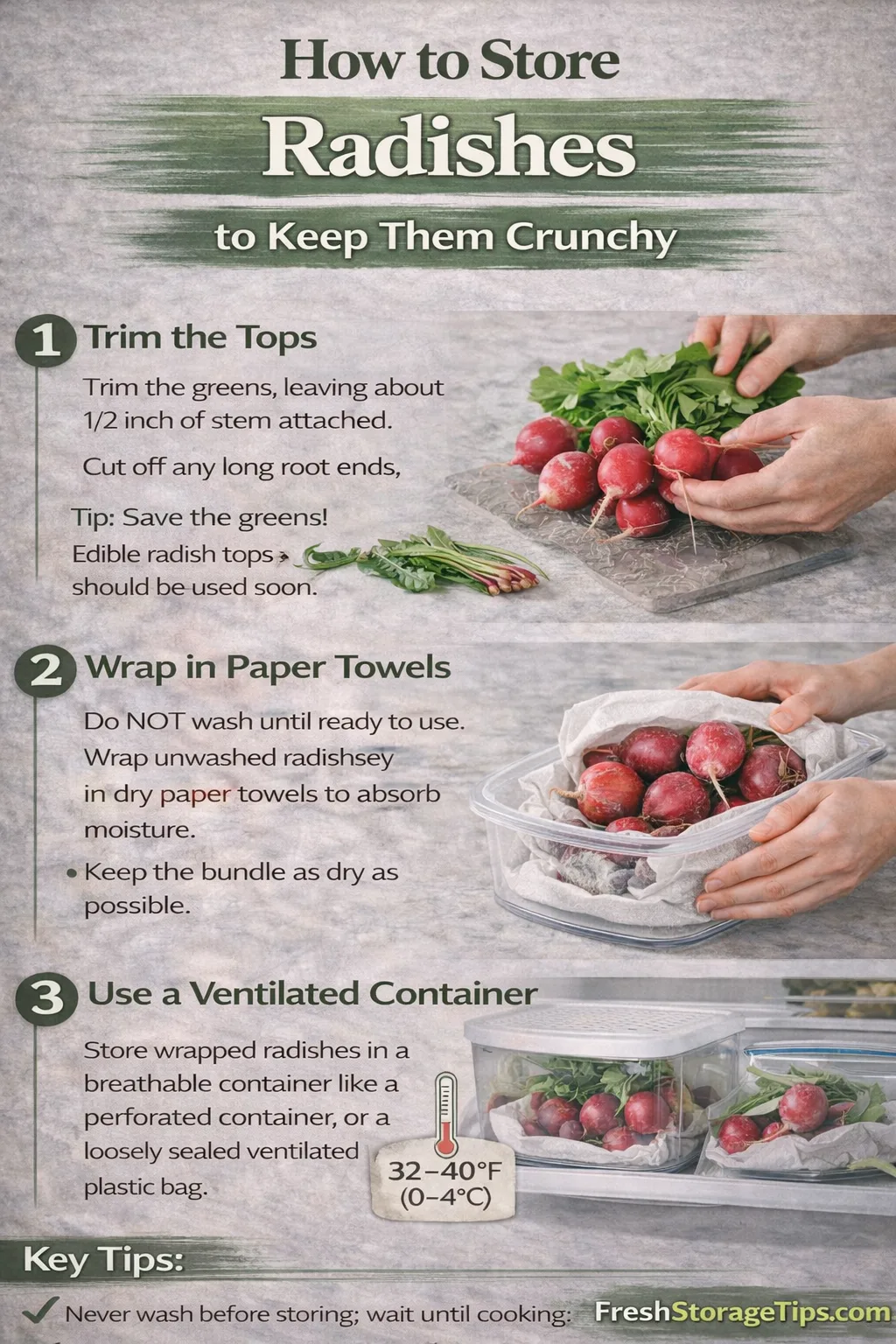
Visual Glance: The Freshness Timeline
This timeline helps you plan your usage. Radishes are fast-growing vegetables, and they can be fast-spoiling if ignored.
In terms of durability, radishes are hardier than when you store arugula, but less robust than carrots. While carrots can sit in a bag for weeks, radishes will develop a hollow, pithy center if left too long without hydration.
Storage Method Showdown
I have tested every method, from wet paper towels to open bowls. Here is the definitive ranking of what works.
Video Guide: The Water Jar Trick
The “Canning” Effect
This video demonstrates the water submersion technique, which is essentially like canning the radishes in cold water without the heat.
Why it works: By surrounding the radishes with water, you create a barrier against oxygen (which causes spoilage) and ensure 100% humidity. The cold temperature of the fridge keeps the water fresh.
This method is particularly useful for meal prepping. You can pull out a few crisp, pre-washed radishes for a salad instantly without having to scrub dirt off them every single night.
Interactive Storage Chart
Filter by the variety of radish you have. Large winter radishes like Daikon have different needs than delicate French Breakfast radishes.
| Type | Best Container | Quality Life | Key Tip |
|---|---|---|---|
| Red Globe | Jar of Water | 2 Weeks | Remove tops and tails first. |
| Daikon (Winter) | Plastic Bag | 1 Month | Wrap in damp towel to prevent shriveling. |
| Sliced/Diced | Airtight Tub | 2–3 Days | Add a wet paper towel on top. |
| Radish Greens | Produce Bag | 2–3 Days | Very perishable. Use for pesto ASAP. |
| Pickled/Fermented | Mason Jar | 6 Months | Great way to save Daikon odor! |
Safety: When to Toss It
Consuming spoiled produce can lead to stomach upset. Referencing guidelines from Nutrition.gov, watch for these signs:
- ⚠️ Mushiness: If the radish yields to gentle pressure or feels like a grape, it is past its prime. The texture will be unpleasant.
- 👀 Pithiness: Sometimes a radish looks fine but feels very light. When you cut it open, the center is dry, white, and spongy. This is safe to eat but tastes like cardboard. Compost it.
- ⚠️ Black Spots: Small black spots on the skin or flesh can indicate a fungal infection known as “black root.” If the spots go deep into the flesh, discard the radish.
Radish Myths Busted
Let’s clear up some kitchen folklore:
- 🚫 Myth: You can freeze them raw. Reality: Because of their high water content, raw radishes turn into mush when thawed. Only freeze them if you plan to cook them in soups or stews later.
- 🚫 Myth: Storing in water leaches nutrients. Reality: While a tiny amount of water-soluble vitamins might leach out over weeks, the trade-off is that you actually eat the vegetable instead of throwing away a shriveled root. The crunch factor makes it worth it.
- 🚫 Myth: The greens are trash. Reality: Radish greens are delicious! They can be used as a substitute in any recipe that calls for Swiss chard or spinach.
Deep Dive: The Sand Method
If you have a root cellar or a cool basement, you can store winter radishes (like Daikon or Black Spanish) for months using damp sand. This is the traditional way our ancestors preserved the harvest.
Instructions: Get a wooden crate or plastic bin. Fill it with clean, slightly damp sand or sawdust. Bury the unwashed radishes in the sand, ensuring they do not touch each other. The sand acts as a regulator, keeping the humidity high while preventing the spread of rot. This method is similar to how you preserve crops when you store beets for the winter.
Reviving Soft Radishes
If you forgot about your radishes and they have gone a bit soft, don’t toss them! As long as they aren’t slimy, you can use the “ice shock” method.
Trim the ends to open the vascular system. Drop the radishes into a bowl of ice water and let them sit for 45 minutes. The cells will re-absorb the water through osmosis, inflating the radish back to its original crunch. It works like magic.
Storage Neighbors
Radishes are part of the brassica family and can emit odors if confined for too long. Daikon, in particular, can smell quite strong. Keep them in sealed containers to prevent their pungent aroma from being absorbed by other foods like butter or cheese.
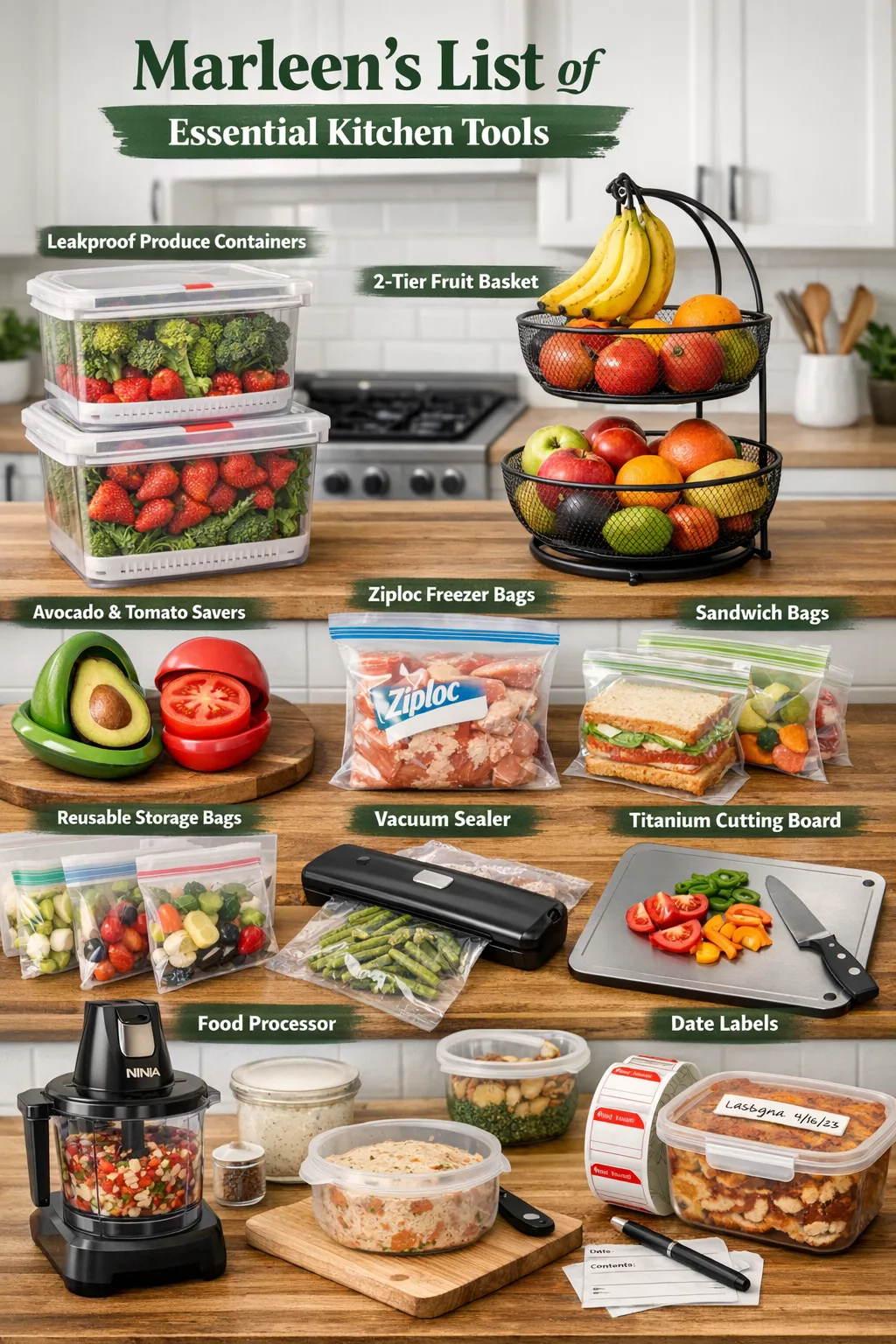
I realized early on in my journey to reduce food waste that the “crisper drawer” is often where good intentions go to die. It is a big, unstructured black hole where vegetables get piled on top of each other, forgotten, and eventually turned into compost. To truly save money and eat healthier, I had to change the way I organized my refrigerator. This meant investing in tools that provide visibility and specific environmental control for different types of produce.
The items I have selected below are the backbone of my “no-waste” kitchen. For example, glass jars are not just for canning; they are the perfect vessel for the water-submersion technique that keeps radishes, carrots, and celery crisp for weeks. Seeing the colorful vegetables floating in clear water right at eye level reminds me to eat them. Specialized produce keepers with adjustable vents allow me to dial in the humidity for leafy greens versus root vegetables, preventing the condensation that leads to slime.
Additionally, having the right prep tools makes the job faster and safer. A good vegetable brush is essential for cleaning root vegetables like radishes without peeling away their nutritious and colorful skin. A sturdy mandoline slicer allows me to turn a bag of radishes into a beautiful, paper-thin salad garnish in seconds, making me more likely to actually use them. By creating a system where your food is clean, visible, and easy to access, you naturally start cooking more and wasting less. These are the tools that help me run my kitchen efficiently every single day.
2-Tier Fruit Basket
Great for keeping onions and garlic separate from fridge veggies.
View on AmazonAs an Amazon Associate, I earn from qualifying purchases.
Sources & Transparency
This guide references food safety storage limits from the FDA HACCP program. Guidance on root vegetable storage and hydration was consulted via the Virginia Tech Food Science department.
Radishes last 1 to 2 weeks in the fridge when stored with their greens removed and kept in a bag with a damp paper towel. Root vegetables like beets last up to 3 weeks in the same high-humidity crisper conditions that suit radishes. Carrots are the most common fridge root vegetable and last 3 to 4 weeks in the crisper, giving them a much longer window than radishes. Sweet potatoes are the opposite of radishes because they should never go in the fridge and prefer a warm, dry pantry instead.
Last updated:
Update Log
- : Added the “hydro-cooling” water jar method and tips for reviving soft radishes.