How to Store Mahi Mahi: Remove the fish from the store packaging immediately. Rinse with cold water and pat completely dry. Place the fillets in a colander set over a bowl filled with crushed ice (ensure the fish does not sit in water). Cover tightly with plastic wrap and store in the coldest part of the fridge. This keeps it fresh for 2 to 3 days.
Food Safety Tip: Seafood is highly perishable. According to the FDA, fish should be kept at temperatures below 40°F (4°C) at all times to prevent bacterial growth.

The Tropical Prize
Mahi Mahi, often called Dolphinfish or Dorado, is one of the most beautiful and delicious catches from warm waters. Its firm texture and mild, sweet flavor make it a favorite for grilling and fish tacos. However, because it is a tropical species, many people assume it can handle warmer temperatures. This is a dangerous misconception. In reality, Mahi Mahi is incredibly sensitive to temperature fluctuations once harvested.
I learned this lesson the hard way after a beach vacation where we bought fresh fillets from the dock. We threw them in the fridge in their plastic bag, and by the next evening, they had developed a sharp, unpleasant smell. It wasn’t just disappointing; it was potentially unsafe. Fish spoils much faster than beef or chicken because the enzymes in fish are adapted to work in cold water temperatures.
To preserve that expensive fillet, you have to do more than just toss it in the vegetable drawer. You need to mimic the environment of a professional fishmonger’s case. Whether you are prepping for a dinner party or saving leftovers, mastering the “ice rig” technique is essential for safety and flavor.
The Science: Histamines and Ice
Storing Mahi Mahi correctly isn’t just about taste; it is a matter of safety. Mahi Mahi belongs to a class of fish that is susceptible to scombroid poisoning if mishandled.
- Histamine Formation: According to NOAA Fisheries, certain bacteria naturally present on the fish can convert an amino acid (histidine) into histamine if the fish gets too warm. This histamine causes an allergic-like reaction when eaten. The scary part is that cooking does not destroy histamine. Once it forms, it is there forever. This is why keeping the fish near 32°F (0°C) is non-negotiable.
- Enzymatic Breakdown: Fish enzymes are designed to function in cold ocean waters. In a standard 40°F fridge, these enzymes go into overdrive, breaking down the flesh and turning it mushy. You need to get the temperature lower than your fridge’s standard setting, which is where the ice comes in.
- Oxidation: Mahi Mahi has a relatively low fat content compared to salmon, but it can still oxidize and turn brown if exposed to too much air. Vacuum sealing or tight wrapping is key to maintaining that vibrant pinkish-beige color.
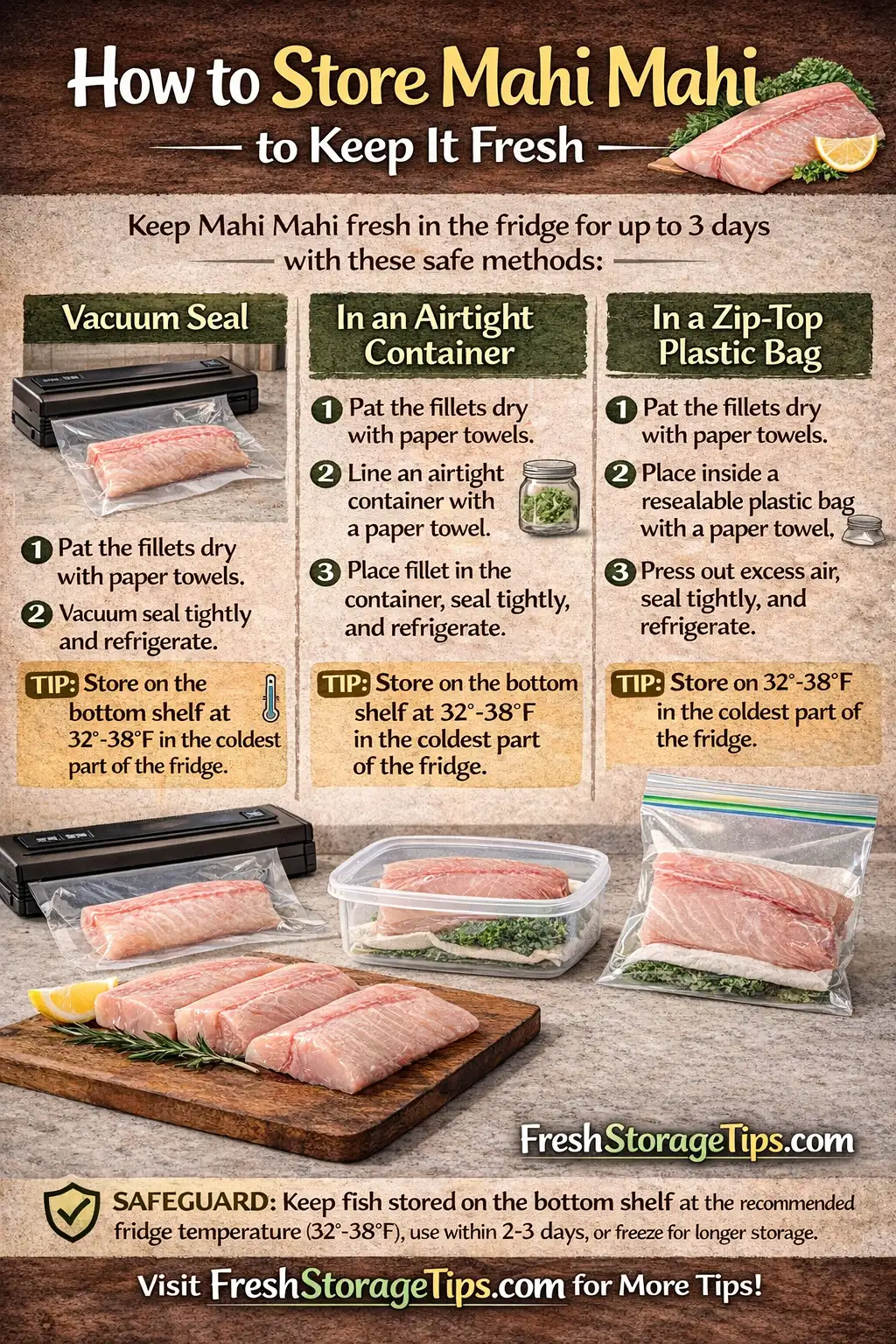
Visual Glance: The Freshness Timeline
This timeline helps you decide when to cook your catch. Fish waits for no one.
If you are accustomed to other types of seafood, treat Mahi Mahi with the same urgency as when you store salmon. While smoked salmon is cured and lasts longer, fresh raw fillets have a very short window of peak quality. Plan to cook them the day you buy them whenever possible.
Storage Method Showdown
The difference between a standard fridge shelf and an “ice rig” is significant. Here is how the methods compare.
Video Guide: Freezing Like a Pro
The Glazing Technique
In this video, fishmonger Hans Haveman shares professional tips on handling fish. While vacuum sealing is great, he demonstrates why keeping air away from the flesh is the ultimate goal.
Key Takeaway: If you don’t have a vacuum sealer, you can use the “glazing” method. Dip the fish in water, freeze it on a tray until a thin ice shell forms, then dip and freeze again. This shell of ice protects the meat from the dry air of the freezer, preventing freezer burn.
He also emphasizes removing the fish from store packaging. Those foam trays and plastic wraps are insulators that can trap heat, keeping the fish in the “danger zone” longer than you think.
Interactive Storage Chart
Filter by the state of your fish. Cooked leftovers behave differently than raw fillets.
| State | Best Method | Safe Time | Risk or Tip |
|---|---|---|---|
| Fresh Raw Fillet | Ice Rig | 2–3 Days | Drain water daily to prevent soupiness. |
| Grilled/Baked | Airtight Container | 3–4 Days | Cool completely before sealing. |
| Thawed (Fridge) | Plate | 1 Day | Do not refreeze once thawed. |
| Vacuum Sealed | Deep Freeze | 9 Months | Lean fish freezes well but dries out easily. |
| Store Package | Fridge Shelf | 1 Day | High risk of temperature abuse. |
Safety: The Sniff Test and More
Mahi Mahi is delicious, but bad fish is dangerous. Referencing safety standards from FoodSafety.gov, here is when to toss it:
- ⚠️ Ammonia Smell: This is the big one. If the fish smells sharp, like cleaning products or ammonia, it is spoiled. Do not rinse it; toss it.
- ⚠️ Slime: Fresh fish is moist and shiny. Spoiled fish develops a sticky, tacky slime that does not rinse off easily.
- 👀 Gaping: If the flesh is separating into flakes (gaping) while it is still raw, it indicates age and poor handling. It might be safe if it smells okay, but the texture will be mushy.
- ⚠️ Peppery Taste: If cooked fish tastes sharp or peppery, stop eating immediately. This is a sign of scombroid (histamine) poisoning.
Mahi Mahi Myths Busted
Let’s clear up some common kitchen folklore about seafood:
- 🚫 Myth: Lemon juice preserves it. Reality: Lemon juice creates an acidic environment that “cooks” the fish (think Ceviche). This ruins the texture for later cooking and does not kill all parasites. Store it plain.
- 🚫 Myth: Thaw on the counter. Reality: Never thaw fish at room temperature. The outside warms up and grows bacteria while the inside is still frozen. Thaw in the fridge overnight.
- 🚫 Myth: The freezer kills all bacteria. Reality: Freezing makes bacteria dormant, but it does not sterilize the fish. If it was old when you froze it, it will be old when you thaw it.
Deep Dive: The Ice Rig Method
I cannot stress enough how much better the “Ice Rig” is than just tossing the bag in the fridge. Here is how to build one:
- Get Two Bowls: Find a colander or perforated pan that fits inside a larger solid bowl.
- Add Ice: Fill the colander with crushed ice.
- Place Fish: Lay the unwrapped, dried fish on top of the ice. You can put a piece of plastic wrap between the fish and ice if you are worried about direct contact, but direct contact is usually fine for short term.
- Top with Ice: Cover the fish with more ice.
- Seal: Wrap the whole bowl setup with plastic wrap.
- Drain: As the ice melts, the water drips into the bottom bowl. Empty this daily. Standing water breeds bacteria, but melting ice keeps the fish at exactly 32°F.
This method can extend the shelf life from 1 day to 4 days easily. See more on general seafood storage.
Thawing Frozen Mahi Mahi Safely
If you have frozen your catch, thawing it correctly is the final step in ensuring quality. According to the USDA, the safest way is the refrigerator method. Place the frozen fish on a plate in the fridge 24 hours before cooking.
If you are in a rush, you can submerge the sealed bag in cold water, changing the water every 30 minutes. Never use warm water, as this degrades the texture of the fish instantly.
Why You Should Remove the Skin
While some fish skin is delicious, Mahi Mahi skin is very thick and leathery. It is generally recommended to remove the skin before storage if you plan to freeze it, or immediately before cooking. Keeping the skin on during short-term fridge storage is fine, but removing it before freezing allows you to wrap the meat tighter and prevent air pockets.
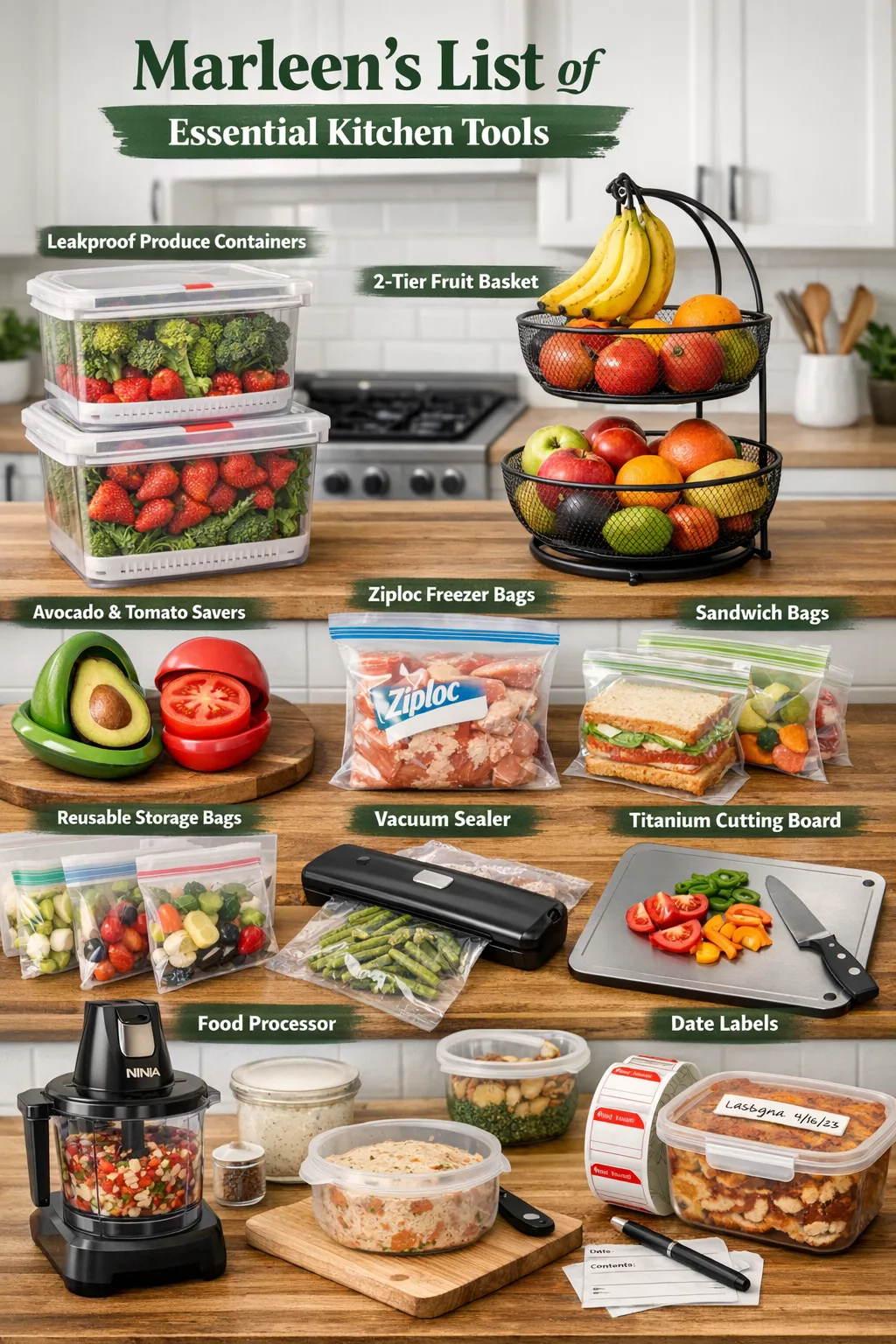
Seafood is often the most expensive item on our grocery list, yet it is also the most fragile. I used to be intimidated by cooking fish at home simply because I was afraid of it spoiling before I could get to it. Once I realized that the “fishy smell” wasn’t inevitable but rather a sign of improper storage, I changed my approach. Investing in the right tools to maintain the “cold chain” in my kitchen has saved me hundreds of dollars in wasted fillets.
The items I have curated below are specifically chosen to help you handle delicate proteins like Mahi Mahi. A high-quality vacuum sealer is, without a doubt, the best investment for any seafood lover. Oxygen causes fat oxidation (which leads to rancidity) and freezer burn. By removing the air, you can keep fish tasting fresh-caught for months. For short-term storage, having the right colanders and pans to create an “ice rig” is crucial. You cannot just use any bowl; you need a system that separates the melting ice water from the flesh.
Beyond storage, proper preparation tools make the process safer and more enjoyable. A flexible fish spatula ensures you don’t break that beautiful fillet when flipping it in the pan. Fish bone tweezers are a small but mighty tool that saves you from the unpleasant surprise of a stray bone. And of course, date labels are essential. In the freezer, everything looks the same after a month. Knowing exactly when you froze that portion helps you rotate your stock efficiently. These tools turn the anxiety of handling raw fish into a confident, professional routine.
Perforated Hotel Pans
Perfect for building a professional ice-draining rig in your fridge.
View on AmazonZiploc Freezer Bags
Essential for the water-displacement method if you lack a sealer.
View on AmazonAs an Amazon Associate, I earn from qualifying purchases.
Sources & Transparency
This guide references food safety storage limits and histamine warnings from the FDA Fish and Fishery Products Hazards Guide. Guidance on scombroid poisoning was consulted via NOAA Fisheries.
Mahi mahi lasts 1 to 2 days in the fridge and 3 to 6 months in the freezer when wrapped in a double layer of plastic. Sea bass is the closest in texture and has the same 1 to 2 day fridge window as mahi mahi. Swordfish is also a firm, meaty fish like mahi mahi and can be stored in the fridge and freezer using the same method. For other tropical firm fish with a similar freshness timeline, grouper spoils at the same rate as mahi mahi and needs the same ice-cold fridge conditions to stay fresh.
Last updated:
Update Log
- : Added specific warnings about histamine development (scombroid) and detailed the “Ice Rig” construction method.