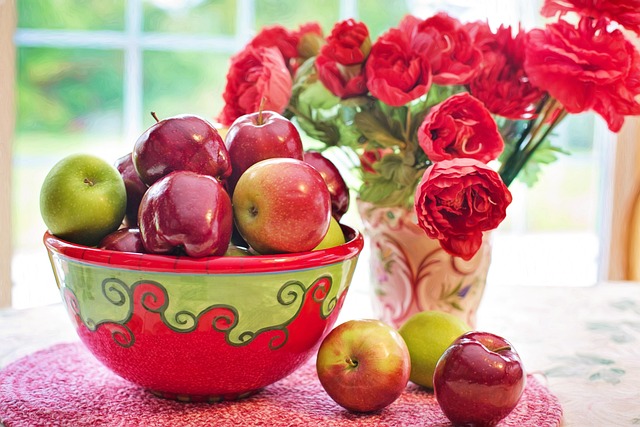
How to Store Apples (Counter vs Fridge: Weeks vs Months)
Apples last 1–2 weeks on the counter and 4–6 weeks in the fridge crisper drawer. Long-storage varieties like Fuji, Granny Smith, and Braeburn kept at 32–35‑°F can last 4–6 months when stored correctly. Store them loose or in a perforated bag — never in a sealed plastic bag — and keep them away from other produce that ethylene gas will spoil.
 By
By I used to keep a bowl of apples on the counter because it looked good. By day five they were soft. By day eight two had wrinkled skin and mealy flesh. The bowl looked beautiful for exactly the wrong reasons — it was warm, open air, and sitting next to the bananas. All three things an apple hates. Unlike strawberries, where moisture is the real problem instead of ethylene, apples are their own worst enemy at room temperature.
The counter-vs-fridge question has a clear, data-backed answer — just like with oranges, where temperature makes a huge difference. But the more interesting part is what happens beyond the fridge: with the right variety and the right conditions, apples can stay crisp for months — not weeks. This is why commercial orchards can sell “fresh” apples in spring that were picked the previous autumn.
Counter: 5–7 days. Fridge crisper: 4–6 weeks. Long-storage varieties at 32–35‑°F: up to 6 months when stored correctly. Store them loose or in a perforated bag — never sealed plastic. Sliced apples: lemon juice + airtight container, 1–2 days. Frozen slices for baking: up to 12 months. Keep apples away from ethylene-sensitive produce — leafy greens, carrots, and broccoli will spoil much faster when stored near apples. See also how to store strawberries for a fruit with the opposite problem (moisture vs ethylene).
Why apples go soft (ethylene is the real cause)
An apple is a living thing after harvest. It continues to respire — taking in oxygen, releasing carbon dioxide — and it produces ethylene gas as a natural ripening hormone. At room temperature, this process runs at full speed. In a cold fridge, it slows dramatically. At 32–35‑°F, it nearly stops.
Ethylene is both the apple’s own enemy and everyone else’s. Apples produce more ethylene than almost any common fruit — which is why storing a bag of apples next to leafy greens, broccoli, or carrots will cause those vegetables to yellow and wilt within days. Separate storage is not a suggestion.
Cell wall breakdown is the second mechanism. The pectin that gives apples their crunch degrades enzymatically as ripening continues. Cold temperature dramatically slows these enzymes. This is why a refrigerated Fuji apple eaten four weeks after purchase can still snap when you bite it — the cell walls have barely changed — while the same apple left on the counter for two weeks turns mealy.
Counter vs fridge — the honest comparison
Fridge crisper
4–6 weeks for most varieties. Long-storage varieties (Fuji, Granny Smith, Braeburn) up to 6 months when stored correctly. The right choice for any quantity beyond what you eat this week.
Counter / fruit bowl
5–7 days. Convenient and fragrant. Only works if you will definitely eat them within the week. Keep away from bananas and avocados.
Sealed plastic bag
Trapped ethylene gas accelerates ripening dramatically even in the fridge. Soft, mealy apples in days. Use a perforated bag or no bag at all.
The counter case
Counter storage is perfectly fine for a week — and for some purposes it is preferable. An apple at room temperature has a more pronounced aroma when you bite in, and the flesh is slightly less firm than a cold-from-the-fridge apple. If you are eating one today or tomorrow, the counter is fine.
Use a wire or mesh fruit bowl rather than a solid ceramic bowl, which traps moisture and warmth underneath the fruit. Keep the bowl away from the hob, direct sunlight, and — critically — away from bananas, avocados, and any stone fruit. Those are all high ethylene producers and will accelerate your apples significantly. Check every couple of days and pull any apple showing soft spots immediately.
The fridge case
The crisper drawer is the right location — not the main shelf or the fridge door. The crisper maintains higher humidity (90–95%) than the main compartment, which prevents the skin from shrivelling and the flesh from dehydrating. If your fridge has two crispers, put apples in one and everything else in the other — the ethylene they produce will affect sensitive produce even through the cold.
A perforated plastic bag (or a bag with a few holes poked in it) helps retain humidity without trapping ethylene. Alternatively, store them loose. Never sealed. The key point is that airflow must be possible so ethylene can dissipate rather than build up.
“Cold storage ruins the flavour of apples.”
This is overstated. UC Davis postharvest research confirms that apples stored at optimal fridge temperature retain their sugar content (Brix), acidity balance, and vitamin C significantly better than room temperature storage beyond 7 days. The perception that refrigerated apples taste worse almost always comes from eating them cold straight from the fridge. Take an apple out 20–30 minutes before eating and the flavour and aroma return fully. The cold does not damage the apple — it preserves it.
Shelf life at a glance
| Situation | Method | How long | Notes |
|---|---|---|---|
| Whole, counter | Wire/mesh fruit bowl, away from bananas | 5–7 days | Check every 2 days. Remove any with soft spots immediately. |
| Whole, fridge crisper | Loose or perforated bag, crisper drawer | 4–6 weeks | Most supermarket varieties. Check weekly for soft spots. |
| Long-storage varieties, fridge | Fuji, Granny Smith, Braeburn — 32–35‑°F | Up to 6 months | Varieties bred for storage. Colder end of fridge range. Do not freeze the flesh. |
| Whole, sealed bag | Plastic bag, any location | 2–3 days before softening | Trapped ethylene accelerates ripening. Never do this. |
| Sliced, fridge | Lemon juice toss + airtight container | 1–2 days | Oxidation and moisture loss begin immediately. Use quickly. |
| Sliced, frozen | Flash-freeze on tray, then freezer bag | Up to 12 months | Texture after thawing is soft — baking only, not fresh eating. |
Storing sliced apples — and keeping them from browning
Cut an apple and the clock starts immediately. The enzymatic browning that turns cut apple flesh brown — the same reaction that affects avocados — is triggered by oxygen contacting the cut surface. The fix is acid: it neutralises the enzymes responsible.
The lemon juice method
- As you slice, place pieces immediately into a bowl of cold water with 1 tablespoon of lemon juice per cup of water.
- Soak for 3–5 minutes.
- Drain well and pat dry. Store in a sealed airtight container in the fridge.
- Use within 1–2 days. After that, texture softens and flavour becomes flat.
This method is recommended by the National Center for Home Food Preservation and works for both short-term fridge storage and pre-treatment before freezing. If you do not have lemon juice, a small amount of apple cider vinegar works similarly — use half the quantity as it is more acidic.
Keep sliced apples away from strong-smelling foods in the fridge. The cut surface absorbs ambient odours aggressively. A sealed container is non-negotiable — not cling film draped loosely. See also how strawberries and oranges handle cut storage for comparison.
My test: counter vs fridge, same bag of Fuji apples, 6 weeks
I bought one 1.5kg bag of Fuji apples and split them — four on the counter in a wire bowl, four loose in the fridge crisper. Same purchase date, same apples.
Counter group at day 7: All still edible. Two had slightly soft patches near the stem. Bite test: noticeably softer than purchase day. Skin starting to wrinkle on one. Removed two.
Fridge group at day 7: All firm. Skin tight. No soft spots. Bite test: crisp, identical to purchase. Left out 25 minutes before eating — full aroma, excellent flavour.
Counter group at day 10: Two remaining had passed their peak. Both edible but mealy. Ate them that day.
Fridge group at week 4: All four still firm. One had a small soft spot — removed. Remaining three: bite test crisp, juice intact, no off flavour.
Fridge group at week 6: Two remaining apples. Slight skin wrinkling on one but flesh still firm and flavourful. The other perfect. Both eaten at week 6 with no quality complaints. Counter group had been gone for over a month.
How to freeze apples — the only method that works
You cannot freeze whole apples and recover anything useful. Ice crystals rupture the cell walls and the flesh turns to mush on thawing. But sliced and properly treated apples freeze extremely well — for baking, not for eating fresh.
How to freeze apple slices
- Peel, core, and slice to your preferred thickness (about ⅓ inch works well for pies).
- Treat with lemon juice — toss in 1 tablespoon per 1kg of apple to prevent browning.
- Flash-freeze in a single layer on a lined baking sheet for 2–3 hours until solid.
- Transfer to a labelled freezer bag, remove as much air as possible, seal, and date.
- Use within 12 months. After thawing, texture is soft and slightly watery — ideal for apple crumble, pie filling, sauce, and baked oats.
The flash-freeze step on the baking sheet is important — it prevents the slices freezing into a solid brick that forces you to use the whole bag at once. Once in the freezer bag, you can pull out exactly what a recipe calls for. The National Center for Home Food Preservation recommends adding ½ teaspoon of ascorbic acid (vitamin C) dissolved in 3 tablespoons of water per litre of apples as a more effective alternative to lemon juice for long-term freezer storage.
“The counter does not keep apples fresh. It just keeps them visible. Those are different things.”
Six rules for keeping apples crisp longer
The crisper maintains 90–95% relative humidity. The main shelf is too dry and too cold at the back. The door temperature fluctuates with every opening.
Trapped ethylene gas is the single fastest way to soften refrigerated apples. Use a perforated bag, a mesh bag, or store loose. Airflow is the primary quality protector.
Apples are high ethylene producers. Keep them in a separate crisper from leafy greens, carrots, broccoli, and cucumbers — all of which wilt and yellow much faster near apples.
A soft apple releases high levels of ethylene. One deteriorating apple in a bag will measurably accelerate all the others. Check weekly and remove any with soft spots.
Cold suppresses the aromatic compounds that give apples their flavour and smell. A brief warm-up restores both. This is why room-temperature apples seem more flavourful — it is temperature, not storage quality.
Fuji, Granny Smith, and Braeburn are bred for storage. Pink Lady and Honeycrisp are best eaten within a few weeks. Matching the variety to your timeline makes a real difference.
How apples compare to other fruit in your kitchen
Apples are among the most storage-tolerant common fruit — better than citrus, far better than berries or stone fruit, and roughly comparable to pears. The key difference between apples and most other fruit is that apples cause ethylene problems for other produce, not the other way around. An apple in a mixed crisper is a liability.
Fruit storage comparison — counter vs fridge at a glance
Apples that have gone slightly soft on the counter are still perfect for applesauce — the texture does not matter once cooked. Freeze it in portions and extend their usefulness by another 6 months.
What I use for apple storage
Simple tools that make the biggest practical difference for apples and other produce.
Wire Mesh Fruit Bowl
The correct counter storage for apples. Wire or mesh allows airflow underneath and around every piece of fruit — the primary defence against ethylene build-up and moisture trapping.
View on AmazonRemovable Date Labels
Label your freezer bags of sliced apples with the date. Frozen apple slices are perfect for 12 months — but only if you know when you froze them. These peel off cleanly with no residue.
View on AmazonReusable Silicone Freezer Bags
Flat, space-saving, and airtight. Perfect for freezing flash-frozen apple slices in portions. Eco-friendly and re-sealable — a much better option than single-use plastic bags.
View on AmazonPrecision Pro Vacuum Sealer
For the longest freezer life, a vacuum sealer removes all air and prevents freezer burn. Frozen vacuum-sealed apple slices stay fresh and flavourful for a full 12 months without quality loss.
View on AmazonAs an Amazon Associate I earn from qualifying purchases — at no extra cost to you.
Apples last 4 to 6 weeks in the fridge and 1 to 3 weeks at room temperature, making them one of the easiest fruits to store for long periods. Oranges should never share a bowl with apples because apples release ethylene gas that speeds up orange spoilage and causes them to become spongy. Bananas produce even more ethylene than apples, so keeping apples near bananas will shorten the shelf life of both. Other fridge fruits like cherries benefit from the same cold environment as apples, though cherries only last 5 to 7 days compared to apples’ 4 to 6 weeks.
Questions people actually ask
Fridge for anything beyond a week. Counter-stored apples last 5–7 days before turning soft and mealy. Fridge-stored apples in the crisper drawer last 4–6 weeks — and long-storage varieties like Fuji, Granny Smith, and Braeburn can last up to 6 months at 32–35‑°F. Take them out 20–30 minutes before eating to restore full aroma and flavour. See how oranges compare — they follow similar counter vs fridge logic but with much lower ethylene output.
About 5–7 days at room temperature in a ventilated fruit bowl. In a warm kitchen above 72‑°F deterioration can start in 3–4 days. Keep away from bananas, avocados, and other ethylene producers — proximity accelerates ripening. Check every two days and remove any with soft spots immediately.
Toss in lemon juice — about 1 tablespoon per cup of cold water — or soak slices for 3–5 minutes. The acid neutralises the enzymes that cause oxidation. Drain well, store in a sealed airtight container in the fridge, and use within 1–2 days. For longer storage, freeze the treated slices on a flat tray first, then bag them.
Yes — sliced, not whole. Whole apples turn to mush when frozen due to ice crystal damage to cell walls. Peel, core, and slice first. Treat with lemon juice. Flash-freeze on a lined baking sheet until solid, then transfer to a labelled freezer bag. Lasts up to 12 months. Texture after thawing is soft — best for pies, crumbles, and sauces rather than eating fresh. Recommended by the National Center for Home Food Preservation.
Apples produce ethylene gas continuously after harvest — one of the highest outputs of any common fruit. At room temperature this accelerates their own ripening and affects everything stored nearby. Cold fridge temperature slows ethylene production and the cell wall enzymes that cause softening. Storing in a sealed bag (even in the fridge) traps ethylene and makes this worse. Store loose, cold, and isolated from other produce.