How to Store Bananas to Slow Ripening
The best way to store bananas is on the counter at room temperature. To slow ripening, wrap the stems in plastic wrap. Once perfectly ripe, you can move them to the refrigerator to keep them fresh for a few more days, though the peel will turn black.
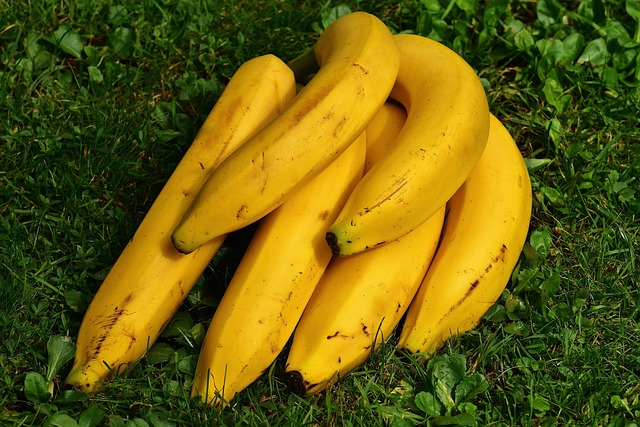
Bananas are an American household staple. They’re affordable, nutritious, and perfectly portable. But they have one major flaw: a notoriously short window of perfect ripeness. One day they’re green, the next they’re perfectly yellow, and then—seemingly overnight—they’re a sad, brown, spotty mess attracting fruit flies.
It’s a frustrating cycle of waste. But what if you could control how fast your bananas ripen? Learning how to store bananas correctly is a simple skill that can save you money and ensure you always have a perfectly ripe banana ready for your morning oatmeal or afternoon snack. This breakdown covers the science of ripening and the simple tricks to slow it down.
The Science: Why Bananas Ripen So Fast
The secret to a banana’s rapid transformation lies in a plant hormone called **ethylene gas**. As bananas ripen, they release ethylene from their stems. This gas triggers the conversion of starches to sugars, which is why bananas get sweeter and softer as they ripen. It also causes the green chlorophyll in the peel to break down, revealing the yellow color underneath.
The problem is that ethylene is a runaway train. The more a banana ripens, the more ethylene it produces, which in turn makes it (and any fruit around it) ripen even faster. The key to keeping bananas from ripening too fast is to control the release and concentration of this gas.
The Secret to Keeping Bananas Fresh
Project: The Plastic Wrap Trick
So, how do you stop that ethylene gas from turning your bananas brown overnight? The video here demonstrates the single most effective trick for slowing down the ripening process.
The secret is simple: wrap the stems in plastic wrap. Since most of the ethylene gas is released from the stems, creating an airtight barrier right at the source significantly slows down the ripening process. For even better results, you can separate the bananas and wrap each stem individually.
This simple hack can give you several extra days of perfectly yellow bananas. It’s a game-changing tip for anyone who loves this fruit, and a great example of the simple science we explore on our food storage blog.
How to Store Bananas: Counter vs. Fridge vs. Freezer
The best place for your bananas depends on their stage of ripeness and how soon you want to eat them.
Countertop Storage (The Standard Method)
- Hang Them Up: The best way to store bananas on the counter is on a banana hanger. This prevents bruising on the bottom of the fruit, which can lead to soft spots and faster spoilage.
- Keep Them Separate: Remember that ethylene gas? Keep your bananas away from other fruits (like apples and avocados) unless you want to ripen those other fruits more quickly.
- Wrap the Stems: Use the plastic wrap trick mentioned above to get a few extra days of freshness.
Refrigerator Storage (The “Pause Button”)
This is a controversial one, but yes, you can refrigerate bananas! The key is to only do it **after** they have reached your desired level of ripeness.
- What Happens: The cold temperature will stop the fruit inside from ripening further. However, the cold will cause the enzymes in the peel to turn it dark brown or black. Don’t be alarmed!
- The Result: While the peel may look unappetizing, the fruit inside will remain perfectly firm and fresh for several extra days. It’s a great way to save a perfectly ripe banana from going over the edge.
Freezer Storage (For Overripe Bananas)
Did your bananas get too brown and spotty? Don’t throw them out! This is when they are sweetest and most flavorful—perfect for freezing.
- How to Do It: Peel the bananas first! A frozen banana is nearly impossible to peel. You can freeze them whole, sliced, or mashed. Place them in an airtight freezer bag or container.
- How Long it Lasts: They will keep for up to 3 months and are perfect for making smoothies, banana bread, or “nice” cream.
My Kitchen Toolkit: For Banana Lovers
A few simple tools can make storing and using bananas even easier, especially when it comes to preserving those overripe ones for later.

Banana Hanger
This simple tool is the best way to store bananas on your counter. It promotes even ripening and prevents the bruising that leads to soft spots.
Check Price on Amazon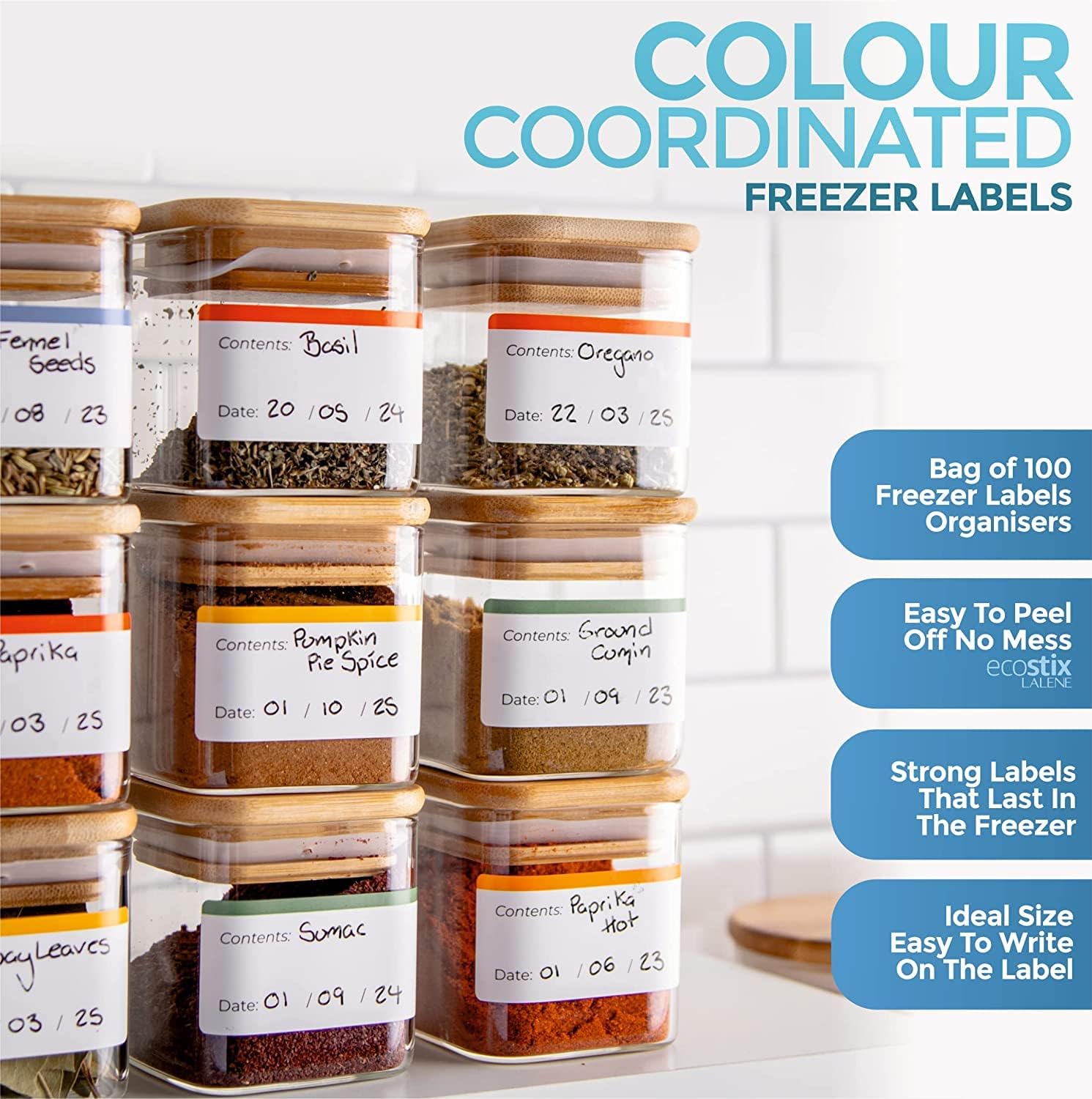
Color-Coding Labels
I use these to organize my freezer. One color for bananas, another for other fruits. It makes grabbing what you need for a smoothie quick and easy.
Check Price on Amazon
Reusable Food Storage Bags
An eco-friendly way to freeze your peeled, overripe bananas. They create a great airtight seal to prevent freezer burn.
Check Price on Amazon
Precision Pro Vacuum Sealer
For the ultimate freezer protection, a vacuum sealer is unbeatable. It removes all air, preventing ice crystals and keeping your bananas fresh for months.
Check Price on AmazonYour Banana Storage Questions, Answered
What is the best way to store bananas to keep them fresh?
The best way to store bananas is at room temperature, away from direct sunlight, and separated from other fruits. Hanging them on a banana hook can also prevent bruising. To slow down ripening, you can wrap the stems of the bunch in plastic wrap.
How do you keep bananas from ripening too fast?
To slow down ripening, separate the bananas from each other and wrap each individual stem tightly in plastic wrap. Once they reach your desired level of ripeness, you can move them to the refrigerator to halt the ripening process for a few more days.
Is it okay to put bananas in the refrigerator?
Yes, you can put ripe bananas in the refrigerator. The cold temperature will stop the fruit inside from ripening further and keep it fresh for several more days. However, the peel will turn dark brown or black, which is normal and does not affect the fruit inside. This is a common practice supported by university extension programs like Penn State Extension.
Can you freeze bananas?
Yes, freezing is an excellent way to store overripe bananas. Peel them first, then you can freeze them whole, sliced, or mashed in an airtight container or freezer bag. They are perfect for smoothies, baking banana bread, or making ‘nice’ cream. This is a great way to reduce food waste, a goal supported by agencies like the FDA.
How do you store a cut banana?
To store a cut banana, leave the peel on the unused portion and cover the exposed end tightly with plastic wrap. You can also rub a little lemon or lime juice on the cut surface to prevent browning. Store it in the refrigerator and use it within a day.
Your Banana Storage Cheat Sheet
The four essential rules for mastering the art of banana storage.
Wrap the Stems
Action: Cover the stems of your banana bunch with plastic wrap.
Result: Slows down the release of ethylene gas, keeping them fresh longer.
Hang Them Up
Action: Store bananas on a hook instead of in a bowl.
Result: Prevents bruising and promotes even ripening.
Refrigerate When Ripe
Action: Move perfectly ripe bananas to the fridge.
Result: Hits the “pause” button on ripening for a few extra days (ignore the black peel!).
Freeze the Brown Ones
Action: Peel overripe bananas and freeze them in an airtight bag.
Result: A perfect, no-waste solution for future smoothies and banana bread.
Our Process & Sources
This information is compiled using established food science principles and food safety guidelines from U.S. government agencies like the CDC to provide the most reliable and up-to-date advice for your kitchen.
Bananas last 2 to 7 days at room temperature depending on ripeness and can be frozen for up to 3 months once peeled. Apples should never share a bowl with bananas because bananas release more ethylene gas than almost any other fruit, which causes apples to ripen and go mealy within days. Placing bananas near avocados that need to ripen is actually useful because the ethylene speeds up the process by 1 to 2 days. Overripe bananas are perfect for banana bread, which keeps for 3 to 4 days at room temperature or up to 3 months in the freezer.
Last updated: