How to Store Fresh Ginger for Long-Term Use
Fresh ginger can last 3 to 4 weeks in the fridge when kept airtight, but it may stay perfect for 6 months or more in the freezer. Freezing is the best way to keep ginger firm and easy to grate without any waste!

The Shriveled Ginger Root Mystery
I cannot tell you how many times I have reached into the bottom of my produce drawer, hoping to find that lovely, spicy root I bought last week, only to pull out something that looks like a wrinkled old finger. It is a common kitchen heartbreak, especially when you are halfway through preparing a beautiful stir fry or a soothing pot of tea. Ginger is one of those ingredients that feels like a solid little rock when you buy it, but it can turn soft and fuzzy faster than a bowl of berries if you do not treat it with a bit of motherly love.
In our home, we try to be very mindful about what we buy. Much like when we discussed the best ways to store chocolate milk for the little ones, everything in the kitchen needs its own special place. I have spent years testing different ways to keep my aromatics fresh because there is nothing more frustrating than having to run back to the market for a single ingredient. It may seem like a small detail, but knowing the difference between a fridge shelf and a freezer bag can save you quite a bit of money over the course of a year.
I often think about ginger as the “energy” of the pantry. It has such a vibrant, punchy flavor that can wake up even the most boring dish. However, it is a living plant part, and it wants to either grow or go back to the earth. Whether you are a fan of kombucha or you love adding a spicy kick to your morning iced coffee, keeping your ginger in top shape is the first step to a delicious result. Let’s look at why this root is so temperamental and how you can master its storage once and for all.
Ginger Scoop: Why It Turns Quick
Ginger is a rhizome, which is just a fancy way of saying it is an underground stem. It is naturally designed to hold onto moisture, but once it is harvested and brought into our dry kitchens, that moisture begins to evaporate. This can lead to that shriveled, rubbery texture that makes it so hard to peel. On the other hand, if you leave it in a plastic bag with too much humidity, mold can settle into those little nooks and crannies before you can even say “dinner time.”
- Oxidation: Air can dry out the cut ends, making the flesh woody and tasteless.
- Humidity: Too much moisture trapped in a bag may encourage fuzzy white or green mold.
- Temperature Swings: Constant changes in temperature can make the root go soft and lose its crisp bite.
It is quite a similar situation to when people ask about how to store coconut water after it has been opened. Both items are full of delicate natural sugars and minerals that bacteria love. For ginger, the goal is to balance the humidity. You want it to be “comfortable,” not too dry and not too wet. When you find that sweet spot, you might be surprised at just how long it can stay spicy and firm.
The FDA and other safety groups suggest that produce should always be checked for mold before use. In my kitchen, I have found that ginger can be one of the trickiest things to judge just by looking at the outside skin. Sometimes the rot starts deep inside where the root was broken apart at the grocery store.
Visual Glance: Ginger Staying Power
This chart can show you how different spots in your kitchen may affect the life of your ginger. A little bit of chill can go a very long way.

Infographic: The Path to Eternal Freshness
Looking at this infographic can help you visualize the steps to keeping your roots spicy. It highlights the main stages of storage from the moment you bring that “hand” of ginger home. You might notice that the first step is always to dry the root if it feels damp. Moisture is the biggest enemy when you are trying to keep things in the fridge. This infographic can be a great reminder to tuck into your recipe book or tape inside a pantry door.
The visual guide also emphasizes why the freezer is such a miracle for ginger lovers. It shows how the cell structure changes, making the root actually easier to use for certain dishes. If you have ever struggled with the stringy fibers of fresh ginger, the freezing method shown here may be your new favorite secret. By following these visual cues, you can ensure that you always have a firm, flavorful piece of ginger ready for your favorite recipes without any of the waste that usually comes with fresh produce.
Spicy Root Truths
Video Lowdown: Ginger Storage Masterclass
Ginger is a powerhouse of health benefits, but those benefits can fade if the root goes bad. This video explains the science behind the spice and shows you exactly how to handle it.
Key bits to watch for:
- Probiotics and Spice: How ginger can support your digestion.
- The Peeling Trick: Why a spoon may be better than a knife.
- Freezer Grating: See how easy it is to use ginger straight from the ice.
It can improve your kitchen flow, just like knowing the smoked salmon storage secrets helps during a busy brunch prep.
Interactive Ginger Storage Chart
Filter by your favorite storage spot or search for ‘peeled’ to find the best fit for your needs.
| Ginger State | Storage Spot | Typical Life | Marleen’s Pro Tip |
|---|---|---|---|
| Unpeeled Root | Fridge (Airtight) | 3-4 Weeks | Press as much air out of the bag as you can. |
| Whole Root | Freezer (Bag) | 6+ Months | Grate while frozen; no peeling required! |
| Peeled Root | Fridge (Jar) | 1 Week | May stay fresh longer in a jar of spirits. |
| Unopened Hand | Cool Pantry | 1 Week | Avoid if your kitchen is very humid. |
| Minced/Grated | Freezer (Trays) | 3 Months | Perfect for dropping into soups. |
Ginger Spoilers
Fresh ginger can be quite sensitive to its surroundings. You can protect your root by avoiding these four main spoilers:
- ⚠️ Air: It can oxidize the flesh and turn it woody. Block: Keep it airtight!
- ⚠️ Moisture: Standing water may lead to mold growth on the skin. Block: Wrap in a paper towel first.
- ⚠️ Light: Strong light can sometimes cause the root to sprout. Block: Use the dark crisper drawer.
- ⚠️ Warmth: This may speed up the aging process. Block: Keep it at a steady cool temperature.
The USDA suggests that most vegetables thrive when kept away from moisture, and ginger is no exception. In the humid US summers, the fridge is almost always the safest choice.
Ginger Myths Busted (With a Chuckle)
I have heard many tall tales about this spicy little root. Let’s clear some up with a motherly smile:
- 🚫 Myth: You must peel ginger. Reality: If it is fresh and clean, the skin is perfectly edible! (Though it can be a bit tough, dear.)
- 🚫 Myth: Soft ginger is just ripe. Reality: No, honey, soft ginger is starting to rot. (It is not an avocado!)
- 🚫 Myth: Freezing ruins the flavor. Reality: It may actually preserve the spice better than the fridge. (Ice is your friend!)
- 🚫 Myth: Peeling with a knife is best. Reality: A spoon can peel those curves without wasting any flesh. (Save your root!)
Just like knowing the signs chicken breast is bad, being a bit of a detective with your aromatics can keep your kitchen safe and spicy.
My Three Month Ginger Stash Test
I decided to do a little experiment in my own kitchen last winter. I bought a large hand of ginger and split it into three pieces. Piece A stayed in an open bowl on the counter. Piece B went into a plastic bag in the fridge crisper. Piece C went into a freezer bag in the deep freeze. By day seven, Piece A was rubbery and sad. By week four, Piece B started to show a few white spots of mold. But Piece C? Three months later, I pulled it out, grated it into a stir fry, and it tasted just as vibrant as the day I bought it!
This little test proved to me that for someone like me who doesn’t use ginger every single day, the freezer is a total lifesaver. It is a bit like managing our grocery budget: we have to plan for the future. Freezing can be a wonderful way to ensure that you never have to throw away a shriveled piece of food again. It is one of those motherly tricks that just makes life easier.
Your Ginger Quick Hits
Fast answers for your favorite root.
| If your ginger is… | Smart Snap Move | Score |
|---|---|---|
| Whole and Raw | Seal tight in the fridge drawer. | 4 weeks of spice. |
| Already Peeled | Fridge in a small glass jar. | Use within a week. |
| Too Much to Use | Toss it in the freezer whole! | 6 months of ease. |
| Fuzzy or Slimy | When in doubt, throw it out! | Zero risk taken. |
Unopened Hands: Shelf Steadies
If you have just brought home a large “hand” of ginger and you know you will use it within a few days, the countertop can be fine. However, you should avoid spots that get direct sunlight or are near the heat of your stove. A cool, dark corner of the pantry may be better if your kitchen tends to get warm. Keep in mind that humidity can be a root’s worst enemy, so if your house is very damp, you may want to move it to the fridge sooner rather than later.
I always tell my family that organized storage is the key to a happy kitchen. Much like when you are trying to keep cocktail syrup or other sweet things, the shelf is only for things you plan to finish quickly. If that ginger sits out for more than a week, it can start to lose its internal moisture, and you will be left with a woody piece of root that is no fun to cook with at all.
Opened Roots: Fridge Fixes for Fresh
Once you have cut into a piece of ginger, the clock starts ticking a bit faster. The refrigerator is the best place for an opened root, provided you keep it in an airtight environment. I have found that placing the ginger in a resealable plastic bag and squeezing out as much air as possible can work wonders. Some people like to wrap it in a damp paper towel, but I have found that can sometimes lead to mold if you are not careful. A dry paper towel can often be a safer bet to absorb any excess moisture.
You can also store peeled ginger in a jar filled with a bit of spirits or acidic liquid. This is a bit of an old world trick that can keep the root firm for several weeks. However, it may change the flavor profile slightly, so only do this if you enjoy that extra “kick” in your cooking. Regardless of the method, you should always perform a quick check for any soft spots or discoloration before you start your meal prep. Safety is a mother’s first priority, after all!
Freezer Plays: The Ultimate Buddy for Ginger
Freezing is, in my humble opinion, the absolute best way to store ginger. It is a true kitchen miracle! You do not even have to peel it before you toss it into a freezer bag. When you need a bit for a recipe, you can pull the whole frozen root out and grate it directly into your bowl. The skin is so thin and the frozen flesh is so firm that it grates like a dream without any of those annoying fibers getting in the way. It can stay high quality for six months or more, which means you never have to worry about wasting a single scrap.
If you prefer to have things pre-portioned, you can mince or grate the ginger and freeze it in ice cube trays with a little water or oil. Once frozen, you can pop those spicy cubes into a bag for easy use. This is so handy for dropping into a hot soup or a bubbling pot of rice. It is a bit like how we handle coconut water in the freezer: portioning can make your future life so much simpler. Just make sure everything is labeled so you don’t confuse your ginger cubes with your lemon ice!
Spot Spoiled Ginger: Sense Scans
If you are worried that root in the back of the drawer has seen better days, use your “mom senses” to performing a quick scan. It is the best way to keep everyone at the table safe and happy:
- The Sniff Test: Fresh ginger should smell spicy and sharp. If it smells musty, sour, or like old earth, it has likely gone bad.
- The Touch Test: Give it a gentle squeeze. It should be as firm as a potato. If it feels soft, hollow, or “squishy,” it is time to say goodbye.
- The Sight Test: Look for those fuzzy spots of white or green mold. Also, if the flesh inside has turned dark yellow or brown, it may be past its prime.
Sometimes you might see a bit of blue or grey in the center of the root. This can sometimes be a natural variation in certain types of ginger, but if it is accompanied by a change in texture or smell, do not take the risk. Healthline and other experts agree that food poisoning is never worth a $2 root. Listen to what your senses are telling you, dear.
Leftovers to Lively: Ginger Twists
If you have a bit of ginger left over and you don’t want to freeze it, there are so many lovely ways to use it up before it goes south. No food should ever go to waste in a busy home! Here are a few motherly ways to use up your ginger stash:
- Ginger Tea: Slice it thin and steep it in hot water with honey for a tummy-soothing treat.
- Simple Syrup: Boil it with sugar and water to create a spicy base for your summer drinks.
- Ginger Honey: Finely mince it and stir it into a jar of honey for a long lasting, throat-soothing spread.
- Ginger Pickles: Thinly slice and soak in rice vinegar for a quick condiment for your next rice bowl.
These little twists can help you get through your ginger while it is still at its peak. It is all about being a savvy kitchen manager! My grandmother used to say that ginger was as good for the soul as it was for the stomach, and I have found that to be very true. Just keep those roots dry and sealed, and you will be a ginger pro in no time at all.
Handy Gear for Root Handling
Keeping your aromatics fresh is so much easier with the right tools. Here are a few items I use in my own kitchen to keep things organized.

Removable Glass Labels
You can use these to date your jars of minced ginger so you never have to guess how old they are.
Check Price on AmazonAs an Amazon Associate, I earn from qualifying purchases.
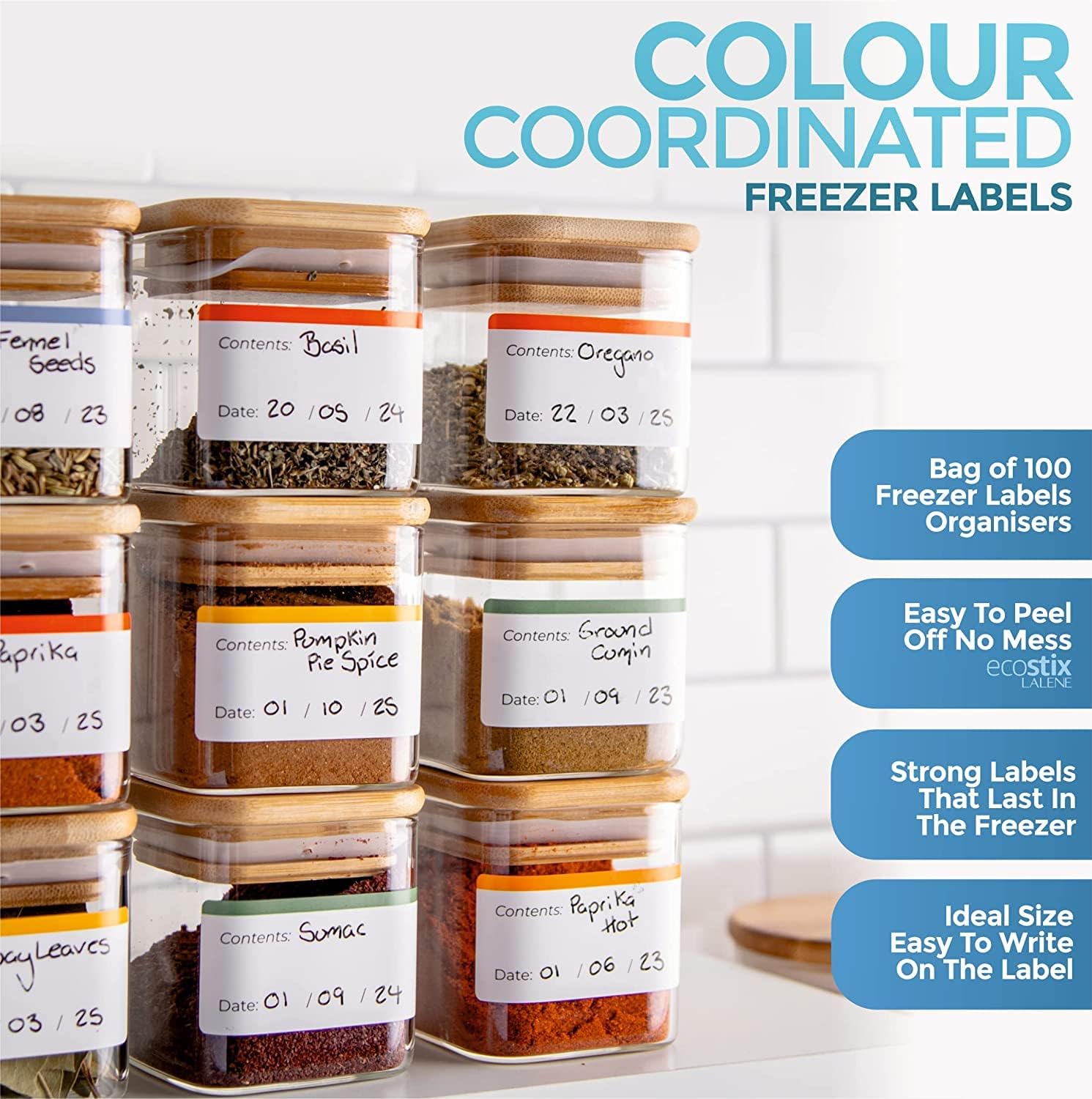
Color-Coded Freezer Labels
I love using these to mark my frozen ginger bags so I can find them at a glance among the other vegetables.
Check Price on AmazonAs an Amazon Associate, I earn from qualifying purchases.

Reusable Silicone Bags
These may be used to store whole ginger roots in the freezer without any risk of plastic leaks.
Check Price on AmazonAs an Amazon Associate, I earn from qualifying purchases.

Precision Vacuum Sealer
While not strictly necessary for ginger, this is perfect for keeping your bulk meat and dry goods fresh for years.
Check Price on AmazonAs an Amazon Associate, I earn from qualifying purchases.
Sources & Transparency
This guide was developed based on safety information from the FDA, the USDA, and various university food science extensions. Our goal is to provide practical home advice backed by solid safety guidelines. You can read more about my mission in our food storage blog.
A whole piece of fresh ginger lasts 3 weeks in the fridge, 6 months in the freezer, and up to 1 month at room temperature in a cool, dry spot. Garlic is often kept alongside ginger in the kitchen but whole garlic bulbs last up to 6 months at room temperature, far longer than fresh ginger. Root vegetables like beets last up to 3 weeks in the fridge crisper and share the same cold storage zone as peeled or cut ginger. Fresh herbs are another kitchen staple that benefits from the same cold water trick as ginger and last up to 2 weeks stored upright in a jar of water.
Last updated:
Update Log
- : Added detailed sections on freezer grating, sense scans, and the path to eternal freshness infographic.