How to Store Tea to Protect Flavor and Aroma
The best way to store tea is in an opaque, airtight container in a cool, dark, and dry place like a pantry. This protects the leaves from light, air, and moisture. Avoid the refrigerator. Stored this way, black tea can last for years, while green tea is best within a year.
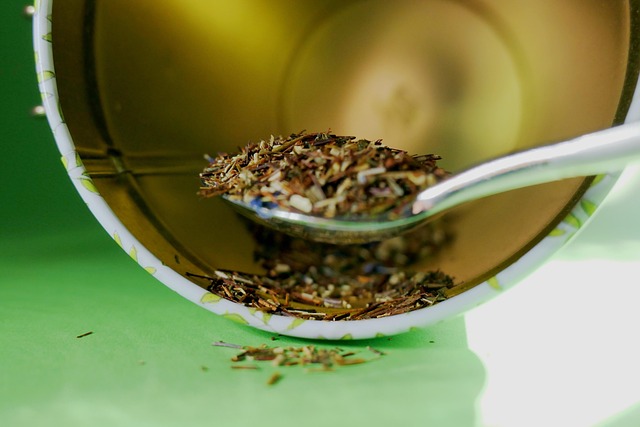
Whether you’re a casual tea drinker or a connoisseur, you’ve probably experienced it: you brew a cup of your favorite tea, and it just tastes… flat. That vibrant aroma and complex flavor you loved are gone, replaced by a dull, lifeless taste. What happened?
The culprit is almost always improper storage. Tea leaves are delicate, and they have five mortal enemies: light, heat, moisture, odor, and air. Protecting your investment—whether it’s a simple box of tea bags or a prized loose-leaf oolong—is crucial. This breakdown covers the simple science of keeping tea fresh and the proven methods to preserve its flavor for months, or even years.
The 5 Enemies of Fresh Tea
To understand how to store tea, you first need to know what you’re fighting against. These five factors will degrade the quality of your tea leaves faster than anything else:
- Light: UV rays from sunlight are incredibly damaging. They break down the chemical compounds in tea, causing the flavor to fade and become stale.
- Heat: Warm temperatures accelerate the oxidation process, “cooking” the delicate leaves and destroying their nuanced aromas. Never store tea near a stove, dishwasher, or sunny window.
- Moisture: Tea leaves are dried for a reason. Any exposure to moisture or humidity can ruin the flavor and, in a worst-case scenario, lead to mold.
- Odor: Tea leaves are like little sponges—they will absorb any strong smells around them. Storing your Earl Grey next to your garlic is a recipe for disaster.
- Air: Oxygen is the final enemy. Exposure to air leads to oxidation, which causes the essential oils in the tea to evaporate, taking all the flavor and aroma with them.
Proof in the Cup: An 8-Month Storage Experiment
Project: Which Storage Method is Truly Best?
Common knowledge is one thing, but what happens in a real-world test? The video here documents a fascinating 8-month experiment that put different storage methods to the test with delicate Green, Yellow, and Oolong teas.
The host stored the same teas in five different ways: in the original bag, in a glass jar on a windowsill, in the fridge, in the freezer, and in an opaque, airtight tea caddy. After eight months, a blind taste test revealed a clear winner and some surprising losers.
- The Worst Performers: The tea stored in the glass jar on the windowsill (exposed to light and heat) and the tea left in the original, non-airtight bag were by far the worst. They tasted flat, stale, and had lost all their character.
- The Winner: The tea stored in the opaque, airtight caddy in a dark cupboard was the clear winner, tasting almost identical to a freshly opened sample.
This experiment proves that the two most critical factors in preventing tea from losing flavor are protecting it from light and air.
The Best Way to Store Tea: Your Simple Setup
Based on the science and the experiment, the rules for perfect tea storage are simple. Your goal is to create a personal fortress for your tea leaves.
The Golden Rule: Use an Opaque, Airtight Container
This is the single most important thing you can do. An ideal container will block both light and air.
- Best Choice: A metal tea tin or a ceramic jar with a tight-fitting lid.
- Good Choice: An opaque, vacuum-sealable bag.
- Acceptable Choice: A dark-colored glass jar, but only if you store it inside a dark cupboard.
- Avoid: Clear glass jars left on the counter, and the original paper or cardboard box the tea came in (these are not airtight).
Location, Location, Location: The Cool, Dark Pantry
Once you have the right container, find the right home for it. A kitchen pantry or a cupboard that is away from the stove, sink, and any sunny windows is perfect. This keeps the tea at a stable, cool room temperature and away from moisture and odors.
The Refrigerator Myth
It’s a common mistake to think the fridge will keep tea fresh. In reality, it’s one of the worst places for it. The refrigerator is a high-moisture, high-odor environment. Every time you take the cold container out, condensation can form, introducing moisture to the leaves. Plus, your tea will start tasting like last night’s leftovers. Just say no to the fridge.
My Kitchen Toolkit: For the Organized Tea Drinker
Properly storing your tea, especially if you buy in bulk or have multiple types, is key to preserving its quality. These tools are essential for organization and freshness.

Removable Food Labels
A must-have for your tea tins. Label each container with the type of tea and the date you bought it so you can use your most delicate teas first.
Check Price on Amazon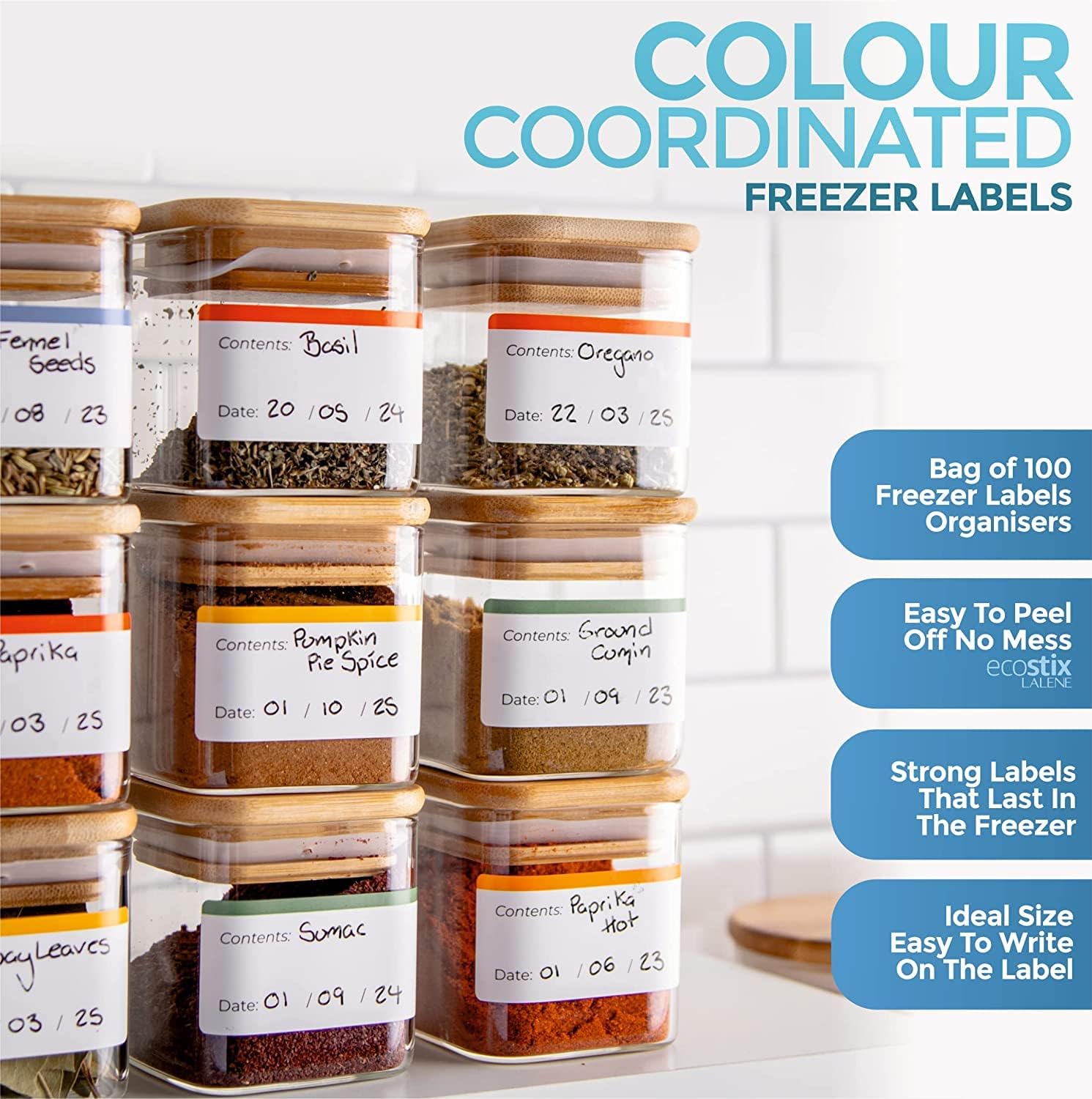
Color-Coding Labels
I use these to organize my tea collection. Green labels for green tea, black for black tea, etc. It makes finding the right tin quick and easy.
Check Price on Amazon
Reusable Food Storage Bags
If you’re buying bulk tea, these opaque, airtight silicone bags are a great way to portion it out for storage while keeping it protected from light and air.
Check Price on Amazon
Precision Pro Vacuum Sealer
For the ultimate long-term storage of large quantities of tea, a vacuum sealer is unbeatable. It removes all oxygen, effectively stopping oxidation in its tracks.
Check Price on AmazonYour Tea Storage Questions, Answered
What is the best way to store loose leaf tea?
The absolute best way to store loose leaf tea is in an opaque, airtight container (like a metal tin or ceramic jar) in a cool, dark, and dry place like a kitchen pantry. This protects it from its main enemies: light, air, moisture, and heat.
Does tea go bad or expire?
Dry tea doesn’t spoil or become unsafe to drink in the way that perishable foods do. However, it does lose its flavor, aroma, and beneficial compounds over time. While you can drink old tea, it will likely taste stale and flat. This is a general principle for dry goods, as noted by food preservation resources like Penn State Extension.
Should you store tea in the refrigerator or freezer?
It is strongly recommended not to store tea in the refrigerator, as it can absorb moisture and odors, which will ruin the flavor. The freezer can be used for long-term, unopened storage of some delicate green teas, but it’s risky due to condensation and generally unnecessary if you have a proper airtight container.
How long does tea stay fresh?
It depends on the type. Delicate green and white teas are best consumed within 6-12 months. Black and oolong teas are more stable and can stay fresh for 2-3 years. Aged teas like Pu-erh can actually improve with age.
Is it okay to store tea in a clear glass jar?
Storing tea in a clear glass jar is not ideal because it exposes the leaves to light, which degrades the flavor. If you use a glass jar, you must store it inside a dark cupboard or pantry at all times.
Your Tea Storage Cheat Sheet
The four essential rules for keeping your tea flavorful and fresh.
Block the Light
Action: Use an opaque container like a metal tin or store your jar in a dark cupboard.
Result: Prevents UV rays from making your tea taste stale.
Keep it Airtight
Action: Choose a container with a tight-fitting lid.
Result: Stops oxygen from stealing the tea’s precious aroma and flavor.
Stay Cool and Dry
Action: Store tea in a pantry, away from the stove and sink.
Result: Protects against heat and moisture, the other key enemies of freshness.
Avoid the Fridge
Action: Never store your everyday tea in the refrigerator.
Result: Prevents your tea from absorbing unwanted odors and moisture.
Our Process & Sources
This information is compiled using principles from tea industry experts and general food safety guidelines from U.S. government agencies like the FDA and the CDC to provide the most reliable and up-to-date advice for your kitchen.
Loose leaf tea and tea bags last 1 to 2 years in a sealed, opaque container at room temperature, away from heat, moisture and strong smells. Coffee beans and tea share the same storage enemies and should both be kept in separate airtight tins away from the hob or kettle. Honey is a classic tea companion and like tea, should always be kept away from steam and heat sources to prevent crystallisation and spoilage. Cold brew alternatives like iced coffee follow the same made-fresh, use-within-3-days rule as cold brew tea once prepared and refrigerated.
Last updated: