How to Store Salmon Safely and Keep It Fresh
The best way to store fresh salmon is in the coldest part of your refrigerator, where it will last for 1-2 days. For longer storage, wrap it tightly and place it in the freezer for up to 3 months. Cooked salmon can be refrigerated for 3-4 days.
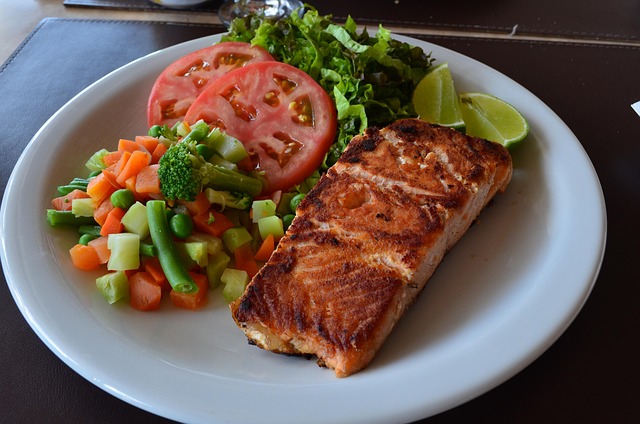
Salmon is a superstar in the American diet—it’s delicious, packed with healthy Omega-3s, and incredibly versatile. But fresh fish is a delicate ingredient, and a beautiful, expensive fillet can go from pristine to spoiled in a surprisingly short amount of time if not handled correctly.
Nothing is worse than planning a delicious salmon dinner only to discover the fish in your fridge has developed a questionable smell or slimy texture. Understanding **how to store salmon** properly is crucial not just for flavor, but for food safety. This breakdown covers the essential rules for raw, cooked, and even smoked salmon to ensure every bite is fresh, safe, and delicious.
The Science: Why Fish Spoils So Quickly
Fish, including salmon, spoils much faster than other meats for a few key reasons. The enzymes and bacteria present in fish are adapted to thrive in cold water. When the fish is brought to room temperature, or even the relatively warmer parts of a refrigerator, these microbes kick into high gear, rapidly breaking down the fish’s flesh. This process produces the compounds that create that distinct “fishy” odor, which is a primary sign of spoilage.
This is why temperature control is non-negotiable when it comes to seafood. The FDA stresses the importance of keeping fish at or below 40°F (4°C) at all times to inhibit bacterial growth and maintain safety.
Visual Comparison: Salmon Freshness Timeline
How you store your salmon has a huge impact on its shelf life. Here’s a quick guide to what you can expect.
How to Store Fresh Salmon in the Refrigerator
You have a very short window—just **one to two days**—to cook fresh salmon after you bring it home. To maximize that time, you need to store it correctly from the moment you walk in the door.
The Best Method for Maximum Freshness
- Keep it Cold: Your refrigerator should be set to 40°F (4°C) or below. Store the salmon in the coldest part, which is usually the back of the bottom shelf, not the door.
- Keep it in its Packaging: If the salmon came in a sealed, leak-proof package from the store, you can leave it in that package.
- The Ice Bed Trick: For the absolute best results, place the packaged salmon on a bed of ice in a bowl or dish. This mimics how it’s kept at the fish counter and ensures it stays as cold as possible without freezing.
- Separate and Secure: Always keep raw salmon separate from other foods, especially ready-to-eat items, to prevent cross-contamination. Placing the package on a plate can catch any potential leaks.
For more information on handling raw proteins safely, our entire seafood storage section is a great resource.
My Kitchen Toolkit: For Perfect Seafood Preservation
Properly storing expensive ingredients like salmon is key to preventing waste. These tools are essential for keeping your seafood fresh and safe.

Removable Food Labels
A must-have for freezing salmon. Label your packages with the date so you can use the oldest fish first and always know what’s fresh.
Check Price on Amazon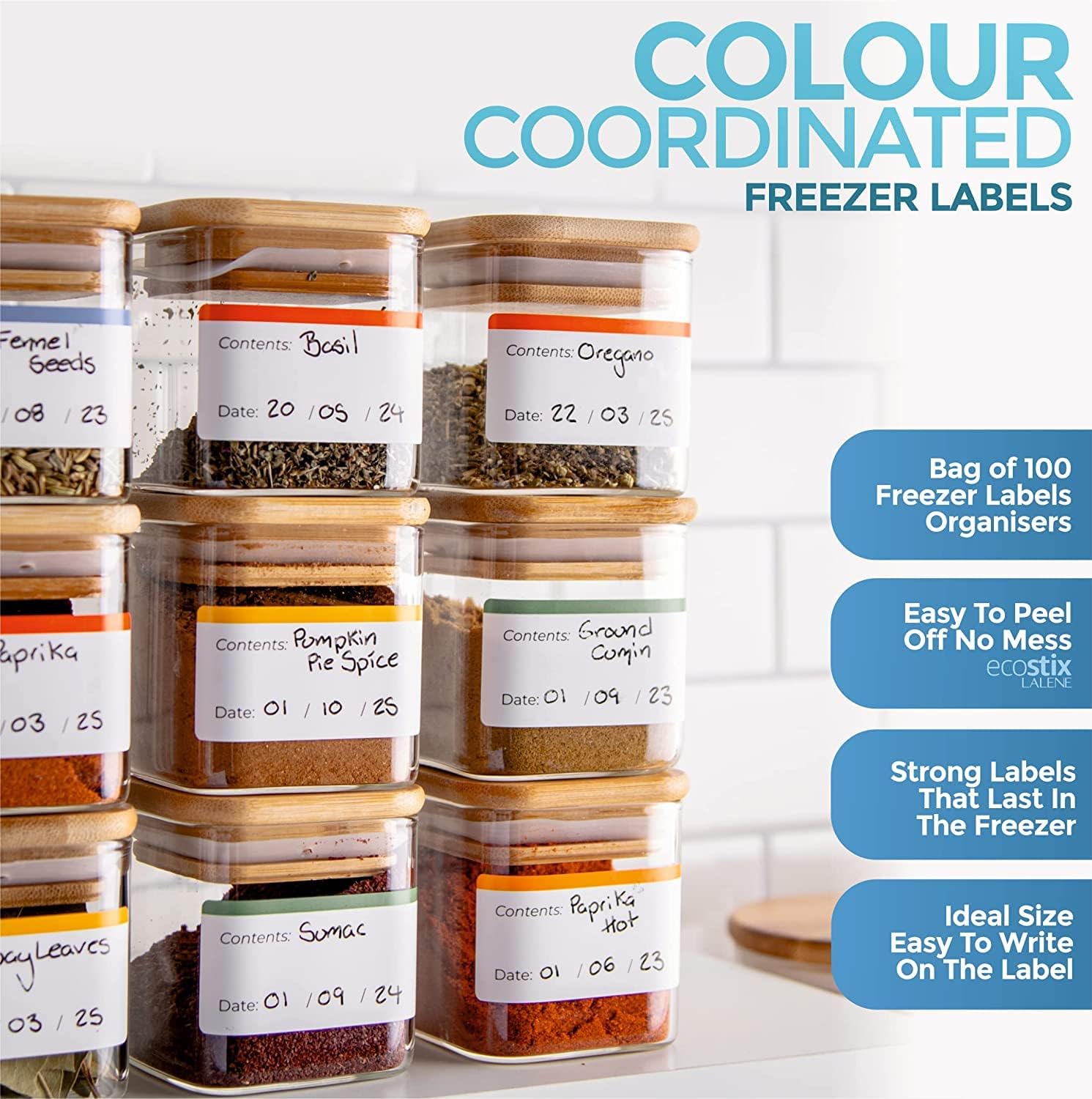
Color-Coding Labels
I use these to organize my freezer. One color for fish, another for meat. It makes grabbing what you need for dinner quick and easy.
Check Price on Amazon
Reusable Food Storage Bags
These are fantastic for freezing individual salmon fillets. They create a great seal to prevent freezer burn and are an eco-friendly choice.
Check Price on Amazon
Precision Pro Vacuum Sealer
This is the gold standard for freezing fish. It removes all air, preventing ice crystals and preserving the salmon’s delicate texture and flavor for months.
Check Price on AmazonA Delicious Way to Use Your Fresh Salmon
Project: Make Perfect Pan-Seared Salmon
Once you have a beautiful, fresh fillet of salmon, the best way to enjoy it is often the simplest. Pan-searing is a quick and easy technique that results in a deliciously crispy skin and a moist, flaky interior.
The video below shows you how to master this technique. A perfectly cooked piece of salmon is a fantastic centerpiece for a healthy meal, great with roasted vegetables or a fresh salad. For tips on keeping your greens crisp, check out our guide on vegetable storage.
How to Freeze Salmon for Long-Term Storage
If you can’t cook your salmon within two days, freezing is your best option. Proper freezing will preserve the quality of the fish for several months.
The Best Freezing Method
The goal is to protect the fish from air, which causes freezer burn. This method is recommended by food preservation authorities like the National Center for Home Food Preservation.
- Pat it Dry: Use a paper towel to pat the salmon fillet completely dry. Excess moisture will turn into ice crystals.
- Wrap Tightly: Wrap the salmon fillet tightly in a layer of plastic wrap. Then, wrap it again in a layer of heavy-duty aluminum foil. This double-wrap method provides an excellent barrier against air.
- Bag it (Optional but Recommended): For extra protection, place the wrapped fillet in a heavy-duty freezer bag and press out all the air.
- Label and Freeze: Label the bag with the date. For best quality, use the salmon within 2-3 months.
A vacuum sealer is the absolute best tool for this job, as it removes all air and provides a perfect seal.
Your Salmon Storage Questions, Answered
How long does fresh salmon last in the fridge?
Fresh, raw salmon should be cooked within 1 to 2 days of purchase when stored in the refrigerator. Always store it in the coldest part of your fridge, ideally below 40°F (4°C).
How can you tell if salmon has gone bad?
The most obvious signs are a strong, fishy or ammonia-like smell, a slimy or milky-white residue on the flesh, and a dull, faded color. If you notice any of these, it’s best to discard the salmon. When in doubt, throw it out—a rule emphasized by the CDC for preventing foodborne illness.
Can you freeze fresh salmon?
Yes, freezing is an excellent way to store salmon long-term. Wrap the salmon tightly in plastic wrap and then in foil, or use a vacuum sealer. It will maintain its best quality for 2-3 months in the freezer.
How long is cooked salmon good for in the fridge?
Leftover cooked salmon can be safely stored in an airtight container in the refrigerator for up to 3 days.
What is the best way to thaw frozen salmon?
The safest way to thaw salmon is to place it in the refrigerator overnight. For a quicker method, you can place the sealed salmon in a bowl of cold water, changing the water every 30 minutes until it’s thawed. Never thaw fish at room temperature.
Your Salmon Storage Cheat Sheet
The four essential rules for keeping your salmon fresh and safe.
Use it or Lose it
Action: Plan to cook fresh salmon within 1-2 days of buying it.
Result: Ensures the best flavor, texture, and safety.
Keep it Cold
Action: Store salmon in the coldest part of your fridge, on the bottom shelf.
Result: Slows down bacterial growth significantly.
Wrap it Tight for Freezing
Action: Use a double-wrap method (plastic + foil) or a vacuum sealer.
Result: Prevents freezer burn and preserves quality for months.
Trust Your Senses
Action: If it smells strongly fishy, looks dull, or feels slimy, throw it out.
Result: Avoids the risk of foodborne illness.
Our Process & Sources
This information is compiled using food safety guidelines from U.S. government agencies like the FDA and best practices from university extension programs like Penn State Extension to provide the most reliable advice for your kitchen.
Fresh salmon lasts 1 to 2 days in the fridge and 2 to 3 months in the freezer when vacuum sealed. Smoked salmon is the most popular preserved form of salmon and lasts up to 2 weeks in the fridge unopened — far longer than fresh because of the curing process. Other fish steaks like swordfish have a very similar fridge and freezer shelf life to salmon and can be stored using the same double-wrap method. Halibut is a great alternative when salmon is not available it has the same 1 to 2 day fridge window.
Last updated: