How to Store Cheese Without Drying It Out
The best way to store cheese is to wrap it in cheese paper or parchment paper (never plastic wrap) and place it in the vegetable crisper drawer of your fridge. Hard cheeses can last for months, while soft cheeses should be eaten within a week or two.
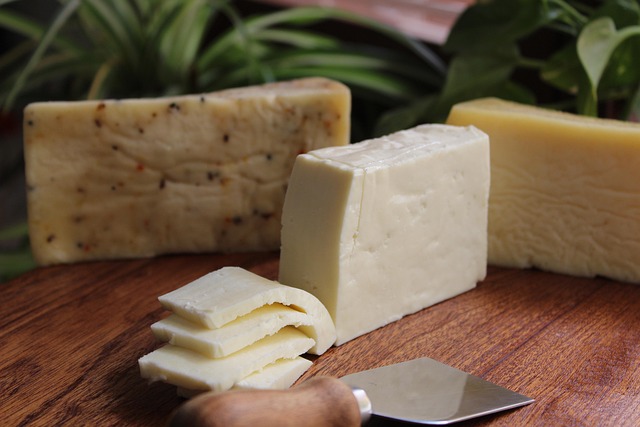
There’s nothing quite like a good piece of cheese, but there’s also nothing more disappointing than finding your expensive cheddar has turned into a dry, moldy brick. Cheese is a living food, and it needs to breathe to stay fresh. Unfortunately, the most common storage method—plastic wrap—is also its worst enemy.
Knowing **how to store cheese properly** is the key to preserving its flavor and texture, preventing waste, and getting the most out of every dollar you spend. This write-up will show you the simple, game-changing techniques for keeping your cheese fresh, from the right way to wrap it to the best spot in your fridge. Say goodbye to sweaty, plastic-tasting cheese for good.
The Science of Cheese: Why It Needs to Breathe
Cheese is a product of fermentation, full of living bacteria and enzymes that continue to develop over time. It’s constantly releasing moisture and gases, including ammonia. The key to good storage is to create an environment that allows the cheese to release this moisture without drying out completely.
The Problem with Plastic Wrap
When you wrap cheese tightly in plastic, you’re essentially suffocating it. The plastic traps all the moisture and ammonia against the surface of the cheese. This creates a damp, unappealing rind, encourages the growth of slimy bacteria, and can even make the cheese taste like plastic. Cheese needs to be wrapped in a material that allows it to breathe. This is a fundamental principle of food safety, as improper storage can affect quality, a point often highlighted by food safety resources like the FDA.
Visual Comparison: Cheese Freshness Timeline
How you wrap your cheese makes all the difference. This chart shows how long you can expect different types to last with proper storage.
The Right Way to Wrap and Store Cheese
The best method for storing cheese involves a two-layer approach: a breathable first layer and a protective second layer.
Step 1: The Breathable Wrap
The ideal material for wrapping cheese is **cheese paper**, which has a porous plastic layer and a waxy paper layer. However, a simple and effective alternative is **parchment or wax paper**. Tightly wrap your piece of cheese in the paper, folding the ends over neatly as if you were wrapping a gift. This layer wicks away excess moisture while still allowing the cheese to breathe.
Step 2: The Protective Layer and Location
After wrapping, place the cheese in a partially sealed plastic bag or a dedicated cheese storage container. This second layer prevents the cheese from drying out. The best spot in your fridge is the **vegetable crisper drawer**. It’s the most humid part of the fridge and has the most stable temperature, creating the perfect microclimate for cheese. This is the definitive answer for **how to store cheese in the fridge** for maximum longevity.
My Kitchen Toolkit: Gear for Serious Cheese Lovers
Proper cheese storage is a craft, but the right tools make it incredibly simple. These are a few of my favorite products for keeping cheese fresh, organized, and ready to enjoy at a moment’s notice.

Removable Food Labels
Essential for any cheese lover! Label your wrapped cheese with the type and the date you bought it. These labels stick well in the fridge but peel off without a fuss.
Check Price on Amazon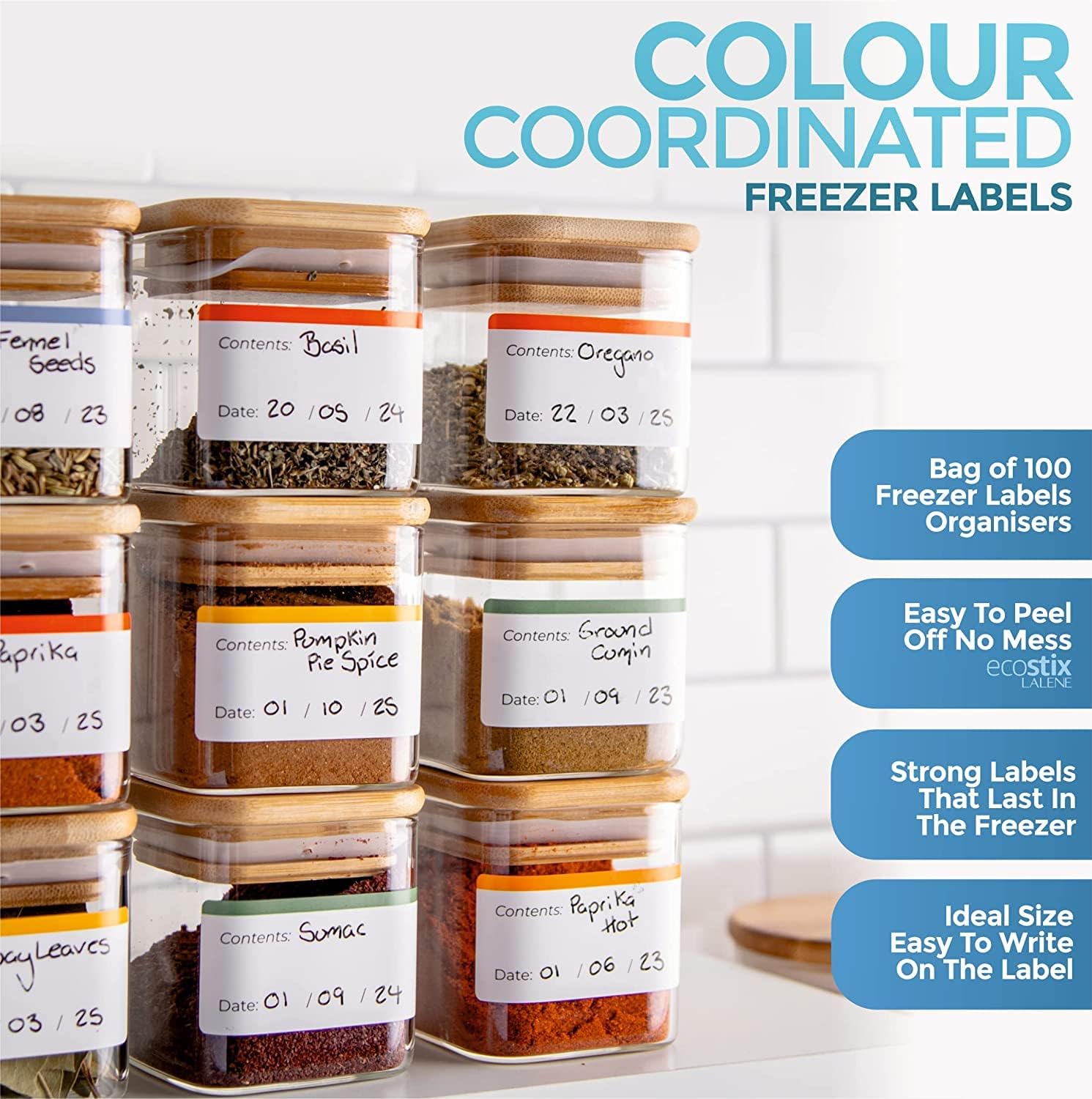
Color-Coding Labels
I use these to quickly identify cheese types in my crisper drawer. Blue for blue cheese, yellow for cheddar, etc. It’s a simple trick that makes finding what you want so easy.
Check Price on Amazon
Reusable Food Storage Bags
These are the perfect second layer for your paper-wrapped cheese. They’re a sustainable alternative to disposable plastic bags and create a great humidity barrier.
Check Price on Amazon
Precision Pro Vacuum Sealer
For very hard cheeses like Parmesan, a vacuum sealer is the ultimate preservation tool. It removes all air, stopping mold growth and keeping the cheese fresh for many months.
Check Price on AmazonBuilding the Perfect Cheese Board: A Visual Start
Project: From Proper Storage to Perfect Presentation
Now that you know how to keep your cheese in peak condition, it’s time to enjoy it. Building a beautiful and balanced cheese board is an art form, but it’s easier than you think. The key is variety in flavor, texture, and milk type.
The video below offers fantastic inspiration for arranging a cheese board that looks as good as it tastes. Remember to take your cheese out of the fridge about 30-60 minutes before serving to let it come to room temperature—this is when its flavors will truly shine. For more entertaining ideas, check out our thoughts on beverage pairings.
Dealing with Mold and Freezing Cheese
Even with perfect storage, you might occasionally encounter mold. And what about the freezer? Here’s what you need to know.
How to Keep Cheese from Molding (and What to Do If It Does)
The best way to prevent mold is proper wrapping and changing the paper every few days. If you do find a spot of mold on a **hard or semi-hard cheese** (like Parmesan, cheddar, or Swiss), don’t panic. The dense structure prevents the mold’s “roots” from penetrating deep. According to food safety experts at institutions like Penn State Extension, you can safely cut off the moldy part. Just be sure to cut at least one inch around and below the visible mold. However, if you see mold on **soft cheese** (like Brie, cream cheese, or cottage cheese), you must discard the entire piece, as the mold can spread invisibly throughout.
Can You Freeze Cheese?
While technically you can freeze cheese, it’s generally not a good idea. The freezing process forms ice crystals that destroy the delicate protein and fat structures in the cheese. When thawed, most cheeses become dry, brittle, and crumbly. The only exception is for hard, low-moisture cheeses that you plan to grate and use in cooking, like a block of Parmesan. If you do freeze it, wrap it tightly and use it within 2-3 months.
The two extremes of cheese storage are soft and hard. Brie needs the most attention — breathable wrapping, crisper drawer, and a short shelf life once cut. Parmesan is the most forgiving — it can handle tighter wrapping and a longer fridge life. Aged cheese sits between the two — here’s exactly how to store it without losing the rind.
Your Cheese Storage Questions, Answered
What is the best way to store cheese?
The best way to store cheese is to wrap it in cheese paper or parchment paper, then place it in a partially sealed plastic bag or a cheese container. Store it in the vegetable crisper drawer of your fridge, which is the most humid and temperature-stable spot.
Why shouldn’t you store cheese in plastic wrap?
Plastic wrap suffocates the cheese, preventing it from breathing. This traps moisture and ammonia, which can lead to a ‘sweaty’ surface, a plastic-like taste, and faster growth of mold and bad bacteria.
Can you cut mold off hard cheese?
Yes, on hard and semi-hard cheeses like Parmesan or cheddar, you can safely cut off mold. Be sure to cut at least one inch around and below the moldy spot. The dense structure of these cheeses prevents the mold from penetrating deep. You must discard soft cheeses if they have mold.
Can you freeze cheese?
While you can freeze cheese, it’s generally not recommended as it ruins the texture, making it dry and crumbly upon thawing. It’s an option for hard cheeses you plan to grate for cooking, but it’s not ideal for eating on its own.
How long does cheese last in the fridge?
It depends on the type. Properly wrapped hard cheeses like Parmesan can last for months. Semi-hard cheeses like cheddar last for several weeks. Soft cheeses like Brie or mozzarella should be eaten within one to two weeks of opening.
Your Cheese Storage Cheat Sheet
The four most important rules for keeping your cheese delicious.
Ditch the Plastic
Action: Wrap cheese in parchment or cheese paper first.
Result: Allows the cheese to breathe and prevents a sweaty, plastic taste.
Location, Location
Action: Store wrapped cheese in the vegetable crisper drawer.
Result: Provides the best humidity and stable temperature.
Handle Mold Smartly
Action: Cut mold off hard cheese (1-inch margin). Throw away soft cheese.
Result: Safely salvage expensive hard cheeses.
Serve at Room Temp
Action: Take cheese out of the fridge 30-60 minutes before serving.
Result: Unlocks the cheese’s full flavor and aroma.
Our Process & Sources
This information was compiled using best practices from cheese experts and food safety recommendations from organizations like the CDC and university programs like the NCHFP to provide the most reliable advice.
Last updated: