How to Store Peanuts to Prevent Rancidity
The best way to store peanuts is in an airtight container in a cool, dark place. For shelled peanuts, the refrigerator or freezer is ideal to prevent their oils from going rancid, extending their freshness for up to a year. Unshelled peanuts can be kept in the pantry for several months.
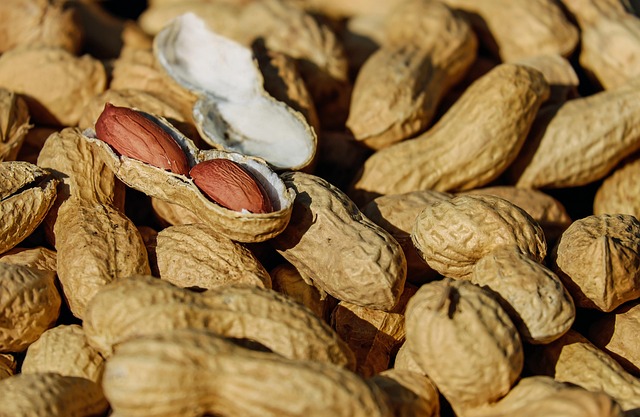
From ballgames to trail mix to peanut butter, peanuts are a beloved American staple. They’re a fantastic source of protein and healthy fats, but there’s a catch: they can go bad. Have you ever opened a bag of peanuts and been hit with a strange, paint-like smell? That’s the disappointing scent of rancidity.
Unlike many other pantry snacks, peanuts have a high oil content that makes them perishable. Learning **how to store peanuts** correctly is the key to protecting that investment and ensuring every handful is fresh, crunchy, and delicious. This breakdown covers the simple science of why peanuts go bad and the best methods for your pantry, fridge, and freezer to keep them perfect for months.
The Science: Why Peanuts Go Rancid
The primary enemy of a fresh peanut is not time, but **oxidation**. Peanuts are packed with healthy unsaturated fats. When these fats are exposed to heat, light, and oxygen, they begin to break down in a process called oxidation. This chemical reaction creates new compounds that have a distinctively unpleasant, bitter taste and a sharp, stale smell. This is what we call rancidity.
Another risk, especially with raw or improperly dried peanuts, is moisture. Excess humidity can lead to mold growth, which can sometimes produce a harmful substance called aflatoxin. This is why keeping peanuts dry is a critical food safety step, a principle emphasized by the FDA. The goal of proper storage is to create a cool, dark, dry, and airtight environment to fight both rancidity and mold.
Visual Comparison: Peanut Freshness Timeline
Where you store your peanuts dramatically affects how long they stay fresh. Here’s what to expect.
How to Store Peanuts: Pantry, Fridge, or Freezer?
The best place to store your peanuts depends on whether they are shelled or unshelled, and how long you need them to last.
Pantry Storage: Best for Unshelled Peanuts
- Unshelled Peanuts: Peanuts still in their shells have a natural layer of protection. Store them in a mesh bag or a ventilated container in a cool, dark, and dry pantry. They can last for several months this way.
- Shelled Peanuts: Once the shell is removed, peanuts are much more vulnerable. You can store them in an airtight container in the pantry, but they will only stay fresh for about **1-2 months** before the risk of rancidity increases. For longer storage, the fridge or freezer is a much better choice.
Refrigerator & Freezer: The Gold Standard for Shelled Peanuts
For **long term peanut storage**, cold is your best friend. The cold temperature dramatically slows down the oxidation of the oils.
- How to do it: Place shelled peanuts (raw or roasted) in an airtight container or a heavy-duty resealable bag. Squeeze out as much air as possible.
- In the Refrigerator: They will stay fresh for up to 9 months.
- In the Freezer: They will maintain excellent quality for at least a year, if not longer. This is the absolute best method for preserving freshness.
My Kitchen Toolkit: For Fresh & Safe Food Storage
The right tools are essential for extending the life of perishable foods like peanuts and preventing waste. Here are my top picks for any organized kitchen.

Removable Food Labels
A must-have for freezing peanuts or any other food. Label your containers with the date so you always know what’s fresh. These peel off cleanly with no residue.
Check Price on Amazon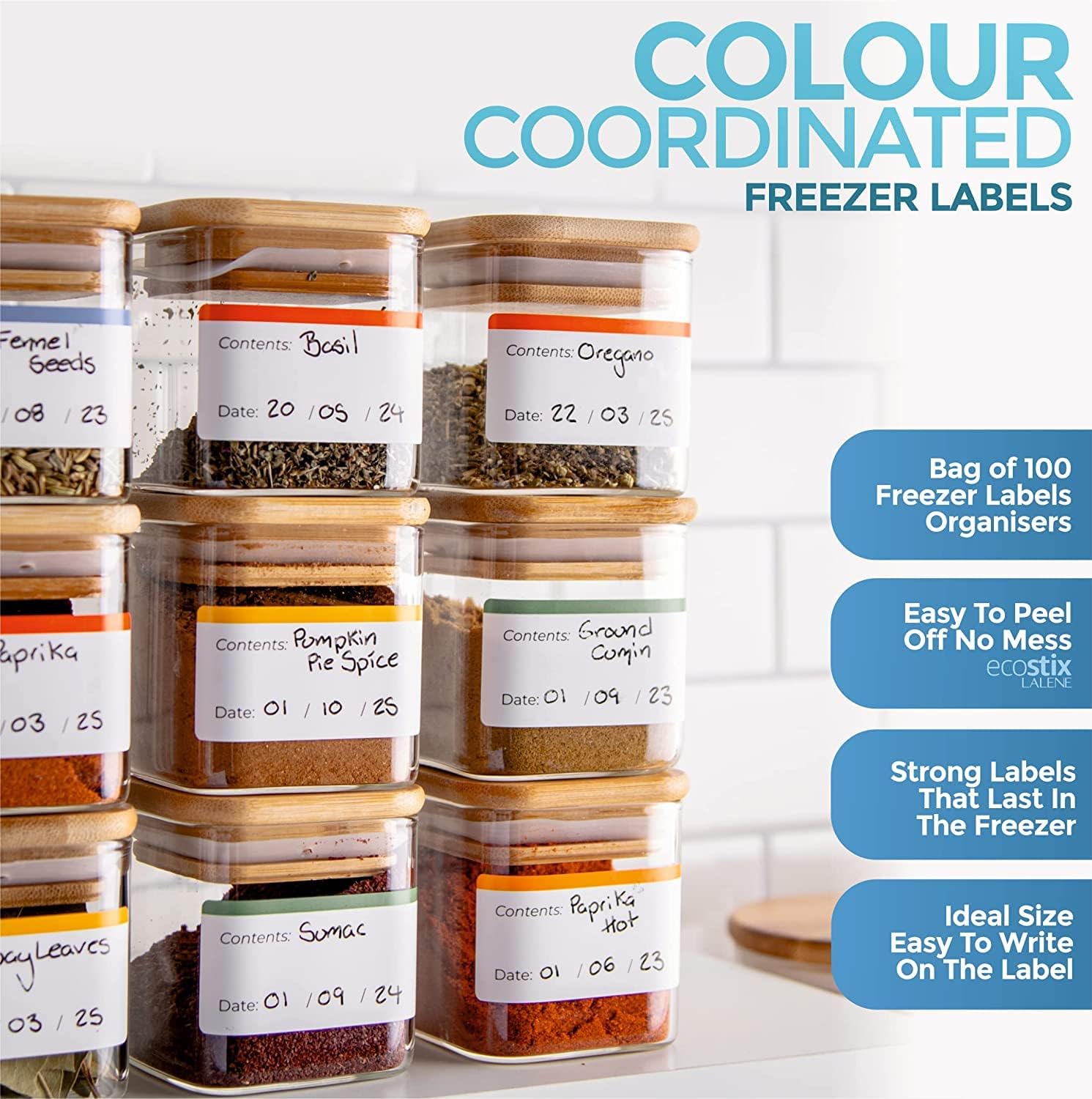
Color-Coding Labels
I use these to organize my freezer and pantry. One color for nuts, another for grains. It makes grabbing what you need for a recipe quick and easy.
Check Price on Amazon
Reusable Food Storage Bags
An eco-friendly way to store shelled peanuts in the fridge or freezer. They create a great airtight seal to protect against oxidation and moisture.
Check Price on Amazon
Precision Pro Vacuum Sealer
For the ultimate protection against rancidity, a vacuum sealer is unbeatable. It removes all oxygen, keeping your peanuts tasting fresh for a year or more.
Check Price on AmazonA Classic Treat for Your Fresh Peanuts
Project: Make Homemade Peanut Brittle
If you’ve bought a big batch of fresh peanuts, making peanut brittle is a delicious and classic American way to use them. This crunchy, sweet confection is a holiday favorite but is perfect any time of year.
The video below shows you how to make this delightful treat from scratch. Once your brittle is made and cooled, you’ll want to store it properly to keep it from getting sticky. For tips on that, check out our section on bakery and candy storage!
How to Tell if Peanuts Have Gone Bad
Your nose is your best tool here. Unlike some other foods, rancid peanuts don’t usually look spoiled. They won’t be moldy (unless they’ve also been exposed to moisture) or discolored.
- The Smell Test: Give them a sniff. Fresh peanuts have a mild, nutty aroma. Rancid peanuts will have a sharp, unpleasant, and very distinct smell. It’s often compared to the smell of oil paint, putty, or even old plastic.
- The Taste Test: If the smell is questionable, a small taste will confirm it. Rancid peanuts have a harsh, bitter, and chemical-like flavor. You’ll know it immediately. Spit it out and discard the rest of the batch.
Consuming rancid oils isn’t acutely dangerous in small amounts, but it’s certainly unpleasant and not recommended, as outlined in general food safety principles by the CDC.
Your Peanut Storage Questions, Answered
How long do peanuts last?
Unshelled peanuts can last for several months in a cool, dark pantry. Shelled peanuts (raw or roasted) will last for about 1-2 months in the pantry, but their shelf life can be extended to a year by storing them in the refrigerator or freezer.
What is the best way to store peanuts?
The best way to store peanuts, especially shelled ones, is in an airtight container in the refrigerator or freezer. This protects their delicate oils from heat and light, which cause them to go rancid.
How can you tell if peanuts have gone bad or are rancid?
Rancid peanuts will have a sharp, unpleasant smell, often described as being like paint or putty, and a bitter taste. Visually, they may look fine, so you should always trust your nose. If you see any signs of mold, discard them immediately.
Can you freeze peanuts?
Yes, freezing is an excellent way to store peanuts long-term. Place shelled peanuts in a heavy-duty freezer bag or an airtight container. They will maintain their quality for at least one year, and this method is the best way to prevent their oils from going rancid. This aligns with general preservation advice from the National Center for Home Food Preservation.
Should peanuts be stored in the refrigerator?
While not always necessary for unshelled peanuts, refrigerating shelled peanuts is highly recommended. The cold temperature significantly slows down the process of the oils becoming rancid, keeping them fresh for much longer than storing them in the pantry.
Your Peanut Storage Cheat Sheet
The four essential rules for keeping your peanuts fresh and delicious.
Keep Them Airtight
Action: Store all peanuts, especially shelled ones, in a sealed container.
Result: Protects the oils from oxygen, the main cause of rancidity.
Cool is Key
Action: For shelled peanuts, use the fridge or freezer for storage.
Result: Dramatically slows down oil oxidation, extending freshness for months.
Avoid Light and Heat
Action: Store peanuts in a dark pantry or cupboard, away from the stove.
Result: Prevents heat and light from accelerating spoilage.
Trust Your Nose
Action: If peanuts smell sharp like paint or taste bitter, they’re rancid.
Result: Avoids an unpleasant eating experience.
Our Process & Sources
This information is compiled using food science principles from university extension programs like Penn State Extension and food safety guidelines from U.S. government agencies to provide the most reliable advice for your kitchen.
Last updated: