How to Store Lettuce to Keep It Crisp
The best way to store lettuce is to wash and dry the leaves thoroughly, then place them in a container lined with paper towels in the refrigerator. This method keeps lettuce crisp and fresh for 7-10 days by absorbing excess moisture.

It’s a story every home cook knows well: you buy a beautiful head of lettuce or a container of spring mix with the best intentions of making healthy salads all week. But within a few days, you open the fridge to a sad, wilted, and slimy mess. What gives?
Throwing away spoiled produce feels like tossing money directly into the trash. The good news is that with one simple trick, you can learn **how to keep lettuce crisp** for a week, sometimes even longer. It’s all about controlling moisture. This breakdown will show you the foolproof method for storing any kind of leafy green, so you can finally enjoy fresh salads all week long.
The Science: Why Lettuce Goes Bad So Fast
Lettuce leaves are delicate and have a very high water content. They face two main enemies in your refrigerator that turn them from crisp to gross:
- Dehydration (Wilting): The dry, cold air in your fridge is designed to pull moisture out of things. For lettuce leaves, this means they quickly lose their internal water pressure (turgor), causing them to go limp and wilt.
- Excess Moisture (Slime): This is the bigger problem. If lettuce leaves sit in pooled water—either from washing or condensation inside a bag—it creates the perfect breeding ground for bacteria. This bacterial growth is what causes the leaves to break down, turn brown, and develop that dreaded slimy texture.
The secret to **long-term lettuce storage** is to create a humid environment to prevent wilting, while simultaneously removing any excess standing water to prevent rot.
Visual Comparison: Lettuce Freshness Timeline
How you store your lettuce makes all the difference. Here’s a look at what to expect from different methods.
The Best Way to Store Lettuce: The Paper Towel Method
This is the gold standard for keeping loose leaves and pre-cut lettuce fresh. It takes a few minutes of prep when you get home from the store but pays off all week.
- Wash Your Greens: Separate the leaves and wash them thoroughly in cold water to remove any dirt or grit.
- Dry, Dry, Dry: This is the most critical step! Excess water is the enemy. The best tool for this is a salad spinner. If you don’t have one, you can gently pat the leaves dry with a clean kitchen towel or paper towels. Get them as dry as possible.
- Prepare Your Container: Choose a hard-sided, airtight container. A container is better than a bag because it protects the delicate leaves from being bruised or crushed.
- Layer with Paper Towels: Place a layer of paper towels on the bottom of the container. Add a layer of lettuce, followed by another paper towel. Continue layering until the container is full, ending with a paper towel on top.
- Seal and Refrigerate: Seal the container and place it in your refrigerator’s crisper drawer. The paper towels will absorb any excess moisture, preventing slime, while the sealed container maintains enough humidity to keep the leaves crisp.
This method is a cornerstone of proper vegetable storage and will change your salad game forever.
My Kitchen Toolkit: For Fresh & Safe Food Storage
The right tools are essential for extending the life of perishable foods and preventing waste. Here are my top picks for any organized kitchen.

Removable Food Labels
Perfect for dating your lettuce container or any leftovers. Knowing when you stored something is key to reducing waste. These peel off cleanly.
Check Price on Amazon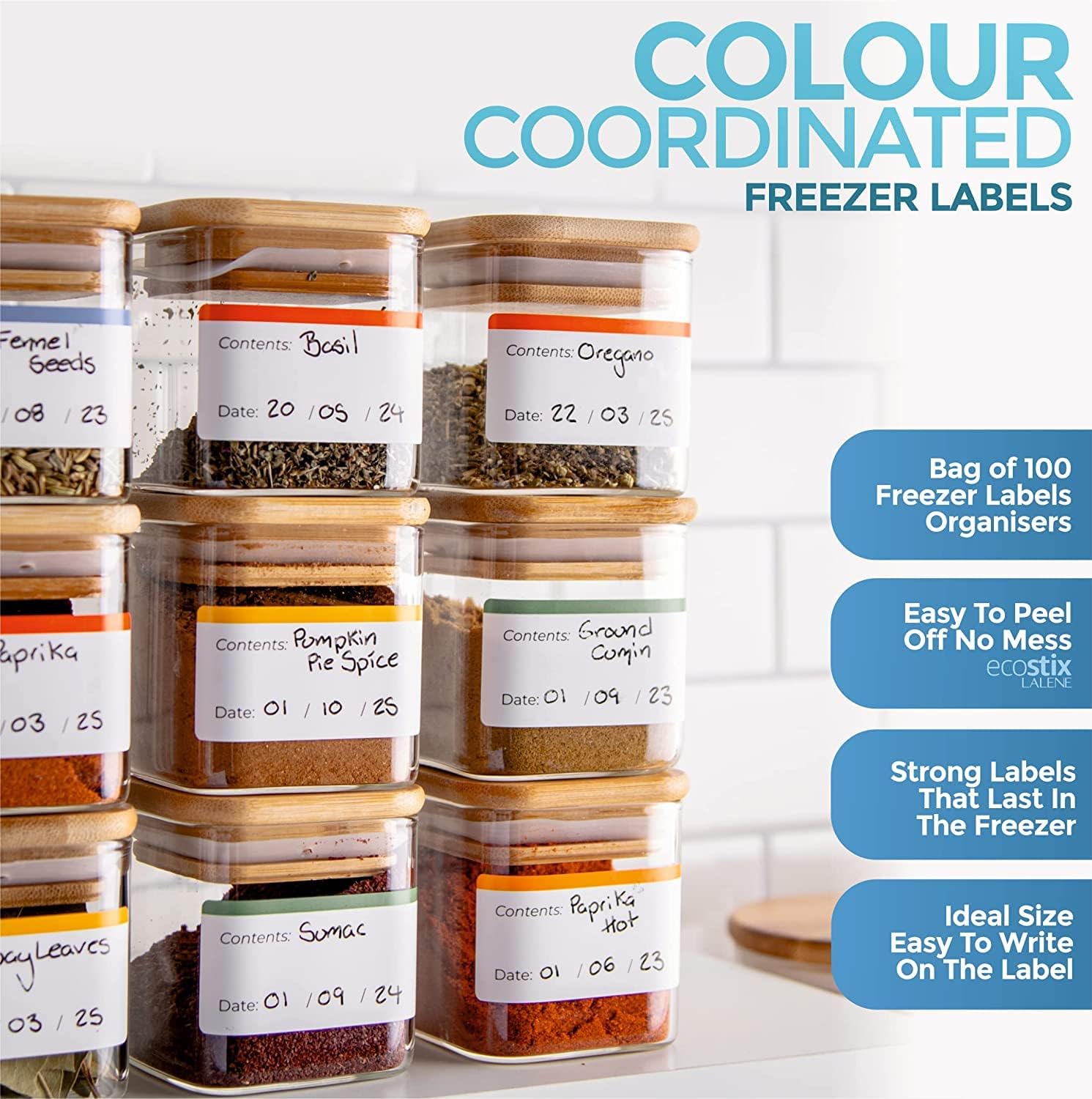
Color-Coding Labels
I use these to organize my fridge. One color for “eat soon” items like fresh lettuce, another for longer-lasting produce. It’s a great visual reminder.
Check Price on Amazon
Reusable Food Storage Bags
A great eco-friendly alternative for storing lettuce. Just be sure to line them with a paper towel to manage moisture, just like with a hard container.
Check Price on Amazon
Precision Pro Vacuum Sealer
While not ideal for delicate lettuce leaves, a vacuum sealer is a must-have for freezing heartier greens like kale or spinach for smoothies.
Check Price on AmazonPutting Your Crisp Lettuce to Use
Project: Build a Better Salad
Now that you know **how to keep lettuce fresh and crisp**, you can build amazing salads all week. A great salad is all about texture and flavor combinations. Start with your perfectly crisp greens as a base.
The video below offers some fantastic inspiration for creating a delicious and beautiful salad. Think about adding different toppings like creamy cheese, crunchy nuts, and a bright vinaigrette. For tips on keeping your other salad ingredients fresh, check out our posts on how to store cheese and even how to store oranges for a citrusy twist!
How to Store a Whole Head of Lettuce
For sturdy heads of lettuce like iceberg or romaine, you can often skip the washing and separating step until you’re ready to use it. Keeping the head intact provides natural protection.
- Iceberg Lettuce: This is the long-lasting champion of the lettuce world. Simply keep the whole, unwashed head in your crisper drawer. It can easily last for 2-3 weeks.
- Romaine Lettuce: You can store a whole head of romaine in a plastic bag (with a few air holes) in the crisper drawer. It should stay crisp for about 10 days.
For all heads of lettuce, avoid washing them until you’re ready to eat. The extra moisture trapped between the dense leaves can lead to premature rot.
Your Lettuce Storage Questions, Answered
What is the best way to store lettuce to keep it crisp?
The best way is to wash and thoroughly dry the lettuce leaves, then store them in a hard-sided container lined with paper towels. The container protects the leaves from bruising, and the paper towels absorb excess moisture, preventing slime and keeping them crisp for a week or more.
How long does lettuce last in the fridge?
When stored properly using the paper towel method, loose leaf lettuce can last 7-10 days. A whole head of sturdy lettuce like iceberg or romaine can last 2-3 weeks.
Should you wash lettuce before storing it?
Yes, it’s best to wash and dry lettuce as soon as you get it home. This removes dirt and potential contaminants, and preps it for proper storage. The key is to make sure it’s completely dry before putting it away to prevent rot. This is a key food safety step recommended by agencies like the FDA.
Can you freeze lettuce?
It’s generally not recommended to freeze lettuce for salads, as its high water content will cause it to become limp and mushy upon thawing. However, you can freeze it for use in cooked dishes like soups or in smoothies. For freezing guidelines on other produce, you can consult resources like the National Center for Home Food Preservation.
How do you revive wilted lettuce?
You can often revive slightly wilted lettuce by soaking the leaves in a bowl of ice water for 15-30 minutes. The leaves will absorb the water and become crisp again.
Your Lettuce Storage Cheat Sheet
The four essential rules for crisp, slime-free lettuce every time.
Wash and Dry Thoroughly
Action: Spin or pat leaves completely dry after washing.
Result: Removes the excess water that leads to slime and rot.
Use Paper Towels
Action: Layer leaves with paper towels inside your storage container.
Result: Absorbs condensation and maintains the perfect humidity level.
Choose a Hard Container
Action: Store leaves in an airtight, hard-sided container instead of a bag.
Result: Protects delicate leaves from being bruised and crushed.
Keep Heads Whole
Action: For iceberg or romaine, store the entire head unwashed in the crisper.
Result: The outer leaves provide natural protection, extending freshness.
Our Process & Sources
This information is compiled using food safety guidelines from U.S. government agencies like the CDC and best practices from university extension programs like Penn State Extension to provide the most reliable advice for your kitchen.
How long lettuce lasts in the fridge depends entirely on the variety: from 3 to 5 days for arugula up to 2 weeks for iceberg. Iceberg lettuce is the most forgiving variety and lasts 1 to 2 weeks in the fridge with almost no special treatment. Romaine lasts up to 10 days in the crisper when stored whole, unwashed and wrapped, giving it the best balance of nutritional value and shelf life. Delicate leaves like arugula only last 3 to 5 days and need the same moisture and cold conditions as the hardier varieties but much faster turnover.
Last updated: