Hard boiled eggs can stay fresh for up to 7 days in the refrigerator whether they are peeled or still in the shell. Keeping them in an airtight container may prevent them from absorbing fridge odors and helps maintain their moisture!

The Sunday Meal Prep Puzzle
There is a special kind of satisfaction that comes with looking at a perfectly organized refrigerator on a Sunday evening. I often find myself admiring a row of storage containers, knowing that the week ahead will be just a little bit easier because I took the time to prep. However, one item that always seems to cause a bit of debate is the humble hard boiled egg. It is the perfect little package of protein, but it can be quite the diva if you do not handle it with care. Have you ever opened your fridge only to be greeted by a sharp, sulfuric scent? It can be quite a surprise, deary!
I have spent a lot of time in my kitchen figuring out the best ways to keep our family’s favorite snacks at their peak. Much like when we discussed the rules for how to store chocolate milk, everything comes down to the environment. I used to think that the shell was an indestructible shield, but I have learned that even an unpeeled egg can lose its charm if it sits out too long. It is not exactly the same as learning how to store coconut water, but the principle of preventing oxidation is very similar.
In our household, we try to be as efficient as possible without sacrificing safety. Whether you are prepping for a healthy breakfast or getting ready for the Easter rush, knowing the difference between peel and shell-on storage can save you from a lot of wasted food. I have seen so many people toss perfectly good eggs because they were not sure of the limits. We are going to look at the science of the egg and how you might keep your snacks firm and delicious for the full week. It is all about those small, motherly touches that make a house a home.
Egg Scoop: Why They Turn Quick
Eggs are fascinating little things, but they are also quite porous. Even though that shell looks solid, it is actually covered in thousands of tiny holes. When you boil an egg, you remove a natural protective coating called the bloom. This can leave the egg more vulnerable to the air and the smells lurking in your refrigerator. This is a very different situation than when we look at smoked salmon storage, where the cure itself helps with the preservation.
- Oxidation: Air entering the egg can begin to break down the proteins, which may lead to a rubbery texture.
- Bacterial Risk: Moisture on the surface can be a breeding ground for germs if the temperature is not kept steady.
- Odor Absorption: Because of those tiny pores, an egg can quickly start to taste like last night’s leftovers.
Much like the way we have to be careful when asking does kombucha go bad, eggs are a living product that reacts to their surroundings. The pH balance of an egg actually changes as it ages, becoming more alkaline. This is why older eggs are often easier to peel, but it is also why they can spoil more rapidly once they have been cooked. You may find that keeping the air away from the egg is the single most important thing you can do.
The FDA and other safety groups suggest that cooked eggs should never sit at room temperature for more than two hours. In my kitchen, I try to get them into an ice bath the moment the timer dings. It is these little habits that keep the food safe and the family happy. If you let them sit in warm water, you are just inviting trouble, honey!
Visual Glance: Egg Staying Power
This chart can give you a quick idea of how your storage choices might affect your eggs. Keeping them cold and sealed is the winning strategy.

Infographic: The Path to Freshness
If you are a visual learner, this infographic can be a wonderful reference for your kitchen. It walks you through the journey from the boiling pot to the refrigerator shelf. One thing to notice is the importance of the cooling phase. If you skip the ice bath, the residual heat can keep cooking the egg, which might lead to that unsightly green ring around the yolk. It is not necessarily bad for you, but it certainly does not look very appetizing on a salad, does it?
The infographic also highlights the difference in containers. While many people just use the original egg carton, an airtight glass jar can be a much better choice for peeled eggs. It blocks out moisture and smells more effectively. You might find that these visual reminders help the kids understand why we put the lid back on so carefully. It is all about teaching the next generation how to respect the food they eat. These small details can turn a simple snack into a high quality treat.
As the guide suggests, labeling your containers is another motherly trick that can save a lot of confusion. When you have multiple batches of eggs, you might lose track of which ones are the oldest. A quick note on the lid with the date can prevent any “egg-related” mysteries later in the week. Following these visual cues can make your meal prep much more efficient and much safer for everyone at the table.
Nutritional Truths
Video Lowdown: Egg Safety 101
Watching the proper technique can be so helpful for any home cook. This video explains the clinical side of egg storage and how you may best protect your family from foodborne illness.
Key bits to remember:
- Ice Baths: They stop the cooking and tighten the membrane.
- Storage Temps: Why the back of the fridge is best.
- Cross-Contamination: Keeping raw and cooked items separate.
Understanding these points is as vital as knowing how to store iced coffee to keep it bold. We want to ensure our eggs stay firm and the yolks remain bright and creamy for every dish.
Interactive Egg Storage Chart
You can filter by the state of your eggs or search for terms like ‘Easter’ or ‘prep’ to find the best advice for your current kitchen situation.
| Egg Condition | Where to Put It | Typical Life | Marleen’s Pro Tip |
|---|---|---|---|
| Unpeeled Eggs | Fridge (Main Shelf) | 7 Days | Keep them in a closed carton to block scents. |
| Peeled (Dry) | Fridge (Airtight) | 7 Days | Place a damp paper towel in the jar. |
| Peeled (In Water) | Fridge (Bowl) | 3-5 Days | Change the water every single morning! |
| Cooked Yolks | Freezer Bag | 3 Months | Great for garnishing future salads. |
| Buffet Table | Countertop | 2 Hours | Never leave them out longer than this! |
Egg Spoilers
Even though they are cooked, these eggs are still delicate. You should watch out for these four main spoilers in your kitchen:
- ⚠️ Air Exposure: This can dry out the whites and make them tough. Block: Use glass jars with tight lids.
- ⚠️ Moisture: Standing liquid on the egg can encourage mold growth. Block: Dry them well before sealing.
- ⚠️ Odors: Eggs can absorb the scent of garlic or onions through the shell. Block: Keep them away from leftovers.
- ⚠️ Heat: A warm fridge or a long trip in a car can cause spoilage. Block: Use an insulated bag for travel.
USDA guidelines remind us that hard boiled eggs spoil faster than raw eggs because the heat removes the protective bloom. Stay vigilant with your snack stash, honey!
Egg Myths Busted (With a Chuckle)
I have heard some real tall tales about eggs over the back fence. Let’s set the record straight with a motherly smile:
- 🚫 Myth: Fresh eggs are easier to peel. Reality: Older eggs actually peel much better! (Patience is a virtue, deary!)
- 🚫 Myth: The shell blocks all smells. Reality: Those little pores are tiny doorways for fridge scents. (Use a sealed lid!)
- 🚫 Myth: Green yolks mean it is rotten. Reality: It just means you overcooked them. (It is just a little extra iron, honey!)
- 🚫 Myth: Eggs last for weeks fridged. Reality: Seven days is the safe limit for cooked eggs. (Trust the calendar, not the shell!)
Just like when we check signs chicken breast is bad, being a detective with your food can keep everyone healthy. Always follow your nose!
My Seven Day Egg Stash Test
I decided to do a little experiment in my own kitchen last week. I boiled a dozen eggs and split them into two groups. Group A I peeled immediately and put in an open bowl. Group B I left in the shell and placed in a sealed glass container. By day four, the peeled eggs in the open bowl had developed a leathery skin and tasted a bit like the leftover coleslaw. But the eggs in the sealed container? They were still perfect and tender even on day seven! It just goes to show that a little bit of effort with a lid can make a world of difference.
This little test proved to me that air really is the enemy of our groceries. It is much like how we have to be careful with storing chocolate milk for the little ones, the more air it sees, the faster it goes south. I always tell my kids that a good container is the best insurance policy for your food budget. It takes ten seconds to transfer the eggs, but it can save you five dollars in the long run. Plus, it makes the fridge look much tidier, which is always a mother’s dream!
Your Egg Quick Hits
Fast answers for your protein prep needs.
| Scenario | Smart Snap Move | Freshness Score |
|---|---|---|
| Newly Boiled | Ice bath for 10 minutes. | Gold Star Start |
| Already Peeled | Airtight jar + damp towel. | 7 Day Window |
| Easter Leftovers | Fridge within 2 hours of use. | Safe for Snack |
| Smelling Fruity | Throw it out immediately! | Zero Risk Zone |
Unpeeled Eggs: The Natural Shield
Leaving the shell on is often the easiest way to manage your meal prep. While the shell is porous, it still provides a decent layer of protection against mechanical damage and some contaminants. You might find that these eggs stay a bit more moist than their peeled counterparts. When you are ready for a snack, a quick tap and a roll on the counter can get that shell off in no time. I always tell my grandkids that peeling is the best part of the snack, and it gives them a little bit of independence in the kitchen.
If you are also storing coconut water or other liquids, you want to make sure your eggs are in a spot where they won’t get knocked over. A sturdy carton or a dedicated egg bin in the fridge can prevent any messy accidents. It is all about creating a safe and organized space for your food. Just remember that even with the shell on, those eggs have a firm seven day limit. Don’t let them hide in the back for too long, or you might find a smelly surprise during your next cleaning session!
Peeled Eggs: Refrigerator Fixes
Sometimes you just want to grab an egg and go, which is why peeling them all at once can be such a time saver. To keep peeled eggs from drying out, you may want to place a slightly damp paper towel at the bottom of your airtight container. This can maintain a high level of humidity inside the jar, keeping the egg whites tender and pleasant. It is a little trick my own mother taught me, and it has never let me down. It is much more effective than leaving them loose on a plate.
Another option is to store peeled eggs in a bowl of cold water. This can keep them very plump, but you must be diligent about changing that water every single morning. If the water gets cloudy or slimy, it is a sign that bacteria have moved in, and the eggs may no longer be safe. If you are as busy as most mothers I know, the “dry jar” method is usually the safer and easier bet. Just make sure the lid is on tight to block out the scent of the onions from last night’s dinner!
Freezer Plays: Why It Can Be Tricky
I get asked all the time if hard boiled eggs can be frozen. The honest answer is that you can, but you might not like the results. When the whole egg freezes, the water in the whites forms large ice crystals that can break down the structure. Once thawed, you may find that the whites are watery and rubbery, which is not very pleasant at all. However, the yolks behave quite differently. Cooked yolks can be frozen in a freezer bag and used as a garnish for salads or mixed into dressings later on.
If you are looking for long term storage, the freezer is much better suited for things like smoked salmon or soups. If you find yourself with too many eggs, you may want to share them with a neighbor or make a big batch of egg salad instead. It is always better to enjoy them while they are fresh! But if you must freeze, stick to the yolks and label the bag with the date so you don’t forget what is inside. Every little bit of organization counts, honey.
Spot Spoiled Eggs: Sense Scans
If you’re ever in doubt about an egg, you can use your “mom senses” to performing a quick scan. It is the best way to keep everyone at the table safe and happy:
- The Sniff Scan: Fresh eggs have almost no smell. if it smells like sulfur, old laundry, or anything sour, it has likely gone bad.
- The Touch Scan: Feel the surface of the egg white. It should be firm and smooth. If it feels slimy or sticky, it is time to say goodbye.
- The Sight Scan: Look for any grey or black spots on the white. Also, if the water in your storage bowl has turned milky, that is a bad sign, deary.
Sometimes you might see a tiny green ring around the yolk. This can sometimes be a harmless result of overcooking and is not a sign of spoilage. However, if the yolk looks unusually dark or has a pungent odor, do not take the risk. Healthline and other experts suggest that food poisoning is never worth the price of a single egg. Listen to what the food is telling you, and always err on the side of caution!
Leftovers to Lively: Egg Twists
If you have a batch of eggs reaching their seven day limit, there are so many lovely ways to use them up before it is too late. No food should ever go to waste in a busy home! Here are a few motherly ways to use up your egg stash:
- Egg Salad: Mash them up with a little mayo, mustard, and paprika for a classic lunch.
- Deviled Eggs: Slice them in half and create a fancy filling for a quick appetizer.
- Salad Topping: Chop them up and toss them over fresh greens for an extra boost of protein.
- Noodle Bowls: Slice an egg in half and place it on top of your favorite ramen or stir fry.
These little twists can help you get through your prep while everything is still at its peak. It is all about being a savvy kitchen manager! My grandmother used to say that an egg was the most versatile thing in the pantry, and I have found that to be very true. Just keep them cold and sealed, and you will be an egg storage pro in no time at all. It is those simple habits that make a kitchen run like a dream.
Handy Gear for Egg Handling
Keeping your snacks fresh is so much easier with the right tools. Here are a few items I use in my own kitchen to keep things organized.

Removable Glass Labels
You can use these to date your egg jars so you never have to guess how old they are.
Check Price on AmazonAs an Amazon Associate, I earn from qualifying purchases.
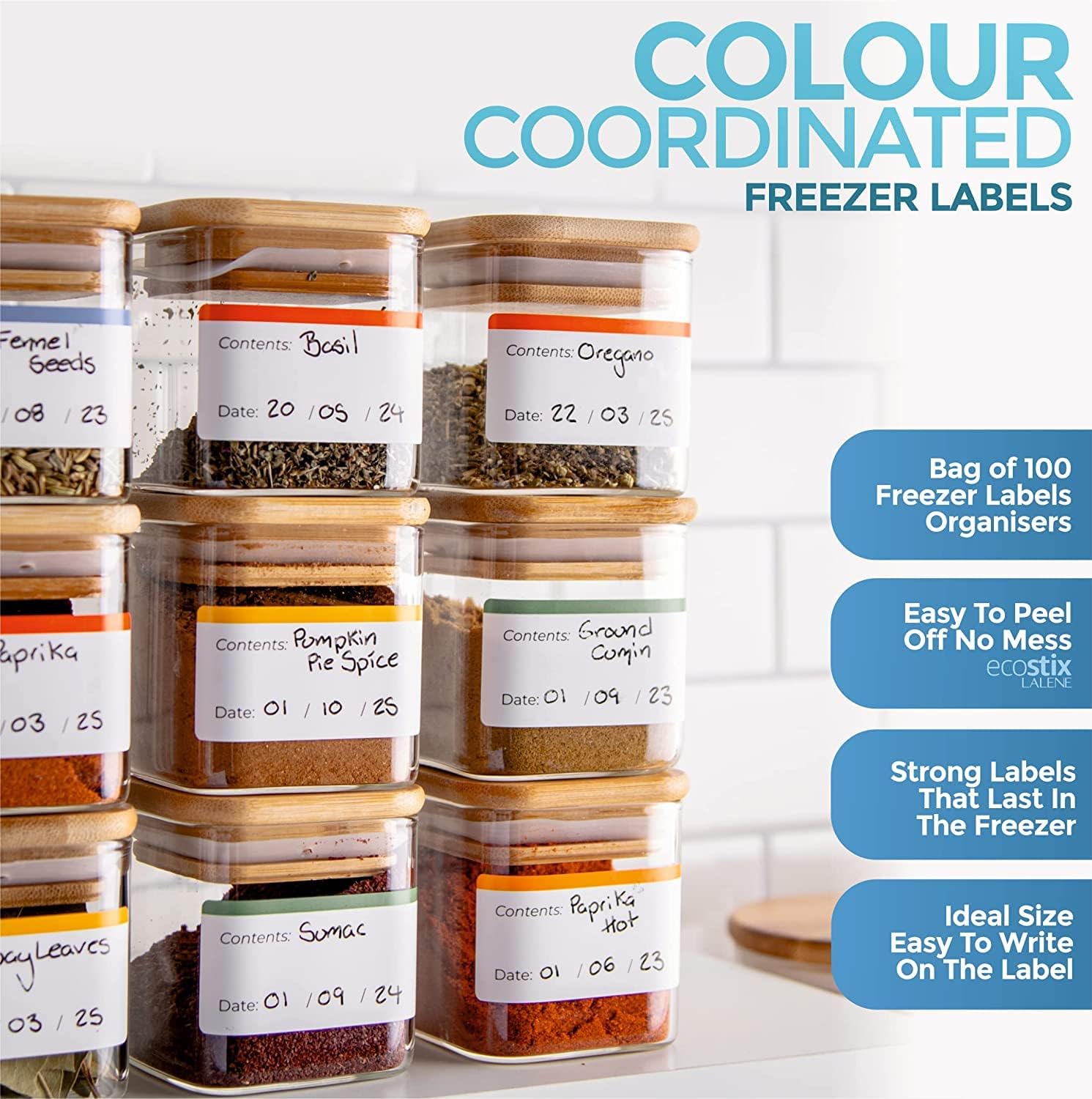
Color Coded Labels
I love using these to mark my containers: one color for hard boiled and another for soft boiled eggs.
Check Price on AmazonAs an Amazon Associate, I earn from qualifying purchases.

Reusable Silicone Bags
These may be used to store peeled eggs in the fridge while keeping them perfectly airtight.
Check Price on AmazonAs an Amazon Associate, I earn from qualifying purchases.

Precision Vacuum Sealer
While not strictly for eggs, this is perfect for keeping your bulk groceries fresh for months at a time.
Check Price on AmazonAs an Amazon Associate, I earn from qualifying purchases.
Sources & Transparency
This guide was developed based on safety information from the FDA, the USDA, and various university food science extensions. Our goal is to provide practical home advice backed by solid safety guidelines. You can read more about my mission in our food storage blog.
Last updated:
Update Log
- : Added detailed sections on peeled vs. unpeeled life, the seven-day stash test, and the egg storage infographic.