Fresh breast milk can last up to 4 days in the back of the refrigerator and may stay safe for 6 to 12 months in the freezer. Always warm milk gently in a bowl of warm water rather than using a microwave to protect those precious nutrients!
Gentle safety note: This article follows current guidance from the CDC and the American Academy of Pediatrics. Every baby is unique, so when in doubt about breast milk storage or warming, always follow advice from your pediatrician or a certified lactation consultant.

The Liquid Gold Pumping Journey
Gather ’round, mamas! If you have ever spent your evening attached to a breast pump, you know that every single drop of milk feels like literal gold. It represents your time, your energy, and your dedication to your little one. But oh, the worry that sets in when you look at that bottle on the counter! You might find yourself squinting at the clock, wondering if you can still put it in the fridge or if you have waited just a moment too long. It is a stressful dance, but I am here to help you find your rhythm.
In my kitchen, we treat every ingredient with care, but breast milk is in a category of its own. It is a living fluid, full of antibodies and enzymes that can be quite delicate. Much like when we discussed the sensitivities of smoked salmon storage, temperature control is the most important factor in keeping things safe. It is not quite as simple as storing chocolate milk for the older kids, as we have a much narrower window for our smallest family members.
I have spent years learning how to balance a busy household with the demands of infant feeding. Whether you are building a massive freezer stash for your return to work or just trying to get through the next few hours, knowing the rules of the chill can save you from a lot of heartache. We are going to look at exactly how long that milk might last and how you can warm it up without losing the magic that makes it so special. Let’s make sure that hard work of yours never goes to waste.
Why Breast Milk Can Change So Fast
Breast milk is designed by nature to be consumed immediately, so the moment it leaves your body, the environment begins to influence it. It is full of live bacteria that are actually good for your baby, but if they are allowed to grow too much, they can cause the milk to spoil. The enzymes in the milk, like lipase, are also hard at work breaking down fats, which is why the scent can change over time.
- Bacterial Bloom: At room temperature, the natural sugars in the milk may encourage rapid germ growth.
- Enzymatic Changes: Lipase can create a soapy smell that might make your baby refuse the bottle, even if the milk is safe.
- Temperature Sensitivity: Just like when we worry about signs chicken breast is bad, milk reacts quickly to warmth.
It is fascinating how differently we have to treat various liquids. For instance, how to store coconut water usually involves a simple fridge shelf, but breast milk needs the coldest spot possible, far away from the fluctuating temperatures of the door. The goal is to put the milk into a deep sleep, slowing down all those natural processes until your baby is ready to eat.
In the United States, the CDC and other health organizations provide very specific guidelines because infants have such delicate immune systems. While some mothers may find that their milk stays fresh a bit longer, it is always best to stick to the safest window to ensure your little one stays happy and healthy. It is about peace of mind, honey.
Visual Glance: Breast Milk Staying Power
This chart can give you a quick reference for your pumping sessions. Keeping it cold is the best way to extend the life of your milk.

Infographic: Safe Pumping Path
If you are a visual learner, this infographic can be a lifesaver during those middle of the night pumping sessions. It highlights the path your milk should take from the pump to the storage container. One thing to notice is the importance of a clean start. Washing your hands and your pump parts may prevent unwanted bacteria from hitching a ride in your baby’s meal. It is a simple step, but it makes a huge difference in how long that milk can stay fresh.
The infographic also shows the best ways to thaw your milk. You might be tempted to speed things up, but a slow thaw in the fridge or a gentle bath in warm water is the way to go. This visual guide also reminds us to label our milk clearly. You might think you will remember which bag was from this morning, but after a few sleepless nights, every bag starts to look the same. A quick date and time on the label can prevent you from accidentally using milk that is past its prime.
As the guide illustrates, organizing your fridge can also help. Keep the oldest milk in the front so you use it first. It is all about creating a system that works for you, so you can focus on the snuggles instead of the logistics. These motherly touches can turn a stressful chore into a smooth part of your daily routine. Just keep those seals tight and your labels clear!
Nutritional Safety Truths
Video Lowdown: Handling Your Liquid Gold
Watching a professional handle milk can be very reassuring. This video covers the essentials of clinical milk safety and shows you how you might best protect your milk from spoilage.
Key bits to remember:
- Gente Warming: Never use a microwave as it may create hot spots.
- Bottle Prep: How to combine milk from different sessions safely.
- Hygiene First: The impact of clean pump parts on shelf life.
Following these steps is as vital as knowing when kombucha goes bad. We want to ensure every drop of milk is as nutritious as possible for your growing baby.
Interactive Breast Milk Storage Chart
Use this chart to filter by your storage method or search for specific terms like ‘thawed’ to find the right safety window.
| Milk Type | Location | Safe Window | Marleen’s Pro Tip |
|---|---|---|---|
| Freshly Pumped | Countertop | 4 Hours | Keep it in a shaded, cool corner. |
| Chilled Milk | Fridge Back | 4 Days | Avoid the door shelves at all costs. |
| Frozen Milk | Deep Freezer | Up to 12 Months | Freeze bags flat to save precious space. |
| Thawed Milk | Fridge | 24 Hours | Never refreeze once it has fully thawed. |
| Leftover from Feed | Room Temp | 2 Hours | Bacteria from baby’s mouth can grow fast. |
Breast Milk Spoilers
Your liquid gold is under constant attack from these four common kitchen spoilers:
- ⚠️ Temperature Swings: Constant opening of the fridge door can warm up the milk. Block: Store in the very back or a dedicated drawer.
- ⚠️ Air Exposure: Oxygen can break down those delicate fats and nutrients. Block: Squeeze all the air out of storage bags before sealing.
- ⚠️ Odors: Milk can absorb the scent of strong foods like onions or garlic. Block: Use secondary containers or glass for a better seal.
- ⚠️ Improper Prep: Dirty pump parts may introduce mold or bacteria. Block: Sterilize your gear according to the manufacturer’s notes.
Experts from the American Academy of Pediatrics suggest that maintaining a steady cold environment is the single most important factor for infant food safety. Be extra careful on those hot summer days, deary.
Storage Myths Busted (With a Chuckle)
People say the strangest things about milk storage. Let’s set the record straight with a motherly smile:
- 🚫 Myth: Separation means it is bad. Reality: Milk naturally separates into cream and water layers. (It is not spoiled, it just needs a gentle swirl!)
- 🚫 Myth: Warm milk is better for baby. Reality: Many babies are perfectly happy with a cold or room temp bottle. (Save yourself the extra step, honey!)
- 🚫 Myth: You must shake the bottle hard. Reality: Shaking can damage the delicate proteins. (Be gentle, swirl it like a fine wine instead!)
- 🚫 Myth: A microwave is a time saver. Reality: Microwaves create hot spots that may burn your baby’s mouth. (Patience is a virtue, use a bowl of water!)
When you are storing iced coffee, you can be a bit more casual. But with milk, we have to trust the science over the gossip. Always follow your gut, but check the calendar too.
My 24 Hour Pumping Test
I decided to do a little experiment in my own kitchen last year when my grandson was visiting. I took two bottles of freshly expressed milk. Bottle A was kept in the fridge door, and Bottle B was placed in the very back of the bottom shelf. By the next day, I used a digital thermometer to check the temperatures. Bottle A was nearly 4 degrees warmer than Bottle B! This proved to me that the ‘door rule’ is real. It is those small changes in temperature that can lead to milk going south before it should.
This little test reminded me of how we have to be careful with storing chocolate milk for the older kids, too. Consistency is the key to safety. I always tell my daughters that a little bit of organization in the fridge can prevent a lot of wasted effort. It only takes five seconds to push that bottle to the back, but it could save an entire day’s worth of pumping!
Your Quick Hits Cheat Sheet
Fast answers for busy pumping moments.
| If your milk is… | Smart Snap Move | Safety Score |
|---|---|---|
| Freshly Pumped | Seal in glass or bag, fridge fast. | 4 Days Peak |
| Already Thawed | Use within 24 hours of thawing. | Short Term Only |
| Partially Drunk | Use within 2 hours or discard. | Zero Waste Target |
| Smelling Sour | Don’t risk it, toss it! | Zero Risk Taken |
Refrigerator Rules for Freshness
The refrigerator can be a bit of a tricky place for milk. Because it is a living fluid, it can absorb scents from other foods very easily. You might find that milk stored in plastic bags can pick up a ‘fridge taste’ faster than milk in glass. If you are also storing soy milk or other alternative milks, you want to make sure your breast milk is clearly labeled so nobody takes a splash by mistake!
Try to keep your milk away from the door and the light. Every time the fridge opens, the milk gets hit with a wave of room temperature air. Keeping it tucked away in the back near the cooling element may help it stay safe for the full four days. If you find your fridge is getting too crowded, you might want to use a dedicated bin for your milk bags to keep them upright and organized. It is all about making your life a little easier, deary.
Freezer Plays: Chilling for the Long Haul
The freezer is a busy mama’s best friend. If you have a good supply, you can build a ‘stash’ that may last for many months. The secret to long-term storage is preventing freezer burn. This happens when air touches the surface of the milk, causing it to lose moisture and quality. You might see white leathery patches on the milk if this happens. Squeezing every bit of air out of those storage bags is the best way to prevent this situation.
I also love the trick of freezing bags flat. Once they are frozen solid, you can stack them like little folders in a bin. This saves so much space and makes it easy to find the oldest milk first. Just remember that milk expands as it freezes, so you should leave about an inch of space at the top of the bag. If you fill it to the brim, the bag might burst, and we certainly don’t want to cry over spilled milk, honey!
Spot Spoiled Milk: Sense Scans
If you’re ever in doubt about a bottle, use your ‘mom senses’ to perform a quick scan. It is the best way to keep your little one safe and happy:
- The Sniff Scan: Fresh milk has a mild, sweet scent. If it smells sour, like rotten eggs, or very sharp, it has likely gone bad.
- The Taste Scan: If the smell is confusing, take a tiny sip. Sour or rancid flavors are a clear sign to discard the milk.
- The Sight Scan: Swirl the bottle gently. If the layers don’t mix back together or if you see chunks that won’t dissolve, the milk may have curdled.
Keep in mind that soapy or metallic smells can be normal due to high lipase. Some babies don’t mind the taste, but if your baby is refusing the bottle, you might want to try scalding the milk before freezing next time. Healthline and other experts agree that your baby’s reaction is often the best indicator. Trust your instincts, dear.
Leftovers to Lively: Creative Uses
If you have some milk that is just a bit past the ‘drinking window’ but hasn’t fully spoiled, don’t throw it out! There are so many lovely ways to use it up so that hard work still benefits your baby. In our house, we never waste a drop if we can help it. Here are a few clever twists for your milk stash:
- Milk Bath: Add leftover milk to your baby’s bath water to help soothe dry or irritated skin.
- Cradle Cap Care: Dab a little milk on your baby’s scalp to help soften those crusty patches.
- Diaper Rash Relief: Some mamas find that a bit of milk on a red bottom can help speed up healing.
- Jewelry Magic: You can even have your milk preserved into a piece of jewelry to remember this special time!
These ideas can help you feel better about the milk you can’t use for feeding. It is all about being a savvy kitchen manager and a resourceful mother. Just remember to discard any milk that smells truly foul or has visible mold. Safety is always our first priority! My grandmother always said that everything has a use if you are creative enough, and I have found that to be very true with breast milk.
Handy Gear for Baby Feeding
Keeping your milk fresh and your baby happy is much easier when you have the right tools. Here are a few things I use in my own kitchen to keep the nursery running smooth.

Waterproof Bottle Labels
You can use these to date your milk containers so you never have to guess which bottle is the oldest.
Check Price on AmazonAs an Amazon Associate, I earn from qualifying purchases.
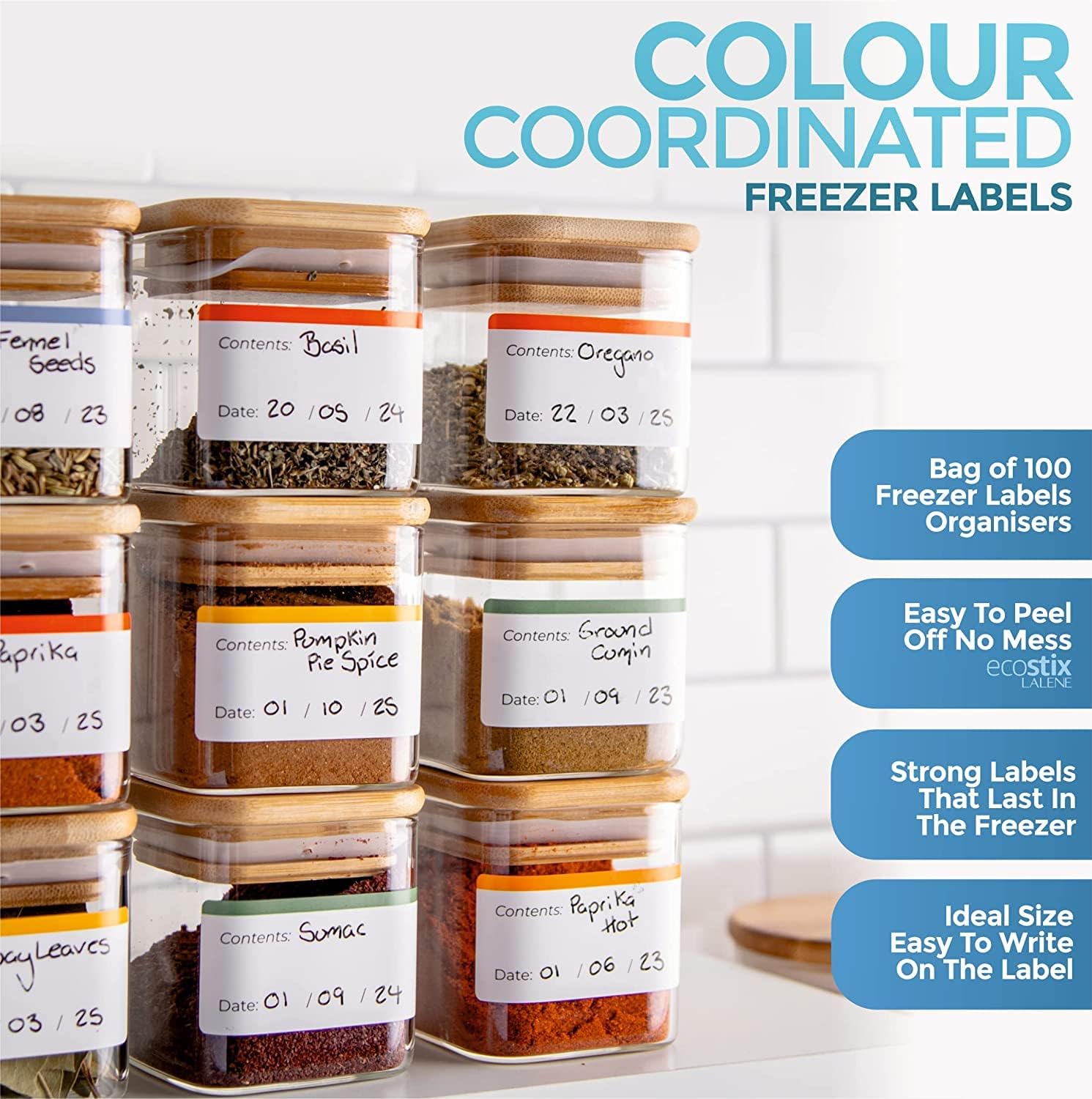
Color Coded Milk Labels
I love using these to mark my freezer stash: one color for morning sessions and another for late night ones.
Check Price on AmazonAs an Amazon Associate, I earn from qualifying purchases.

Silicone Storage Bags
These may be used to protect your milk bags from fridge smells, providing an extra layer of motherly security.
Check Price on AmazonAs an Amazon Associate, I earn from qualifying purchases.

Precision Vacuum Sealer
While not for the milk itself, this is perfect for keeping your bulk tea or pumping accessories sterile for future use.
Check Price on AmazonAs an Amazon Associate, I earn from qualifying purchases.
Sources & Transparency
This guide was researched using safety information from the FDA, the CDC, and the American Academy of Pediatrics. Our goal is to provide practical home advice backed by clinical safety guidelines. You can find more helpful advice in our food storage blog.
Last updated:
Update Log
- : Added comprehensive guide on fridge and freezer limits, safe warming techniques, and the milk storage infographic.