Fresh asparagus can stay crisp for up to 10 to 14 days in the refrigerator if you use the bouquet method. By standing the stalks in a jar of water and covering them loosely with a bag, you may prevent them from going limp or slimy!

The Mystery of the Limp Stalk
I have a little secret to share with you today. For years, I avoided buying asparagus because I was so tired of finding a bunch of mushy, smelly green stalks at the bottom of my produce drawer just three days after shopping. It felt like throwing money straight into the compost bin! Asparagus is such a lovely, elegant vegetable, but it behaves more like a fresh cut flower than a sturdy carrot. If you just toss it into the fridge in its original grocery store bag, it can lose its spirit faster than a birthday balloon.
In our busy home, we try to be very mindful about how we treat our kitchen treasures. Much like when we are carefully storing chocolate milk for the grandkids, everything needs its own special environment. I have spent a lot of time experimenting with different ways to keep my veggies firm because there is nothing better than that perfect snap when you bite into a roasted spear. It is not quite the same as knowing how to store coconut water, but the goal of maintaining moisture is exactly the same.
I often tell my daughters that a little bit of extra care on the day you come home from the market can save you a whole lot of frustration later in the week. Whether you are planning a fancy brunch or a simple stir fry, keeping your asparagus in top shape is the first step to a delicious result. This “bouquet method” I am going to show you might seem a bit unusual at first, but it is a total game changer for your vegetable shelf. Let’s look at why these stalks are so temperamental and how you can master their care once and for all.
Asparagus Scoop: Why It Turns Quick
Asparagus is a high respiration vegetable, which is just a fancy way of saying it “breathes” very fast even after it is picked. It uses up its own natural sugars and moisture at a rapid pace. Once those sugar levels drop, the stalks can become woody, tough, and eventually start to break down into a slimy mess. It is a biological race against time, honey!
- Moisture Loss: The cut ends act like a straw, but once they dry out, the whole stalk begins to wilt.
- Ethylene Sensitivity: Asparagus can be very sensitive to gases from other fruits like apples or bananas.
- Temperature Sensitivity: Just like when we discuss smoked salmon storage, heat is the ultimate enemy of freshness.
It is quite a similar situation to when people ask does kombucha go bad after it has been sitting out. Both items are full of living processes that we need to slow down with the power of the refrigerator. For asparagus, the key is to keep the “feet” wet and the “heads” dry but humid. When you find that perfect balance, you might be surprised at just how long those spears can stay spicy and firm.
The FDA and other health groups suggest that produce should always be washed right before you eat it, but never before you store it. In my kitchen, I have found that extra moisture on the tips of the asparagus is the fastest way to invite mold. We want to keep the moisture at the base where it belongs, deary.
Visual Glance: Asparagus Staying Power
This chart can show you how different spots in your kitchen may affect the life of your asparagus. A little bit of chill can go a very long way.

Infographic: The Path to Freshness
Looking at this infographic can help you visualize the steps to keeping your stalks crisp. It highlights the main stages of storage from the moment you bring that bundle of asparagus home. You might notice that the first step is always to trim the ends if they look dry or woody. This allows the stalks to actually drink up the water in the jar. This infographic can be a great reminder to tuck into your recipe book or tape inside a pantry door.
The visual guide also emphasizes why the bouquet method is such a miracle for vegetable lovers. It shows how the stalks maintain their internal moisture levels, making them actually easier to cook for certain dishes. If you have ever struggled with the stringy fibers of older asparagus, the hydration method shown here may be your new favorite secret. By following these visual cues, you can ensure that you always have a firm, flavorful piece of asparagus ready for your favorite recipes without any of the waste that usually comes with fresh produce.
Nutritional Truths
Video Lowdown: Asparagus Storage Masterclass
Asparagus is a powerhouse of vitamins and minerals, but those benefits can fade if the stalks go limp. This video explains the science behind the snap and shows you exactly how to handle it.
Key bits to watch for:
- Hydration and Crispness: How asparagus uses water to stay firm.
- The Trimming Trick: Why cutting the ends is essential.
- Bagging the Tops: How to prevent the tips from drying out in the fridge air.
It can improve your kitchen flow, just like knowing how to store iced coffee helps during a busy morning routine.
Interactive Asparagus Storage Chart
Filter by your favorite storage spot or search for ‘frozen’ to find the best fit for your needs.
| Asparagus State | Storage Spot | Typical Life | Marleen’s Pro Tip |
|---|---|---|---|
| Bouquet Method | Fridge (Back) | 10-14 Days | Change the water every 2 to 3 days. |
| Blanched Stalks | Freezer (Bag) | 8 Months | Don’t freeze them raw or they will get mushy. |
| Wet Wrap | Fridge (Crisper) | 5 Days | Use a damp paper towel around the ends. |
| Unopened Bundle | Cool Pantry | 1-2 Days | Avoid if your kitchen is very humid. |
| Cooked Spears | Fridge (Sealed) | 3 Days | Perfect for adding to a morning omelet. |
Asparagus Spoilers
Fresh asparagus can be quite sensitive to its surroundings. You can protect your stalks by avoiding these four main spoilers:
- ⚠️ Air: It can dry out the heads and turn them woody. Block: Use a loose plastic cover.
- ⚠️ Moisture: Standing water on the tips may lead to mold growth. Block: Keep the water only at the base.
- ⚠️ Ethylene: Nearby fruit can make the asparagus age prematurely. Block: Keep it away from the fruit bowl.
- ⚠️ Warmth: This may speed up the respiration process. Block: Keep it at a steady cool temperature.
The USDA suggests that most green vegetables thrive when kept away from dry air, and asparagus is no exception. In the humid US summers, the fridge is almost always the safest choice.
Asparagus Myths Busted (With a Chuckle)
I have heard many tall tales about this elegant little vegetable. Let’s clear some up with a motherly smile:
- 🚫 Myth: Thin stalks are always better. Reality: Fat stalks can be just as tender and juicy! (It is all about the freshness, dear.)
- 🚫 Myth: Limp asparagus is dead. Reality: You may be able to revive it with a long soak in ice water. (It is just thirsty!)
- 🚫 Myth: Freezing raw is fine. Reality: It may result in a mushy disaster once thawed. (Blanch them first, honey!)
- 🚫 Myth: Rubber bands are safe. Reality: They can bruise the stalks if left too tight during storage. (Let them breathe!)
Just like knowing the signs chicken breast is bad, being a bit of a detective with your vegetables can keep your kitchen safe and tasty.
My Seven Day Bouquet Method Test
I decided to do a little experiment in my own kitchen last spring. I bought two identical bundles of asparagus and split them up. Bundle A went into the crisper drawer in its grocery store bag. Bundle B was given the full “bouquet treatment” with a jar and a loose cover. By day four, Bundle A was already showing signs of wilting and the tips were starting to look a bit dark. But Bundle B? Even on day seven, the stalks were so firm they could almost snap on their own!
This little test proved to me that for someone who doesn’t cook every single night, the bouquet method is a total lifesaver. It is a bit like managing our grocery budget: we have to plan for the future. Proper storage can be a wonderful way to ensure that you never have to throw away a shriveled piece of food again. It is one of those motherly tricks that just makes life easier.
Your Asparagus Quick Hits
Fast answers for your favorite green stalks.
| If your asparagus is… | Smart Snap Move | Score |
|---|---|---|
| Whole and Raw | Stand in water, fridge back. | 14 days of crisp. |
| Already Trimmed | Fridge in a sealed container. | Use within 5 days. |
| Too Much to Use | Blanch then freeze in bags! | 8 months of ease. |
| Slimy or Smelly | When in doubt, throw it out! | Zero risk taken. |
Unopened Bundles: Refrigerator Rules
If you have just brought home a fresh bundle and you know you will use it within a day or two, the crisper drawer can be fine. However, you should avoid the very front of the fridge where the temperature fluctuates every time the door opens. A cool, dark corner of the drawer is much better. Keep in mind that humidity can be a vegetable’s best friend, so if your fridge is very dry, you may want to wrap the ends in a damp paper towel sooner rather than later.
I always tell my family that organized storage is the key to a happy kitchen. Much like when you are trying to keep cocktail syrup or other sweet things, the shelf is only for things you plan to finish quickly. If that asparagus sits in a dry bag for more than three days, it can start to lose its internal moisture, and you will be left with a woody piece of stalk that is no fun to eat at all.
Peeled and Trimmed: Fridge Fixes for Fresh
Once you have cut or peeled your asparagus, the clock starts ticking a bit faster. The refrigerator is the best place for an opened bundle, provided you keep it in an airtight environment. I have found that placing the stalks in a large glass jar can work wonders. Some people like to use plastic bags, but I have found that can sometimes lead to crushing the delicate heads if you are not careful. A sturdy jar can often be a safer bet to maintain the upright structure of the plant.
Regardless of the method, you should always perform a quick check for any soft spots or discoloration before you start your meal prep. Safety is a mother’s first priority, after all! If you notice the water in your jar has turned cloudy, it is time to give it a fresh rinse. It only takes ten seconds, but it can add days to the life of your produce. Trust your eyes and your nose, deary.
Freezer Plays: Why It Can Be Tricky
Freezing is a wonderful way to save a harvest, but you must do it right! You should never just toss raw asparagus into a freezer bag. The high water content will expand and burst the cell walls, leaving you with a limp, watery spear once it thaws. The secret is blanching. By dropping the stalks into boiling water for two minutes and then immediately into an ice bath, you can “freeze” the nutrients and the color in place.
Once blanched and dried, you can freeze them in a single layer on a cookie sheet before moving them to a bag. This is a bit like how we handle coconut water in the freezer: portioning can make your future life so much simpler. These frozen spears are perfect for dropping into a hot soup or a bubbling pot of pasta. Just make sure everything is labeled so you don’t confuse your asparagus with your green beans!
Spot Spoiled Asparagus: Sense Scans
If you are worried that bundle in the back of the drawer has seen better days, use your “mom senses” to perform a quick scan. It is the best way to keep everyone at the table safe and happy:
- The Sniff Test: Fresh asparagus should smell like green grass. If it smells musty, sour, or like rotting cabbage, it has likely gone bad.
- The Touch Test: Give it a gentle squeeze. It should be as firm as a pencil. If it feels soft, hollow, or “squishy,” it is time to say goodbye.
- The Sight Test: Look for those fuzzy spots of white or green mold. Also, if the tips have turned dark and mushy, it may be past its prime.
Sometimes you might see a bit of purple at the tips of certain varieties. This can sometimes be a natural variation and is not a sign of spoilage. However, if it is accompanied by a change in texture or smell, do not take the risk. Healthline and other experts agree that food poisoning is never worth a $4 bundle. Listen to what your senses are telling you, dear.
Leftovers to Lively: Asparagus Twists
If you have a bit of asparagus left over and you don’t want to freeze it, there are so many lovely ways to use it up before it goes south. No food should ever go to waste in a busy home! Here are a few motherly ways to use up your asparagus stash:
- Asparagus Omelet: Chop it thin and sauté with a little cheese for a healthy breakfast.
- Vichyssoise: Blend it with potatoes and cream for a soothing, cold summer soup.
- Asparagus Pesto: Blend the stalks with nuts and oil for a long lasting, vibrant sauce.
- Quick Pickles: Thinly slice and soak in vinegar for a crunchy condiment for your next sandwich.
These little twists can help you get through your asparagus while it is still at its peak. It is all about being a savvy kitchen manager! My grandmother used to say that a good cook could make a feast out of a few green stalks, and I have found that to be very true. Just keep those stems dry and sealed, and you will be an asparagus pro in no time at all.
Handy Gear for Vegetable Handling
Keeping your produce fresh is so much easier with the right tools. Here are a few items I use in my own kitchen to keep things organized.

Removable Glass Labels
You can use these to date your jars of asparagus so you never have to guess how old they are.
Check Price on AmazonAs an Amazon Associate, I earn from qualifying purchases.
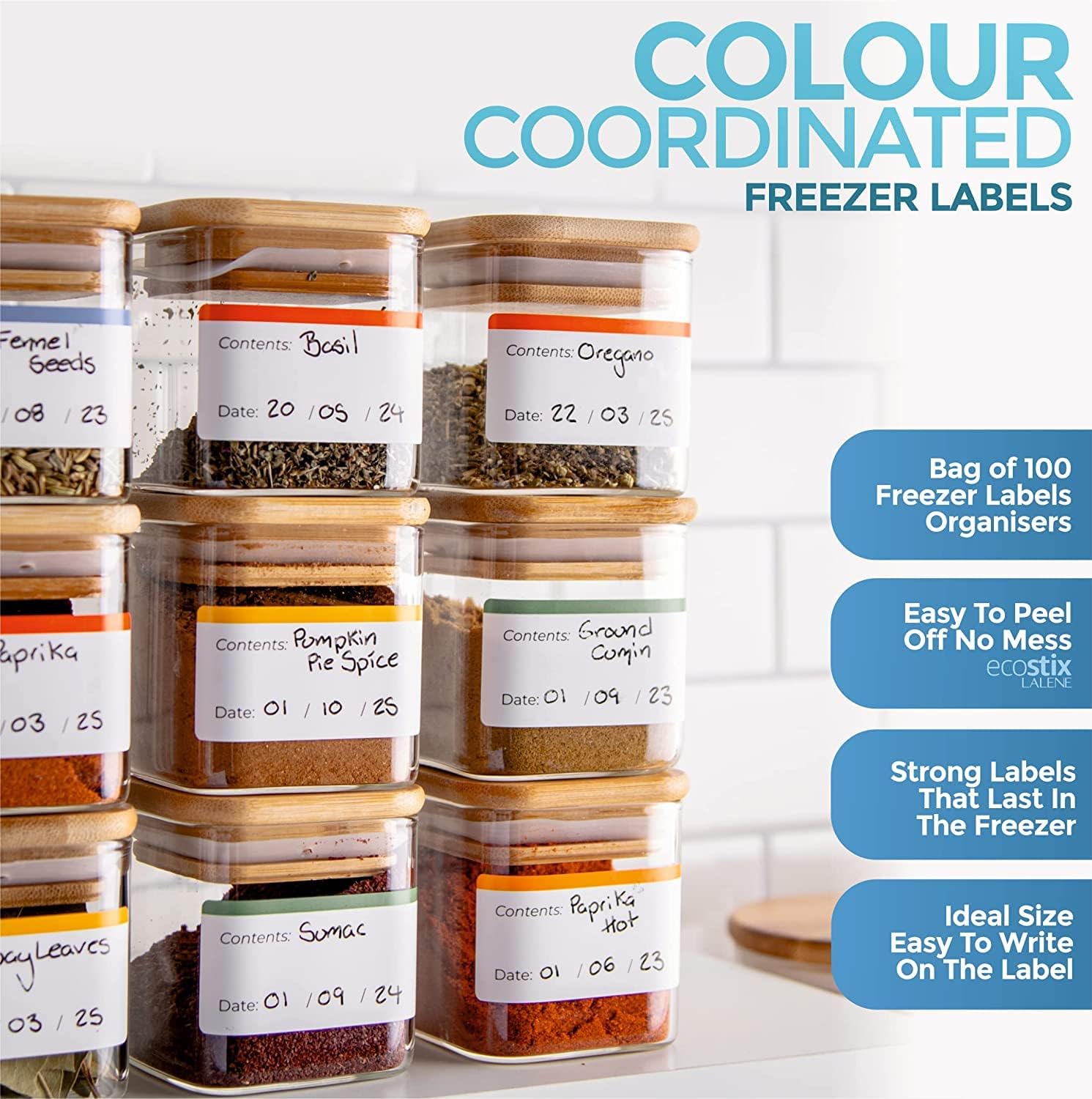
Color-Coded Freezer Labels
I love using these to mark my frozen veggie bags so I can find them at a glance among the other meals.
Check Price on AmazonAs an Amazon Associate, I earn from qualifying purchases.

Reusable Silicone Bags
These may be used to store blanched asparagus in the freezer without any risk of plastic leaks.
Check Price on AmazonAs an Amazon Associate, I earn from qualifying purchases.

Precision Vacuum Sealer
While not strictly necessary for fresh stalks, this is perfect for keeping your bulk meats and dry goods fresh for years.
Check Price on AmazonAs an Amazon Associate, I earn from qualifying purchases.
Sources & Transparency
This guide was developed based on safety information from the FDA, the USDA, and various university food science extensions. Our goal is to provide practical home advice backed by solid safety guidelines. You can read more about my mission in our food storage blog.
Last updated:
Update Log
- : Added detailed sections on the bouquet method, blanching rules, and the asparagus freshness infographic.