Opened soda can stay fizzy for 2 to 4 days if you store it in the back of the fridge and never squeeze the bottle. Cold temperatures help the gas stay dissolved, while squeezing may actually encourage more bubbles to escape into the empty space.

The Soda Fizz Fiasco
I can still remember the look on my grandson’s face when he took a big gulp of what was supposed to be a refreshing root beer, only to realize it had gone as flat as a pancake. There is something truly disappointing about a sugary drink that has lost its sparkle. We have all been there, reaching into the fridge for a treat only to find a bottle that is more like syrup water than a bubbly delight. It is a tiny kitchen tragedy that can happen to the best of us.
I have spent many afternoons observing how my kitchen operates, and I have realized that how we handle our drinks matters just as much as how we handle our meals. Just like when we discussed how to store coconut water to keep it crisp, soda has its own unique personality. It is a delicate balance of pressure and temperature that keeps those bubbles right where they belong. Many of us grew up with little habits, like squeezing the air out of the bottle, but you might be surprised to learn that those old tricks can sometimes do more harm than good.
In our family, we love a good celebration, and that usually involves a few big bottles of sparkling drinks. Whether you are dealing with a classic cola or a fancy ginger ale, the secret to a long life for your fizz is all about physics. We may think we are being clever, but the science of carbonation is a bit of a stubborn thing. We are going to explore why your soda might be losing its kick and how you can use a few motherly strategies to keep it lively for days. It is about saving your money and your taste buds at the same time.
Soda Scoop: Why It Turns Quick
Carbonation is essentially carbon dioxide gas that is forced into a liquid under high pressure. Once you twist that cap and hear that familiar sound, the pressure is released, and the gas wants to escape back into the air. It is a natural process that can happen very quickly if the conditions are not just right.
- Temperature: Warm liquids can hold much less gas than cold ones. If your soda sits on the counter, it might go flat in hours.
- Surface Area: The more the liquid is moved or splashed, the more opportunities the gas has to form bubbles and leave.
- Agitation: Shaking or even just a rough pour can knock the carbonation right out of your drink.
This situation is quite different from how we look at other beverages. For example, when considering does kombucha go bad, we are looking at fermentation and active cultures. Soda is much more about the physical gas trapped in the liquid. If you store your drinks incorrectly, the flavor can change too, much like how how to store iced coffee involves protecting it from oxidation. For soda, the loss of fizz can make the drink taste overly sweet and heavy.
Experts from various food science journals suggest that carbonation stability is highly dependent on the “headspace” in the bottle. When a bottle is half empty, there is more room for the gas to leave the liquid and fill the gap. This is where the physics of the bottle becomes very interesting for any organized kitchen manager.
Visual Glance: Soda Staying Power
This chart demonstrates how different storage spots and methods can sway the lifespan of your bubbles. Keep it cold to keep the gold.

Infographic: The Physics of the Fizz
If you take a peek at this infographic, you may find that it clarifies the relationship between the empty space in your bottle and the gas in your drink. It highlights the main reason why carbonation can be so elusive once the seal is broken. You might notice that the first stage of storage involves ensuring that the cap is seated perfectly. This simple step can prevent the gradual leak of gas that often happens in a crowded refrigerator. This infographic can be a wonderful reminder for the whole family to treat the bottles with care.
The visual guide also explains why keeping your soda away from the door is a smart move. Constant movement and temperature changes can disturb the liquid, which might lead to a faster loss of carbonation. If you have ever wondered why some bottles stay sparkly longer than others, the information here may give you the answers you need. By following these visual cues, you can make sure that you are getting every bit of enjoyment out of your groceries without any of the flat disappointment that usually comes with improper storage. It is all about working with nature, not against it.
Bubbly Hydration Truths
Video Lowdown: Carbonation Secrets
Carbonation is more than just bubbles; it is a science that reacts to every move you make. This video covers the essentials of gas solubility and why certain habits may be failing you.
Key bits to watch for:
- Henry’s Law: How pressure keeps the gas in the liquid.
- The Squeeze Myth: Why removing air might actually encourage gas to leave.
- Bottle Size: Why smaller containers may stay fizzy longer.
It can improve your beverage handling, much like knowing the signs chicken breast is bad helps you manage your weekly meal plan safely.
Interactive Soda Storage Chart
Filter by the container type or search for specific spots like ‘door’ or ‘back’ to see how long your fizz might last.
| Bottle Type | Storage Spot | Expected Life | Marleen’s Pro Tip |
|---|---|---|---|
| Opened 2L Plastic | Fridge Back | 2-3 Days | The less headspace, the better. |
| Opened Glass Bottle | Fridge Cold | 4-5 Days | Glass holds the bubbles much more effectively. |
| Unopened Can | Pantry Cool | 6-9 Months | Avoid high heat cabinets at all costs. |
| Small Plastic Bottle | Fridge Side | 1 Day | Finish these fast as they lose gas quickly. |
| Cup with Straw | Refrigerator | 6–8 Hours | Cover the straw to slow down the air. |
Soda Spoilers
Even though soda is mostly sugar and water, it still faces challenges in your pantry and fridge. You can protect your sparkly stash by avoiding these four main spoilers:
- ⚠️ Heat: This is the biggest enemy of gas. Warmth forces the CO2 out of the liquid. Block: Keep it chilly!
- ⚠️ Air Space: The more air in the bottle, the more space there is for gas to fill. Block: Use smaller containers.
- ⚠️ Light: Strong sunlight can sometimes degrade the flavors and artificial sweeteners. Block: Store in a dark cupboard.
- ⚠️ Vibration: Constant shaking from a fridge door can encourage gas to separate. Block: Use the back shelf.
The FDA and other safety groups might focus on spoilage, but for soda, the “bad” is usually just a loss of quality. In the humid US summers, the fridge is almost always the safest choice for any open drink.
Soda Myths Busted (With a Chuckle)
I have heard many tall tales about how to save the sparkle. Let’s set the record straight with a motherly smile:
- 🚫 Myth: Squeezing the bottle helps. Reality: It might actually increase the surface area and pull gas out! (Let the bottle keep its shape, deary.)
- 🚫 Myth: A silver spoon in the neck works. Reality: This old tale has been proven to be ineffective by many scientists. (It is just a decoration!)
- 🚫 Myth: Tapping the top stops the foam. Reality: It may help slightly with bubbles on the side, but a gentle pour is much better. (Patience is key!)
- 🚫 Myth: Diet soda stays fizzy longer. Reality: The carbonation process is the same, though the sweeteners might react differently. (All bubbles are equal!)
Just like when we discuss smoked salmon storage, being a bit of a detective with your groceries can keep your kitchen running smoothly. Always trust the physics over the gossip!
My 48-Hour Fizz Test
I decided to do a little experiment in my own kitchen last week. I bought two identical large bottles of ginger ale. Bottle A I squeezed until the liquid was at the top before capping it. Bottle B I just tightened the cap and put it straight in the back of the fridge. By the next day, Bottle A was already noticeably flatter when I poured a glass. Bottle B, however, still had a nice sharp bite! It proved to me that letting the bottle stay in its natural shape really is the better way to go.
This little test proved to me that for someone who doesn’t finish a whole 2 liter bottle in one sitting, the fridge placement is a total lifesaver. It is a bit like managing our grocery budget: we have to plan for the future. Proper storage can be a wonderful way to ensure that you never have to throw away a half empty bottle of flat soda again. It is one of those motherly tricks that just makes life easier, just like knowing how to properly store chocolate milk for the little ones.
Your Soda Quick Hits
Fast answers for your favorite sparkly drinks.
| Scenario | Smart Snap Move | Score |
|---|---|---|
| Newly Opened | Seal tight, put in fridge back. | 4 days of fizz. |
| Half Empty Bottle | Transfer to a smaller glass jar. | Extended sparkle. |
| Too Flat to Drink | Use it for baking or marinades! | Zero waste win. |
| Cloudy or Off Smell | When in doubt, throw it out! | Zero risk taken. |
Unopened Packs: Shelf Steadies
If you have just brought home a fresh pack of cans or bottles and you know you will not use them for a while, a cool pantry can be fine. However, you should avoid spots that get direct sunlight or are near the heat of your oven. A cool, dark corner of the basement may be better if your kitchen tends to get warm. Keep in mind that pressure can be a beverage’s worst enemy, so if your storage area is very hot, the internal pressure can actually cause the seals to weaken over time.
I always tell my family that organized storage is the key to a happy kitchen. Much like when you are trying to keep how to store coconut water or other sweet things, the shelf is only for things you plan to keep sealed. If that soda sits in a warm pantry for a year, the carbonation can actually leak through the plastic bottle itself! Glass and aluminum are much better at holding the gas in for the long haul. Trust your containers, deary.
Opened Drinks: Fridge Fixes for Fresh
Once you have twisted that cap, the clock starts ticking a bit faster. The refrigerator is the best place for an opened bottle, provided you keep it in an airtight environment. I have found that placing the soda in the very back of the shelf can work wonders. Some people like to use fancy pump caps that re-pressurize the bottle, and those can be a very handy tool if you drink a lot of sparkling water. A simple, tight cap can often be enough if the bottle is kept undisturbed.
Regardless of the method, you should always perform a quick check for any sediment or discoloration before you take a big sip. Safety is a mother’s first priority, after all! If you notice the soda has developed a weird film or a vinegary smell, it is time to give it a fresh pour. It only takes ten seconds to check, but it can prevent a very unpleasant surprise. Trust your eyes and your nose, deary. It is the best way to keep the family happy.
Freezer Plays: Buddy for Soda?
Freezing is something you must do with extreme care when it comes to carbonated drinks! You should never just toss a sealed can or bottle of soda into the freezer to get it cold fast and then forget about it. The liquid will expand as it freezes, and since the gas is trapped, it can cause the container to burst with a very loud and messy pop! I have had more than one sticky freezer mess to clean up because someone was in a hurry for a cold drink.
However, you may use soda to make ice pops if you pour it into molds first. This allows the gas to escape and the liquid to expand safely. It is a bit like how we handle how to store iced coffee in the freezer: the right container makes all the difference. These frozen soda treats are perfect for a hot summer day. Just make sure everything is labeled so you don’t confuse your cola pops with your fruit juice ones! A little organization goes a long way in a busy household.
Spot Spoiled Soda: Sense Scans
If you are worried that bottle in the back of the fridge has been there too long, use your “mom senses” to perform a quick scan. It is the best way to keep everyone at the table safe and happy:
- The Sniff Test: Fresh soda should smell like its flavor profile (citrus, spice, or fruit). If it smells musty, sour, or like cleaning fluid, it has likely gone bad.
- The Sight Test: Look for those bubbles. If it is as still as pond water when you pour it, the fizz is gone. Also, look for any unusual cloudiness or sediment.
- The Taste Test: Only if it passes the other tests: a tiny sip can tell you if it has become too sweet and flat to enjoy.
Sometimes you might see a bit of crystallization around the rim. This can sometimes be a natural result of sugar drying out and is not always a sign of spoilage. However, if it is accompanied by a change in texture or smell, do not take the risk. Experts agree that while flat soda isn’t usually dangerous, it is never worth the loss of quality. Listen to what your drink is telling you, dear.
Leftovers to Lively: Soda Twists
If you have a bit of soda left over and it has gone flat, there are so many lovely ways to use it up before it goes to waste. No food should ever go to waste in a busy home! Here are a few motherly ways to use up your soda stash:
- Baking Secret: Use a bit of lemon-lime soda in your cake batter to make it extra light and fluffy.
- Meat Marinade: The acidity and sugar in cola can be perfect for tenderizing a tough cut of beef.
- Glazed Ham: A bit of ginger ale or orange soda can make a wonderful glaze for your Sunday roast.
- Deglazing: Use a splash of soda to help scrape up the tasty bits in your frying pan after cooking chicken.
These little twists can help you get through your soda while the flavor is still good. It is all about being a savvy kitchen manager! My grandmother used to say that a good cook could make a feast out of what others throw away, and I have found that to be very true. Just keep those bottles clean and sealed, and you will be a drink storage pro in no time at all. It is those simple habits that make a kitchen run like a dream.
Handy Gear for Hydration Handling
Keeping your drinks sparkly and your kitchen organized is so much easier with the right tools. Here are a few items I use in my own kitchen.

Removable Glass Labels
You can use these to date your open bottles so you never have to guess how old the soda is.
Check Price on AmazonAs an Amazon Associate, I earn from qualifying purchases.
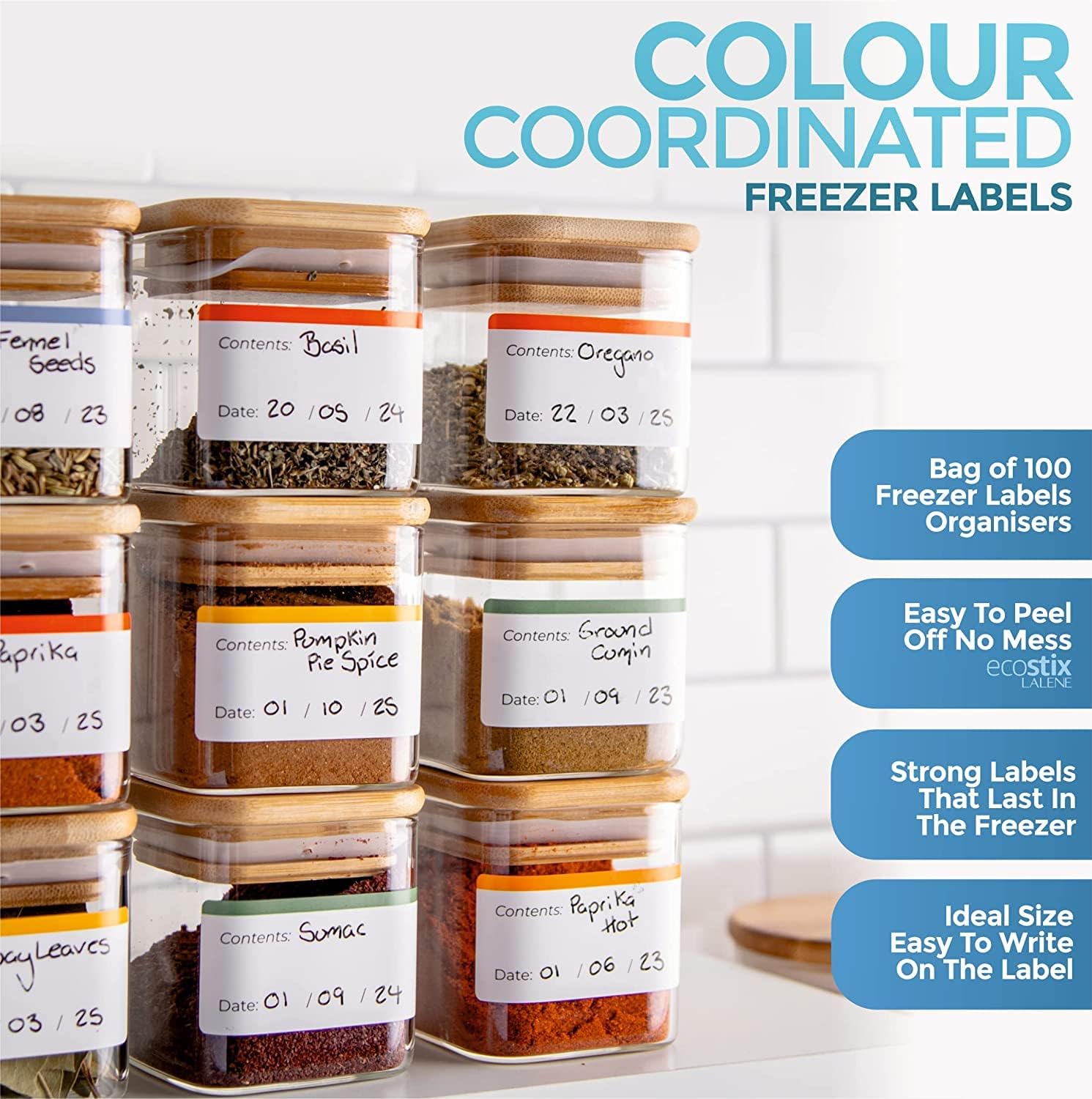
Color-Coded Freezer Labels
I love using these to mark my soda ice pop molds so I can find the different flavors at a glance.
Check Price on AmazonAs an Amazon Associate, I earn from qualifying purchases.

Reusable Silicone Bags
These may be used to store flat portions of leftover juice or soda in the freezer without any risk of leaks.
Check Price on AmazonAs an Amazon Associate, I earn from qualifying purchases.

Precision Vacuum Sealer
While not for carbonated drinks, this is perfect for keeping your bulk snacks and dry goods fresh for many months.
Check Price on AmazonAs an Amazon Associate, I earn from qualifying purchases.
Sources & Transparency
This guide was developed based on food science principles and verified against safety guidelines from the FDA and beverage industry standards. My goal is to provide practical home advice backed by solid physical principles. You can read more about my mission in our food storage blog.
Last updated:
Update Log
- : Added detailed sections on the “squeeze myth,” carbonation science, and the soda freshness infographic.