Banana bread can stay fresh for 2 to 4 days on the counter or may last up to a week in the fridge. For the absolute best results, you might use paper towels in an airtight container to absorb moisture and prevent the loaf from becoming soggy or moldy.

The Fragrance of Home
Is there anything more comforting than the smell of cinnamon and overripe bananas wafting through the house on a rainy afternoon? It is one of those scents that instantly makes a kitchen feel like the heart of the home. But as much as we love that first warm slice, the real challenge begins the next morning. We want that loaf to stay just as tender as it was when it first came out of the oven, yet so often we find it has either turned into a dry brick or a sticky, gummy mess.
I have spent many years perfecting my baking, and I can tell you that moisture is both your best friend and your worst enemy. It is a bit like the balance we need when how to store asparagus comes up: too little moisture and it wilts, too much and it rots. Banana bread is particularly heavy because of the fruit, which means it can hold a lot of water. If you do not give that moisture a place to go, mold may decide to move in faster than you can say ‘breakfast is served.’
In our household, we hate to see good food go to waste. Much like the way we approach how long does steak last in fridge, we have to be disciplined about our timing. Whether you have just baked a loaf or picked one up at the farmers’ market, knowing the right container and the right spot in the pantry can make all the difference. We are going to explore how you might keep your bread perfectly moist without that dreaded sogginess. It is about using motherly wisdom to protect your hard work in the kitchen.
Banana Bread Scoop: Why It Turns Quick
The very thing that makes banana bread delicious: the bananas: is also what makes it a storage puzzle. Bananas are full of natural sugars and moisture, which may lead to rapid bacterial growth if the bread is kept in a warm, humid spot. When the bread is sealed in plastic while it is even slightly warm, steam gets trapped and creates a swampy environment that mold absolutely loves.
- Sugar Concentration: The high sugar content may attract moisture from the air, making the top of the loaf sticky.
- Starch Retrogradation: This is a fancy term for bread going stale. The starches crystallize, which might make the bread feel dry even if it still has moisture inside.
- Mold Susceptibility: Because it is a “quick bread” without the preservatives of store-bought loaves, it may develop mold within a few days at room temperature.
This is a very different situation than when we look at how to store fresh ginger, where we want to keep it firm. With banana bread, we want to maintain a soft crumb while keeping the exterior from becoming gummy. If you store your bread incorrectly, the flavor can fade or even pick up odors from the fridge, much like how how to keep soda fizzy requires a tight seal to maintain the original experience. For banana bread, the seal needs to be airtight, but the bread needs a little buffer to keep it from drowning in its own condensation.
Visual Glance: Banana Bread Staying Power
This chart can give you a quick idea of how long your loaf might remain at its peak quality. Temperature and wrapping are the biggest factors here.

Infographic: The Secret Paper Towel Trick
If you take a peek at this infographic, you may find that it clarifies exactly why we use a paper towel. It is the most effective way to manage the moisture that naturally releases from the bananas. You might notice that the first stage of storage involves letting the loaf cool completely on a wire rack. This simple step can prevent the bread from steaming itself into a gummy mess inside the container. This infographic can be a wonderful reference to keep in your baking binder or inside your pantry door.
The visual guide also explains how to layer the towels. By placing one towel below the loaf and one on top, you may create a moisture buffer that keeps the air inside the container humid but not wet. If you have ever wondered why some loaves stay soft for days while others get sticky, the information here may give you the answers you need. By following these visual cues, you can make sure that you are getting every bit of enjoyment out of your hard work without any of the moldy disappointment that usually comes with improper storage. It is all about working with the science of the bake, honey.
Baking Preservation Truths
Video Lowdown: Moisture Mastery
Banana bread is more than just a cake: it is a moist, dense loaf that needs specific care. This video covers the essentials of cooling and wrapping and why your old habits may be failing you.
Key bits to watch for:
- Condensation Control: Why warmth is the enemy of the airtight container.
- Slicing Strategy: Why you might only want to slice what you are about to eat.
- Reheating Magic: How a toaster can revive a slightly dry slice.
It can improve your kitchen efficiency, much like knowing the how to store hard boiled eggs helps you manage your Sunday prep session safely. We want to ensure every slice is as moist as the last.
Interactive Banana Bread Storage Chart
Filter by the storage method or search for terms like ‘sliced’ or ‘frozen’ to see how your bread might hold up.
| Storage Type | Container Style | Expected Life | Marleen’s Pro Tip |
|---|---|---|---|
| Countertop Loaf | Airtight Glass | 2-4 Days | Use the paper towel trick to stop sogginess. |
| Refrigerated Slices | Sealed Bag | Up to 7 Days | Fridge air is dry: wrap each slice individually! |
| Frozen Whole Loaf | Foil + Bag | 3 Months | Thaw on the counter for the best texture. |
| Frozen Slices | Ziploc Bag | 1-2 Months | Pop them directly into the toaster frozen! |
| Open on Plate | Ambient Air | 12-24 Hours | Will go stale fast; cover with a dome. |
Banana Bread Spoilers
Even though it is a hearty treat, banana bread still faces challenges in your kitchen. You can protect your bake by avoiding these four main spoilers:
- ⚠️ Trapped Steam: Wrapping bread while it is warm may cause a gummy surface and fast mold. Block: Cool for at least 2 hours.
- ⚠️ Fridge Air: The refrigerator may dry out the crumb faster than the counter. Block: Use heavy duty foil or glass.
- ⚠️ Humidity: Very damp kitchens can cause mold to grow overnight. Block: Use the fridge in summer months.
- ⚠️ Odors: Banana bread is very porous and can taste like your leftover dinner. Block: Keep it away from savory foods.
Health organizations like the FDA focus on spoilage, but for banana bread, the “bad” is usually a loss of quality. In the humid US summers, the fridge may be the safest choice for any bread that likes to stay moist. Always follow your gut, but check the surface for fuzz first.
Baking Myths Busted (With a Chuckle)
I have heard many tall tales about how to save the loaf. Let’s set the record straight with a motherly smile:
- 🚫 Myth: Plastic wrap is the best shield. Reality: It may trap too much moisture and cause sogginess. (Let it breathe a little with a towel!)
- 🚫 Myth: Slicing the whole loaf is helpful. Reality: More surface area means the bread may dry out faster. (Keep it whole until you need a slice, deary.)
- 🚫 Myth: The heels are just for decoration. Reality: They act as caps to protect the moist center! (Eat the heels last, honey.)
- 🚫 Myth: Moldy parts can be cut off. Reality: Because bread is porous, the invisible roots can be everywhere. (Toss the whole thing if you see fuzz!)
Just like when we discuss safety with how to store breast milk, being a bit of a detective can keep your family safe. Always trust your nose over a myth! It is the best way to keep the kitchen running smoothly.
My 72-Hour Moisture Test
I decided to do a little experiment in my own kitchen last week. I baked two identical loaves of my favorite walnut banana bread. Loaf A I just wrapped in a bit of plastic wrap and left it on the counter. Loaf B I put into an airtight container with a paper towel on the top and bottom. By the next day, Loaf A had a slightly sticky, wet top. Loaf B, however, was still perfectly soft! By day three, Loaf A was starting to smell a bit “yeasty” and the bottom was gummy. But Loaf B? It was still perfect for my morning coffee slices.
This little test proved to me that for anyone who wants that bakery-fresh taste days later, the paper towel trick is a total lifesaver. It is a bit like managing our grocery budget: we have to plan for the future. Proper storage can be a wonderful way to ensure that you never have to throw away a half-eaten loaf again. It is one of those motherly tricks that just makes life easier, just like knowing the right way to handle smoked salmon storage for a weekend brunch.
Your Banana Bread Quick Hits
Fast answers for your favorite sweet loaf.
| Scenario | Smart Snap Move | Score |
|---|---|---|
| Freshly Baked | Cool on a rack for 2 hours. | Gold Star Fresh |
| Already Sliced | Place towel between slices. | Perfect Snack |
| Getting Dry | Pop it in the toaster with butter! | Revived Delight |
| Too Soft to Cut | Chill it in the fridge for 1 hour. | Easy Slicing |
Room Temperature: The Countertop Rule
If you have just baked a loaf and you know your family will finish it within a day or two, the countertop can be a fine place for it. However, you should avoid spots that get direct sunlight or are near the heat of your oven. A cool, dark corner of the pantry might be better if your kitchen tends to get warm. Keep in mind that banana bread “breathes,” and if it is in a spot with no air circulation, it might start to rot from the inside out. I always tell my daughters that air is as important for bread as it is for us!
I always tell my family that organized storage is the key to a happy home. Much like when you are trying to keep how to store hard boiled eggs or other snacks, the shelf is only for things you plan to finish quickly. If that bread sits in a warm spot for a week, it can lose its internal moisture and become woody. Trust your pantry, but verify the humidity levels, deary. It is a simple habit that saves so much food waste.
Refrigerator Slices: Fridge Fixes for Fresh
Once you have sliced into that loaf, the clock starts ticking a bit faster. The refrigerator may be the best place for an opened piece if your kitchen is very warm, provided you keep it in an airtight environment to prevent it from drying out. I have found that placing the slices in a sealed glass container can work wonders. Some people like to use plastic bags, and those can be a very handy tool if you have already prepped your lunch snacks for the week. A simple glass container is often the best choice to prevent odors from entering.
Regardless of the method, you should always perform a quick check for any soft spots before you take a bite. Safety is a mother’s first priority, after all! If you notice the bread has developed a weird film or a vinegary smell, it is time to give it a pass. It only takes ten seconds to check, but it can prevent a very unpleasant surprise. Trust your eyes and your nose, deary. It is the best way to keep the family happy and healthy, just like when we check signs chicken breast is bad.
Freezer Plays: The Long Haul Loaf
Freezing is something you may do with great success if you plan to use the bread for later. You should never just toss a naked loaf into the freezer, though! The cold air will suck the moisture right out, leaving you with a leathery skin and dry crumb once it thaws. The secret is double wrapping. Wrap the whole loaf in a layer of heavy duty foil, then place it inside a freezer bag. This may provide a motherly shield against the harsh ice crystals.
However, you may also freeze individual slices with a bit of parchment paper between them. It is a bit like how we handle how to store fresh ginger in the freezer: the right prep makes all the difference. These frozen portions are perfect for a quick morning toast. Just make sure everything is labeled so you don’t confuse your banana bread with your pumpkin loaf! A little organization goes a long way in a busy household, and it means you always have a treat ready for guests.
Spot Spoiled Bread: Sense Scans
If you are worried that loaf in the back of the fridge has been there too long, use your “mom senses” to perform a quick scan. It is the best way to keep everyone safe and happy:
- The Sniff Scan: Fresh banana bread should smell sweet and fruity. If it smells musty, sour, or like old laundry, it has likely gone bad.
- The Touch Scan: Press the crumb gently. It should be soft and bounce back. If it feels hard, hollow, or has sticky patches that leave a residue, it is time to say goodbye.
- The Sight Scan: Look at the skin. Dark, sunken spots or fuzzy white/green patches are clear signs of mold and rot.
Sometimes you might see a bit of dark syrup on the bottom. This can sometimes be a natural result of the sugar settling and is not always a sign of spoilage. However, if it is accompanied by a change in color to grey, do not take the risk. Experts agree that while a soft bread isn’t always dangerous, it is never worth the risk of a tummy ache. Listen to what your bake is telling you, dear.
Leftovers to Lively: Bread Twists
If you have a bit of banana bread left over and it is starting to get a bit dry, there are so many lovely ways to use it up before it goes to waste. No food should ever go to waste in a busy home! Here are a few motherly ways to use up your bread stash:
- French Toast: Dip the dry slices in an egg wash and fry them up for a decadent Sunday breakfast.
- Bread Pudding: Cubes that are too hard for a snack are still perfect for adding flavor to a bubbling pot of custard.
- Muffin Magic: Crumble the bread and use it as a sweet topping for your next batch of muffins.
- Ice Cream Sundae: Toast a slice and serve it warm under a scoop of vanilla bean ice cream.
These little twists can help you get through your bake while the flavor is still good. It is all about being a savvy kitchen manager! My grandmother used to say that a good cook could make a feast out of what others throw away, and I have found that to be very true. Just keep those containers dry and organized, and you will be a baking storage pro in no time at all. It is those simple habits that make a kitchen run like a dream.
Handy Gear for Baking Handling
Keeping your bakes fresh and your kitchen organized is so much easier with the right tools. Here are a few items I use in my own kitchen to keep the morning running smooth.

Removable Baking Labels
You may use these to date your bread bins so you never have to guess when you baked the loaf.
Check Price on AmazonAs an Amazon Associate, I earn from qualifying purchases.
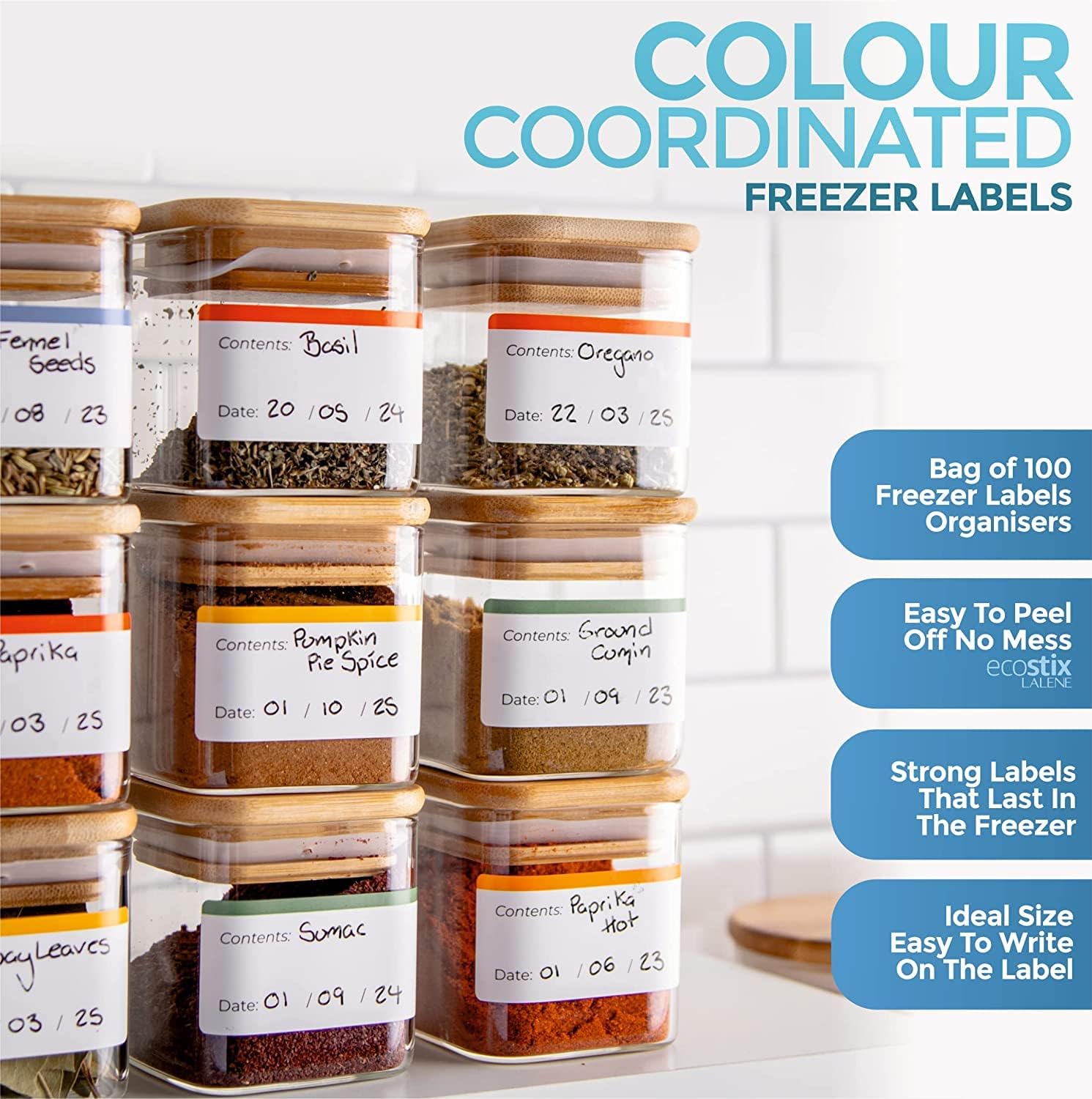
Color-Coded Freezer Tags
I love using these to mark different types of frozen baked goods so I can find them at a glance.
Check Price on AmazonAs an Amazon Associate, I earn from qualifying purchases.

Reusable Silicone Bags
These may be used to store individual slices in the freezer without any risk of plastic leaks or tears.
Check Price on AmazonAs an Amazon Associate, I earn from qualifying purchases.

Precision Vacuum Sealer
Removing all the air from your storage bags may significantly extend the life of your dry baking ingredients.
Check Price on AmazonAs an Amazon Associate, I earn from qualifying purchases.
Sources & Transparency
This guide was developed based on baking science principles and verified against safety guidelines from the FDA and standard culinary practices. My goal is to provide practical home advice backed by solid physical principles. You can find more advice in our food storage blog. We are committed to helping you make the most of every ingredient.
Last updated:
Update Log
- : Added detailed sections on moisture management, staling science, and the banana bread moisture infographic.