How to Store Iced Coffee Without Losing Flavor
Iced coffee can turn watery because of melting ice and oxidation. You may store black brewed coffee in the fridge for 2 to 3 days, or cold brew concentrate for up to 2 weeks. To avoid dilution, you can use coffee ice cubes to keep the flavor strong.

The Iced Coffee Watery Nightmare
Welcome to my sunny kitchen corner! There is nothing quite like a cold caffeine kick on a warm afternoon, but oh, the heartbreak when it turns into a puddle of disappointment. We have all been there. You brew a beautiful pot of coffee, pour it over a mountain of ice, and within ten minutes, you are drinking something that tastes more like brown water than a morning wake up call. It can really put a damper on your productive day, can’t it?
I have spent many mornings in my kitchen trying to figure out why my favorite drinks lose their punch so quickly. Just like when we discussed how to store coconut water, the secret to a great beverage usually comes down to how we handle the temperature and the air. I used to think I could just leave a half finished cup on the counter, but that is a recipe for a very sad sip later on. It is about understanding that coffee is delicate, even when it is served cold.
In our house, we treat coffee with respect. If you do not store it right, the flavor can fade faster than a sunset. Whether you are a fan of fancy cold brew or you just want to cool down your regular drip coffee, there are a few motherly tricks you may use to keep that boldness alive. We are going to look at why that dilution happens and how you can manage your fridge space to ensure every glass is as strong as the first one you poured. It may take a little planning, but the results can be so rewarding.
The Science of the Diluted Sip
You may wonder why coffee solids seem to give up so easily when ice enters the picture. It is a bit of a chemistry lesson, honey. When hot coffee hits cold ice, the thermal energy causes the ice to melt almost instantly. This adds water to your ratio, which can drastically lower the intensity of those delicious roasted notes. Even if you use cold coffee, the slow melt of ice during a long commute can still turn your drink into a shadow of its former self.
- Thermal Shock: Pouring hot liquid on ice may cause rapid melting, which can immediately dilute your drink.
- Oxidation: When coffee is exposed to the air, its chemical compounds may start to break down, which can lead to a stale or flat taste.
- Evaporation: Even in the fridge, certain aromatic compounds can vanish if the container is not sealed properly.
Much like the way we have to be careful when checking if kombucha goes bad, coffee is a sensitive soul. It can absorb the smells of everything around it. If you store your brew next to something pungent, it may end up tasting like your dinner instead of your dessert. This is why a proper seal is your best friend in the kitchen. It is not just about the water; it is about protecting the soul of the bean from the chaos of the refrigerator environment.
Another factor is the surface area of your ice. Smaller cubes can melt much faster than large spheres or blocks. If you find your drinks turning watery in record time, it may be due to the type of ice your freezer is producing. We can fix that with a few simple changes to your freezer routine, ensuring your caffeine stays as punchy as a mother’s advice on a Monday morning.
Visual Glance: Coffee Keeping Times
This chart may help you decide how long you can keep your coffee before it loses its spark. Chill is the key to longevity here.
Caffeine Truths and Cold Brew Lowdown
Video Lowdown: Keeping the Kick
Watching the way coffee interacts with temperature can be eye opening. Cold brew is a favorite for storage because it may stay stable much longer than hot brewed coffee.
Key bits to remember:
- Concentration: Storing a concentrate can save space and flavor.
- Acidity: Lower heat during brewing may mean a smoother taste that can resist turning sour in the fridge.
- Odors: Coffee can be a sponge for fridge scents.
It is somewhat like storing soy milk: once the container is open, the clock starts ticking on those fresh flavors. You want the benefits to stay inside the bottle, not evaporate or degrade over time!
Interactive Coffee Storage Chart
You may filter these options to see how different coffee styles hold up in your kitchen. Use the search to find specific spots.
| Brew Style | Container | Lifespan | Risk or Tip |
|---|---|---|---|
| Cold Brew | Sealed Glass | Up to 14 Days | Concentrate holds flavor best. |
| Drip Coffee | Airtight Jar | 2-3 Days | May develop a sour note after day 3. |
| Coffee Cubes | Silicone Tray | 2 Months | Blocks dilution in iced drinks. |
| Brewed Pot | Carafe | 4-8 Hours | Flavor can degrade rapidly at room temp. |
| With Dairy | Closed Bottle | Max 24 Hours | Dairy can separate or spoil. |
Iced Coffee Spoilers
There are four main enemies waiting to ruin your morning caffeine. You can fight back with these motherly defenses:
- ⚠️ Air: This can oxidize the delicate oils. Block: Use glass jars with a very tight seal.
- ⚠️ Fridge Odors: Coffee can absorb the scent of garlic or onions. Block: Keep it away from the leftovers.
- ⚠️ Heat: This may speed up the staling process. Block: Cool your brew completely before refrigerating.
- ⚠️ Light: UV rays can break down the coffee compounds. Block: Use amber glass or keep it in the back of the fridge.
The FDA and other safety experts suggest that prepared foods can be tricky if they are not kept at the right temperature, so stay vigilant with your sips. You can find more details at The National Coffee Association regarding brewing standards.
Coffee Myths Busted (With a Chuckle)
I have heard many tall tales about coffee. Let’s set the record straight with a smile:
- 🚫 Myth: Coffee lasts forever fridged. Reality: It may be safe, but it can taste like old socks after 4 days. (Bless your heart!)
- 🚫 Myth: Ice is the only way to cool it. Reality: You may use a metal shaker or simply plan ahead. (Patience is a virtue, honey!)
- 🚫 Myth: The freezer is for beans only. Reality: Brewed coffee ice cubes can be a game changer. (Cooler than a cucumber!)
- 🚫 Myth: Hot coffee in the fridge is fine. Reality: It may warm up your smoked salmon and other perishables. (Think of the salmon, dear!)
Trust your nose over the rumors. The Specialty Coffee Association suggests that fresh is usually best, but storage can be mastered with care.
My 24-Hour Kitchen Test
I decided to put my motherly advice to the test last week. I brewed two carafes of drip coffee. I left Carafe A in an open pitcher and put Carafe B in a sealed mason jar. By the next morning, Carafe A had a very flat, dusty flavor. It was definitely heading toward the watery side once I added ice. But Carafe B? It was still vibrant and punchy. It just goes to show that a little bit of effort with a lid can make a world of difference.
I also tried freezing some leftover brew in a silicone tray. When I added those coffee cubes to my fresh iced coffee that afternoon, it stayed strong until the very last drop. No watery heartbreaks in this house! It may seem like a small detail, but these are the moments that make a home kitchen run like a dream.
Your Quick Hits Cheat Sheet
When you are in a rush, just follow these simple rules for a better brew.
| If your coffee is… | Smart Snap Move | Freshness Score |
|---|---|---|
| Freshly Brewed | Let it reach room temp before chilling. | Gold Star Strength |
| Already Iced | Drink it fast or pull the ice out. | Short-Term Sip |
| Leftover in Pot | Freeze into cubes for later. | Zero Waste Win |
| Smelling Fruity | It may be fermenting. Throw it out. | Better Safe Than Sorry |
Fridge Strategies for Maximum Strength
The refrigerator can be a bit of a tricky place for coffee. Because cold temperatures slow down the release of flavors, your brew can seem a bit muted when it is very chilly. However, this is also what prevents it from going stale too quickly. You may want to keep your black coffee in a glass container rather than plastic. Plastic can hold onto old smells, and we don’t want our coffee tasting like last night’s pasta!
Remember that coffee with cream or sugar may have a much shorter shelf life. If you have mixed in dairy, it is best to treat it like storing chocolate milk and drink it within a day. The milk can start to separate or develop an off flavor that will ruin the whole cup. Keeping your black brew separate from your mixers can give you much more flexibility.
Always keep your coffee on the main shelves of the fridge. The door is far too warm because it gets hit with room temperature air every time you open it to find the butter. Keeping the temperature stable can help your brew stay bold for those full three days. You may find that glass mason jars are perfect for this, as they can fit neatly in the back where it is coldest.
Freezer Plays: The Ice Cube Secret
This is my favorite trick of all. Whenever I have a little bit of coffee left in the pot, I never pour it down the drain. That is perfectly good caffeine, honey! I pour it into a clean ice cube tray. Once they are frozen, you may pop them into a freezer bag for storage. These cubes can last for a couple of months and are the perfect addition to any iced drink.
When you use coffee ice cubes, they don’t dilute your drink as they melt. Instead, they actually add more coffee flavor! It is a double win. You may even add a little cocktail syrup to the cubes before freezing for a pre sweetened treat that melts into your cup. It is like a little present for your future self.
Spotting Spoilage: When to Say Goodbye
It can be hard to tell when black coffee has gone bad because it does not usually mold right away. However, your senses can still tell you a lot. If you see a weird oily film on top that was not there before, or if the coffee looks unusually cloudy, it may be time to toss it. The smell is the biggest giveaway. Fresh coffee should smell like roasted beans or chocolate. If it starts smelling like fermented fruit or old wet cardboard, your brew has seen better days.
Even though coffee is not usually a high risk food for bacteria, the flavor can become quite unpleasant. Just like we stay cautious about coconut water spoilage, we want to make sure we are only putting the best stuff in our bodies. When in doubt, trust your gut and brew a fresh batch. It is never worth a tummy ache, dear. You can check the FDA storage charts for more general beverage advice.
Leftover Magic: Coffee Twists
If you have coffee that is a day or two old and you don’t feel like drinking it iced, don’t worry. There are so many motherly ways to use it up so nothing goes to waste. You can even use it in your baking! A splash of coffee in a chocolate cake batter can make the chocolate flavor pop in the most wonderful way. It is a kitchen secret that has been around for generations.
- Coffee Syrup: Simmer old coffee with sugar to create a homemade syrup for ice cream.
- Steak Marinade: The acidity in coffee can help tenderize meat and add a smoky depth.
- Smoothie Boost: Pour cold coffee into your morning smoothie for a caffeine kick.
- Iced Lattes: Blend your cold coffee with some milk for a frothy, cafe style treat at home.
It is all about being creative in the kitchen. Even a brew that is losing its “iced coffee” potential can still be a star in another recipe. Just keep those containers clean and sealed until you are ready to use them! My kitchen motto is simple: waste not, want not. And that definitely applies to our precious coffee.
Handy Gear for Better Brews
Keeping your coffee strong is so much easier with the right tools. Here are a few things I use in my own kitchen to keep the morning running smooth.

Removable Glass Labels
You may use these to date your jars so you never have to guess how old your brew is.
Check Price on AmazonAs an Amazon Associate, I earn from qualifying purchases.
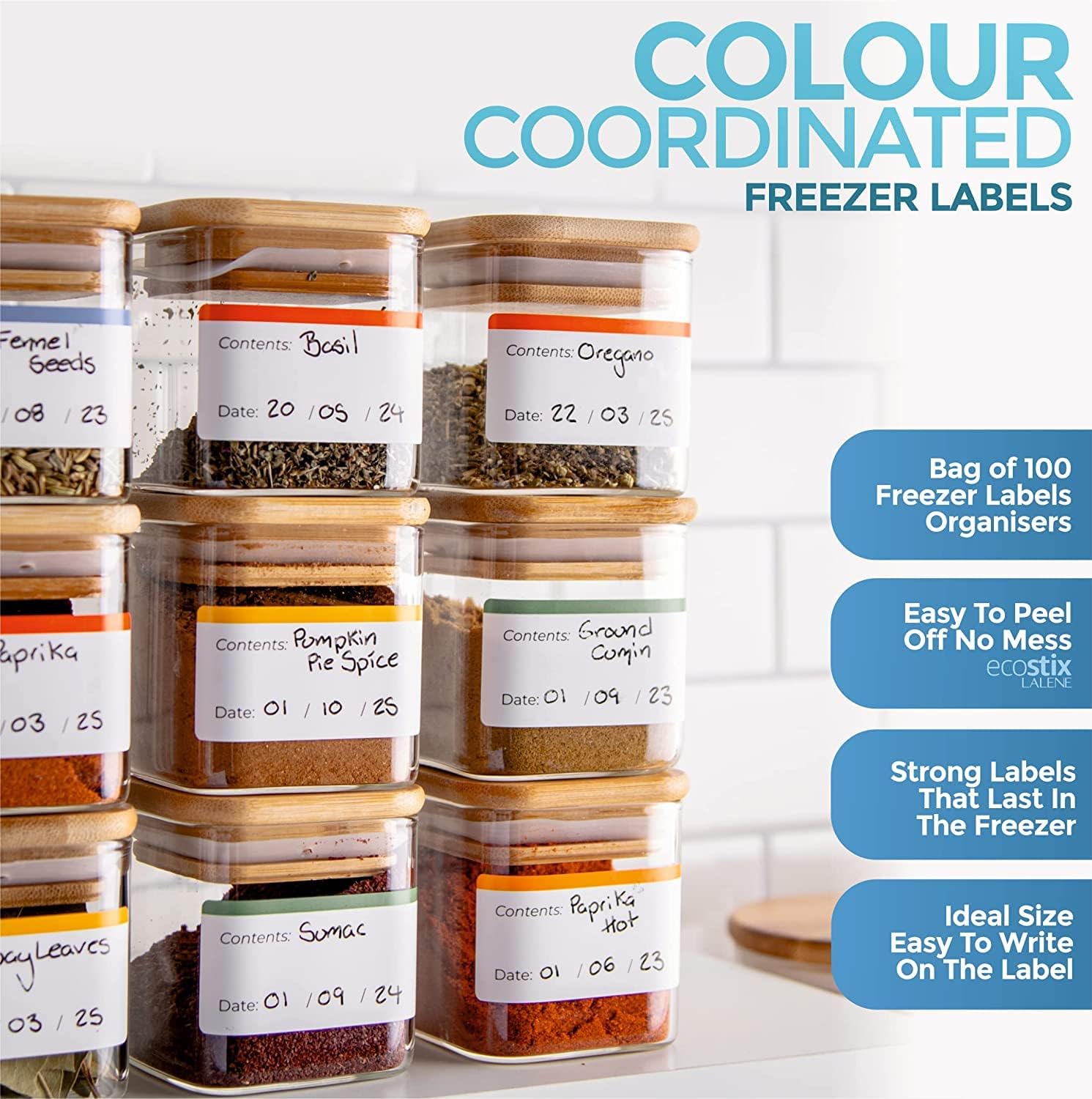
Color-Coded Freezer Labels
Great for labeling your coffee ice cubes so they don’t get mixed up with the regular ice.
Check Price on AmazonAs an Amazon Associate, I earn from qualifying purchases.

Silicone Storage Bags
These may be used to store your coffee cubes flat in the freezer to save space.
Check Price on AmazonAs an Amazon Associate, I earn from qualifying purchases.

Precision Vacuum Sealer
While not for liquids, this is perfect for keeping your coffee beans fresh for months.
Check Price on AmazonAs an Amazon Associate, I earn from qualifying purchases.
Sources & Transparency
This guide was researched using information from the National Coffee Association and the Specialty Coffee Association. I also checked food safety guidelines from the FDA to ensure your morning routine is safe. You can find more advice in our food storage blog.
It all starts with fresh coffee beans — stale beans make iced coffee taste flat no matter how cold it is. If you use plant-based milk in your coffee, soy milk has specific opening rules that affect your drink’s freshness. Like kombucha, cold drinks in general have a short window once they’re mixed or opened.
Last updated:
Update Log
- : Added detailed information about coffee ice cubes and fridge oxidation risks.