How to Store Eggs Safely and Correctly
The best way to store eggs is in their original carton on a middle shelf in your refrigerator—not the door. This keeps them at a consistent, cold temperature. Stored this way, they can last for 3-5 weeks. Hard-boiled eggs should be refrigerated and eaten within one week.
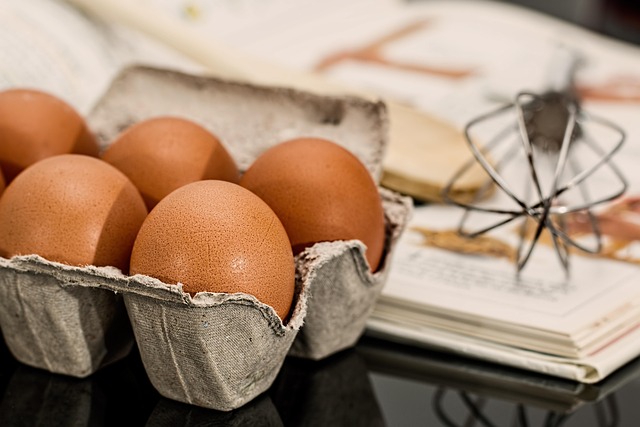
Eggs are a powerhouse of nutrition and a cornerstone of countless meals. But are you storing them correctly? That convenient little egg caddy in your refrigerator door might seem like the perfect spot, but it’s actually the worst place for them.
Learning **how to store fresh eggs** the right way is one of the simplest changes you can make to extend their shelf life by weeks, ensure they’re safe to eat, and protect their quality for better baking and cooking. This write-up will cover everything you need to know, from the ideal spot in your fridge to the surprising truth about freezing eggs. Let’s get cracking!
The Science of an Eggshell: Why Storage Matters
An eggshell might seem solid, but it’s actually covered in thousands of tiny pores. To protect the inside from bacteria, a hen deposits a natural protective layer called the “bloom” or “cuticle” just before laying the egg. This coating seals the pores and is the egg’s first line of defense.
The Great Wash: Fridge vs. Counter Debate
In the United States and some other countries, commercial eggs are required by law to be washed and sanitized. This process removes the protective bloom. Without the bloom, the egg is vulnerable to bacteria entering through its pores. To combat this, refrigeration is essential. The cold temperature slows down bacterial growth and keeps the eggs safe. This is why the FDA and CDC mandate that eggs in the U.S. be kept refrigerated. In many other parts of the world where eggs are not washed, they are safely stored at room temperature.
Visual Comparison: Egg Freshness Timeline
Where you store your eggs has a huge impact on how long they last. This chart shows the difference proper storage makes.
The Best Way to Store Eggs in the Refrigerator
For store-bought eggs, the refrigerator is a must. But where you put them inside the fridge is just as important.
Rule #1: Ditch the Door Caddy
The door is the warmest part of your fridge and experiences the most temperature fluctuation. Every time you open it, your eggs are hit with a blast of warm air, which can encourage bacterial growth and degrade their quality. The **best way to store eggs in the refrigerator** is to ignore the built-in door compartment completely.
Rule #2: Keep Them in the Carton on a Middle Shelf
The ideal spot for eggs is on a middle shelf in the main body of the fridge, where the temperature is coldest and most consistent. Keeping them in their original carton does two things:
- It protects the fragile shells from cracking.
- It prevents the porous shells from absorbing strong odors from other foods in your fridge, like onions or leftovers from your latest seafood dinner.
Rule #3: Store Them Pointy-End Down
This pro-tip helps keep your eggs fresh even longer. Inside the large, rounded end of an egg is a small air sac. Storing the egg with this end up keeps the yolk centered and away from the air sac, reducing the chance of bacteria entering and spoiling the yolk.
My Kitchen Toolkit: Gear for Egg-cellent Storage
Having the right tools makes a huge difference when you’re freezing eggs or trying to keep track of hard-boiled ones. These are a few of my favorite, budget-friendly products that make egg storage simple and organized.

Removable Freezer Labels
A must-have if you freeze eggs! Label your containers with the date and number of eggs. These stick perfectly in the freezer but peel off without leaving a mess.
Check Price on Amazon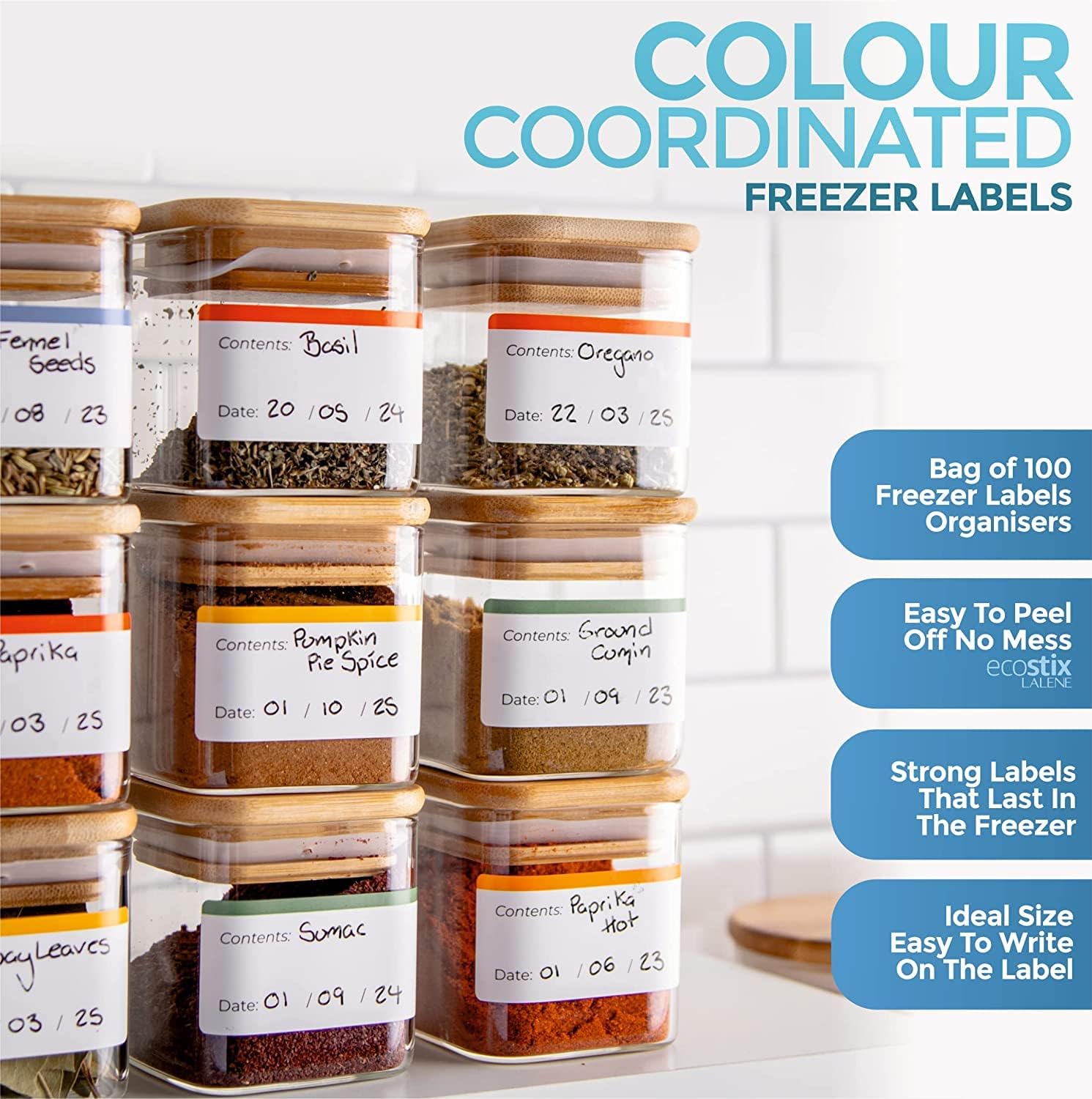
Color-Coding Labels
I use these to quickly tell my frozen eggs apart. One color for whole eggs, another for whites, and a third for yolks. It’s a simple system that saves time.
Check Price on Amazon
Reusable Food Storage Bags
These are fantastic for freezing scrambled egg mixtures. They’re leakproof, eco-friendly, and you can lay them flat to save a ton of freezer space.
Check Price on Amazon
Precision Pro Vacuum Sealer
For the serious meal prepper, a vacuum sealer is amazing for freezing eggs. It removes all the air, completely preventing freezer burn and keeping them fresh for a year.
Check Price on AmazonThe Float Test: A Quick Check for Freshness
Project: How to Tell if an Egg is Bad
Wondering if those eggs in the back of the fridge are still good? There’s a simple, classic trick called the float test. As an egg ages, the liquid inside evaporates through the porous shell, and the air sac gets bigger. This change in density is what makes the test work.
The video below shows you exactly how to do it. It’s a fun little science experiment and a practical way to avoid cracking a bad egg into your breakfast. For more kitchen tips and tricks, you can always check out our main blog.
How to Store Hard-Boiled Eggs and Freeze Raw Eggs
Storage rules change once an egg is cooked or taken out of its shell. Here’s what you need to know.
How to Store Hard-Boiled Eggs
Cooking removes the eggshell’s protective layer, making hard-boiled eggs more perishable than raw ones. They must be refrigerated within two hours of cooking. Stored in the fridge, they will last for **up to one week**. It doesn’t matter if they are peeled or unpeeled, but storing them unpeeled will help them retain more moisture.
Can You Freeze Eggs?
Yes! Freezing is a fantastic way to preserve eggs you won’t use in time. The one rule is that you **cannot freeze eggs in their shells**, as they will expand and crack.
- Whole Eggs: Crack eggs into a bowl and whisk gently until the yolks and whites are just combined. Pour into a freezer-safe container or an ice cube tray for pre-portioned amounts.
- Egg Whites: Whites freeze beautifully on their own. Pour them into an ice cube tray. Two frozen cubes are typically equal to one large egg white.
- Egg Yolks: Yolks can become gelatinous when frozen. To prevent this, mix them with a pinch of salt or sugar (depending on if you’ll use them for savory or sweet dishes).
Your Egg Storage Questions, Answered
How long do eggs last in the fridge?
When stored properly in the main part of the fridge, fresh eggs in their carton can last for 3 to 5 weeks, often well beyond the ‘sell-by’ date printed on the carton.
Should eggs be refrigerated?
In the United States and some other countries, yes, eggs must be refrigerated. This is because commercial eggs are washed, which removes a natural protective layer. Unwashed farm-fresh eggs can be stored on the counter for a couple of weeks.
Is it better to store eggs in the carton or in the fridge door?
It is much better to store eggs in their original carton on a middle shelf in the main body of the fridge. The door is the warmest part and has fluctuating temperatures, which can cause the eggs to spoil faster.
How do you store hard-boiled eggs?
Hard-boiled eggs, peeled or unpeeled, must be refrigerated within two hours of cooking. They will last for up to one week in the fridge.
Can you freeze eggs?
Yes, you can freeze eggs, but not in their shells. Whisk whole eggs and freeze them in an airtight container or ice cube tray. You can also freeze whites and yolks separately. They are best used within a year.
Your Egg Storage Cheat Sheet
The four most important rules for keeping your eggs fresh.
Ditch the Door
Action: Store eggs on a middle shelf in the main part of the fridge.
Result: Keeps them at a stable, cold temperature.
Keep the Carton
Action: Store eggs in their original carton.
Result: Protects them from damage and absorbing odors.
Pointy-Side Down
Action: Arrange eggs in the carton with the pointy end facing down.
Result: Keeps the yolk centered and fresher for longer.
Hard-Boiled Rule
Action: Refrigerate hard-boiled eggs immediately.
Result: They’ll stay safe and fresh for one week.
Our Process & Sources
This information was compiled using food safety recommendations from government health organizations like the CDC and principles from university extension programs, such as Penn State Extension and the NCHFP, to provide the most reliable advice.
Raw eggs last 3 to 5 weeks in the fridge and should always be kept in their original carton away from strong-smelling foods. Hard-boiled eggs have a much shorter shelf life of 7 days in the shell or 5 days peeled because cooking removes the egg’s natural protective coating. Other protein foods like raw chicken breast last only 1 to 2 days in the fridge, making raw eggs one of the longer-keeping proteins in a typical fridge. Egg-based products like mayonnaise last 2 to 3 months in the fridge once opened but must always be refrigerated because the eggs in it spoil rapidly at room temperature.
Last updated: