Fresh zucchini can stay firm for 1 to 2 weeks in the crisper drawer if you keep it dry. You may freeze zucchini after blanching for up to 10 months, which is perfect for soups and baking!

The Garden Glut Dilemma
I remember one summer when my neighbor, Mrs. Gable, left a giant basket of zucchini on my porch. It seemed like a gift at first, but then I realized I had to figure out how to keep them all from turning into a pile of green goo! Zucchini is such a wonderful, versatile vegetable, but it has a bit of a temper. If it gets too cold, it might get pitted. If it gets too wet, it definitely can get slimy. It is a little balancing act that every home cook needs to master.
I have spent many afternoons in my kitchen trying to save my produce from the bin. Much like when we discussed how long does steak last in fridge, zucchini needs the right kind of attention to stay safe for your family. It is not quite the same as learning how to store fresh ginger, which can be much more forgiving, but the goal of preventing waste is always the same. I want your kitchen to be a place of abundance, not a place where good food goes to die.
In our household, we love a good zucchini bread or a fresh pan of zoodles. But I have seen so many people buy a beautiful bunch of squash only to find them mushy two days later. Whether you are dealing with a garden harvest or a supermarket sale, knowing the rules of the squash can save you a lot of money. Much like the delicate nature of how to store breast milk, zucchini needs a clean and controlled environment to stay at its best. We are going to explore how you might keep your squash firm and snappy for weeks.
Zucchini Scoop: Why It Turns Quick
Zucchini is mostly made of water, which is why it is so low in calories and so refreshing. However, that high water content is also its downfall. The cell walls of the squash are very thin, and they can break down quickly if they are exposed to the wrong conditions.
- Moisture Traps: If the skin stays wet, it might invite bacteria that cause slime.
- Ethylene Gas: Zucchini can be sensitive to other fruits that release gas, causing it to ripen and rot faster.
- Chilling Injury: If the fridge is too cold, the skin may develop dark pits.
This is a very different situation than when we look at how to store hard boiled eggs, where the protein structure is much more stable. Zucchini is more like how to store asparagus in that it needs a gentle touch to prevent wilting. If you store your vegetables incorrectly, the crispness can vanish overnight, much like how how to keep soda fizzy involves keeping the air out. For zucchini, the air needs to move, but the moisture needs to stay inside the cells, not on the surface.
Experts from various university extensions suggest that zucchini thrives at a temperature just slightly warmer than the coldest part of your fridge. This is why the crisper drawer is such a vital tool for any mother who wants to keep her kitchen running smoothly. When we understand the biology of the vegetable, we can work with it to stretch its life.

Infographic Secrets for Firm Squash
If you take a peek at this infographic, you may find that it clarifies the relationship between air circulation and moisture control. It highlights the main reason why plastic bags can be such a danger to your squash. You might notice that the first stage of storage involves ensuring the zucchini is dry to the touch. This simple step can prevent the gradual breakdown of the skin that often happens in a crowded refrigerator drawer. This infographic can be a wonderful reminder for the whole family to treat the vegetables with care.
The visual guide also explains why keeping your zucchini away from apples and bananas is a smart move. Those gassy neighbors can turn a firm squash into a mushy mess in just a few days. If you have ever wondered why your produce drawer seems to have a mind of its own, the information here may give you the answers you need. By following these visual cues, you can make sure that you are getting every bit of value out of your grocery budget without any of the slimy disappointment that usually comes with improper storage. It is all about being a savvy kitchen detective, honey.
Visual Glance: Zucchini Staying Power
This chart demonstrates how different environments might sway the lifespan of your squash. Keeping it in the right spot can double its life.
Healthy Veggie Truths
Video Lowdown: Firm Squash Secrets
Zucchini is more than just a side dish; it is a nutritional powerhouse that needs careful handling. This video covers the essentials of moisture management and why your storage habits may be failing you.
Key bits to watch for:
- The Paper Towel Trick: How a simple wrap can double the life of your squash.
- Crisper settings: Why the humidity dial can be your best friend.
- Freezer prep: Why skipping the blanching step can lead to a watery mess.
It can improve your vegetable handling, much like knowing the signs of spoilage helps you manage your weekly meal plan safely. We want to ensure every bite is as healthy as it is delicious.
Interactive Zucchini Storage Chart
Filter by the container type or search for specific spots like ‘sliced’ or ‘frozen’ to see how long your squash might last.
| Squash Type | Storage Spot | Expected Life | Marleen’s Pro Tip |
|---|---|---|---|
| Whole Raw | Crisper Drawer | 1-2 Weeks | Don’t wash until you are ready to cook. |
| Sliced Zucchini | Airtight Glass | 2-3 Days | Pat dry after cutting to reduce juice leakage. |
| Blanched Rounds | Freezer Bag | 10 Months | Freeze in a single layer before bagging. |
| Cooked Slices | Fridge Sealed | 3-4 Days | Reheat in a pan for better texture than microwave. |
| Whole on Counter | Pantry Cool | 3-5 Days | Keep it in a dark, airy basket. |
Zucchini Spoilers
Even though zucchini is a sturdy vegetable, it still faces challenges in your kitchen. You can protect your firm squash by avoiding these four main spoilers:
- ⚠️ Trapped Humidity: Sealed plastic bags without holes can cause a slime fest. Block: Use paper towels to absorb sweat.
- ⚠️ Extreme Cold: Freezing air in the back of the fridge can damage the skin. Block: Keep it in the middle or drawer.
- ⚠️ Neighboring Fruit: Apples and tomatoes can make it rot very fast. Block: Keep squash in its own section.
- ⚠️ Bruising: Damaged skin allows bacteria to enter the flesh. Block: Handle with care at the market.
USDA safety experts remind us that produce is a top source of foodborne illness if it is not kept correctly. In the humid US summers, the fridge is almost always the safest choice for any vegetable that likes to stay hydrated. Always follow your gut, but check the temperature too.
Squash Myths Busted (With a Chuckle)
I have heard many tall tales about how to save the squash. Let’s set the record straight with a motherly smile:
- 🚫 Myth: Washing first is helpful. Reality: It might actually start the rotting process prematurely! (Leave the dirt until dinner, deary.)
- 🚫 Myth: Big zucchinis last longer. Reality: The giant ones often have more water and can go mushy even faster. (Small and firm is the winning pick!)
- 🚫 Myth: The skin is a perfect seal. Reality: It is very porous and can absorb odors from your fridge. (Keep it away from the onions!)
- 🚫 Myth: Slime is just natural juice. Reality: Slime is a sign of bacterial growth and is never a good thing. (When in doubt, throw it out!)
Just like when we discuss safety with groceries, being a bit of a detective can keep your kitchen running smoothly. Always trust the science over the gossip! It is the best way to keep the family happy.
My Seven Day Zucchini Test
I decided to do a little experiment in my own kitchen last week. I bought two identical bundles of fresh squash. Zucchini A I just left in the plastic grocery bag. Zucchini B I dried off, wrapped in a paper towel, and put in a perforated vegetable bag. By day four, Zucchini A was already starting to feel tacky and had a slight yellowish tint. Zucchini B, however, was still firm enough to bounce! By day seven, Zucchini A was definitely a mushy goner, but Zucchini B was still perfect for my morning zoodles.
This little test proved to me that for someone who doesn’t finish a whole bag of squash in one sitting, the paper towel trick is a total lifesaver. It is a bit like managing our grocery budget: we have to plan for the future. Proper storage can be a wonderful way to ensure that you never have to throw away a half empty bag of slimy squash again. It is one of those motherly tricks that just makes life easier, honey.
Your Zucchini Quick Hits
Fast answers for your favorite summer squash.
| Scenario | Smart Snap Move | Safety Score |
|---|---|---|
| Fresh from Market | Dry and wrap in paper towel. | Gold Star Fresh |
| Half Used Squash | Seal cut end with wax wrap. | Safe for 48 Hours |
| Too Many to Eat | Grate and freeze for baking! | Zero Waste Win |
| Sticky Surface | Stop! It is starting to spoil. | Zero Risk Zone |
Unopened Harvest: Shelf Steadies
If you have just brought home a fresh harvest and you know you will not use them for a while, a cool pantry can be fine for a day or two. However, you should avoid spots that get direct sunlight or are near the heat of your oven. A cool, dark corner of the kitchen might be better if your house tends to get warm. Keep in mind that zucchini “breathes,” and if it is in a spot with no air, it might start to rot from the inside out. I always tell my daughters that air is as important for squash as it is for us!
I always tell my family that organized storage is the key to a happy home. Much like when you are trying to keep how to store hard boiled eggs or other snacks, the shelf is only for things you plan to finish quickly. If that squash sits in a warm pantry for a week, it can lose its internal moisture and become woody. Trust your pantry, but verify the temperature, deary.
Opened and Sliced: Fridge Fixes for Fresh
Once you have sliced into that squash, the clock starts ticking a bit faster. The refrigerator is the best place for an opened piece, provided you keep it in an airtight environment to prevent it from drying out. I have found that placing the cut end against a piece of parchment paper can work wonders. Some people like to use plastic containers, and those can be a very handy tool if you have already prepped your zoodles for the week. A simple glass container is often the best choice to prevent odors from entering.
Regardless of the method, you should always perform a quick check for any soft spots before you add them to your pan. Safety is a mother’s first priority, after all! If you notice the zucchini has developed a weird film or a vinegary smell, it is time to give it a pass. It only takes ten seconds to check, but it can prevent a very unpleasant surprise. Trust your eyes and your nose, deary. It is the best way to keep the family happy.
Freezer Plays: The Zoodle Buddy
Freezing is something you may do with great success if you plan to use the zucchini for cooking or baking later. You should never just toss a whole raw zucchini into the freezer, though! The water in the cells will expand and burst, leaving you with a leathery skin and watery mush once it thaws. The secret is to grate or slice it first, and then give it a quick blanching in boiling water for a minute or two to stop the enzymes.
However, you may use grated zucchini directly for bread if you squeeze the water out later. It is a bit like how we handle how to store fresh ginger in the freezer: the right prep makes all the difference. These frozen squash portions are perfect for a winter soup or a batch of muffins. Just make sure everything is labeled so you don’t confuse your zucchini shreds with your green beans! A little organization goes a long way in a busy household.
Spot Spoiled Zucchini: Sense Scans
If you are worried that squash in the back of the fridge has been there too long, use your “mom senses” to perform a quick scan. It is the best way to keep everyone at the table safe and happy:
- The Sniff Scan: Fresh zucchini should smell like nothing or a mild garden scent. If it smells musty, sour, or like old laundry, it has likely gone bad.
- The Touch Scan: Squeeze it gently. It should be as firm as a cucumber. If it feels soft, hollow, or has sticky patches on the skin, it is time to say goodbye.
- The Sight Scan: Look at the skin. Dark, sunken pits or fuzzy white spots are clear signs of mold and rot.
Sometimes you might see a bit of crystallization on the cut end. This can sometimes be a natural result of sugar and water drying out and is not always a sign of spoilage. However, if it is accompanied by a change in color to grey or brown, do not take the risk. Experts agree that while a soft squash isn’t always dangerous, it is never worth the loss of quality. Listen to what your produce is telling you, dear.
Leftovers to Lively: Zucchini Twists
If you have a bit of zucchini left over and it is starting to get a bit soft, there are so many lovely ways to use it up before it goes to waste. No food should ever go to waste in a busy home! Here are a few motherly ways to use up your squash stash:
- Baking Secret: Grate the older squash and fold it into your chocolate cake batter for extra moisture.
- Vegetable Stock: Slices that are too soft for a salad are still perfect for adding flavor to a bubbling pot of broth.
- Fritter Fun: Mix grated squash with an egg and some flour for a quick savory pancake.
- Smoothie Boost: Toss a few slices of frozen zucchini into your morning blend for added thickness and nutrients.
These little twists can help you get through your produce while the flavor is still good. It is all about being a savvy kitchen manager! My grandmother used to say that a good cook could make a feast out of what others throw away, and I have found that to be very true. Just keep those drawers dry and organized, and you will be a vegetable storage pro in no time at all. It is those simple habits that make a kitchen run like a dream.
Handy Gear for Produce Handling
Keeping your vegetables fresh and your kitchen organized is so much easier with the right tools. Here are a few items I use in my own kitchen.

Removable Produce Labels
You may use these to date your veggie bins so you never have to guess when you bought the squash.
Check Price on AmazonAs an Amazon Associate, I earn from qualifying purchases.
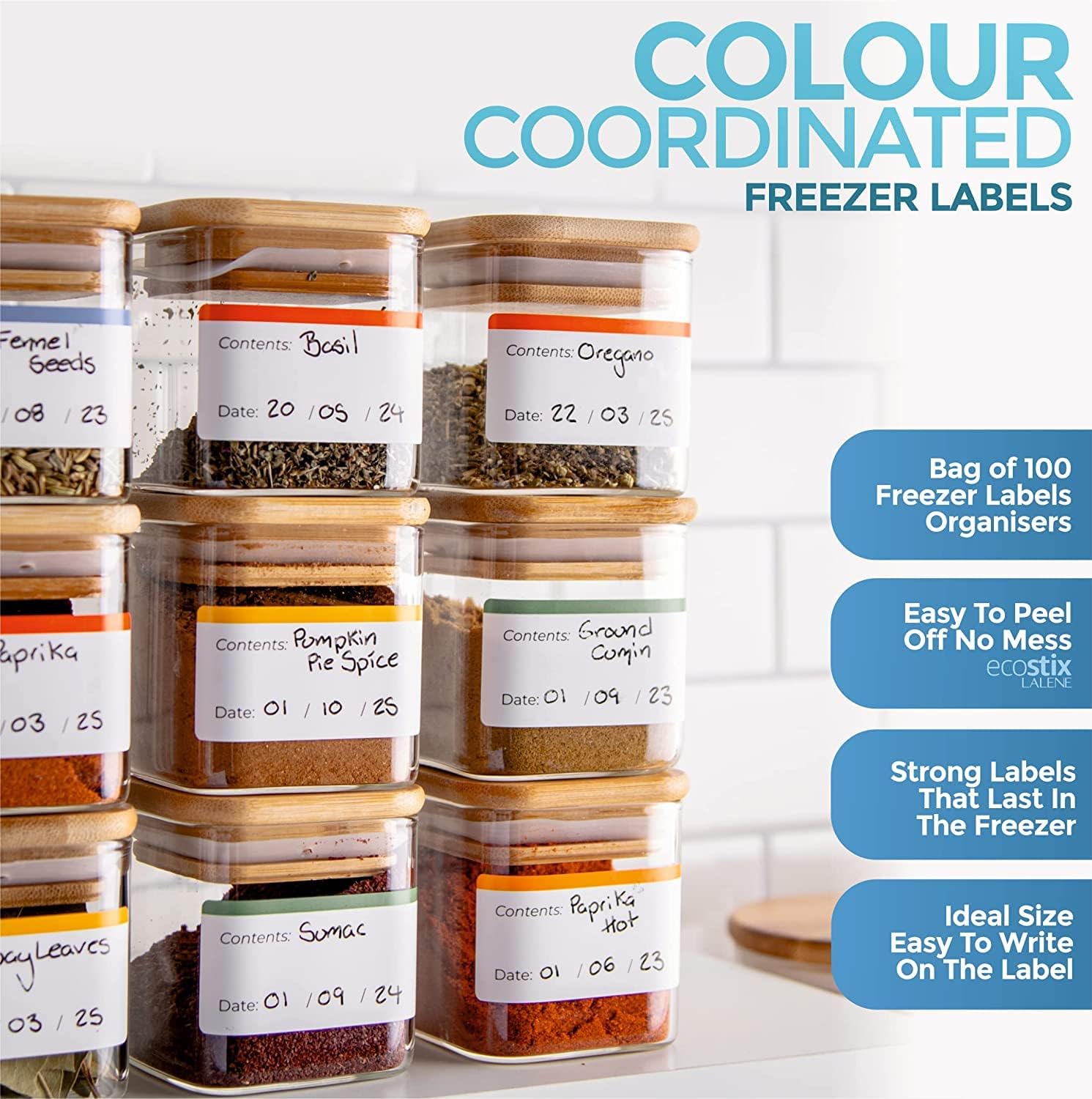
Color-Coded Freezer Tags
I love using these to mark different types of frozen vegetables so I can find them at a glance.
Check Price on AmazonAs an Amazon Associate, I earn from qualifying purchases.

Reusable Silicone Bags
These may be used to store blanched zucchini rounds in the freezer without any risk of leaks.
Check Price on AmazonAs an Amazon Associate, I earn from qualifying purchases.

Precision Vacuum Sealer
Removing all the air from your storage bags may significantly extend the life of your bulk produce.
Check Price on AmazonAs an Amazon Associate, I earn from qualifying purchases.
Sources & Transparency
This guide was developed based on vegetable storage principles and verified against safety guidelines from the FDA and agriculture industry standards. My goal is to provide practical home advice backed by solid physical principles. You can find more advice in our food storage blog.
Last updated:
Update Log
- : Added detailed sections on moisture management, ethylene gas risks, and the zucchini freshness infographic.