How to Store Eggplant: Eggplants hate extreme cold. You may store them in a cool spot (50-54°F) for best results. If using the fridge, wrap them in a paper towel to absorb moisture and place them in the crisper drawer for up to 5-7 days. Never wash them until you are ready to cook!

The ‘Mushy’ Purple Problem
I have a confession to make. For years, I treated my eggplants exactly like cucumbers. I would buy those gorgeous, glossy purple beauties at the market, toss them straight into the coldest part of my fridge, and then look surprised when I pulled out a wrinkly, brown-spotted mess three days later. It is a heartbreaking moment when you are craving a nice parmesan and your main ingredient has turned into a sponge.
Eggplants (or aubergines, if you are feeling fancy) are essentially the divas of the vegetable world. They are incredibly sensitive. They don’t like it too hot, but they absolutely despise being too cold. It is a delicate balance, somewhat similar to the care required when managing steak temperatures to prevent spoilage. If you get it wrong, the texture changes from meaty to mushy in the blink of an eye.
In our kitchen, we have learned that a little bit of motherly care goes a long way. You can’t just throw them in the bin and hope for the best. Whether you are prepping for a big family dinner or just trying to keep your produce fresh for the week, understanding this finicky vegetable is key. Let’s dive into why those brown spots happen and how to keep that skin tight and shiny.
The Science: Chilling Injury Explained
You might be wondering why the fridge, which is supposed to preserve food, seems to destroy eggplants. It comes down to something scientists call “Chilling Injury.” Eggplants are tropical plants. They thrive in heat. When you put them in a standard refrigerator (which is usually around 35-40°F), the cell walls begin to break down.
- Cell Collapse: The cold weakens the cell structure, leading to pitting (little holes) on the surface and mushy flesh inside.
- Enzymatic Browning: Once the cells are damaged, oxidation occurs rapidly. This is why you cut open a firm-looking eggplant only to find brown streaks near the seeds.
- Ethylene Sensitivity: Eggplant is highly sensitive to ethylene gas. If you store it next to a banana or melon, it will ripen and rot twice as fast.
Think of it like keeping soda fizzy—it’s all about controlling the pressure and environment. If the conditions aren’t right, the quality goes flat very quickly.

Visual Glance: Eggplant Storage Timeline
This chart helps you visualize the “Goldilocks Zone” for your veggies. Not too hot, not too cold. The wine cooler is actually the secret weapon here!
If you don’t have a wine cooler (I certainly don’t!), the warmest part of your fridge or a cool pantry shelf is your best bet. Just remember that unlike storing fresh ginger, which can handle a bit of drying out, eggplants need to retain their internal moisture without getting wet on the outside.
The Pantry vs. Fridge Debate
Where you store it depends on when you plan to cook it. Here is the breakdown for maximum freshness.
Video Lowdown: Blanching for longevity
Why Raw Freezing Fails
This video demonstrates why you simply cannot freeze raw eggplant. Because of its sponge-like texture, raw freezing creates ice crystals that turn the flesh into gray mush upon thawing.
Key takeaways to watch for:
- Blanching: A quick boil stops the enzyme action.
- Ice Bath: Essential to stop the cooking process immediately.
- Texture Check: How the eggplant should feel before it goes into the bag.
Interactive Eggplant Storage Chart
Use the filter to see how to handle whole, cut, or cooked eggplant. The rules change drastically once you slice into it.
| State | Container | Freshness | Risk or Tip |
|---|---|---|---|
| Whole (Raw) | Crisper Drawer | 5-7 Days | Wrap in paper towel to stop rot. |
| Whole (Raw) | Cool Bowl | 1-2 Days | Keep away from bananas (Ethylene). |
| Cut / Sliced | Airtight Container | 3 Days | Brush with lemon juice to stop browning. |
| Blanched Cubes | Freezer Bag | 10 Months | Best for stews or ratatouille. |
| Cooked Dish | Sealed Tub | 3-4 Days | Reheat thoroughly before eating. |
Eggplant Spoilers: Signs of Rot
Don’t waste time cooking a veggie that is past its prime. Here is how to spot a dud:
- ⚠️ The Thumb Test: Press your thumb gently into the skin. If the indentation stays and doesn’t bounce back, it is old. If your thumb breaks through the skin, throw it out immediately.
- ⚠️ Brown Interior: A few seeds are fine, but if the flesh looks more tan than white, it will taste bitter.
- ⚠️ Slimy Skin: Any sliminess indicates bacteria are breaking it down. Treat this like you would when checking eggs for spoilage—trust your sense of touch.
The FDA reminds us that washing produce before storage can promote mold growth, so keep them dry until you are ready to chop.
Storage Myths Busted (With a Chuckle)
Let’s clear up some of the “kitchen wisdom” that might be ruining your dinner:
- 🚫 Myth: Fridge is always best. Reality: Not for tropical plants! 40°F is like winter to them. (They need a sweater!)
- 🚫 Myth: Plastic wrap keeps it fresh. Reality: Tight plastic traps ethylene gas and creates a greenhouse for rot. (Let it breathe, honey!)
- 🚫 Myth: Brown seeds mean it’s poisonous. Reality: It just means it’s mature. It might be bitter, but it won’t hurt you. (Just salt it heavily.)
My 24-Hour Kitchen Test
I left one shiny eggplant on my sunny windowsill and put another wrapped in a paper towel in my veggie drawer. By the next evening, the windowsill eggplant had lost its shine. The skin looked dull and felt a little “loose,” similar to how ginger starts to wrinkle when dried out. The fridge one was still firm. However, after 5 days, the fridge one started to get small pitted spots. This proved to me that while the fridge slows down rotting, it eventually causes cold damage. There is a sweet spot of about 4 days where you get the best of both worlds.
Your Quick Hits Cheat Sheet
In a rush at the grocery store? Remember these rules.
| If your eggplant is… | Smart Snap Move | Result Score |
|---|---|---|
| Fresh & Firm | Paper towel + Veggie Drawer. | Best (5 Days) |
| Cut / Leftover | Lemon juice + Sealed Tub. | Good (2 Days) |
| Slightly Soft | Cook immediately (Roast/Stew). | Edible but Urgent |
| Too Many to Eat | Blanch and Freeze. | Long Term Win |
Fridge Strategies for Maximum Firmness
If you must use the fridge (and let’s be real, most of us do), you have to protect the skin. Moisture is the enemy here, just like with storing asparagus tips. Condensation leads to slime.
I recommend wrapping each eggplant individually in a paper towel. Then, place them in a reusable produce bag but leave the top open. This absorbs any sweating but allows air to circulate. Place them in the crisper drawer, which is usually slightly warmer and more humid than the top shelf. Never place heavy items like melons or milk jugs on top of them; they bruise incredibly easily.
Freezer Plays: Blanching is Key
Freezing eggplant is a wonderful way to save a harvest, but you can’t be lazy about it. If you throw raw cubes in the freezer, you will thaw out a bag of brown slime. You must stop the enzyme activity.
Boil a pot of water with a splash of lemon juice (to keep the color white). Drop your peeled or unpeeled cubes in for 4 minutes. Scoop them out and plunge them into ice water. This “shock” locks in the texture. Once cooled, dry them thoroughly. You can then freeze them on a baking sheet before moving them to a bag. It takes effort, but your winter stews will thank you.
Reviving Soft Eggplant: The Salt Trick
If your eggplant is feeling a little spongy or if you see brown seeds inside, it might taste bitter. You can fix this! Slice the eggplant and sprinkle salt generously over both sides. Let it sit in a colander for 30 minutes.
You will see brown liquid “sweat” out of the vegetable. This liquid holds the bitterness. Rinse the slices and pat them dry. This not only improves the flavor but also collapses the air pockets so it absorbs less oil during frying. It requires delicate handling, sort of like preparing breast milk for a baby—patience pays off.
Leftover Magic: Baba Ganoush & More
Don’t toss an ugly eggplant! Even if the skin is wrinkled, the flesh inside might still be okay for purees. My favorite way to use up “imperfect” eggplants is to roast them whole until they collapse. Scoop out the inside, mix with tahini, garlic, and lemon, and you have homemade Baba Ganoush.
Another option is Ratatouille. Since you are stewing the veggies anyway, a slightly softer texture won’t be noticed. It is the perfect “zero waste” solution.
Handy Gear for Veggie Lovers
Protecting delicate produce requires the right tools. Here are a few things I keep in my kitchen.

Mesh Produce Bags
These allow air to circulate around the eggplant so ethylene gas doesn’t build up and cause rot.
Check Price on AmazonAs an Amazon Associate, I earn from qualifying purchases.

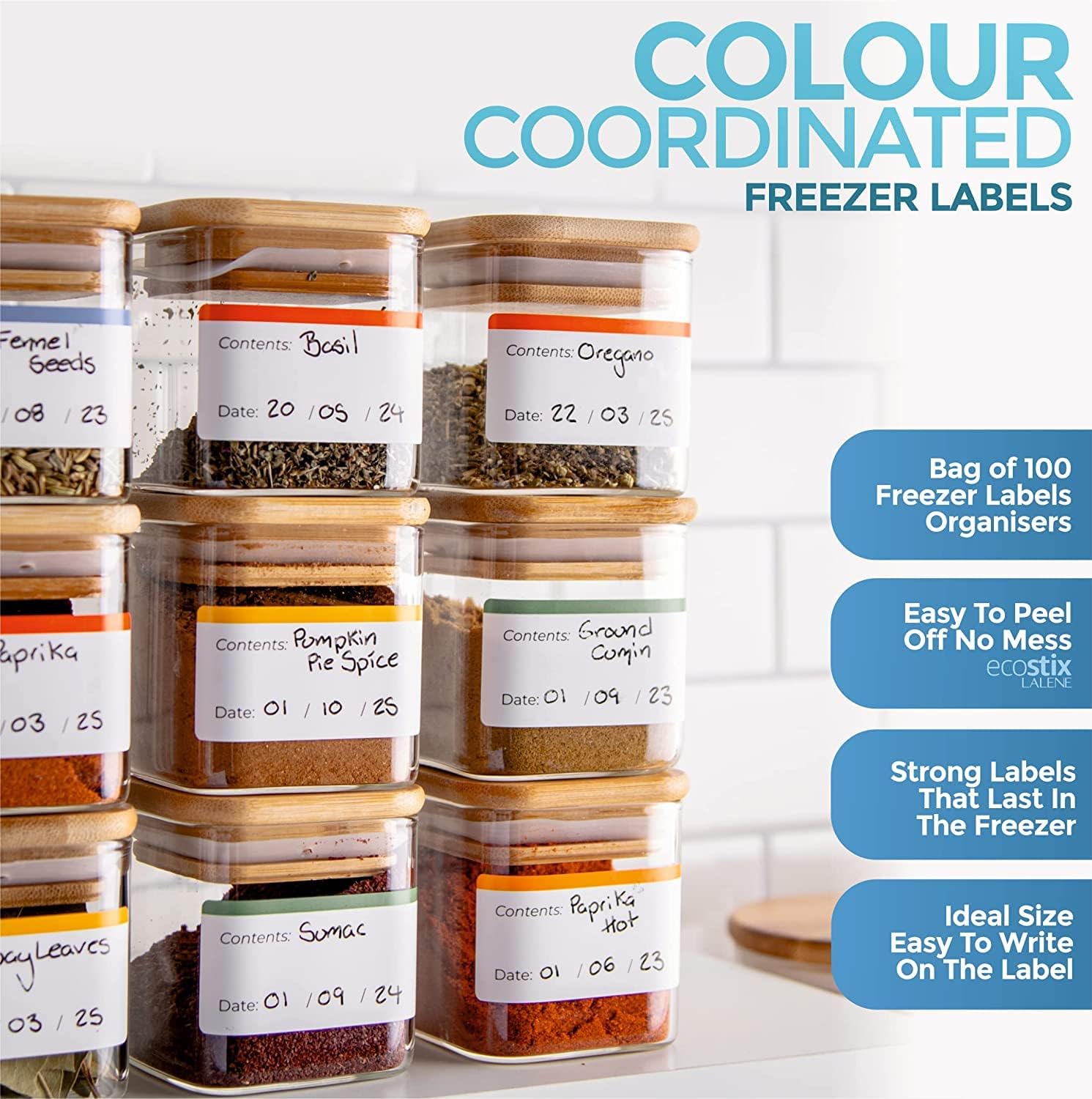
Date Labels
Use these to mark when you sliced your veggies so you don’t have to guess if they are still good.
Check Price on AmazonAs an Amazon Associate, I earn from qualifying purchases.
Ceramic Knife
Metal knives can cause oxidation (browning) faster. A ceramic knife helps keep cut eggplant white.
Check Price on AmazonAs an Amazon Associate, I earn from qualifying purchases.

Salad Spinner
Great for drying eggplant slices after rinsing or blanching to ensure they don’t get soggy.
Check Price on AmazonAs an Amazon Associate, I earn from qualifying purchases.
Sources & Transparency
This guide relies on research from the UC Davis Postharvest Technology Center regarding chilling injury in tropical vegetables. We also consulted food safety guidelines from the FDA to ensure safe handling of fresh produce. Always trust your senses—if it smells bad, throw it out.
Last updated:
Update Log
- : Updated the blanching times for freezing and added the salt-sweating technique for bitter eggplants.