How to Store Beer to Maintain Quality
The best way to store beer is upright in a cool, dark place like a refrigerator or cellar. This protects it from its main enemies: heat, light, and oxygen. Most beer is best fresh, but high-alcohol dark beers can be aged.
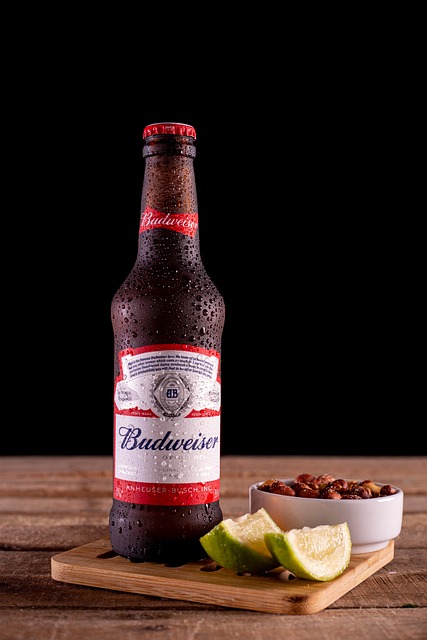
You’ve just picked up a six-pack of your favorite craft IPA or a case of lager for the weekend BBQ. You toss it in the garage or on the kitchen counter until you’re ready to drink it. But have you ever cracked one open and found it tasted… off? Maybe a little stale, or worse, like a skunk?
That’s not bad luck; it’s bad storage. Beer is a more delicate beverage than many people realize. Learning how to store beer correctly is crucial for preserving the fresh, vibrant flavors the brewer intended. This breakdown will cover the simple science of beer aging, bust some common myths, and give you the definitive rules for keeping your brews tasting great.
The Science: The Enemies of Fresh Beer
Beer doesn’t “spoil” in a way that will make you sick, but its flavor can degrade quickly when exposed to its three mortal enemies:
- Heat: Heat is the number one accelerator of aging in beer. It speeds up chemical reactions that cause the flavors to break down, resulting in a stale, dull, or papery (oxidized) taste. A few days in a hot car can ruin a beer faster than months in a cool cellar.
- Light: UV light is particularly damaging to hops. When light hits the hop compounds in beer, it triggers a chemical reaction that creates the same sulfur compound a skunk uses for its defense spray. This is what’s known as a “skunked” or “lightstruck” beer. Brown bottles offer good protection, green bottles offer very little, and clear bottles offer none. Cans offer complete protection.
- Oxygen: While brewers work hard to eliminate oxygen during packaging, a tiny amount always remains. Over time, this oxygen will react with the flavor compounds in the beer, leading to an oxidized flavor often described as tasting like wet cardboard or sherry.
Busting 5 Common Beer Storage Myths
Project: Getting Your Brews Ready for BBQ Season
As the weather warms up, it’s time to make sure your beer is in top condition. The video here tackles five of the most common myths about beer storage to ensure every bottle and can is perfect for that first BBQ.
Here are the key myths the video debunks:
- Myth: Beer should be stored on its side. Fact: Always store beer upright to minimize oxidation and let yeast settle.
- Myth: Canned beer tastes metallic. Fact: Modern cans have a water-based polymer lining, so the beer never touches metal. Cans are actually superior for preventing light and oxygen damage.
- Myth: All beer is best ice-cold. Fact: While lagers are great cold, complex ales and stouts show more flavor at slightly warmer temperatures (45-55°F).
- Myth: Temperature fluctuation ruins beer. Fact: The total time spent warm is the real enemy. Moving beer from cold to warm and back is fine.
- Myth: All beer gets better with age. Fact: The vast majority of beers, especially hoppy IPAs, are meant to be consumed fresh.
Understanding these facts is the first step to better beer, a topic we love to explore in our main beverage storage section.
The Best Way to Store Beer: The 3 Golden Rules
For 99% of the beer you buy, follow these three simple rules for perfect storage.
Rule #1: Keep it Cold
The refrigerator is the best place to store your beer. A consistent, cold temperature (ideally between 35-45°F or 2-7°C for lagers and IPAs) is the single most effective way to slow down aging and preserve fresh flavors. A cool, dark basement or cellar is the next best thing.
Rule #2: Keep it Dark
Protect your beer from all light, especially sunlight and fluorescent lights in stores. This is the only way to prevent your beer from getting skunked. This is why cans are superior to bottles for protecting beer quality.
Rule #3: Keep it Upright
Always store your beer standing up, not on its side. This minimizes the surface area of the beer that’s exposed to the oxygen in the headspace of the bottle or can, which slows down oxidation. It also allows any yeast or sediment to settle at the bottom where it belongs.
My Kitchen Toolkit: For the Organized Drinker
While beer doesn’t require much, keeping your collection organized, especially if you’re aging beers or have a crowded fridge, can be made easier with a few simple tools.

Removable Food Labels
A must-have if you’re aging beers. Label each bottle with the purchase date so you can track its age and know when it’s at its peak.
Check Price on Amazon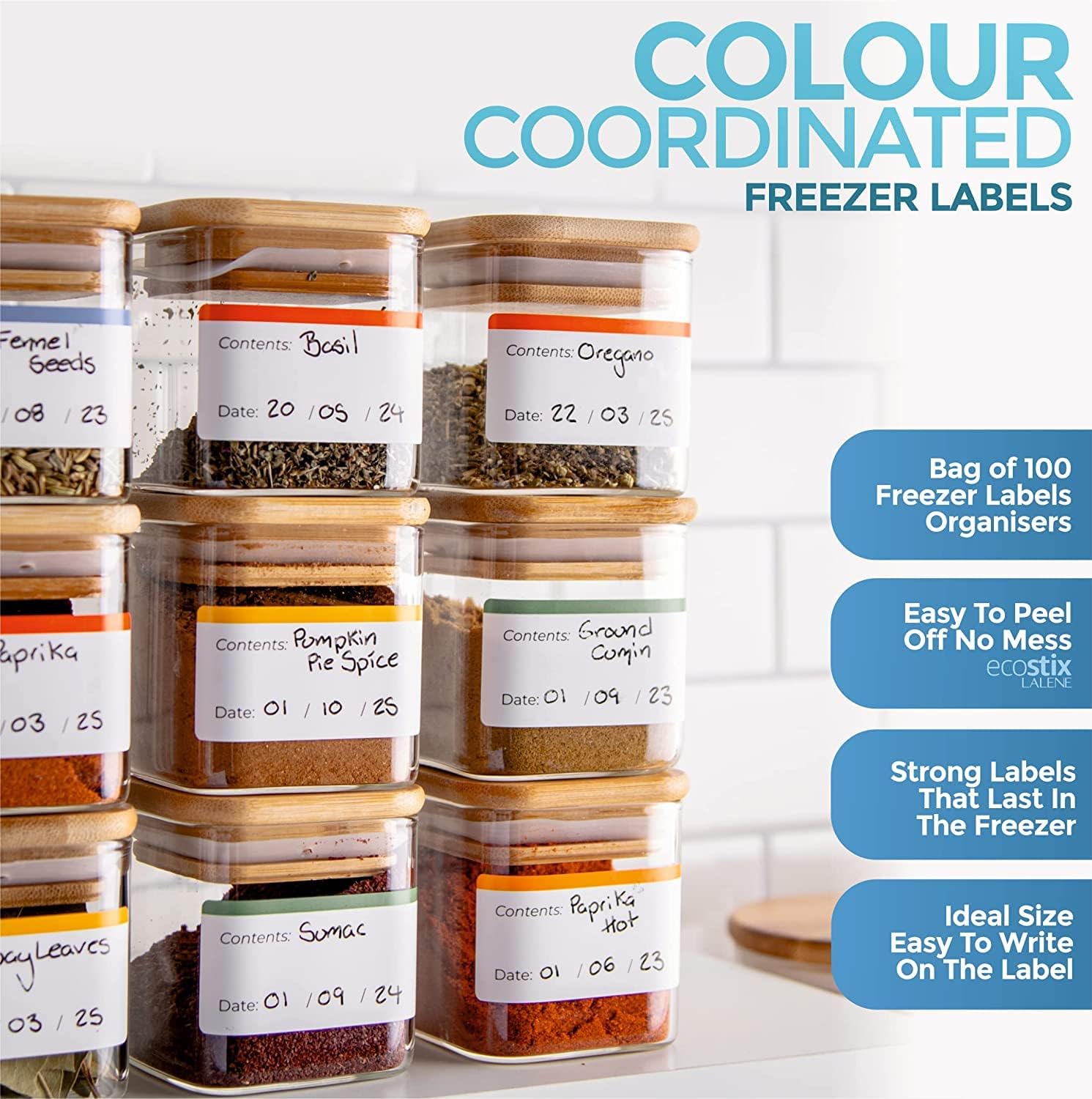
Color-Coding Labels
I use these to organize my beer fridge. One color for IPAs (drink fresh!), another for stouts (can age). It’s a great visual reminder.
Check Price on Amazon
Beverage Can Organizer
These stackable organizers are a fantastic way to keep your beer cans neat and tidy in the fridge, preventing them from rolling around.
Check Price on Amazon
Wall-Mounted Bottle Opener
Every serious beer drinker needs a reliable bottle opener. A wall-mounted one is always there when you need it and adds a nice touch to a home bar or kitchen.
Check Price on AmazonYour Beer Storage Questions, Answered
What is the best way to store beer?
The best way to store beer is upright in a cool, dark place with a consistent temperature, like a refrigerator or a cellar. This protects it from its main enemies: light, heat, and oxygen.
How long does beer last?
Most mass-produced lagers are best consumed within 3-6 months. Hoppy beers like IPAs are best fresh, within 1-3 months. Darker, high-alcohol beers like stouts and barleywines can often be aged for years, and their flavors may improve over time.
Does beer go bad?
Beer doesn’t spoil in a way that makes it unsafe to drink, but its flavor will degrade over time. It can become stale, oxidized (tasting like wet cardboard), or ‘skunked’ (smelling like a skunk) if exposed to light. General food safety principles from agencies like the CDC apply, but spoilage is about quality, not danger.
Is it okay for beer to go from cold to warm and back to cold?
Yes, this is a common myth. Temperature fluctuation itself doesn’t harm the beer. The real damage comes from the total time the beer spends at warm temperatures, which accelerates aging. As long as the beer isn’t getting hot, moving it in and out of the fridge is fine.
Should you store beer on its side or upright?
You should always store beer upright. This minimizes the surface area of the beer that is exposed to oxygen in the bottle or can, which slows down oxidation. It also allows any yeast sediment to settle at the bottom.
Your Beer Storage Cheat Sheet
The four essential rules for keeping your beer tasting great.
Keep it Cold
Action: Store your beer in the refrigerator whenever possible.
Result: The cold is the best defense against premature aging and stale flavors.
Keep it Dark
Action: Keep beer out of sunlight and fluorescent light.
Result: Prevents the chemical reaction that causes “skunked” beer.
Keep it Upright
Action: Always store bottles and cans standing up.
Result: Minimizes oxidation and lets sediment settle properly.
Drink IPAs Fresh
Action: Don’t age your hoppy beers like IPAs and Pale Ales.
Result: Enjoy the vibrant, fresh hop aroma and flavor as the brewer intended.
Our Process & Sources
This information is compiled using best practices from the craft beer industry and general food and beverage guidelines from U.S. government agencies like the FDA and university extension programs like Penn State Extension.
An opened can or bottle of beer goes flat within hours — the same principles for keeping drinks fizzy apply here too. Unlike spirits like rum, beer has a very short window once opened. Other carbonated drinks like prosecco face the same flatness problem as opened beer.
Last updated: