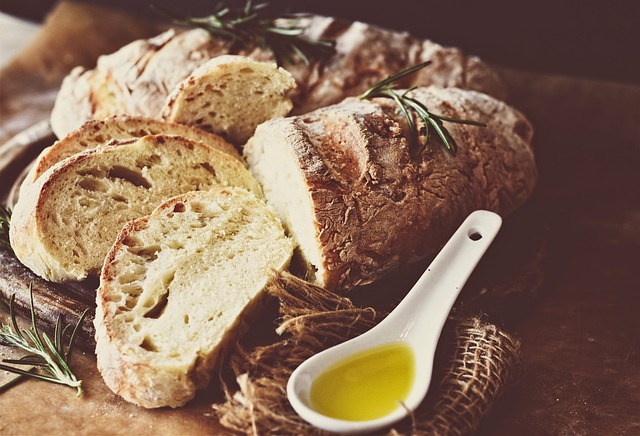
How to Keep Ciabatta Fresh (Keep the Crust Crispy & Inside Soft for 3 Days)
To keep ciabatta fresh, store it in a paper bag at room temperature for up to 3 days. Plastic bags trap moisture against the crust and make it soft within hours. Never refrigerate ciabatta — cold temperatures actively accelerate staling. For longer storage, freeze it and reheat directly from frozen in the oven.
 By
By I used to store ciabatta in a plastic bag and wonder why it was always slightly disappointing the next morning — structurally intact, but that crust completely gone. One switch to a paper bag fixed it immediately. The difference is not subtle. Day two in a paper bag still has a real snap. Day two in plastic feels like a soft roll.
Once you understand what is actually happening — and the science here is genuinely interesting — the storage rules are obvious. Ciabatta has one main enemy and one main weapon. The enemy is moisture getting trapped against the crust. The weapon is airflow. The same principle applies to how to store bread properly in general, but ciabatta is the most sensitive case because of its high hydration and thin crust.
Paper bag or tea towel at room temperature: 2 to 3 days. Plastic bag: crumb stays moist but crust turns leathery within hours. Fridge: never — speeds up staling, not slows it. Freezer: up to 3 months, slice first, reheat from frozen at 375°F (190°C) for 8 to 10 minutes.
Why ciabatta goes stale faster than almost any other bread
Ciabatta is made from a very high-hydration dough — typically 75 to 80% water compared to 60 to 65% for standard sandwich bread. That high water content creates the large, irregular air pockets that define ciabatta’s texture. It also means more moisture to lose, and the thin, open crust provides a large surface area for that moisture to escape through.
The technical process behind staling is called starch retrogradation. During baking, the starch granules in the flour absorb water and gelatinise. As the bread cools, those gelatinised starch molecules begin to recrystallise and expel water — making the crumb progressively firmer and drier. This starts the moment the bread leaves the oven. It is a structural change, not just drying out.
In professional baking, most artisan bakeries advise consuming ciabatta the same day or next morning. In bakeries, ciabatta is rarely stored overnight in plastic — it is either left to breathe or sold same-day because crust quality drops within hours when sealed. The instructions on artisan loaves almost never say “refrigerate.” That is not an accident — it reflects exactly what the science shows. The freezer is the only cold storage that works for bread, because it drops below the glass transition temperature of starch and effectively pauses retrogradation entirely.
Ciabatta stales faster than enriched breads like banana bread because it contains no eggs, fat, or dairy — ingredients that interfere with retrogradation and slow firming. It’s a lean bread, which means it stales quickly and reheats beautifully.
Paper bag, plastic, or the fridge — what actually works
Paper bag
Allows slight moisture escape. Crust stays crisp. Crumb stays soft. 2 to 3 days without compromise. Any paper bag works.
Tea towel
Similar to paper. Slightly more protection for cut surfaces. Press it against the cut end of the loaf.
Plastic / Fridge
Plastic traps crust moisture. Fridge accelerates retrogradation. Both produce noticeably worse results within 24 hours.
Why paper and not plastic
Moisture naturally migrates from the soft crumb outward toward the crust. In a sealed plastic bag, it has nowhere to go — it condenses on the inside of the bag and re-deposits on the crust surface, making it soft and slightly sticky. In a paper bag, a small amount passes through, keeping the crust dry enough to stay crisp.
You do not need a special bread bag. A standard brown paper grocery bag works perfectly. Fold the open end over to loosely close it — you want some airflow, not a sealed environment. If you have sliced the loaf, press the cut surfaces together before putting it in the bag. Less exposed crumb means slower moisture loss from the interior.
“Put ciabatta in the fridge to keep it fresh longer.”
Peer-reviewed research in PMC found bread stored at refrigerator temperature firms up up to 424% faster than bread at room temperature. The reason: the 35 to 50°F range is where starch retrogradation rate peaks. The fridge is the worst possible environment for crusty bread. Room temperature in a paper bag beats it every time for up to 3 days.
How long ciabatta lasts — by storage method
| Method | Crust texture | How long | Notes |
|---|---|---|---|
| Paper bag, room temp | Crisp stays crisp | 2 to 3 days | Best everyday method. Any paper bag, loosely folded shut. |
| Tea towel, room temp | Crisp, slightly softer by day 3 | 2 to 3 days | Good for whole loaves. Press against the cut end tightly. |
| Plastic bag, room temp | Soft and slightly sticky by day 1 | 2 to 3 days (crumb only) | Crumb moist but crust texture gone. Not recommended. |
| Refrigerator | Stale much faster than room temp | Avoid entirely | Cold accelerates retrogradation. Never refrigerate artisan bread. |
| Freezer | Near-fresh after reheating | Up to 3 months | Slice before freezing. Reheat from frozen at 375°F for 8 to 10 min. |
How to freeze ciabatta properly
Freezing is genuinely excellent for ciabatta — better than any other long-term storage option. The freezer drops the bread below the glass transition temperature of starch, which effectively pauses retrogradation and preserves the crumb structure. A well-frozen and correctly reheated ciabatta is nearly indistinguishable from fresh.
The right way to freeze it
- Slice first. This is the most useful habit. Frozen individual slices mean you can pull exactly what you need without thawing the whole loaf. Standard sandwich-thickness slices work well.
- Wrap the sliced loaf tightly in cling film, pressing the wrap against the cut surfaces to minimise air contact.
- Place the wrapped loaf or individual slices in a heavy-duty freezer bag. Squeeze out as much air as possible before sealing.
- Label with today’s date. Use within 3 months.
Reheating from frozen
Do not thaw at room temperature first — it creates a damp, soft exterior before the inside is ready. Place frozen slices or the frozen loaf directly into a preheated oven at 375°F (190°C). Slices take 8 to 10 minutes. A whole loaf takes 15 to 18 minutes. The crust crisps up as if freshly baked. Let it rest for 2 minutes before eating — the crumb needs a moment to set after the heat.
My storage test: paper vs plastic vs nothing, 48 hours
I tested three identical sections from the same ciabatta loaf at room temperature for 48 hours.
Paper bag: Still had a satisfying snap at 48 hours. Crumb was softer than day one but completely pleasant. Clear winner.
Plastic bag: Crust turned soft and slightly tacky by morning. At 48 hours it felt like a soft dinner roll — fine texture, no crust contrast. The defining quality of ciabatta was gone.
Uncovered on the counter: Crust stayed crisp but the crumb dried out significantly by hour 12. By 48 hours, rock solid throughout. Good for breadcrumbs, nothing else.
Paper bag is not marginally better. It is the only option that preserves both the crust and the crumb simultaneously.
How to revive stale ciabatta
Starch retrogradation is not fully permanent. Reheating bread above the gelatinisation temperature (around 140°F / 60°C) temporarily re-gelatinises the starch, restoring softness to the crumb and crispness to the crust. This is why toasted bread tastes better than cold stale bread — the heat reversal is real.
For slightly stale ciabatta: run the cut surface briefly under cold water to add a small amount of surface moisture, then place in a 375°F (190°C) oven for 5 to 8 minutes. The steam generated from the water helps re-gelatinise the outer crumb. The result is not identical to fresh, but it is genuinely good. Works best on bread that is no more than 2 days old.
For very stale ciabatta: cut into cubes for croutons, blend into breadcrumbs, or make panzanella — the Italian bread salad that is specifically designed for stale ciabatta. Stale bread absorbs dressing better than fresh. In this case, older is the right ingredient.
“Stale ciabatta is not ruined. It is just ciabatta with a different job.”
Five things that make a real difference
This single swap makes most of the difference. Loosely fold the top closed — you want a little airflow, not a sealed bag. Any brown paper bag works.
Individual slices in a freezer bag mean no waste and no unnecessary thawing. Pull one slice, put it in the oven from frozen, done in 10 minutes.
When storing a partially sliced loaf, keep the cut ends pressed against each other inside the bag. Less exposed crumb means slower moisture loss from the interior.
The 35 to 50°F range is peak retrogradation temperature. Room temperature in a paper bag is genuinely better — peer-reviewed food science confirms this, not just baking tradition.
Thawing at room temperature creates a damp exterior before the interior is ready. Straight from freezer to hot oven skips that phase entirely and gives a better result.
How ciabatta compares to other breads and baked goods
The paper bag and freezer rules apply to most crusty, artisan-style breads. Sourdough and baguette follow the same logic — paper or open air short-term, freezer long-term. Banana bread is the opposite: it contains eggs and fat which slow retrogradation, so it tolerates plastic wrapping and even stays moist in an airtight container for days. Soft biscuits also need moisture retention — plastic is correct for them.
The rule: crusty lean breads want paper or open air short-term. Enriched soft breads want plastic or airtight. Ciabatta sits firmly in the first category — the crust is the point, and protecting it means allowing it to breathe.
If you are storing other pastries at the same time, the logic inverts completely. See how differently cream puffs and donuts behave — both of those go soft for very different reasons, and the storage solutions are completely different from ciabatta.
The high hydration of ciabatta dough — visible in how sticky and wet it looks — is exactly why the crust behaves so differently from sandwich bread and why moisture management in storage matters so much more.
What I use for bread storage
Simple tools that make a real difference for keeping crusty artisan bread fresh.
Reusable Linen Bread Bags
Woven linen works exactly like a tea towel but fitted to a loaf. Washable, reusable, and far better than plastic for anything with a crust.
View on AmazonHeavy Duty Freezer Bags
Thicker than standard bags — the difference shows for anything stored more than a few weeks. Worth it for bread you are keeping for months.
View on AmazonRemovable Date Labels
Write the freeze date on the bag. Peel off cleanly with no residue. Genuinely useful when your freezer has multiple bread batches.
View on AmazonVacuum Sealer
For bulk bread freezing. Removes all air and prevents freezer burn — extends quality noticeably past the standard 3-month mark.
View on AmazonAs an Amazon Associate I earn from qualifying purchases — at no extra cost to you.
Questions people actually ask
Wrap it in a paper bag or a clean tea towel and keep it at room temperature for up to 3 days. Avoid plastic bags — they trap moisture and turn the crust soft within hours. Never refrigerate ciabatta. For anything beyond 3 days, freeze it and reheat from frozen in the oven.
No. Refrigerator temperature (around 39°F / 4°C) is the worst possible storage environment for bread. Research confirms that fridge temperature accelerates starch retrogradation — the firming process — faster than room temperature. Bread stored in the fridge can firm up up to four times faster. Keep ciabatta on the counter in a paper bag.
Yes, and it works very well. Slice before freezing, wrap tightly in cling film then place in a freezer bag. Reheat directly from frozen in a 375°F (190°C) oven for 8 to 10 minutes for slices, 15 to 18 minutes for a whole loaf. Quality is very close to fresh. Up to 3 months in the freezer.
Run the cut surface briefly under cold water, then place in a 375°F (190°C) oven for 5 to 8 minutes. The heat temporarily reverses starch retrogradation, restoring a soft crumb and crisp crust. Works best on bread that is not more than 2 days old. Very stale ciabatta is better used for croutons or panzanella.
Ciabatta is a lean, high-hydration bread — no eggs, fat, or dairy to slow retrogradation. It has a large surface area relative to its volume, a thin crust, and a very open crumb. All of these factors mean moisture escapes quickly and starch recrystallises fast. This is why enriched breads like brioche or banana bread last so much longer at room temperature. See how to store bread for general rules across all bread types.