How to Store Yogurt to Keep It Fresh
The best way to store yogurt is in a sealed container in the main part of your refrigerator, not the door. An opened container will last for 5-7 days. You can also freeze yogurt for up to 2 months, which is perfect for smoothies, though the texture will change.

Yogurt is a healthy, versatile staple, perfect for breakfast, snacks, or cooking. But it’s also a live product that needs proper care. Have you ever opened a large tub, only to wonder **how long is yogurt good for after opening?** Or have you found a container in the back of the fridge, past its date, and been unsure if it’s safe to eat?
Understanding **how to store yogurt** correctly is key to keeping it fresh, delicious, and safe. This write-up will cover everything you need to know, from the best spot in your fridge to the surprising ways you can freeze it to prevent waste. Let’s make sure you get to enjoy every last spoonful.
The Science of Yogurt: A Living Food
Yogurt is created by fermenting milk with live, beneficial bacteria (probiotics). These “good” bacteria are what give yogurt its tangy flavor and thick texture. However, yogurt is also susceptible to “bad” bacteria, yeasts, and molds, which can cause spoilage.
The Importance of Cold Temperatures
The key to keeping yogurt fresh is to keep the good bacteria happy and the bad bacteria dormant. This is all about temperature control. Storing yogurt at or below 40°F (4°C) slows down the activity of spoilage organisms, dramatically extending its shelf life. As food safety authorities like the FDA consistently advise, keeping a cold refrigerator is one of the most important steps in preventing foodborne illness. Leaving yogurt at room temperature for even a couple of hours can give spoilage bacteria the chance to multiply.
Visual Comparison: Yogurt Freshness Timeline
Where and how you store your yogurt makes a huge difference. This chart shows what you can expect.
How to Store Yogurt in the Refrigerator
The refrigerator is the best place for yogurt you plan to eat soon. But where you put it matters.
- The Best Spot: Just like with milk, avoid the fridge door. The **best way to store yogurt in the fridge** is on a middle or top shelf, where the temperature is cold and consistent.
- Keep It Sealed: Always make sure the lid is on tight. For tubs that have a foil seal, press it back down before putting the plastic lid on. This prevents the yogurt from absorbing odors from other foods and protects it from airborne contaminants.
- What About the Watery Layer? That liquid on top of your yogurt is just whey, a natural protein that separates out. It’s perfectly safe and nutritious. You can either pour it off or, for a creamier texture, simply stir it back in.
- Storing Different Types: Thicker yogurts like Greek yogurt often last a day or two longer after opening than regular yogurt because they have less whey. Dairy-free yogurts (almond, coconut, soy) should be stored the same way as dairy yogurt.
My Kitchen Toolkit: Gear for Yogurt Lovers
Whether you’re making your own yogurt or freezing leftovers for smoothies, the right tools make storage simple and effective. Here are a few of my favorite products for keeping yogurt fresh.

Removable Food Labels
A must-have for homemade yogurt or for freezing leftovers. Label your containers with the date so you always know what’s fresh. These peel off cleanly with no residue.
Check Price on Amazon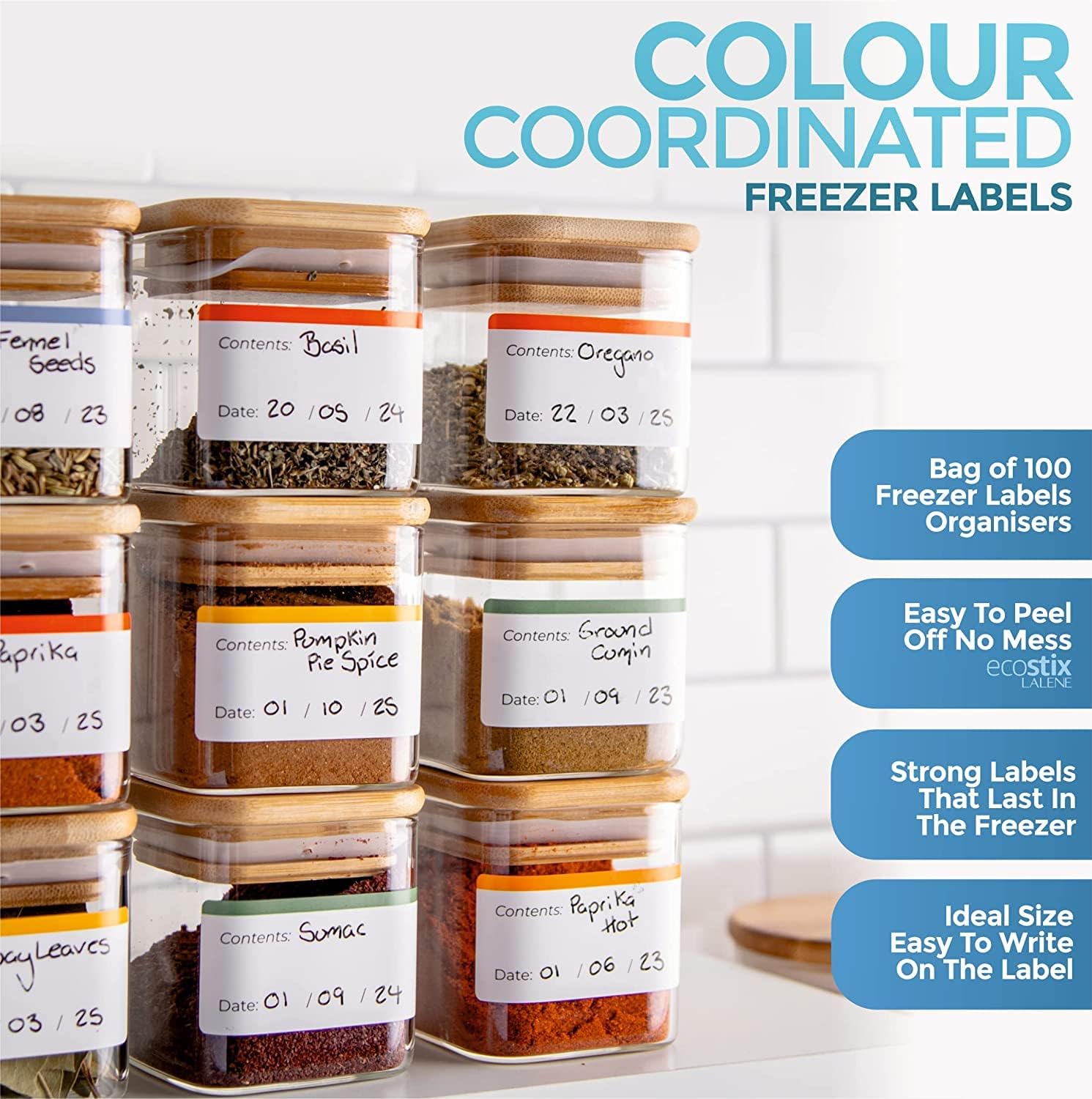
Color-Coding Labels
I use these to organize my freezer. One color for yogurt, another for frozen fruit. It makes grabbing what you need for a smoothie quick and easy.
Check Price on Amazon
Reusable Food Storage Bags
These are fantastic for freezing yogurt in flat, space-saving portions. They’re also great for marinating chicken in a yogurt-based sauce before freezing.
Check Price on Amazon
Precision Pro Vacuum Sealer
For the ultimate freezer protection, a vacuum sealer is unbeatable. It removes all air, preventing ice crystals and keeping your frozen yogurt fresh for longer.
Check Price on AmazonA Fun Way to Freeze: Yogurt Pops
Project: Turn Leftover Yogurt into a Healthy Treat
One of the best ways to use up yogurt that’s nearing its expiration date is to freeze it into a delicious treat. Making frozen yogurt pops is incredibly easy and a fantastic way to prevent food waste while creating a healthy snack.
The video below shows you how to make simple, delicious yogurt pops at home. You can customize them with your favorite fruits and sweeteners. It’s a perfect project for kids and a great way to use up other produce, like the fresh fruit we discuss in our piece on storing kiwi.
How to Freeze Yogurt (and How to Use It)
Freezing is a great option for saving yogurt from going to waste, but it’s important to know what to expect.
The Freezing Process
When you freeze yogurt, the water and milk solids separate, which changes the texture. Upon thawing, it will be thinner and somewhat grainy. It won’t be pleasant to eat on its own, but it’s perfect for other uses.
- Stir Well: Give the yogurt a good stir before freezing.
- Portion It Out: An ice cube tray is perfect for this. Spoon the yogurt into the tray and freeze until solid.
- Store Airtight: Once frozen, pop the yogurt cubes out and transfer them to a freezer-safe bag or container. Squeeze out all the air to prevent freezer burn.
- Label and Freeze: Label the bag with the date. Frozen yogurt is best used within 1-2 months.
Best Uses for Frozen Yogurt
Toss the frozen cubes directly into a blender for smoothies, or thaw them in the fridge to use in marinades, soups, or baked goods (like the ones in our bakery storage section) where the texture change won’t be noticeable.
Other dairy staples follow similar fridge rules to yogurt. Sour cream is almost identical — same container types, same fridge zone, same short window once opened. Like yogurt, soft dairy products like brie are highly sensitive to temperature changes — though brie needs breathable wrapping rather than a sealed lid. For a dairy-free alternative with its own specific storage rules, coconut water follows a surprisingly similar opened-vs-unopened timeline to yogurt.
Your Yogurt Storage Questions, Answered
How long does yogurt last in the fridge after opening?
Once opened, most yogurt will last for 5 to 7 days in the refrigerator. Greek yogurt, being thicker, can sometimes last a bit longer, up to a week. Always store it in a tightly sealed container in the main part of the fridge.
Can you freeze yogurt?
Yes, you can freeze yogurt for up to 2 months. However, the texture will change upon thawing, becoming thinner and more grainy. It’s best used in smoothies, baking, or as a frozen treat rather than eaten plain.
How can you tell if yogurt has gone bad?
The most obvious signs are a sour smell (more than its usual tang), any visible mold, or a texture that is excessively lumpy or curdled. Also, if the container is bloating, it’s a sign of spoilage.
Is it okay to eat yogurt after the expiration date?
Yes, an unopened container of yogurt is often still perfectly good for a week or even two past the printed ‘sell-by’ or ‘best-by’ date, as long as it has been stored correctly. Always trust your senses to check for spoilage.
What is the watery layer on top of my yogurt?
That liquid is whey, a natural protein found in milk. It’s harmless and full of nutrients. You can either pour it off or simply stir it back into the yogurt for a creamier texture.
Your Yogurt Storage Cheat Sheet
The four most important rules for keeping your yogurt fresh.
Location is Key
Action: Store yogurt on a main shelf in the fridge, not the door.
Result: Keeps it at a stable, cold temperature.
Seal It Tight
Action: Always keep the container tightly sealed after opening.
Result: Prevents spoilage and absorbing odors.
Don’t Fear the Whey
Action: Stir the watery layer (whey) back into your yogurt.
Result: Adds back protein and creates a creamier texture.
Freeze for Smoothies
Action: Freeze leftover yogurt in ice cube trays.
Result: A perfect, no-waste way to use it up for smoothies.
Our Process & Sources
This information was compiled using food safety recommendations from government health organizations like the CDC and principles from university extension programs like Penn State Extension to provide the most reliable advice.
Last updated: