For the best flavor, store unripe and ripe tomatoes on the counter at a cool room temperature (around 60-70°F or 15-21°C). Only place very ripe or cut tomatoes in the fridge for 1-2 days to prevent spoilage. For long-term storage, freezing is an excellent option for cooked dishes.
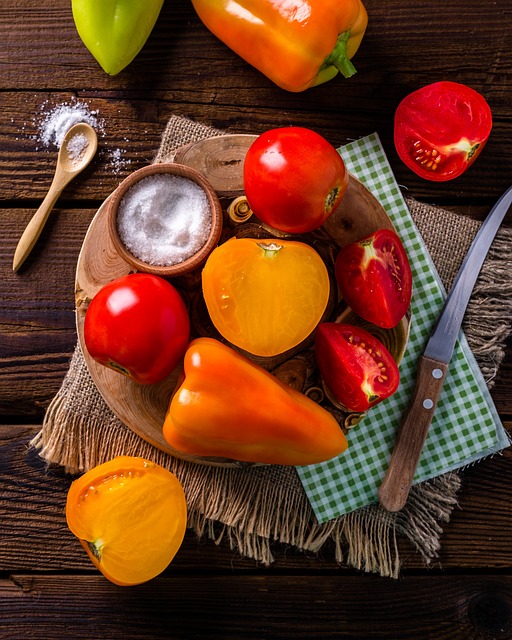
Everyone knows the disappointment: you bring home beautiful, ruby-red tomatoes, but within days, they’ve turned into soft, flavorless disappointments. The biggest culprit? It’s often how we store them. The debate over whether tomatoes belong in the fridge is almost as heated as a good pasta sauce.
This write-up is your complete playbook for keeping tomatoes tasting their best. We’ll bust the myths and give you practical, step-by-step instructions for everything from smart counter storage to freezing and canning. After reading, you’ll know exactly how to properly store tomatoes to maximize their flavor and stop food waste in its tracks.
The Inside Story: Why Tomatoes Can Lose Their Flavor
Before we talk storage, let’s look at why a tomato’s taste is so fragile. A tomato is a delicate balance of water, sugars, acids, and volatile compounds that create its signature aroma and flavor. When stored improperly, especially in the cold, these compounds are the first to go.
The Chilling Effect on Texture and Taste
Refrigeration is the number one enemy of a tomato’s texture. Temperatures below 54°F (12°C) cause what’s known as “chilling injury.” This process breaks down the cell walls within the fruit, turning the flesh mealy and grainy. At the same time, the cold halts the enzymes that produce those wonderful, aromatic flavor compounds. As the FDA points out, proper temperature control is critical for maintaining quality. Once that flavor is gone, you can’t get it back.
Visual Comparison: Tomato Freshness Timeline
How long your tomatoes last depends entirely on the method. This chart shows your options for optimal freshness.
The Great Debate: Storing Tomatoes on the Counter vs. in the Fridge
Here’s the simple truth: **the counter is almost always the best place for your tomatoes.** It allows them to ripen fully and maintain their delicious flavor profile. The fridge should only be used as a last resort.
How to Store Tomatoes on the Counter
For both unripe and perfectly ripe tomatoes, a cool spot on your counter is ideal. Store them stem-side down in a single layer in a bowl or on a plate. This prevents bruising and allows for good air circulation. Keep them out of direct sunlight, which can cause them to ripen unevenly and overheat. An unripe tomato will slowly ripen here over 3 to 7 days, while a ripe one will be at its peak for about 2 to 3 days.
When (and How) to Store Tomatoes in the Fridge
The only time a tomato should see the inside of a refrigerator is when it’s perfectly ripe and you need to buy an extra day or two before it becomes *overripe*. The same goes for **how to store cut tomatoes**; once sliced, they must be refrigerated. Place them in an airtight container to protect them from other odors. The CDC highlights the importance of proper handling for cut tomatoes to prevent bacterial growth. Always let refrigerated tomatoes sit out at room temperature for at least 30 minutes before eating to help revive some of their dormant flavors.
Interactive Storage Table: The Best Methods at a Glance
| Tomato Type | Location | Shelf Life | Key Tip |
|---|---|---|---|
| Unripe (Green/Orange) | Cool Counter / Pantry | 3–7 days (to ripen) | Keep out of sun; give them space to breathe. |
| Perfectly Ripe | Cool Counter | 2–3 days | Ideal for raw use; best flavor and texture. |
| Very Ripe / Cut | Fridge (Airtight Container) | 1–2 days | Use to prevent spoilage; let warm up before eating. |
| Whole Raw Tomatoes | Freezer (≤0°F / -18°C) | 10-12 months | Best for soups/sauces; skins slip off after thawing. |
| Tomato Sauce/Soup | Freezer (≤0°F / -18°C) | ~6 months for best flavor | Freeze in portions for quick meals. |
Preserving the Harvest: A Visual Look at Canning
Project: Saving Summer Flavor for Winter Months
When you have more tomatoes from the garden than you can possibly eat, canning is a fantastic way to lock in that fresh flavor. It might seem intimidating, but the process is straightforward and incredibly rewarding. The video below gives a great visual walkthrough of the process, from preparing the tomatoes to sealing the jars safely.
Following established procedures is crucial for safety. The National Center for Home Food Preservation offers comprehensive resources that are a must-read for anyone new to canning. This is the ultimate way to answer the question of how to store tomatoes for months.
Long-Term Solutions: How to Store Tomatoes in the Freezer and Beyond
If canning isn’t your style, there are other excellent ways to preserve your tomatoes. Freezing is the easiest method, while drying concentrates their flavor into intense, chewy bites.
How to Store Tomatoes in the Freezer
Freezing is perfect for anyone wondering how to store garden tomatoes with minimal fuss. The texture will change, making them best for cooked applications.
- Whole Tomatoes: Simply wash and dry your tomatoes, cut out the core, and place them whole in a freezer bag. Squeeze out the air and seal. When you thaw them, the skins will slip right off.
- Diced or Puréed: You can also chop tomatoes or run them through a blender before freezing. Freeze them in ice cube trays for perfectly portioned amounts to add to sauces or soups.
Drying and Dehydrating Tomatoes
For an intensely sweet and savory flavor, drying is the way to go. You can use an oven on its lowest setting, a food dehydrator, or even the sun. Once fully dried, you’ll know how to store dehydrated tomatoes: keep them in an airtight jar in a cool, dark place. To make sun-dried tomatoes in oil, simply submerge the dried pieces in good quality olive oil with herbs like oregano or garlic. This is a classic technique that also works well for other produce, similar to what we explore for bakery items that need to stay fresh.
A Closer Look at Different Tomato Varieties
Not all tomatoes are created equal, and their storage needs can vary slightly.
- How to store cherry tomatoes & grape tomatoes: Because of their small size and thin skins, they can lose moisture faster. Keep them on the counter and try to eat them within a couple of days of peak ripeness.
- How to store Roma tomatoes: These are less juicy and have a meatier texture, making them excellent candidates for sauces and for freezing. They hold up a bit better to storage than larger, juicier varieties.
- How to store heirloom tomatoes: These are prized for their unique flavors but are often more delicate. Handle them with care, store them on the counter, and eat them as soon as they are ripe.
- How to store green tomatoes: If you want them to ripen, place them in a paper bag or a single layer in a cardboard box in a cool, dark place. To keep them green for frying, store them in a cool room (around 55°F or 13°C), where they can last for several weeks.
Your Tomato Questions, Answered
Should you store tomatoes in the fridge?
For the best flavor and texture, you should store most ripe tomatoes on the counter. Only store very ripe or cut tomatoes in the fridge if you need to prolong their life for another day or two, as the cold can make them mealy.
How long do fresh tomatoes last?
On the counter, ripe tomatoes last about 2-3 days, while unripe ones can take up to a week to ripen. In the fridge, very ripe or cut tomatoes last 1-2 days. Frozen tomatoes can last for many months.
How do you store cut tomatoes?
To store sliced or cut tomatoes, place them in an airtight container or cover the cut surface with plastic wrap and store them in the fridge. For best results, use them within 24 hours.
Can you freeze whole raw tomatoes?
Yes, you can freeze whole raw tomatoes. Simply wash, dry, and place them in a freezer bag. The skins will slip off easily upon thawing. They are best used in cooked dishes like soups and sauces as their texture will soften.
What causes a tomato to become mealy?
A mealy, grainy texture in tomatoes is typically caused by refrigeration. Cold temperatures below 54°F (12°C) break down the membranes inside the fruit’s cell walls, which ruins the texture and dulls the flavor.
Your Tomato Storage Cheat Sheet
No more guesswork! Here are the four golden rules for perfect tomatoes every time.
For UNRIPE Tomatoes
Action: Store on the counter, out of direct sun.
Result: They’ll ripen perfectly in 3-7 days.
For RIPE Tomatoes
Action: Keep on the counter and eat within 2-3 days.
Result: Maximum flavor and ideal texture.
For CUT Tomatoes
Action: Place in an airtight container in the fridge.
Result: Stays fresh for 1-2 days.
For LONG-TERM
Action: Freeze, can, or dry your surplus tomatoes.
Result: Enjoy summer flavor all year long.
Our Process & Sources
This information was compiled using recommendations from food safety organizations like the FDA and CDC, as well as food preservation experts at institutions like Penn State Extension. For more food preservation projects, check out our articles on seafood storage or even beverage storage.
Tomatoes last 3 to 5 days at room temperature and lose their flavour and texture permanently within hours of being put in the fridge. Eggplant is another vegetable that suffers in the cold and should be kept on the counter or in a warm part of the fridge. Bell peppers are the exception because they actually last longer in the fridge, up to 2 weeks, unlike tomatoes. Other counter vegetables like garlic last up to 3 to 6 months in a cool, dry spot and share the same no-fridge rule as tomatoes.
Last updated: