What Happens to Food When You Freeze It?
You just made a massive pot of chili. Do you put it straight in the fridge and risk warming up your milk, or leave it on the counter overnight and risk food poisoning?
Most of us choose the freezer instead, thinking we are being smart and saving money. But weeks or months later you thaw it and it is watery, bland, dry, or strangely mushy.
Here is exactly what is happening inside your food the second it starts to freeze and the simple things you can do today so your future meals still taste amazing.
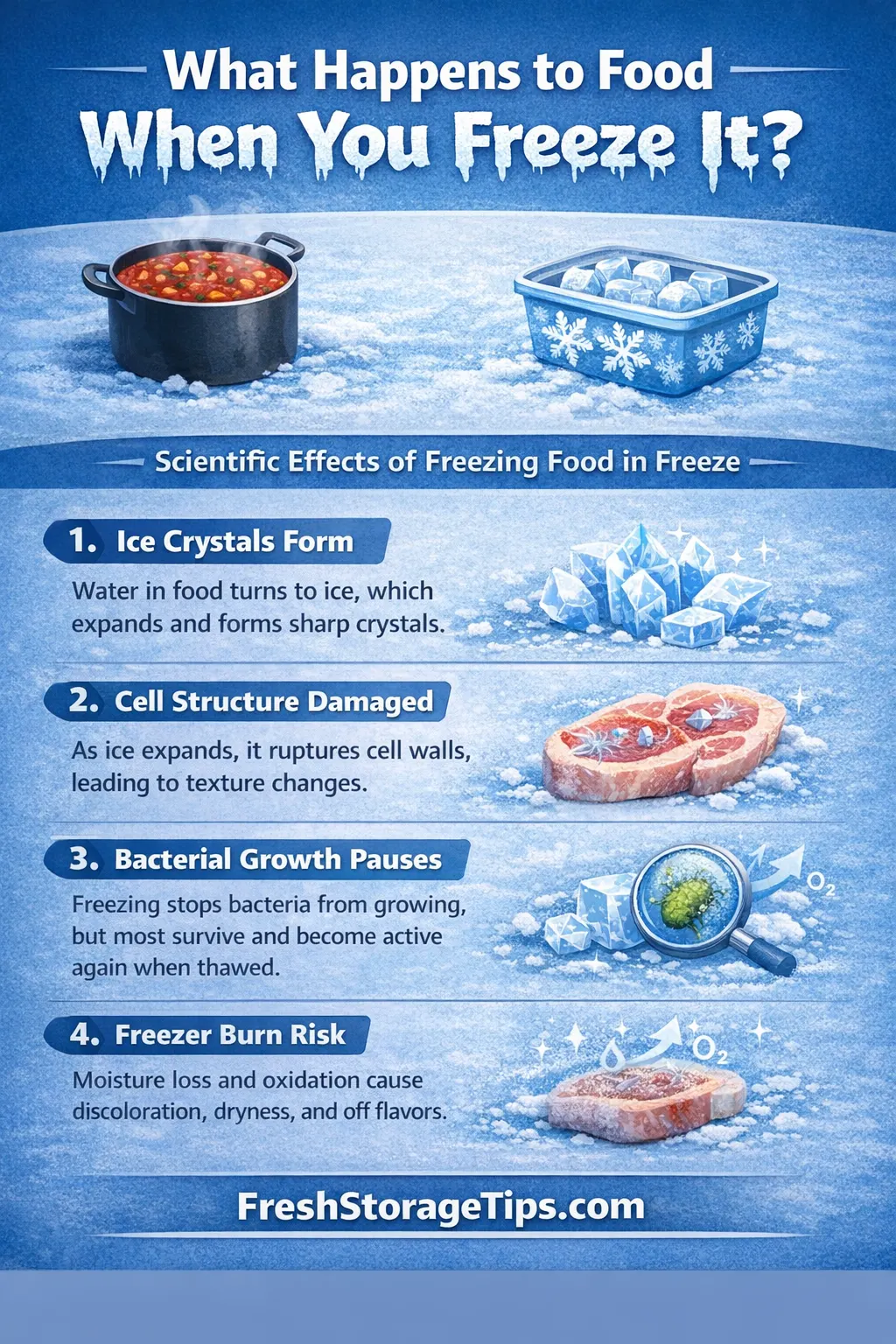
The Quick Science: Freezing does not reliably kill bacteria; it stops their growth. The true enemy of frozen food is water. As food freezes, the water inside it expands into jagged ice crystals. The slower your food freezes, the larger these crystals grow, physically piercing the cellular walls and leaving you with mushy, watery meals when thawed. By cooling your food rapidly, removing all oxygen, and keeping your freezer strictly at 0°F (-18°C), you force tiny ice crystals to form, perfectly preserving the original texture and flavor.
Safety Warning: Glass expands just like water does. If you are freezing liquids like homemade chicken stock in glass mason jars, you must leave at least an inch and a half of empty space at the top. If you fill it completely to the brim, the expanding ice will shatter the glass into your food.
The Microscopic Battlefield
I used to stand in my kitchen looking at a giant pot of leftover soup, totally paralyzed by indecision. If I left it on the stove, it would go bad. If I shoved it into the deep freeze in flimsy plastic tubs, it always came out tasting like a giant block of metallic ice. It was a massive waste of money, and it made me feel like a terrible cook. But then I started researching the actual physics of temperature control. Preserving leftovers is not about guessing. It is about biology. Every single ingredient behaves differently when the temperature drops.
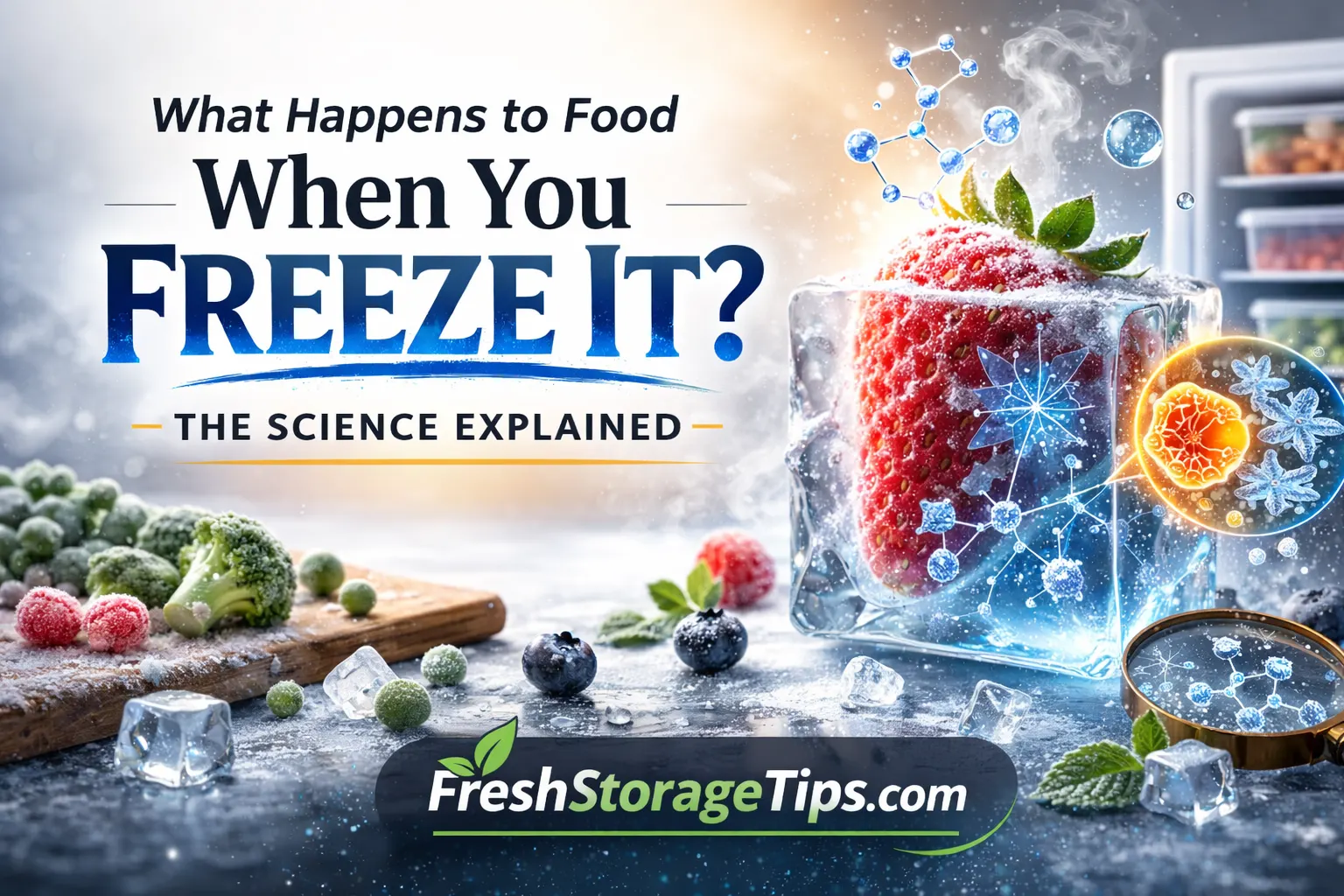
Let us talk about what actually happens at a microscopic level. Imagine a beautifully ripe strawberry. It is essentially a tiny water balloon held together by delicate plant cell walls. When you place that strawberry into a standard home appliance, the water inside those cells begins to freeze. But water is incredibly unique. Unlike almost every other substance on earth, water expands when it gets cold. As the temperature drops, the water molecules arrange themselves into rigid, expansive crystalline structures.
If this chilling process happens slowly, which is exactly what happens in a crowded home appliance, those ice crystals grow very large and jagged. They act like microscopic swords, completely piercing and shattering the fragile cell walls of the strawberry. While the fruit remains solid, you do not notice the physical damage. But the moment you take it out and let it thaw on your kitchen counter, all the internal structure collapses. The sweet juices bleed out into a sad red puddle, leaving you with a mushy, unrecognizable blob. The secret to success is speed. Fast freezing equals tiny ice crystals, which means the cell walls stay perfectly intact.
The Sublimation Trap: Understanding Freezer Burn
The second major biological issue is known in the scientific community as sublimation. You probably know it by its much more common name: freezer burn. Have you ever pulled a beautiful piece of chicken from the back of the shelf only to find it covered in dry, gray, leathery patches? That meat is not necessarily dangerous to eat, but it will taste absolutely terrible.
Sublimation occurs when frozen water turns directly into a vapor without ever melting into a liquid first. Your appliance works by constantly circulating extremely dry, cold air to prevent heavy frost from building up on the internal mechanical coils. If your food is not sealed properly, that aggressive dry air literally sucks the moisture right out of your meat and vegetables. The gray patches are areas where the tissue has been completely dehydrated and oxidized.
To fight this process, you have to build an impenetrable wall between your groceries and the circulating air. This is why tossing a thin, original plastic grocery store package onto the shelf is a guaranteed way to ruin your dinner. Air is the enemy of longevity. If you want your steaks to taste just as good six months from now, you have to remove the oxygen completely.
Step-by-Step: How to Freeze Food Correctly
To stop your groceries from turning to mush, you need a precise system. Follow these exact steps to perfectly preserve your meals:
- Chill the Food Rapidly: Never place hot pots directly into the appliance. Use an ice bath in your sink to bring the temperature down safely and quickly before packing.
- Portion into Sensible Sizes: Divide your large meals into smaller, individual servings. Smaller portions freeze much faster, which prevents large ice crystals from forming and ruining the texture.
- Remove All Oxygen: Oxygen causes freezer burn. Use a vacuum sealer or the water displacement method to push all the air out of your bags before sealing them tight.
- Label and Freeze Flat: Write the contents and the date on a dissolvable label. Lay the bags perfectly flat on a baking sheet until solid, then stack them like books to save space.
The Enzyme Equation: Why You Must Blanch Vegetables
Have you ever thrown a handful of fresh, raw green beans into a cold bag, only to pull them out a month later and find them brown, tough, and tasting like dirt? You fell victim to enzymatic degradation.
Plants contain living enzymes that cause them to ripen, mature, and eventually rot. While plunging them into zero-degree temperatures slows these enzymes down dramatically, it does not stop them entirely. If left unchecked, these enzymes will continue to slowly destroy the color, texture, and nutritional value of your vegetables over time.
The only way to stop this is to deactivate the enzymes before they go into the cold. This is done through a process called blanching. By dropping your vegetables into rapidly boiling water for just one or two minutes, and then immediately plunging them into a bowl of ice water to stop the cooking process, you effectively kill the enzymes. The vegetables stay bright green, perfectly crisp, and retain all of their vitamins for up to a full year.
The Seafood Protocol: Storing Fish Safely
Fish and shellfish are the absolute ultimate test of your kitchen skills. Seafood contains highly unsaturated fats that are incredibly prone to oxidation and going rancid, even when frozen completely solid. If you want to know exactly how long you can store fish, the USDA guidelines are incredibly strict for a very good reason.
But the safety clock starts ticking the moment you are standing at the local market. I highly recommend reading the expert advice on the safe selection and handling of fish and shellfish to ensure you buy the freshest catch possible. Once you get it home, you should immediately reference this incredibly helpful downloadable FDA safety chart to understand exact timelines for different aquatic species.
The professional marine scientists at NOAA also offer a brilliant guide on how to store and handle seafood, noting that removing oxygen is the absolute most important step you can take. Furthermore, the FDA strongly warns about the severe risks of bacterial cross-contamination when selecting and serving fresh and frozen seafood safely. Always keep raw fish wrapped in multiple protective layers and store it far away from your ice cream.
If you are lucky enough to catch your own dinner, the Iowa DNR has a fantastic resource detailing exactly how to approach cleaning and cooking fish so you prepare the delicate fillets perfectly before they hit the ice.
Finally, if you want to geek out on the deep microbiology, this fascinating PMC research article explains exactly how bacterial growth is halted at 0°F (-18°C), but bacteria are not killed and can become active again when thawed. Furthermore, enzymatic degradation continues if the temperature fluctuates even a tiny bit, which is why absolute temperature stability is so critical.Foods That Hate the Cold
Before you start filling up bags with every leftover you own, you must understand that certain foods simply do not survive the extreme transition. Understanding your short-term environment is vital. If you constantly wonder why food spoils fast in your fridge, the problem often starts when you place massive, piping hot containers directly onto the glass shelves. The heat radiates outward, ruining your fresh milk and delicate greens. The exact same thermal principle applies to your deep freeze.
Dairy products are incredibly fragile. If you want to know how to store cheese properly, keep it firmly in the main cooling compartment. The freezing process violently breaks the fat emulsions, turning a beautiful block of cheddar into a crumbly, un-meltable mess. Likewise, if you are looking at how to store fried chicken, the crisp exterior will turn into a soggy sponge as the moisture inside the meat freezes and pushes outward into the breading. Keep fried foods away from the ice.
Safe Thawing: The Final Step
All of your hard work packaging and chilling your food is completely wasted if you thaw it incorrectly. The absolute worst thing you can do is take a frozen block of chicken and leave it sitting on your kitchen counter all day while you are at work.
As the ambient air warms the food, the outer layers of the chicken will reach room temperature and enter the bacterial danger zone (above 40 degrees Fahrenheit) hours before the dense center is fully thawed. You are essentially creating a perfect breeding ground for salmonella on the surface of your meat. The only two safe ways to thaw food are slowly in the refrigerator overnight, or submerged in a leak-proof bag under cold running water.
Video Guide: 40 Foods That Freeze Well
Save Time and Money
This fantastic visual guide breaks down dozens of common household ingredients that survive the cold surprisingly well. Knowing what works prevents you from throwing away perfectly good groceries.
Storage Tip: Pay close attention to how they handle baked goods and doughs. Freezing raw cookie dough in individual balls is one of the smartest meal-prep hacks available. You can bake them straight from solid ice without ever letting them thaw, giving you fresh cookies on demand.
Interactive Freezing Timeline Chart
Filter by the type of grocery. Properly prepared items can last a surprisingly long time without losing quality.
| Grocery Item | Ideal Prep Method | Safe Time | Risk or Tip |
|---|---|---|---|
| Raw Beef Steaks | Vacuum Sealed | 8-12 Months | Remove all oxygen to stop freezer burn. |
| Fresh Berries | Flat Freeze on Tray | 10 Months | They will get mushy; use for smoothies. |
| Chicken Stock | Glass Jars (Leave Space) | 6 Months | Leave top space so expanding ice does not break glass. |
| Cooked Meatballs | Airtight Bag | 3 Months | Chill completely before packing to stop condensation. |
| Green Beans | Blanch Then Pack | 12 Months | Boil briefly to kill enzymes that cause browning. |
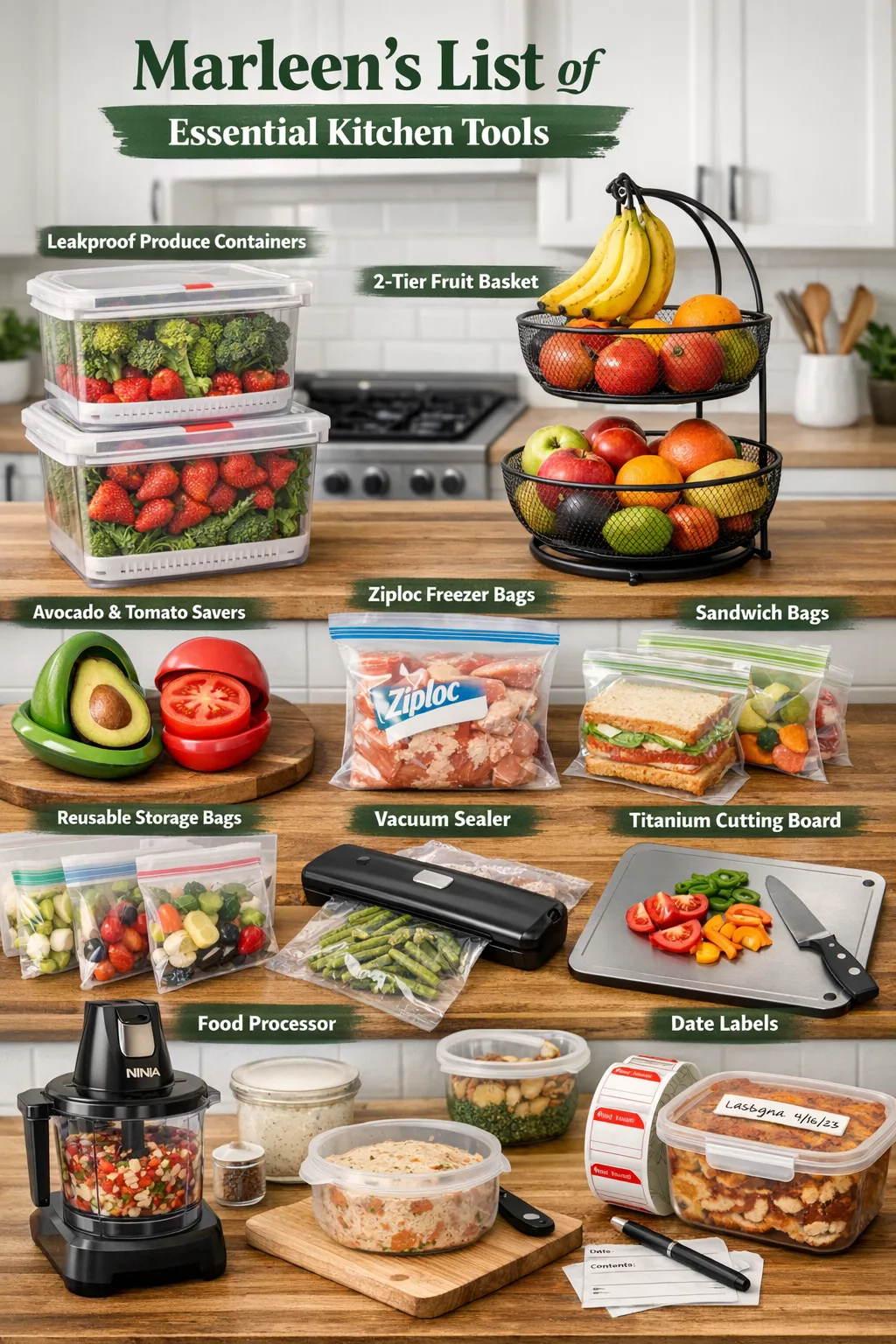
I used to absolutely hate trying to find something for dinner in my kitchen. I would open the heavy door and just stare at a massive, chaotic mountain of unlabeled, frosty plastic bags. I never had any idea what was inside them. Was it a bag of frozen strawberries or a chunk of raw beef? I could not tell because everything was covered in a thick layer of ice. Worse, when I finally decided to thaw something out, it was almost always ruined by freezer burn. I realized that I was literally throwing hundreds of dollars into the trash every single year simply because I refused to buy the proper tools to protect my investment. You cannot buy premium, expensive groceries and then store them in flimsy, cheap sandwich bags.
Transforming your long-term storage space requires a completely new mindset and a few very specific, highly durable items. The absolute biggest game changer for me was finally investing in a high-quality vacuum machine. By physically extracting every single drop of oxygen from the packaging, you completely stop the dehydration process that ruins your meats. Once the air is gone, you need a way to track the dates. Sticky notes always fall off in the cold, so using labels that actually dissolve under warm water changed my entire organizational system. I also realized that relying on the factory dial was a terrible idea, so a dedicated digital cooking thermometer became my best friend for verifying safe internal temperatures. For massive batch cooking days, a heavy-duty food processor saves me hours of chopping vegetables before I pack them away in my specialized moisture-regulating saver tubs. These simple, highly effective tools pay for themselves in just a few weeks by ensuring your expensive groceries actually make it to your dinner plate tasting perfectly fresh.
Digital Thermometer for Cooking
The absolute only way to verify your appliance is securely under 0°F and your meats are thawed to safe temperatures.
View on AmazonFood Storage Containers
Stop using flimsy plastic! These heavy-duty stackable containers block out the dry air that causes massive freezer burn.
View on AmazonFood Product Saver Tubs
These specialized tubs regulate moisture perfectly, stopping your expensive chopped vegetables from turning into icy blocks.
View on AmazonDissolvable Labels for Food
Never guess when you cooked that meal again. Write the exact date, and the label washes completely off in the warm sink!
View on AmazonFood Processor
Chop and prep your bulk vegetables in seconds before you blanch them and store them perfectly in your clear bins.
View on AmazonVacuum Sealer for Food
The ultimate professional kitchen tool for physically removing oxygen and extending the shelf life of your raw meats by months.
View on AmazonAs an Amazon Associate, I earn from qualifying purchases.
Sources & Transparency
This technical guide references vital food safety guidelines from the FDA and the USDA regarding proper cellular storage temperatures. Data on sublimation risks, seafood handling, and bacterial activity was deeply consulted via the National Oceanic and Atmospheric Administration (NOAA) and the National Institutes of Health (NIH) public safety databases.
Last updated:
Update Log
- : Published comprehensive guide on the physics of freezing, freezer burn, and oxygen removal.